U.S. Agriculture Secretary Brooke Rollins announced new dietary guidelines emphasizing whole foods, healthy fats, and reducing processed foods and sugars to combat obesity, marking a significant shift from previous recommendations and focusing on real, nutrient-dense foods.

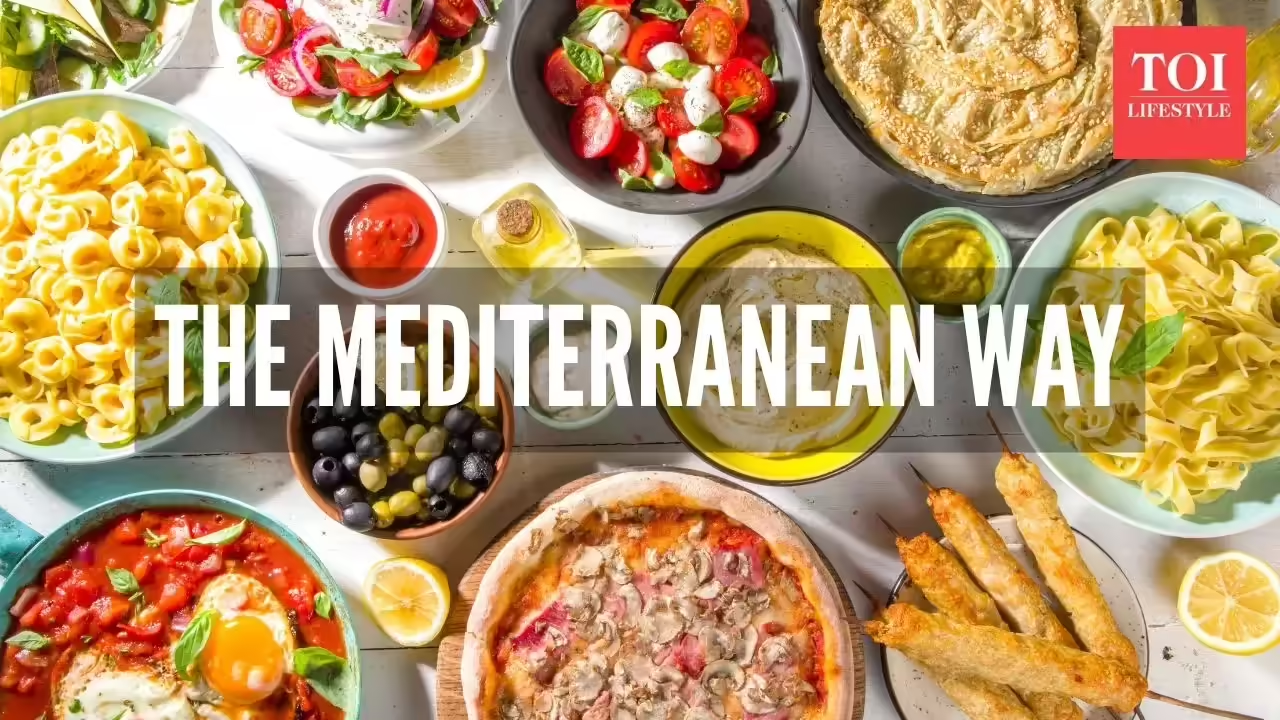
The article compares the Mediterranean and Indian diets, highlighting how the Mediterranean diet's emphasis on monounsaturated fats, whole grains, and moderate protein intake can reduce diabetes risk, and offers five ways to incorporate these healthy practices into Indian meals.
Eating anti-inflammatory foods like fatty fish, olive oil, berries, leafy greens, nuts, turmeric, green tea, dark chocolate, cherries, and avocados can help reduce chronic inflammation, support gut health, and lower the risk of serious diseases such as heart disease and autoimmune disorders. Small dietary swaps can make a significant difference in overall health and well-being.
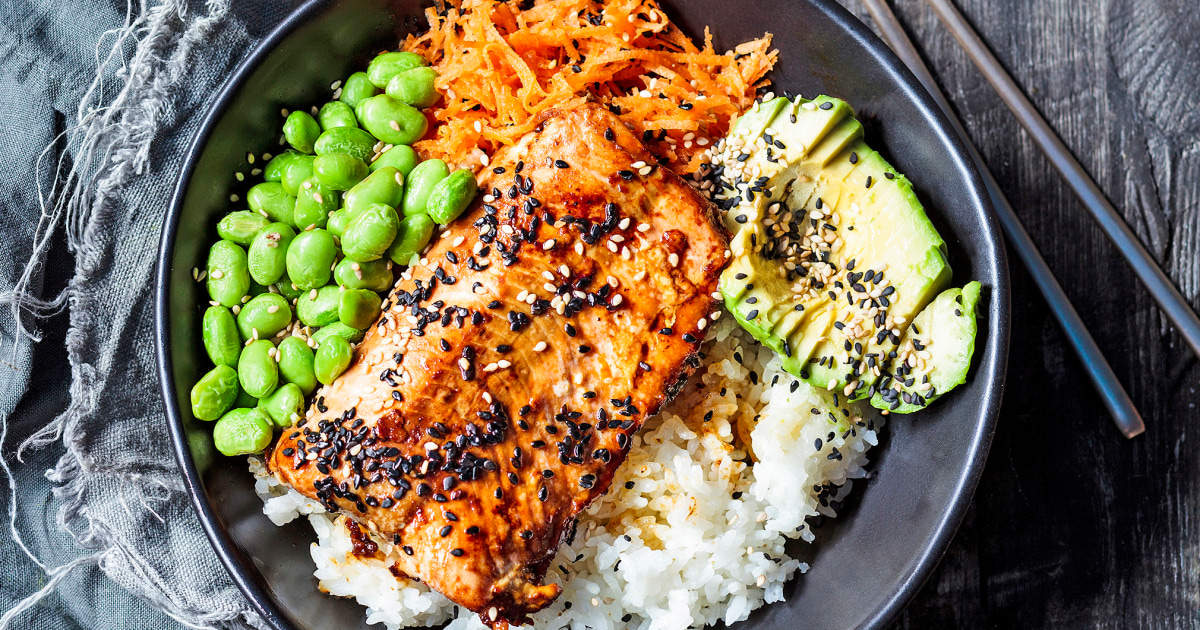
A team of health experts recommends incorporating foods rich in fiber and healthy fats, such as oats, brown rice, avocados, nuts, salmon, berries, and vegetables, into your diet to improve heart health and reduce the risk of cardiovascular disease. They also advise avoiding red and processed meats, ultra-processed foods, fried foods, and sugary beverages to support cardiovascular wellness.
The article provides five dietary tips to help reverse or manage pre-diabetes, emphasizing whole foods, fiber-rich diets, healthy fats, portion control, and specific foods like cinnamon and bitter gourd that can lower blood sugar levels.
The article highlights seven anti-inflammatory fats—mackerel, olive oil, dark chocolate, avocados, flaxseed, edamame, and walnuts—that can help reduce chronic inflammation and promote overall health by incorporating them into a diet inspired by the Mediterranean pattern, emphasizing nutrient-rich foods and healthy fats.
Certain cheeses like cottage cheese, Parmesan, mozzarella, feta, goat cheese, ricotta, and Swiss can support belly fat loss due to their high protein content, healthy fats, and nutrient profile, especially when consumed in moderation and paired with other healthy foods.
Dietitians emphasize the importance of including healthy fats like unsaturated fats from nuts, seeds, and olive oil, while consuming saturated fats such as dairy and eggs in moderation. Artificial trans fats should be avoided. Certain fats like butter, ghee, and coconut oil can be part of a balanced diet, offering health benefits when consumed appropriately.
The 1992 US food pyramid, which emphasized high carbohydrate intake and minimized fats, is criticized for negatively impacting energy levels by causing blood sugar spikes and crashes. Dr. Michael Aziz suggests that incorporating more healthy fats and proteins into diets can provide steadier energy, especially beneficial for exercise. Despite updates to dietary guidelines, the low-fat diet misconception persists, affecting public health. Supplements like vitamin D and B, along with moderate caffeine, can also help maintain energy.
Dietitians recommend choosing cooking oils low in saturated fat, from nontropical sources, and unrefined. Olive oil is their top pick due to its high levels of healthy fats, antioxidants, and versatility in cooking. Other healthy options include avocado, canola, corn, peanut, safflower, soybean, grapeseed, and sunflower oils. Coconut oil is considered the least healthy due to its high saturated fat content, while palm oils should also be avoided. Proper storage and usage of cooking oil is important to maintain its freshness, nutrition, and taste.
Nutritionist Anjali Mukerjee shares four tips to increase HDL cholesterol levels, including exercising regularly, consuming omega-3 fatty acids from sources like fatty fish and flaxseeds, replacing unhealthy fats with healthy fats found in avocado and nuts, and avoiding refined carbohydrates and sugary foods to improve overall cardiovascular health.
Consuming foods rich in omega-3 fatty acids, such as walnuts, cold water fish, hemp seeds, edamame, and algae/algal oil, can significantly benefit brain and heart health. Omega-3s have been linked to improved cognitive function, better mental health, and cardiovascular outcomes. These foods are high in healthy fats and can also aid in weight management, gut health, and reducing the risk of Type 2 diabetes. It's important to consider incorporating these omega-3 rich foods into your diet or using supplements if necessary to meet daily requirements for optimal health.
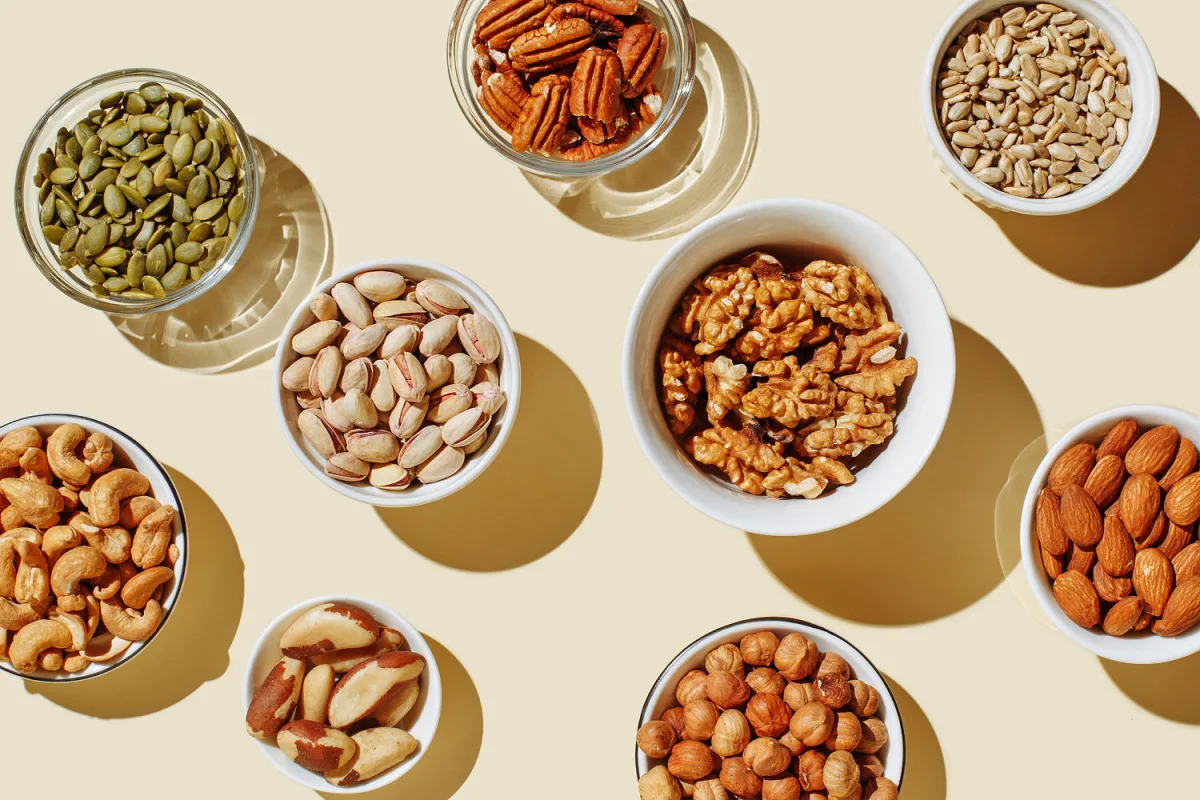
Nuts are a great source of healthy fats and nutrients, but not all nuts are created equal. According to dietitians, almonds are high in protein and rich in fiber, magnesium, and vitamin E, while walnuts provide omega-3 fats and support cardiovascular health. Brazil nuts offer a high dose of selenium, pistachios are rich in protein and antioxidants, and pecans are considered heart-healthy due to their antioxidants. Cashews, on the other hand, are good for blood pressure control and can be used as a dairy alternative in plant-based recipes.
Health experts recommend including lean proteins like chicken and fish, complex carbohydrates like whole grains, and healthy fats like avocados in a well-rounded gym diet. Additionally, incorporating fruits, vegetables, hydration, fiber, supplements, pre and probiotics, and anti-inflammatory foods can support muscle function and overall health. Consulting a nutritionist or dietitian can help create a personalized muscle gain diet plan based on individual nutrient needs.