Tag

Dietary Guidelines

All articles tagged with #dietary guidelines

Sugar in moderation: a nuanced path beyond zero sugar
health1 day ago

Sugar in moderation: a nuanced path beyond zero sugar

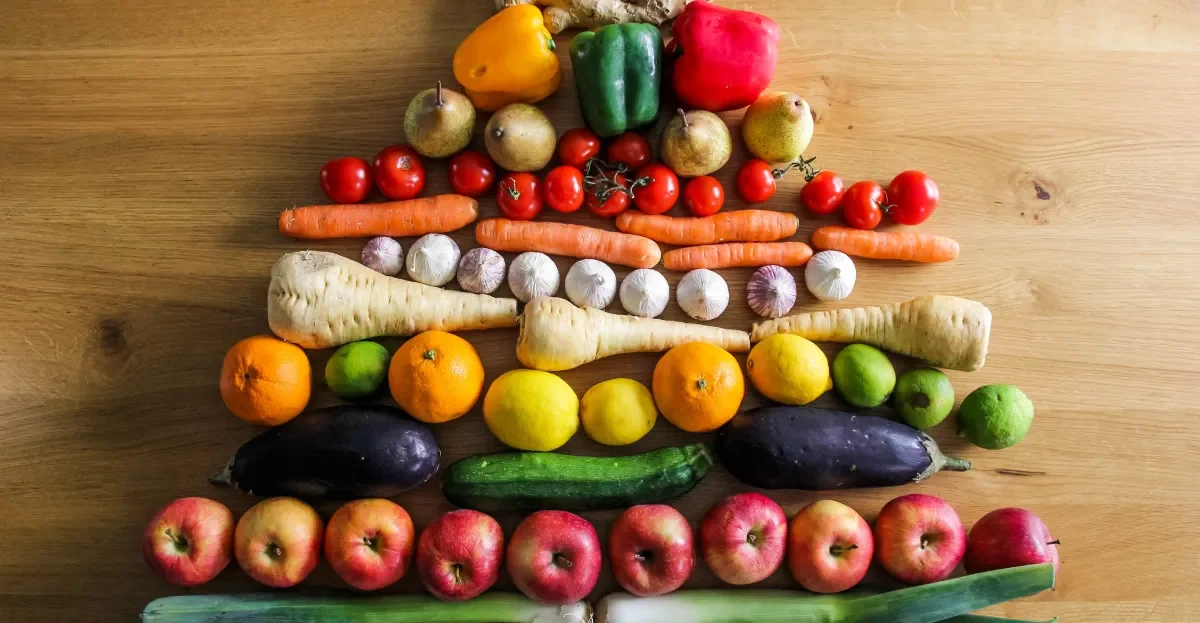
The article argues that while added sugars are linked to diabetes, hypertension, and heart disease, naturally occurring sugars in fruit and whole foods come with fiber and nutrients and are not worrisome. Dietary guidelines aim to limit added sugars, especially in drinks, rather than abolish sugar entirely. The piece also cautions against extreme zero-sugar diets and highlights metabolic flexibility—the ability to adapt to different energy sources—as a reason to avoid strict elimination. The takeaway is to keep added sugar on the low side, enjoy fruits and whole grains, limit sugary beverages, and avoid food anxiety or orthorexia while allowing occasional treats at celebrations.

Protein demystified: how much you need and where it comes from
health6 days ago

Protein demystified: how much you need and where it comes from

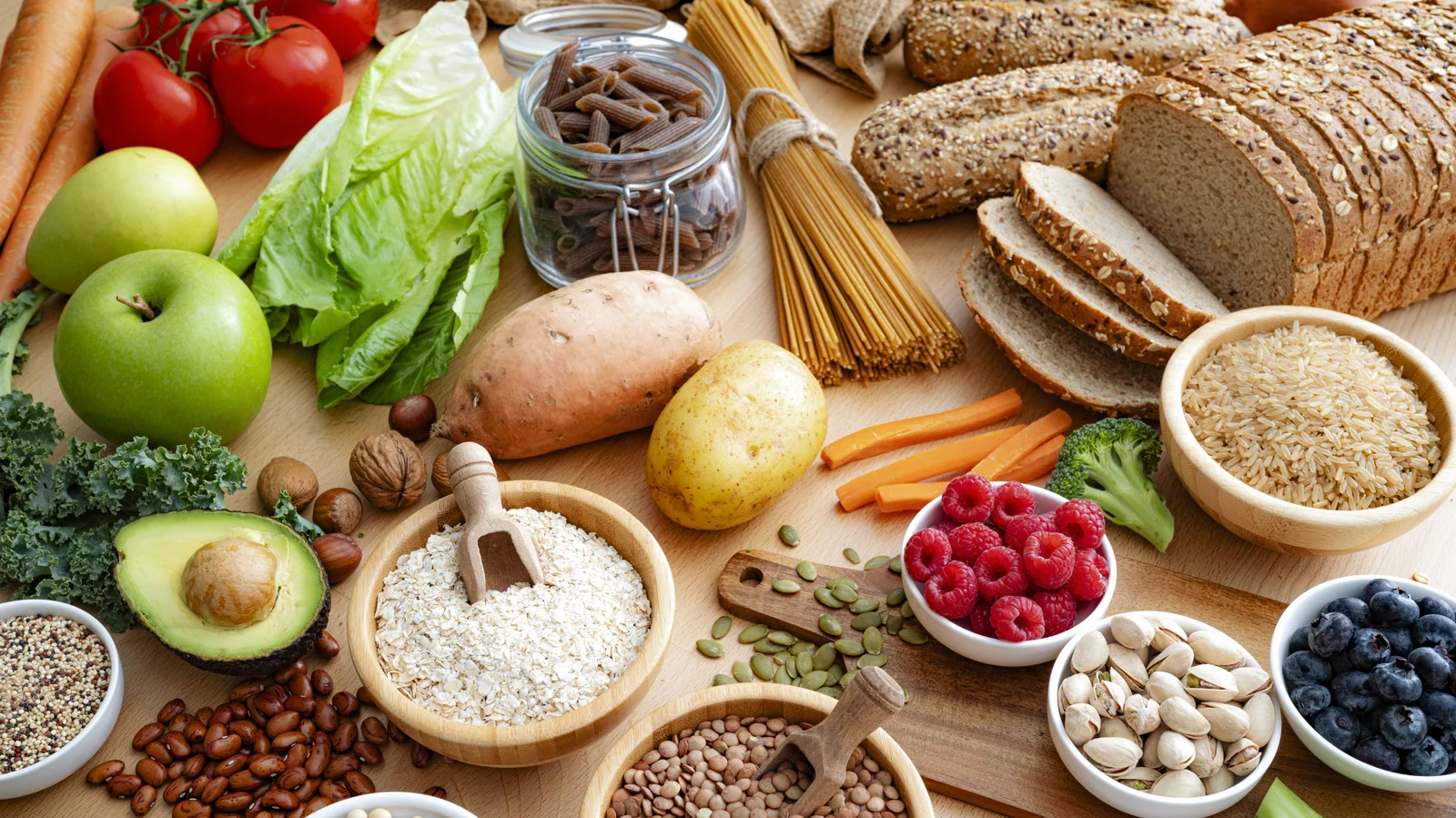
Dietitians explain that new federal guidelines encourage steady protein every meal, totaling roughly 1.2–1.6 g/kg daily, but most experts still aim for about 0.8 g/kg depending on age, activity, and life stage. The piece covers protein sources (meat, dairy, beans, lentils, tofu, quinoa) and offers practical gram examples for common foods; it also notes that too much protein can crowd out fiber and other nutrients and may pose risks for kidney health and heart disease, so balance and variety are key.

Pollan’s Guide to Eating: Real Food, Fewer Ultra-Processed Options
health13 days ago

Pollan’s Guide to Eating: Real Food, Fewer Ultra-Processed Options

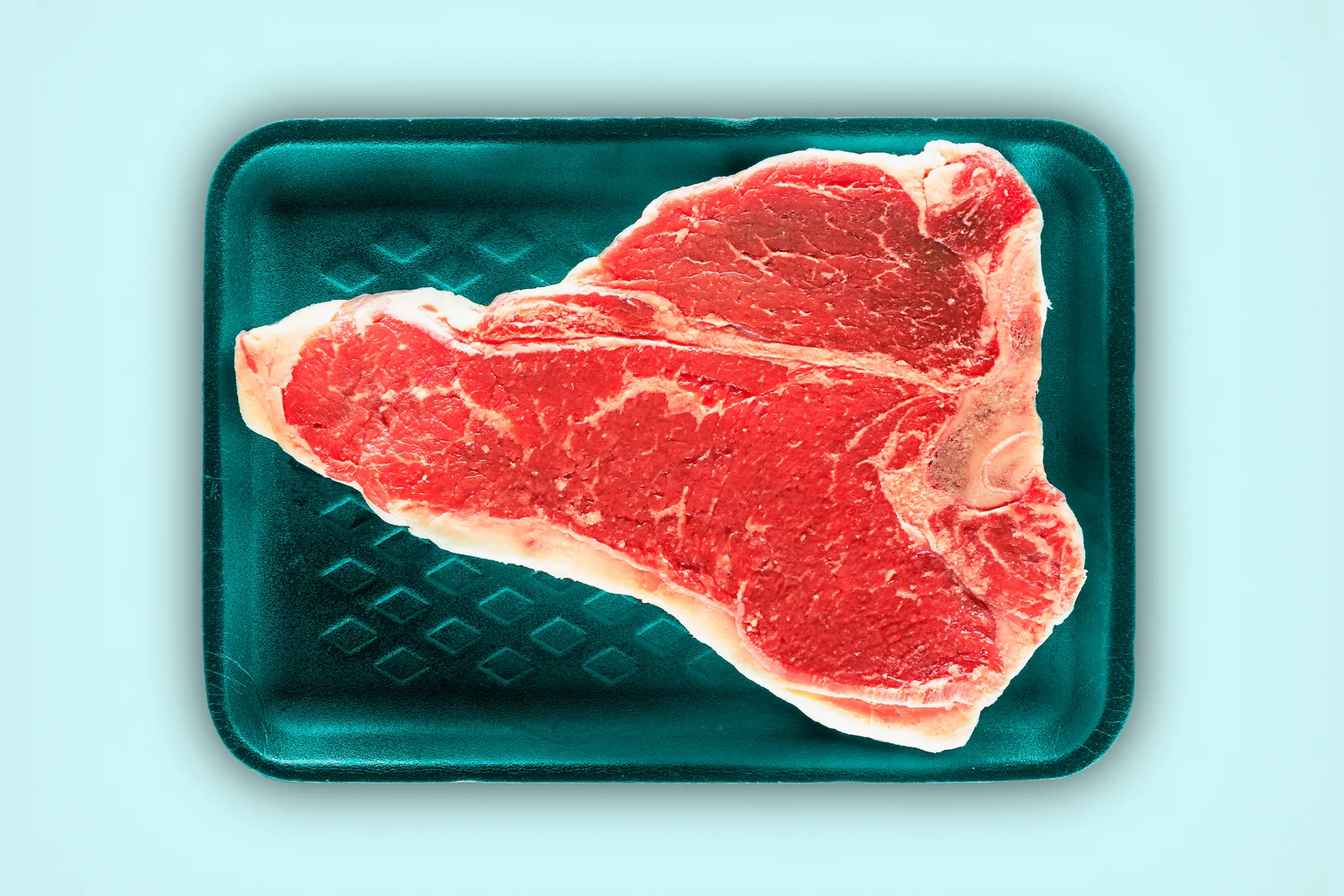
CBS News highlights that ultraprocessed foods are linked to obesity and chronic diseases; FDA former head Kessler and author Michael Pollan discuss evidence that these foods alter metabolism and drive overeating. NIH research shows people on ultraprocessed diets consume about 500 more calories daily; Pollan recommending eating real food, mostly plants, avoiding ingredients a third-grader cannot pronounce, shopping the supermarket perimeter, cooking at home, and advocating policy changes to subsidize healthier calories.

Two Health Announcements, Diverging Paths to Trust
opinion1 month ago

Two Health Announcements, Diverging Paths to Trust

Emily Oster weighs two January HHS moves under RFK Jr.: a controversial overhaul of the childhood vaccine schedule and a streamlined set of dietary guidelines. She argues the vaccine changes lack new safety evidence and risk eroding trust, while the dietary guidelines largely reflect prior data and could improve public understanding if communicated clearly. The piece underscores how trust in public health is fragile, and linking skeptical vaccine messaging with seemingly reasonable dietary guidance creates a difficult messaging environment.

Protein Hype Meets Reality: How Much Do You Really Need?
health1 month ago

Protein Hype Meets Reality: How Much Do You Really Need?

The latest U.S. dietary guidelines raise the recommended daily protein intake by 50% to 100% above prior levels, but most Americans already meet these needs. Experts emphasize choosing high-quality protein sources and maintaining a balanced diet with carbohydrates and fats, while recognizing individual needs based on weight, activity, and health. Food brands are increasingly marketing protein-forward products, which can mislead; consumers should watch for added sugars and additives. Excess protein isn’t risky for healthy people, but could be problematic for kidney or liver disease and may crowd out other nutrients.

Real-food reform vs. real-world barriers: why RFK Jr.'s diet plan stalls
health-policy1 month ago

Real-food reform vs. real-world barriers: why RFK Jr.'s diet plan stalls

Vox critiques RFK Jr.’s push to treat food as medicine via an inverted food pyramid, saying his emphasis on personal responsibility overlooks structural barriers that make healthy eating hard, such as food deserts and cost, even as dietary guidelines move toward fewer ultra-processed foods. Experts warn that equating nutrition with medical treatment risks sidelining conventional medicine. While some policy steps (SNAP, school lunch/WIC reforms) are welcome, lasting change requires broader environmental reforms alongside medical strategies.

Wisconsin experts push for clear alcohol guidance after U.S. dietary guidelines drop numeric limits
health1 month ago

Wisconsin experts push for clear alcohol guidance after U.S. dietary guidelines drop numeric limits

New U.S. dietary guidelines urge Americans to consume less alcohol but drop explicit moderation limits, prompting Wisconsin public-health advocates to call for clearer serving guidance and risk information as alcohol-related liver disease and cancer rise in the state; the shift sparks discussion about warning labels and social norms, including Dry January.

RFK Jr.'s 'Protein War' Claim Exposes Diet-Politics Split
politics1 month ago

RFK Jr.'s 'Protein War' Claim Exposes Diet-Politics Split

RFK Jr. announced via a White House post that the 2025–2030 Dietary Guidelines would 'end the war on protein' and push more animal protein, but experts say there is no such war and Americans already consume high levels of protein. The piece frames the move as optics tied to masculinity and MAGA politics, amid broader debates over dietary guidance and the role of marketing in shaping protein consumption.

New Dietary Guidelines: Affordability Varies as Protein Demands Shift Costs
health1 month ago

New Dietary Guidelines: Affordability Varies as Protein Demands Shift Costs

Economists using a MAHA-style exercise tested the cost of diets that meet the new US dietary guidelines and found mixed affordability: avoiding ultra-processed foods can be cheaper, but higher protein recommendations and some animal proteins raise costs. In two sample daily plans, costs were $8.59 and $5.08, with the cheaper plan lacking sufficient calories and fat, highlighting that cost, time, and access shape how people actually follow the guidelines. The results show some affordable, nutritious paths and some that are not, underscoring the challenge of messaging affordability in dietary policy.

Upside-down food pyramid pushes a fat-forward, meat-heavy diet debate
health1 month ago

Upside-down food pyramid pushes a fat-forward, meat-heavy diet debate

Health Secretary RFK Jr. unveiled 2026 dietary guidelines that flip the traditional MyPlate into an upside-down pyramid, highlighting high-quality fats (including beef tallow) and higher protein intake. Prominent longevity advocates applauded the shift toward whole foods, while some experts and commentators questioned the emphasis on red meat and questioned environmental and ethical implications. The recommendations call for increasing protein from 0.8 g/kg to 1.2–1.6 g/kg, with critics noting potential effects on animal welfare and climate, and supporters framing the change as a move away from ultraprocessed foods toward nutrient-dense options.

New Law Reintroduces Whole Milk in U.S. School Cafeterias
politics1 month ago

New Law Reintroduces Whole Milk in U.S. School Cafeterias

President Trump signed the Whole Milk for Healthy Kids Act, revoking Obama-era limits to allow whole and 2% milk (and nondairy options meeting nutrition standards) in schools participating in the National School Lunch Program, affecting about 30 million students. The rollout could begin this fall as schools adjust, and the move aligns with new Dietary Guidelines emphasizing full-fat dairy with no added sugars, though flavored milks may face restrictions under those guidelines.