Research indicates that consuming high-quality, natural carbohydrates like whole grains, fruits, vegetables, and legumes during midlife can significantly increase the likelihood of healthy aging, while refined carbs may have a negative impact. The study suggests that these healthy carbs could help extend life and reduce chronic illnesses in older age.
Eating a snack with carbs and protein within an hour after exercise supports muscle recovery, with top foods including chicken, fish, sweet potatoes, quinoa, salmon, chocolate milk, cottage cheese, eggs, bananas, spinach, and berries. Avoid alcohol, salty, sugary, ultra-processed, and spicy foods post-workout. Additional recovery tips include stretching, hydration, sleep, active recovery, massage, and ice baths.
A health expert warns that the high carbohydrate content of traditional Indian diets, mainly white rice and refined wheat, significantly increases the risk of diabetes, suggesting small dietary adjustments like replacing 5% of carbs with protein sources such as dairy, eggs, or fish can reduce this risk.
Reducing carbohydrate intake can aid weight loss by helping to create a calorie deficit, but it is important to focus on the quality of carbs, favoring high-fiber options and balancing meals with protein and healthy fats. Completely cutting out carbs is not necessary or recommended, especially around exercise days, and a balanced diet is key for overall health.
Registered dietitians advise people over 50 to increase their intake of complex carbohydrates, such as whole grains, beans, and vegetables, to boost energy levels and prevent fatigue, emphasizing that carbs are essential for energy production and should not be avoided for fear of weight gain.
Originally Published 4 months ago — by MindBodyGreen
New research shows that the type of carbohydrates consumed can reprogram gut bacteria, influencing their interaction with the immune system. Beneficial bacteria like Bacteroides thetaiotaomicron can switch behaviors based on dietary carbs, with whole food, fiber-rich carbs promoting anti-inflammatory responses, while processed sugars can trigger inflammation and weaken immunity. Personalizing carbohydrate intake and diversifying sources can support gut health and immune function.
Belly fat is influenced by factors beyond genetics, including high carbohydrate intake, stress and poor sleep, insufficient intense exercise, processed foods and dairy consumption, and lifestyle choices. Addressing these areas through diet, stress management, and targeted exercise can help reduce belly fat.
Eating habits significantly influence sleep quality, with recommendations including having the last meal at least two hours before bed, choosing appropriate meal sizes, and including vegetables and possibly tryptophan-rich foods, though light exposure remains a key factor in regulating sleep hormones. The relationship between diet and sleep is complex, with better sleep promoting healthier eating patterns overall.
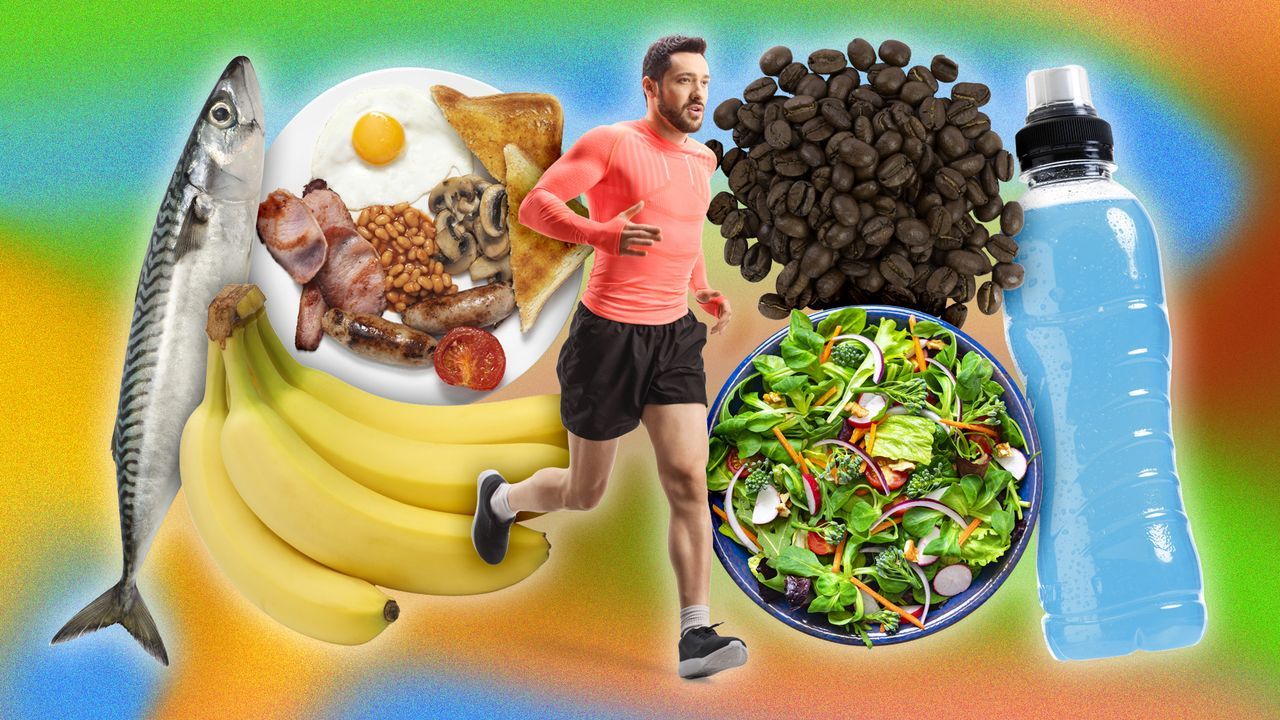
Proper nutrient timing around workouts is crucial for men to optimize performance and recovery. Men should eat a balanced meal with protein and carbs 30-60 minutes before exercise, and focus on protein and carbs within a few hours after. Avoid heavy, high-fat, or high-fiber foods before workouts to prevent discomfort, and steer clear of high-sugar snacks post-exercise that lack protein. Hydration is also key, especially in warm conditions.
The article discusses and debunks seven common myths about carbs and sugar, providing insights from dietitians and a doctor to clarify misconceptions and promote better understanding of these nutrients.
Effective pre-workout preparation emphasizes consuming carbs and protein a few hours before exercise, limiting fats and fiber to avoid discomfort, and using caffeine from coffee for a boost. Hydration with water is generally sufficient, and fasting before workouts is not recommended, especially for longer or more intense sessions. Overly complex supplements are often unnecessary for most people.
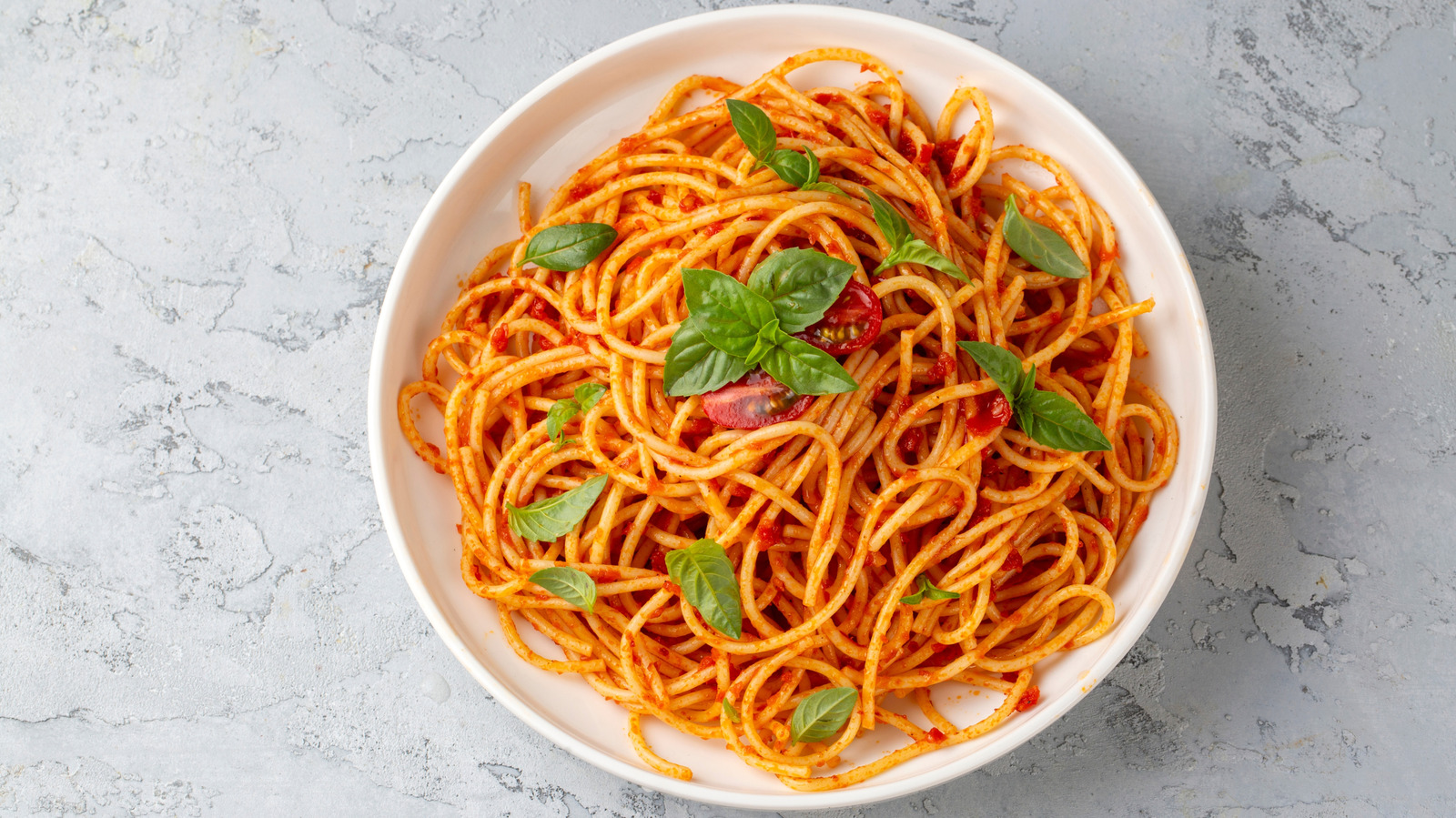
A 2023 study by Italian scientists found that eating pasta triggers positive emotional responses similar to listening to favorite music or watching sports, due to its effect on endorphin and serotonin levels, making it a comfort food that can boost mood and reduce stress.
A new study suggests that consuming high-quality carbohydrates, especially dietary fiber from whole grains, fruits, and vegetables, is linked to healthier aging and increased longevity, challenging the negative perception of carbs and emphasizing the importance of diet quality.
To reduce blood sugar spikes, incorporate fiber, protein, and healthy fats into meals, check food labels for sugar content, eat fiber-rich foods first, make smart food swaps, and take a short walk after eating to help stabilize blood glucose levels and prevent long-term health issues.
The article explains that cutting carbs drastically can backfire by causing nutritional deficiencies, low energy, and unsustainability. Instead, it advocates for a balanced approach that emphasizes choosing nutrient-dense, complex carbs like whole grains and fruits, while maintaining overall dietary flexibility and supporting gut health and energy levels.