Tag

Diabetes Risk

All articles tagged with #diabetes risk

health7 months ago

Diet Sodas and Sugary Drinks: Hidden Risks to Your Health

A recent study suggests that frequent consumption of diet sodas and artificial sweeteners like saccharin may significantly increase the risk of developing diabetes, challenging the common belief that they are a healthier alternative to sugary drinks. The research, based on a 30-year study, found that high intake of diet beverages was associated with a 129% higher risk of diabetes, highlighting the need for moderation and alternative hydration options like water or unsweetened drinks.

health7 months ago

Research Links Soft Drinks and Fruit Juices to Increased Diabetes Risk

A recent study suggests that frequent consumption of diet sodas and artificial sweeteners like saccharin may significantly increase the risk of developing diabetes, challenging the common belief that they are a healthier alternative to sugary drinks. The research, based on a 30-year study, found that high intake of diet beverages was associated with a 129% higher risk of diabetes, highlighting the need for moderation and alternative hydration options like water or unsweetened sparkling water.

health7 months ago

Common Drinks and Foods Linked to Increased Diabetes Risk, Experts Recommend Alternatives

A recent study suggests that drinking fruit juice increases the risk of type 2 diabetes due to high sugar content and lack of fiber, which can cause blood sugar spikes. Instead, healthier options include whole fruit smoothies, infused water, unsweetened coconut water, vegetable juices, and diluted traditional drinks like amla or aloe vera juice, which are gentler on blood sugar levels.

health-and-nutrition1 year ago

"Risks of Plant-Based Meat Analogues: Implications for Heart Health"

A study comparing the effects of plant-based meat diets to those including animal meat found no significant heart health benefits of plant-based meat diets over those including animal meat, challenging the notion that these alternatives offer the same health advantages as whole plant-based diets. The research suggests a need for the food industry to develop nutritionally enhanced and environmentally sustainable plant-based meat substitutes, as the nutritional differences between plant-based meat analogues and animal meats may impact heart and metabolic health. Experts caution that not all plant-based diets are created equal and emphasize the importance of focusing on whole, minimally processed foods for optimal cardiometabolic health.

health1 year ago

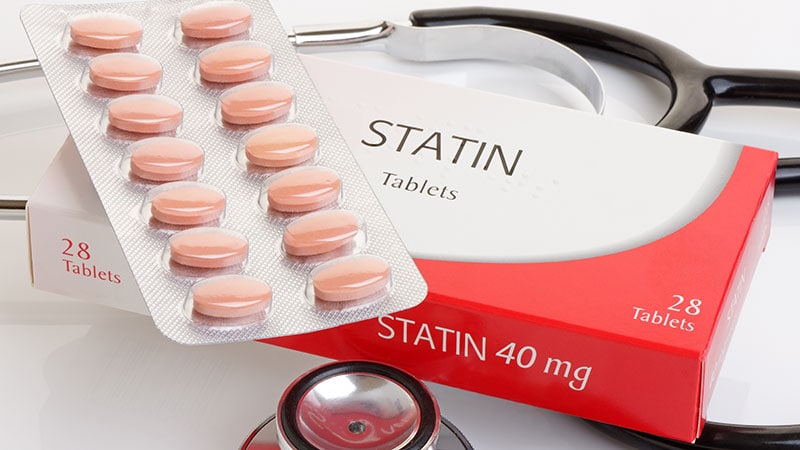
"Balancing Statin Risks: Diabetes Concerns vs. Cardiovascular Benefits"

A new analysis of 23 randomized trials involving 154,664 individuals suggests that statin therapy increases the risk of developing type 2 diabetes, particularly among those with elevated glucose levels, but the cardiovascular benefits of statins outweigh this risk. The study found that statins raise glucose levels and the risk of diabetes, but the benefits on major vascular events outweigh these risks. The authors recommend continued screening for diabetes and associated risk factors, as well as monitoring glycemic control according to current clinical guidelines. The findings emphasize the importance of holistic care and promoting strategies to prevent or delay diabetes in individuals prescribed statins.

health-sleep-research1 year ago

"Link Between Sleep Patterns and Diabetes Risk Uncovered by Researchers"

A study by Penn State's College of Health and Human Development tracked the sleep habits of nearly 3,700 participants over a decade and identified four distinct sleep categories: good sleepers, weekend catch-up sleepers, insomnia sleepers, and nappers. Insomniacs had a 28 to 81 percent higher risk of heart disease, diabetes, and depression, while nappers had a 128 percent increased risk for diabetes and a 62 percent increased risk for frailty. Environmental factors and lifestyle were found to play a significant role in sleep quality, and the study suggests that educating the public about good sleep health and promoting sleep hygiene behaviors could help reduce the risk of developing sleep-related problems.

health-and-science1 year ago

Study Links Caffeine Levels in Blood to Body Fat and Diabetes Risk

A 2023 study found that caffeine levels in the blood are linked to body fat levels, which in turn affect the risk of developing type 2 diabetes and cardiovascular diseases. The research, using genetic markers, suggests that higher plasma caffeine concentrations are associated with lower BMI and reduced risk of type 2 diabetes. However, no direct link was found between caffeine levels and cardiovascular diseases. While previous studies have shown some positive effects of caffeine on weight and fat mass reduction, more research is needed to confirm cause and effect, and to understand the long-term effects of caffeine intake.

health-and-nutrition2 years ago

"Plant-Based Diet Reduces Diabetes and Heart Disease Risk, Improves Organ Function"

A new study published in the journal Diabetes & Metabolism suggests that healthful plant-based diets can reduce the risk of type 2 diabetes by 24% over 12 years, while also improving kidney and liver function. Another study found that consuming just two servings of red meat per week could increase the risk of developing type 2 diabetes. As a result, many people, particularly younger individuals, are reducing their meat consumption, with movements like the Reducetarian Movement advocating for the positive effects of cutting down on meat. Additionally, plant-based diets not only benefit personal health but also have a positive impact on the environment, as meat and dairy farming is a significant source of pollution.

health2 years ago

The Link Between Walking Speed and Diabetes Risk

Walking at a pace of at least 2.5 miles per hour or faster can significantly lower the risk of developing type 2 diabetes, according to a new study. Faster walking speeds increase the intensity of physical activity, which can improve insulin sensitivity and lower insulin resistance, both of which are important factors in managing blood sugar levels. The study suggests incorporating walking speed into physical activity guidelines. It's important to note that any amount of walking, regardless of speed, is beneficial for overall health. To track walking speed, the "talk test" can be used, along with mobile apps, fitness bands, and smartwatches.