The FDA upgraded a nationwide cheese recall to Class I—the agency’s most serious risk category—after detecting Listeria monocytogenes at The Ambriola Company's New Jersey facility. While no illnesses have been confirmed, the recall’s escalation signals potential serious health risks for vulnerable groups. The affected products span multiple brands and formats (consumer packs and by-the-pound), including Locatelli Pecorino Romano, Boar’s Head, and others, totaling thousands of units recalled across numerous lot numbers.
A Swedish study suggests that higher consumption of full-fat cheese and cream may be linked to a lower risk of dementia, especially among those without genetic risk factors, but results should be interpreted with caution as overall diet and lifestyle factors play a significant role in brain health.
A study published in Neurology found that consuming high-fat cheese and cream is associated with a reduced risk of developing dementia, with those eating such cheeses having up to 16% lower risk. The research analyzed data from over 27,000 people and suggests that moderate intake of certain high-fat cheeses may benefit brain health, though moderation is advised due to potential impacts on cholesterol and heart health.
A 25-year Swedish study found that consuming 50 grams or more of high-fat cheese daily is associated with a 13% lower risk of developing dementia, challenging traditional views on dietary fats and brain health, though more research is needed to understand the mechanisms involved.
A Golden Retriever named Bentley humorously reacts with a sad face when no one pays the 'cheese tax' at a party, capturing hearts online with his expressive disappointment over missing out on cheese treats.
A 25-year Swedish study suggests that consuming higher amounts of high-fat cheese and cream may be linked to a lower risk of dementia, particularly vascular dementia, though the findings are observational and do not establish causation. The benefits were not seen with low-fat dairy or milk, and genetic factors like the APOE ε4 variant may influence individual responses. Experts advise moderation and caution against making major dietary changes based solely on this study.
A Japanese observational study suggests a modest association between cheese consumption and reduced dementia risk, but the effect size is small and influenced by regional dietary habits, with experts cautioning that cheese alone is not a protective factor and emphasizing moderation and overall diet quality.
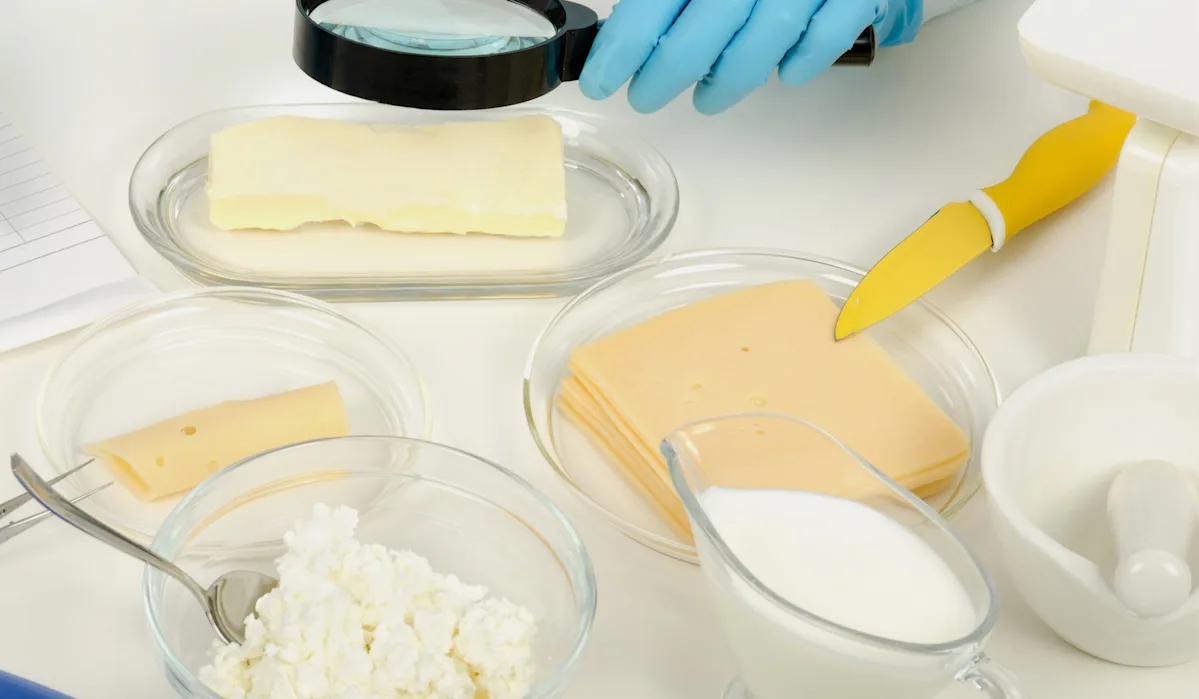
A study from the University of Padua found microplastics in 26 out of 28 dairy samples, especially in aged cheeses, raising concerns about toxicological effects and the widespread presence of plastic particles in food, likely originating from packaging, which pose health risks such as inflammation and organ damage.
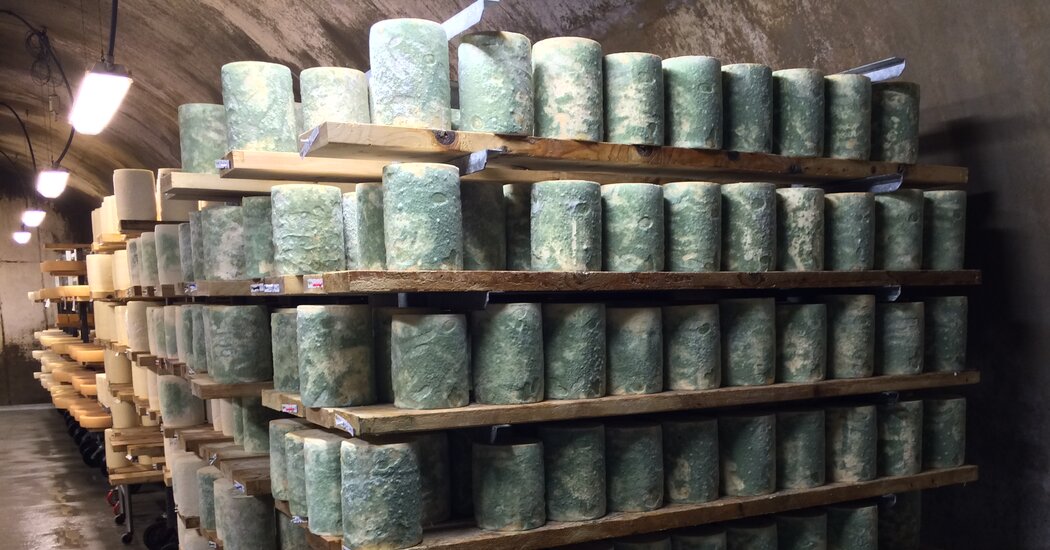
Scientists investigated why Bayley Hazen Blue cheese, traditionally mottled green, turned white over a few years, discovering microbial changes in the cheese's rind that caused the color shift.
Scientists observed rapid evolution in fungi on cheese rinds, where a mutation disrupting the alb1 gene led to a color change from green to white, demonstrating how environmental changes can drive genetic adaptation and offering insights for food security and medical research.
A study published in Frontiers in Psychology confirms that consuming cheese and other dairy products before sleep can increase the likelihood of nightmares, especially in individuals with food sensitivities or intolerances, and that late-night eating and poor diet choices can disrupt sleep quality and dream content.
A study suggests that consuming cheese and other foods before bed may influence dreams and nightmares, especially in individuals with food sensitivities or intolerances, and healthier eating habits are associated with better dream recall and fewer nightmares.
Certain cheeses like cottage cheese, Parmesan, mozzarella, feta, goat cheese, ricotta, and Swiss can support belly fat loss due to their high protein content, healthy fats, and nutrient profile, especially when consumed in moderation and paired with other healthy foods.
Cheese can be a good option for managing blood sugar levels in diabetics due to its low carbohydrate, high protein, and healthy fat content. The article highlights six cheeses—mozzarella, Parmesan, cottage cheese, aged cheddar, Swiss, and ricotta—that are particularly beneficial, emphasizing choosing low-fat or reduced-sodium varieties. It also recommends complementary strategies like walking after meals, increasing fiber intake, building balanced meals, prioritizing sleep, and planning meals to better control blood sugar levels.
A study suggests that excessive cheese consumption may increase the risk of colon cancer by disrupting gut bacteria and causing inflammation, although evidence is mixed and moderation is advised. Researchers found that high cheese intake reduces beneficial bacteria linked to gut health, potentially leading to increased cancer risk, but some studies indicate cheese might also have protective effects. Experts recommend colonoscopies and probiotics for prevention.