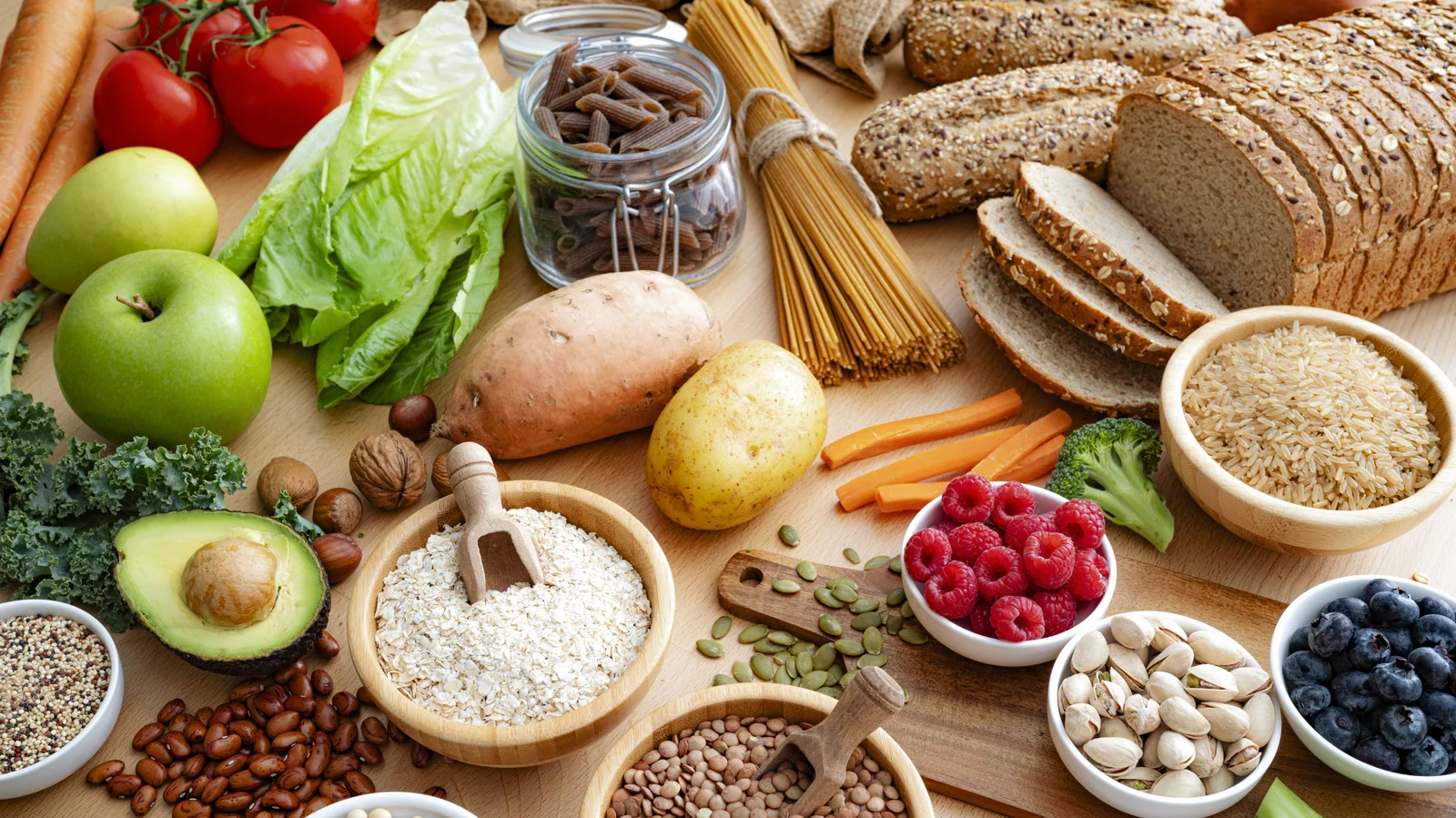
The article explains how fiber, water, sleep, and exercise play crucial roles in helping the body detoxify by removing toxins, supporting organ health, and improving overall well-being, emphasizing long-term lifestyle changes over quick fixes.
Kim Schewitz shares four time-saving habits to eat 30 different plant foods weekly for improved gut health, including freezing leafy greens, using pre-cooked grains, high-fiber breakfasts, and gamifying vegetable intake, all without meal prepping.
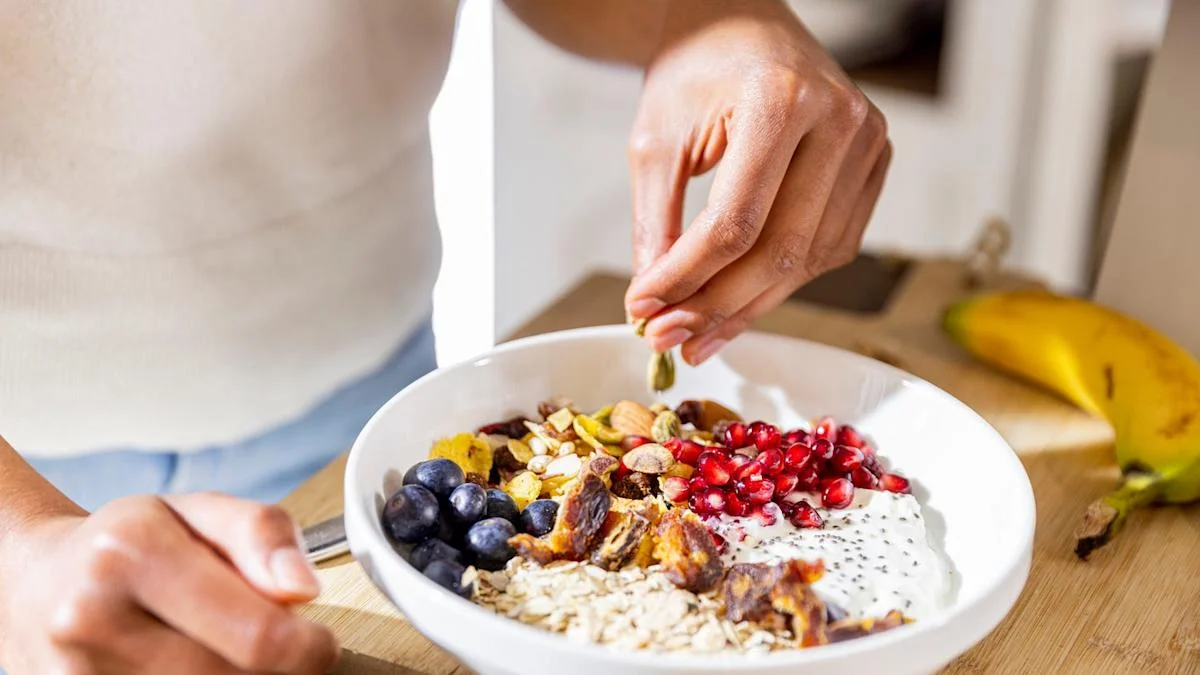
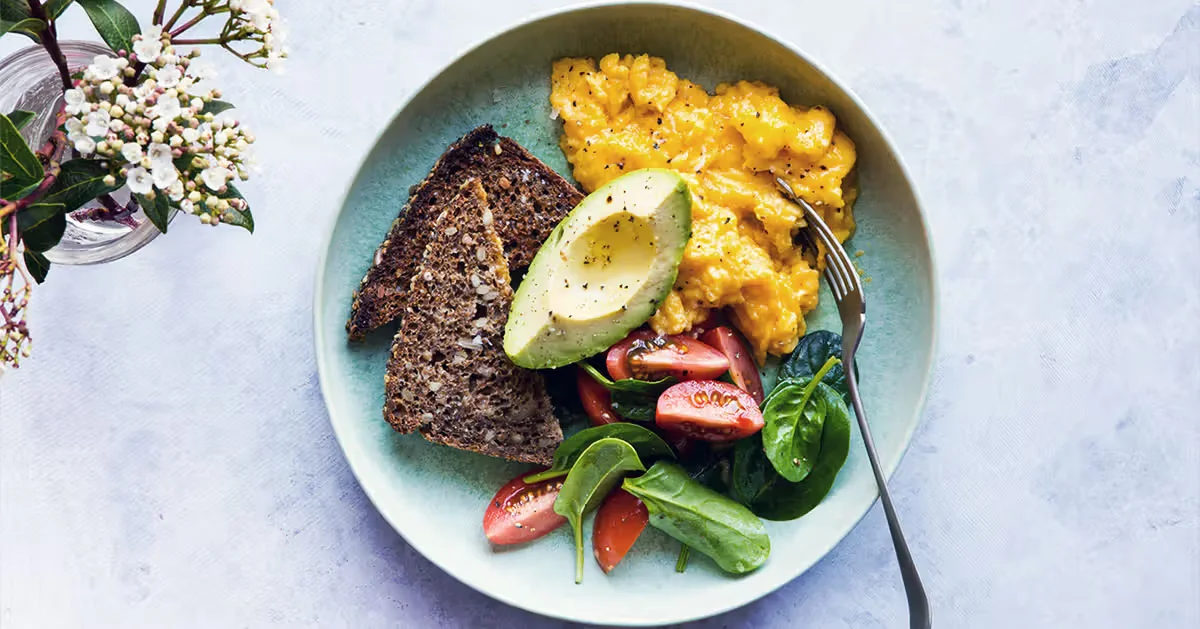
The best breakfast for fat loss is not a one-size-fits-all but should focus on maintaining a calorie deficit while emphasizing high-protein and high-fiber foods to promote satiety, blood sugar control, and overall nutrition. Incorporating variety and eating earlier in the day can further support weight loss efforts, with the key being sustainable, balanced choices rather than strict restrictions.
Most people don't consume enough fiber, which is vital for digestive health and disease prevention. The article emphasizes increasing intake through a variety of plant-based foods like fruits, vegetables, beans, nuts, and whole grains, while cautioning against excessive consumption, especially from supplements, to avoid negative side effects. Gradually increasing fiber and drinking plenty of water are recommended to safely boost intake.
Oatzempic, a fad involving oats blended into a drink, is not supported by scientific evidence as a weight-loss alternative like Ozempic. While oats can promote fullness due to their fiber content, they do not have the powerful hormonal effects of medication and should be part of a balanced diet rather than a standalone solution. Long-term weight management requires comprehensive lifestyle changes, not reliance on fad drinks.
Oatzempic is a social media trend involving oats blended with water or juice, claimed to promote weight loss by increasing fullness, but it lacks scientific evidence and does not work like the prescription drug Ozempic. While oats and other high-fiber foods can modestly improve appetite control and health, they are not a magic solution for weight loss. Sustainable weight management requires a balanced diet, physical activity, and lifestyle changes, not relying solely on fiber-rich drinks.
The article discusses effective methods to incorporate more fiber into your diet, emphasizing the health benefits of increased fiber intake and suggesting practical ways to achieve this through food choices.
Rob Hobson, a UK nutritionist, improved his high cholesterol through increased fiber intake by incorporating fiber-rich foods into every meal, using strategies like a dedicated 'fiber cupboard', eating high-fiber breakfasts, adding pulses to dishes, and keeping healthy foods visible to promote better eating habits.
In 2025, wellness trends like sensational social media hacks, ignoring gut health, and overusing supplements are being reconsidered. Experts suggest leaving behind quick fixes and embracing evidence-based habits, such as talking openly about gut health, increasing fiber intake, and using supplements judiciously, to promote long-term health in 2026.
Expert interviews highlight key diet tips including eating a variety of plant-based foods, focusing on fiber and protein, making healthy food choices accessible, and maintaining a balanced, sustainable diet to improve overall health and gut health.
Dr. Shubham Vatsya emphasizes that rotis are not the enemy and can be healthful if chosen wisely, recommending different grains like jowar, bajra, ragi, besan, and oats based on individual health goals such as managing diabetes, strengthening bones, or improving heart health, instead of avoiding rotis altogether.
Research indicates that consuming high-quality, natural carbohydrates like whole grains, fruits, vegetables, and legumes during midlife can significantly increase the likelihood of healthy aging, while refined carbs may have a negative impact. The study suggests that these healthy carbs could help extend life and reduce chronic illnesses in older age.
Experts warn that regularly consuming ultra-processed bagged potato chips can harm gut health by promoting inflammation, disrupting the microbiome, and increasing disease risk. They recommend healthier snacks like nuts, berries, legumes, and probiotic-rich yogurt to support gut health and reduce inflammation. Small, sustainable dietary changes are emphasized over strict diets.
The article highlights 8 foods—such as sweet potatoes, berries, lentils, leafy greens, yogurt, nuts, oats, and certain vegetables—that can help manage blood sugar levels in diabetics by improving insulin sensitivity, reducing inflammation, and providing steady energy release. Incorporating these nutrient-rich foods into the diet can support better diabetes control and overall metabolic health.
The article discusses how high LDL cholesterol is a major health risk in the U.S. and can be managed through diet and lifestyle changes, emphasizing foods like fiber-rich foods, plant-based proteins, fatty fish, nuts, seeds, and olive oil to lower cholesterol levels. Regular check-ups and healthy habits are crucial for long-term heart health.