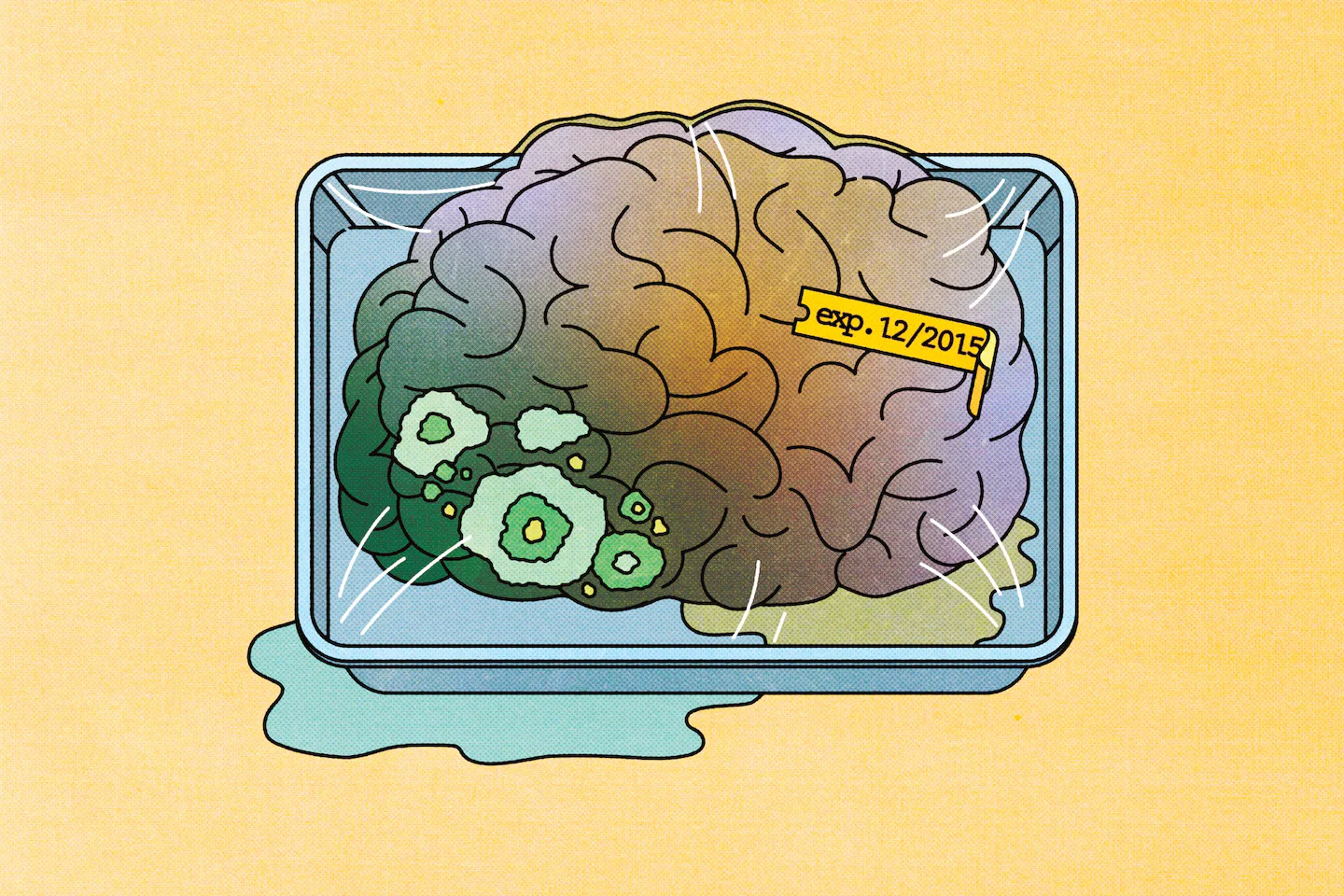
A meta-analysis shows that physical activity, especially cognitively complex sports like basketball or dance, significantly improves attention and focus, serving as a natural alternative or supplement to medication for attention-deficit disorder. Regular moderate exercise enhances brain function by increasing blood flow and releasing beneficial proteins, with timing and enjoyment being key factors for maximizing benefits.
A meta-analysis shows that resistance training and other forms of exercise can significantly improve cognitive functions in adults over 60, with resistance training being particularly effective for overall cognition and inhibitory control, highlighting the importance of staying active for brain health as we age.
Creatine, widely known for enhancing muscle strength, also offers significant benefits for brain health, energy regulation, and metabolic support, making it a versatile supplement for overall health and longevity.
The final day of the Brain Health Challenge emphasizes the importance of monitoring blood pressure, maintaining good sensory and oral health, and getting vaccinated to protect brain health and reduce the risk of stroke and dementia. Regular check-ups and lifestyle changes are key to preserving cognitive function.
The article emphasizes the importance of regular physical activity for brain health, highlighting how exercise improves cognitive functions, supports neuron growth, and reduces the risk of dementia, with walking and enjoyable activities being highly recommended.
The article introduces the 5-Day Brain Health Challenge, focusing on the MIND diet, which emphasizes foods like berries, leafy greens, nuts, fish, and whole grains to support brain health, reduce cognitive decline, and lower dementia risk, supported by scientific studies.
A 2022 study suggests that frequent nightmares in middle and older age may be early signs of dementia, especially in men, and treating nightmares could potentially slow cognitive decline. The research highlights the importance of sleep quality and dream analysis in assessing brain health and dementia risk.
Dancing is highlighted as a fun and effective way to reduce the risk of dementia by up to 76%, supported by scientific evidence as a beneficial activity for maintaining brain health as we age.
The article introduces a 5-day Brain Health Challenge emphasizing the importance of healthy habits like proper sleep, physical activity, social connection, and nutrition to improve and maintain brain health, reduce the risk of cognitive decline, and promote long-term brain resilience.
Dr Jeremy London shares four scientifically supported lifestyle strategies—regular movement, cognitive stimulation, social connection, and cardiovascular health—that can help slow down age-related cognitive decline and preserve mental sharpness into later life.
Clementines are a low-calorie, nutrient-rich fruit in season from October to January, packed with vitamin C, antioxidants, and B vitamins that boost immunity, improve skin, support digestion, and enhance brain function. Regular consumption may reduce cold severity, promote collagen production, fight inflammation, and potentially lower dementia and depression risks, but caution is advised for those on certain medications due to compounds like furanocoumarins.
Health coach Alejandra Ruff shares five science-backed strategies to support long-term brain health and reduce Alzheimer's risk, including prioritizing omega-3s, ensuring quality sleep, avoiding blood sugar spikes, staying active every 2-3 hours, and eating anti-inflammatory foods.
Consuming liquid sugar, especially through sugary drinks like soda and sweetened beverages, can cause long-term brain damage by inducing inflammation, insulin resistance, and cognitive decline, with particularly harmful effects on children and young adults. Artificial sweeteners may also accelerate mental decline, and reducing sugar intake by choosing healthier alternatives can help protect brain health.
Recent research indicates that moderate, structured gaming can enhance cognitive functions such as attention, multitasking, and learning, with benefits most notable during short, varied sessions. Excessive gaming, however, may diminish these benefits, emphasizing the importance of moderation and diversity in gaming habits.
Consuming liquid sugar, especially in sugary drinks like soda and sweetened beverages, can cause long-term brain damage by leading to insulin resistance, inflammation, and oxidative stress, which impair memory, focus, and increase dementia risk. Early exposure in children is linked to attention problems and ADHD, and artificial sweeteners may also accelerate cognitive decline. Reducing intake and replacing sugary drinks with water or unsweetened beverages can help protect brain health.