Fitness coach Julie Capozziello shares five tips to reverse insulin resistance and aid weight loss, emphasizing muscle building through resistance training, eating protein first, walking after meals, managing sleep and stress, and tracking data to inform behavior changes.
The article provides five dietary tips to help reverse or manage pre-diabetes, emphasizing whole foods, fiber-rich diets, healthy fats, portion control, and specific foods like cinnamon and bitter gourd that can lower blood sugar levels.
Devlin Donaldson, a 66-year-old CEO, reversed his type 2 diabetes and lost 18 kg in six months by using a health-tracking app that monitored his diet, exercise, sleep, and medications. By prioritizing vegetables, nuts, sleep, and taking apple cider vinegar and multivitamins, he saw significant health improvements and went into diabetes remission. Despite recent health issues requiring medication, he remains optimistic about becoming medication-free again.
Prediabetes, a condition where blood sugar is higher than normal but not high enough to be diagnosed as diabetes, can be managed and even reversed with lifestyle changes. Registered dietitians recommend avoiding skipping meals, as it can lead to irregular blood sugar patterns, increased appetite, and difficulty managing blood sugar levels. Instead, they suggest making time for daily physical activity, following the Diabetes Plate Method, choosing low-glycemic foods, and planning ahead to ensure regular, balanced meals, which can help stabilize blood sugar levels and support overall health.
Leafy greens, berries, fatty fish, nuts and seeds, and legumes are top foods to manage blood sugar as they have minimal impact on blood sugar levels, improve insulin sensitivity, and help stabilize insulin levels. These foods are rich in fibre, vitamins, and healthy fats, and have a low glycaemic index, making them beneficial for individuals looking to maintain stable blood sugar levels.
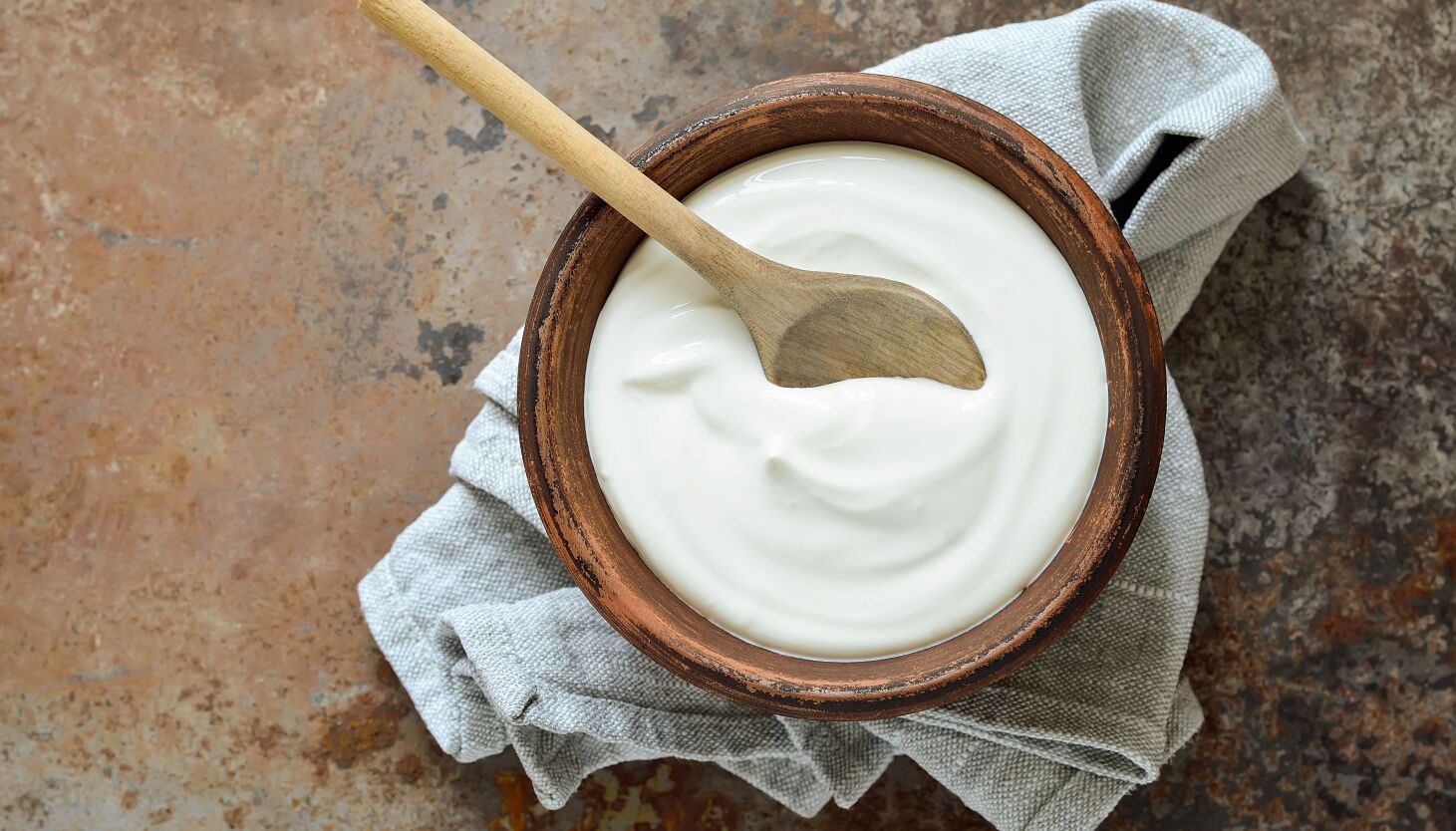
For individuals with diabetes or prediabetes, incorporating superfoods like Greek yogurt, fatty fish, nuts, dark leafy greens, beans, olive oil, flaxseeds, and eggs into their diet can help stabilize blood sugar levels and prevent serious health conditions associated with diabetes. These superfoods are rich in nutrients such as protein, fiber, omega-3 fatty acids, and healthy fats, and have been shown to have positive effects on heart health, weight management, and blood sugar control. Making simple dietary changes can be advantageous in managing diabetes and promoting overall health.
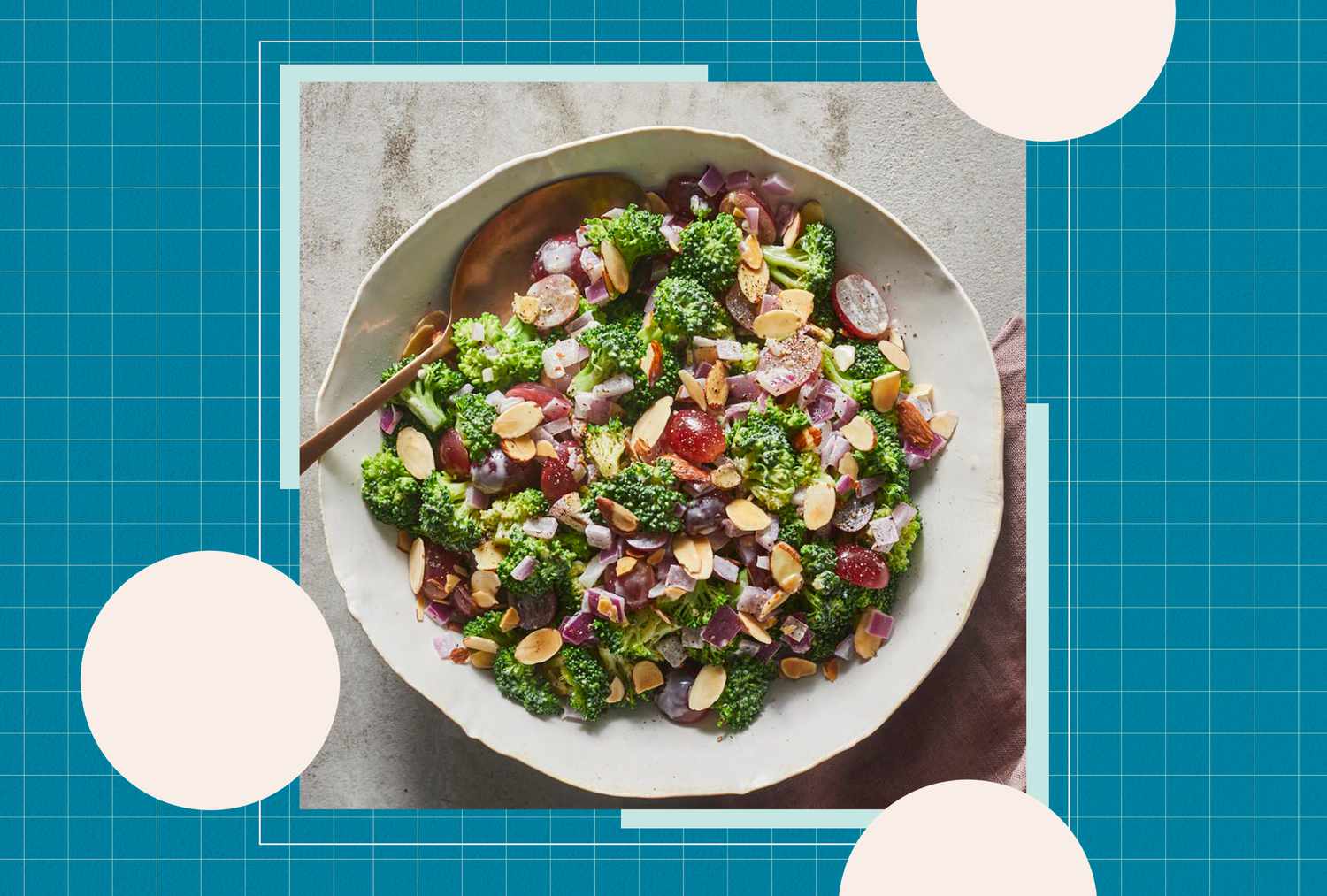
Broccoli is recommended as the top vegetable for lowering blood sugar levels due to its low carbohydrate content and high fiber content, which minimally affects blood sugar levels. It also contains sulforaphane, a compound that may help manage high blood sugar and insulin resistance. Additionally, broccoli helps with hydration and is affordable and versatile in cooking. However, individuals who are not accustomed to eating broccoli may experience gas and bloating initially, and those taking blood-thinning medications should monitor their intake of vitamin K-rich foods.
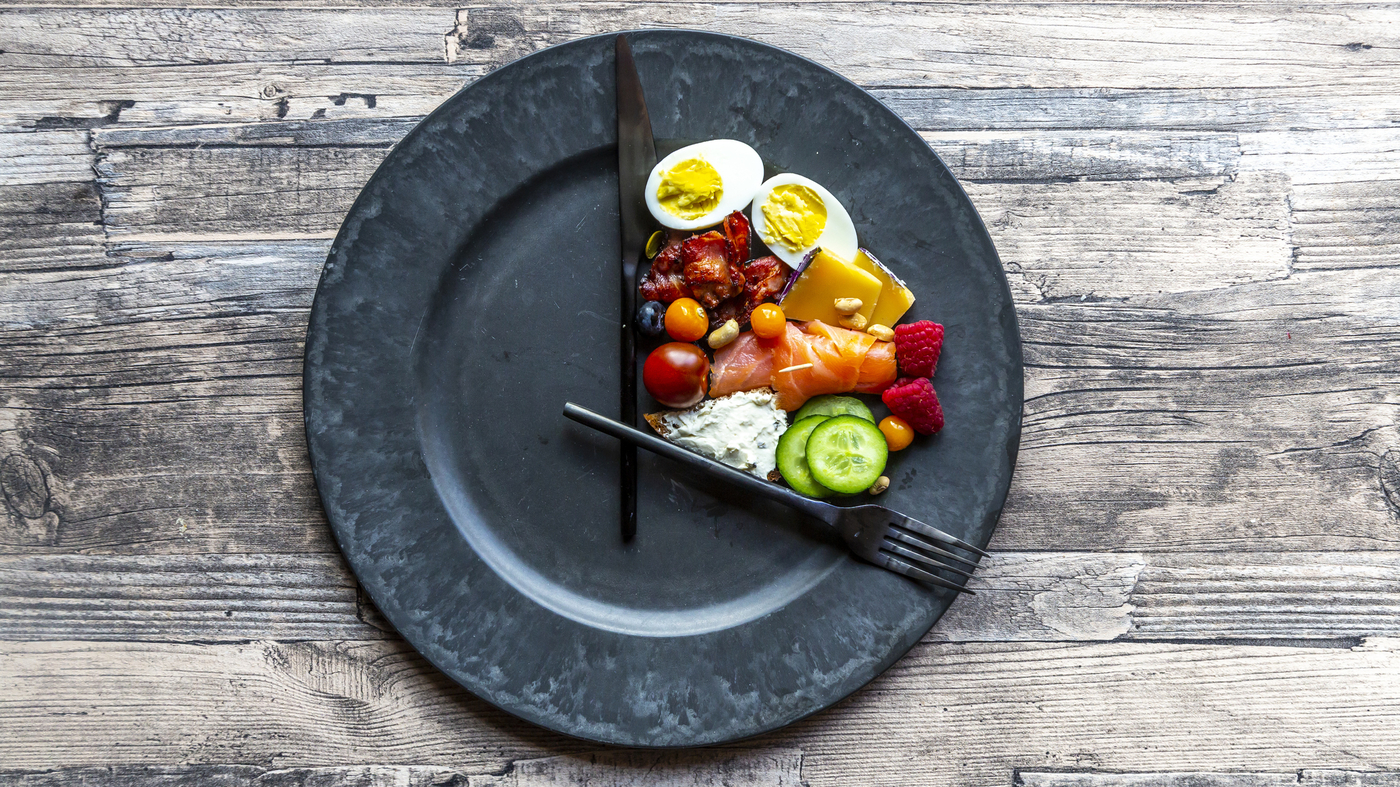
A new study published in JAMA Open suggests that intermittent fasting, specifically limiting eating to an 8-hour window each day, can be a safe and effective strategy for managing Type 2 diabetes. The study found that time-restricted eating led to similar improvements in blood sugar levels as calorie-counting, but resulted in nearly double the amount of weight loss. While larger trials are needed, the findings add to the growing evidence that time-restricted eating can benefit those with high blood pressure, elevated blood sugar, and other cardiovascular and metabolic health issues. However, individuals with Type 2 diabetes should consult with a healthcare professional before attempting intermittent fasting.
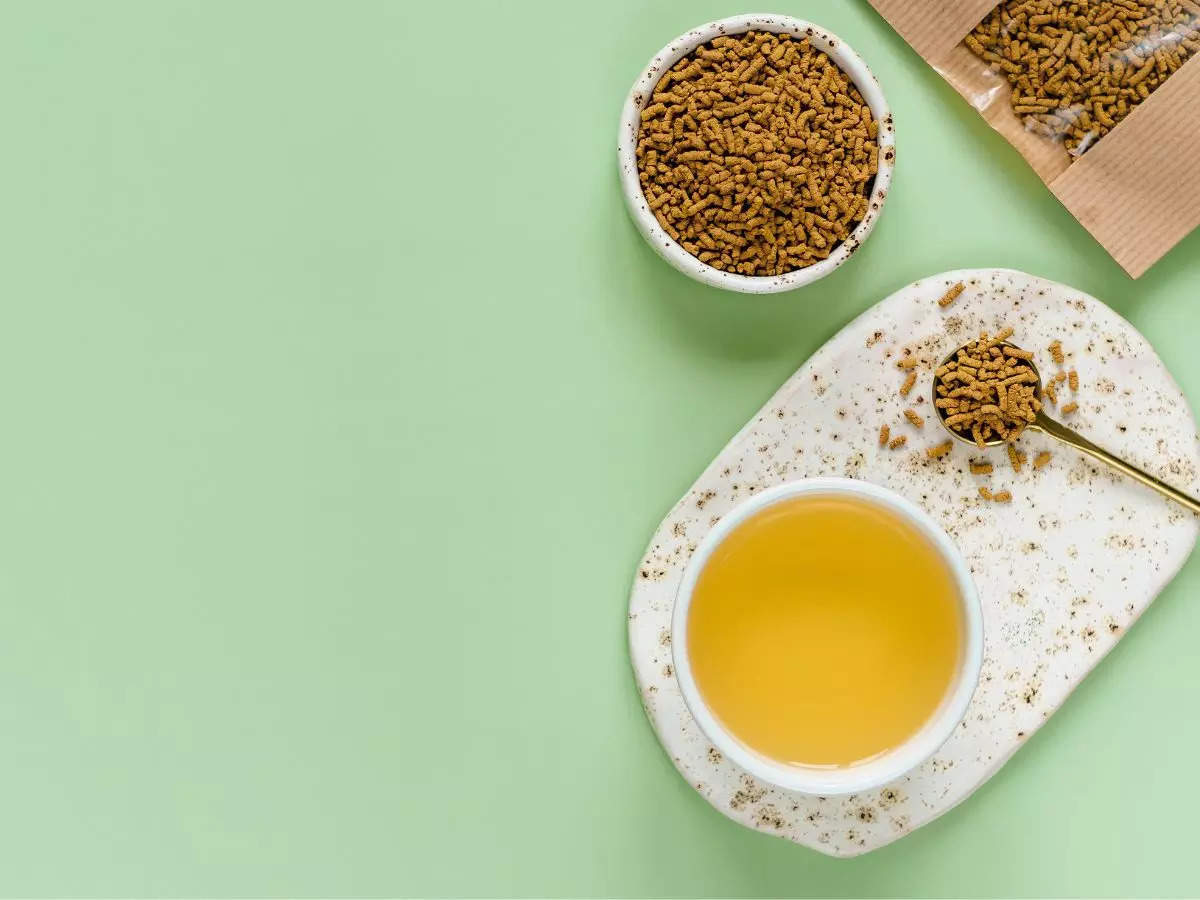
Buckwheat tea, also known as soba tea, is a gluten-free beverage made from roasted buckwheat groats. Packed with antioxidants, it can help prevent chronic diseases and protect heart health by lowering blood pressure and bad cholesterol. It is also beneficial for weight management due to its low calorie content. Buckwheat tea may help manage blood sugar levels and improve digestion, making it a good choice for those with diabetes or digestive issues. Additionally, it is a nutritious option, rich in magnesium, manganese, and B vitamins.
A dietitian recommends seven anti-inflammatory snacks from Costco that can help manage blood sugar levels. The snacks should ideally have fewer than 200 calories, no more than 2 grams of saturated fat, two or fewer carbohydrate servings, 360 milligrams or less of sodium, 3 or more grams of fiber, 4 grams or less of added sugars, antioxidants, omega-3 fatty acids, and at least 7 grams of protein. The recommended snacks include ready-to-drink protein shakes, low-sugar Greek yogurt, plant-based snack bars, nuts (especially walnuts), dried fruits (such as prunes), bean-based crisps, and cereal. Costco offers these snacks at affordable prices, making it a great option for those looking for healthy and budget-friendly choices.
A nutritionist recommends three morning drinks to help manage blood sugar levels in individuals with diabetes. The first drink is methi seeds water, which contains soluble fibers that delay the absorption of sugars and amino acids that stimulate insulin release. The second drink is giloy water, which contains berberine, a compound that has been shown to reduce blood sugar levels. Lastly, cinnamon tea can help stabilize blood glucose levels by increasing glycogen storage. It is important to consult with an expert before incorporating these drinks into your diet.
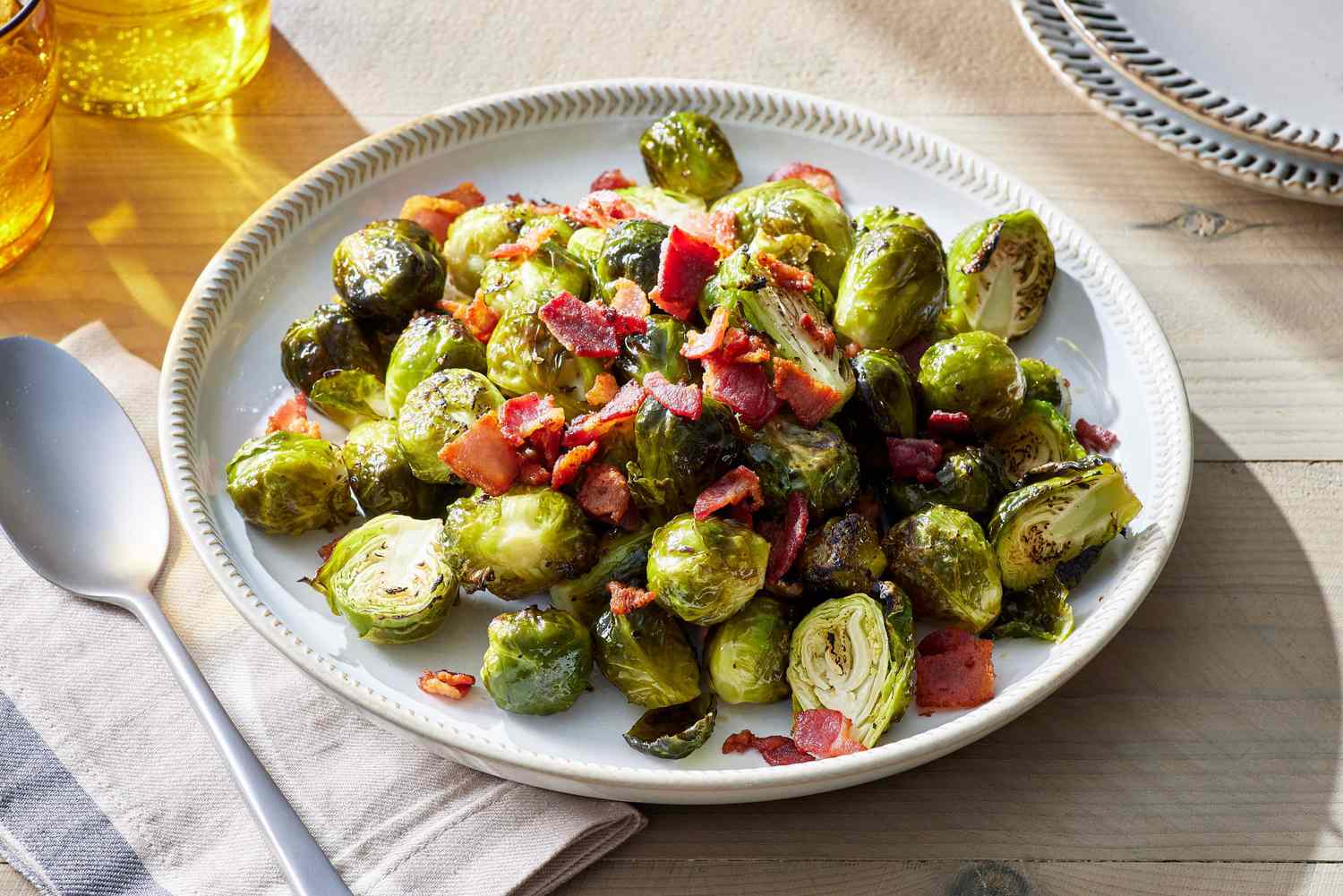
Dietitians recommend incorporating low-carb vegetables like spinach, kale, cauliflower, zucchini, artichokes, broccoli, asparagus, and Brussels sprouts into a balanced diet. These vegetables are packed with essential nutrients, high in fiber, and have a minimal impact on blood sugar levels, making them suitable for individuals with conditions like diabetes. Including these veggies in meals can provide sustained energy and offer various health benefits.
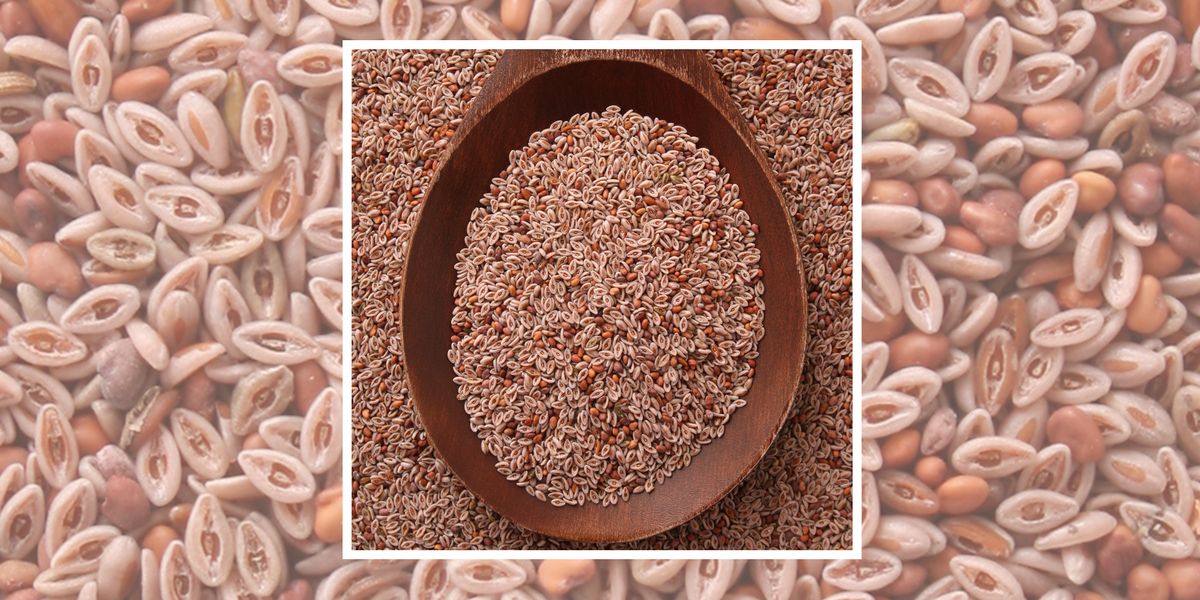
Psyllium husk, a fiber supplement, is being dubbed "the poor man's Ozempic" as an alternative to the prescription drug for weight loss. While psyllium husk offers benefits such as constipation relief, blood sugar management, and lowered cholesterol, it does not cause significant weight loss on its own. It works by promoting satiety and regulating blood sugar levels. However, it is important to follow recommended dosing and consult a doctor before adding any supplements to your diet. Psyllium husk is safe for most individuals, but excessive consumption can lead to side effects such as gas and constipation. Overall, it can be a helpful supplement as part of a comprehensive approach to weight management, but lifestyle and dietary changes are also recommended.
A 7-day anti-inflammatory meal plan has been created by a dietitian to help manage insulin resistance, a condition that can lead to prediabetes and type 2 diabetes. The meal plan focuses on incorporating anti-inflammatory foods and high-fiber options to reduce chronic inflammation and improve blood sugar management. It includes three meals and snacks per day, with modifications for different calorie needs. Strategies such as exercise, weight loss, regular meals, reducing added sugar and refined carbs, and increasing fiber and protein intake are also recommended to prevent and improve insulin resistance.
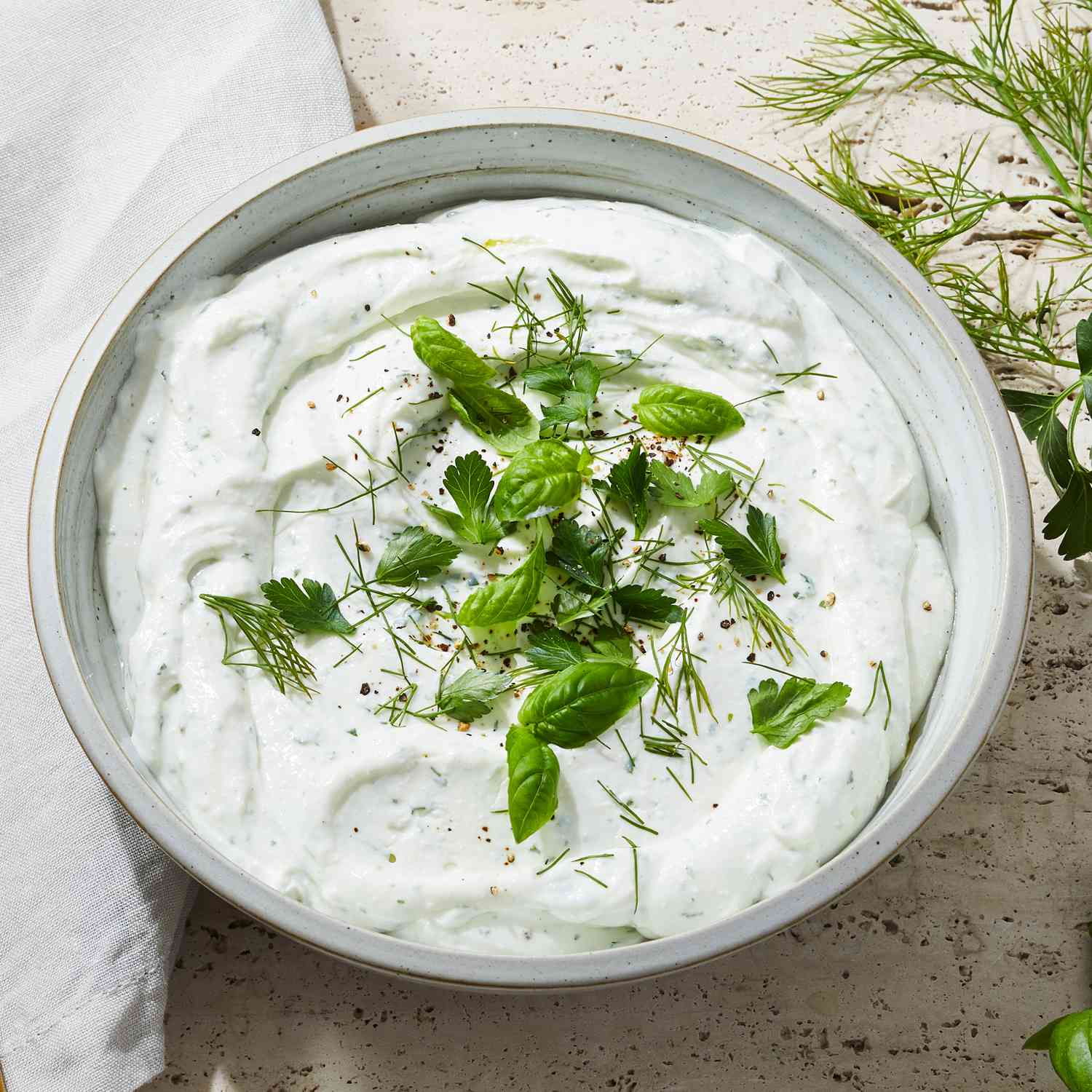
Managing blood sugar levels is crucial for individuals with diabetes, and dietary changes can play a significant role. Contrary to popular belief, it is not necessary to eliminate or drastically reduce carb intake. Incorporating high-protein carbs into the diet can help offset blood sugar spikes. Some examples of high-protein carbs include beans, yogurt, and legume pasta. These foods provide protein and fiber, which slow down digestion and promote satisfaction. It is important to choose carbs that are high in fiber and protein to stabilize blood sugars. Working with a healthcare provider can help individuals with diabetes find the best dietary approach for their needs.