Tag

Diet

All articles tagged with #diet

Rise of bowel cancer in under-50s prompts risk-factor clues and urgent habit changes
health5 hours ago

Rise of bowel cancer in under-50s prompts risk-factor clues and urgent habit changes

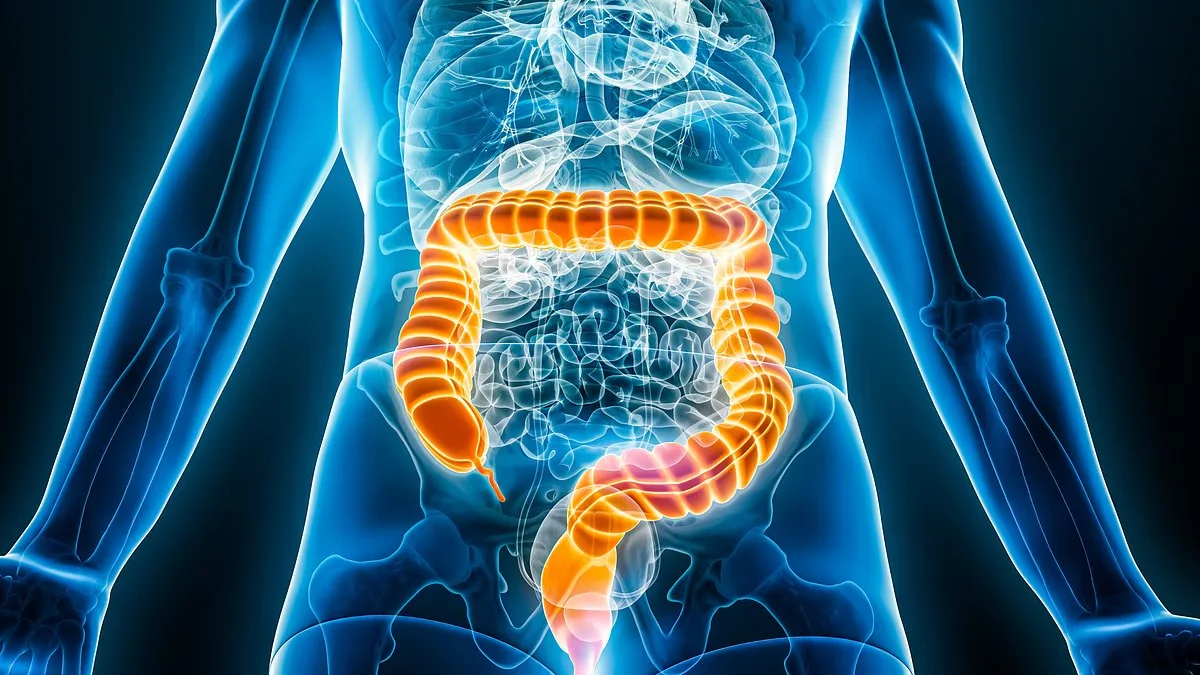
Bowel cancer is rising among people under 50, prompting a Prospect study at King’s College London to identify common traits among younger patients; in the meantime, experts outline plausible risk factors you can act on now, including 50g/day of processed meat (about two bacon rashers) raising risk by ~18%, sugary drinks, ultra-processed foods, low daily fiber, alcohol consumed on an empty stomach, inflammatory bowel disease, and sedentary lifestyle. With an estimated 50–60% of cases potentially preventable, practical steps include boosting fiber intake, cutting processed/ultra-processed foods, reducing sugary drinks, avoiding alcohol on an empty stomach, and staying physically active.
Vegetarian diets linked to lower risk for several cancers, Oxford study finds
health10 hours ago

Vegetarian diets linked to lower risk for several cancers, Oxford study finds

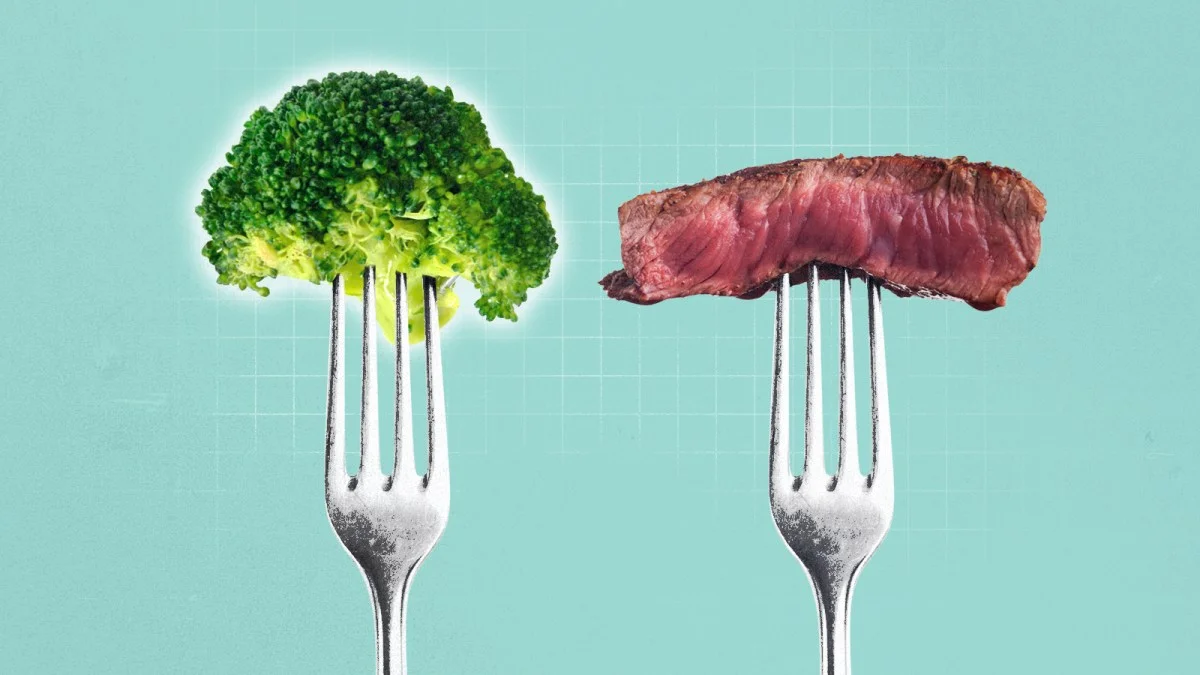
A large Oxford-led analysis combining data from around 1.64 million meat eaters and vegetarians found vegetarians have lower risks of pancreatic (21%), breast (9%), prostate (12%), kidney (28%), and multiple myeloma (31%). However, vegetarians also face nearly double the risk of esophageal cancer. Researchers caution that more work is needed to determine causality and whether meat consumption drives these differences, emphasizing that overall healthy, balanced diets matter for cancer risk.

Vegetarian Diet Linked to Lower Risk of Five Cancers, Large UK-US Study Finds
healthcare22 hours ago

Vegetarian Diet Linked to Lower Risk of Five Cancers, Large UK-US Study Finds

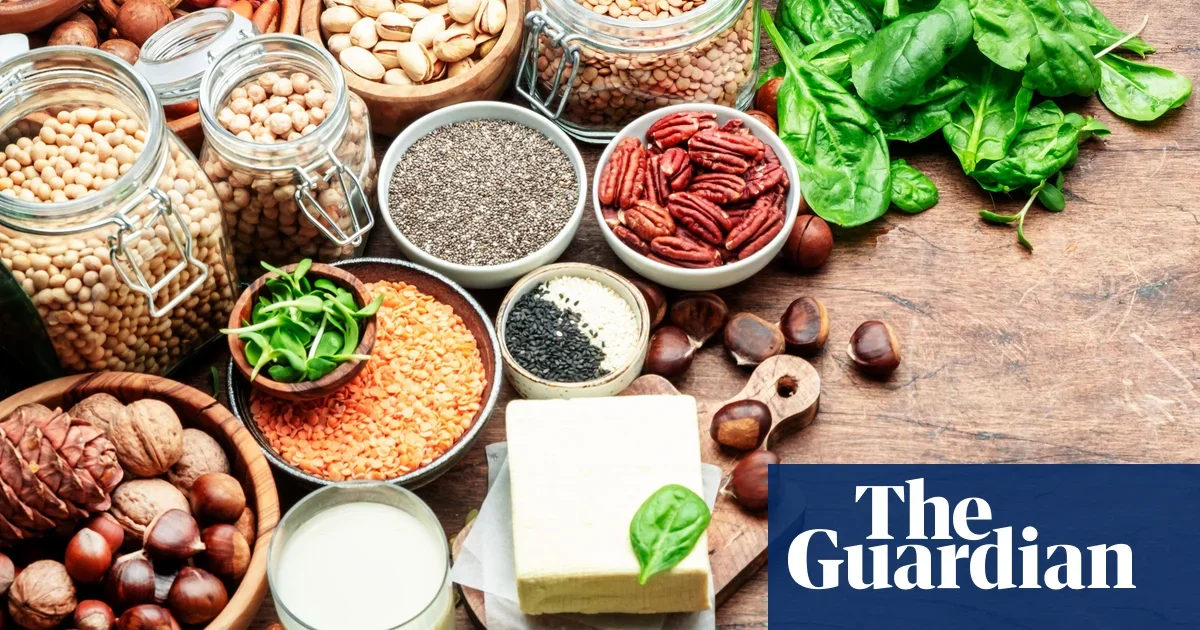
An Oxford-led study of 1.8 million people finds vegetarians are up to a third less likely to develop five cancers than meat eaters, with 21% lower risk of pancreatic cancer, 9% lower risk of breast cancer, 12% lower risk of prostate cancer, 28% lower risk of kidney cancer and 31% lower risk of multiple myeloma; however vegetarians and vegans show higher risks for oesophageal and bowel cancers, potentially due to nutrient gaps. The researchers suggest meat itself may be the trigger and advocate diets focused on whole grains, pulses, fruit and vegetables while avoiding processed meat; the study, published in the British Journal of Cancer, analyzed UK/US data over two decades and was funded by the World Cancer Research Fund.

Vegetarian Diet Linked to Lower Risk for Five Cancers, but Higher Esophageal Cancer Risk
health23 hours ago

Vegetarian Diet Linked to Lower Risk for Five Cancers, but Higher Esophageal Cancer Risk

A large international study of about 1.8 million people followed for ~16 years finds vegetarians have 21% lower pancreatic cancer risk, 12% lower prostate cancer risk, 9% lower breast cancer risk, 28% lower kidney cancer risk and 31% lower multiple myeloma risk versus meat eaters, but nearly double the risk of esophageal squamous cell carcinoma; vegans have 40% higher bowel cancer risk, and pescatarians/poultry eaters show some protective effects for certain cancers. Published in the British Journal of Cancer and funded by the World Cancer Research Fund, the study suggests diet-related factors influence cancer risk but the picture is complex and requires further research.

Five healthy diets tied to longer life, regardless of genes
health5 days ago

Five healthy diets tied to longer life, regardless of genes

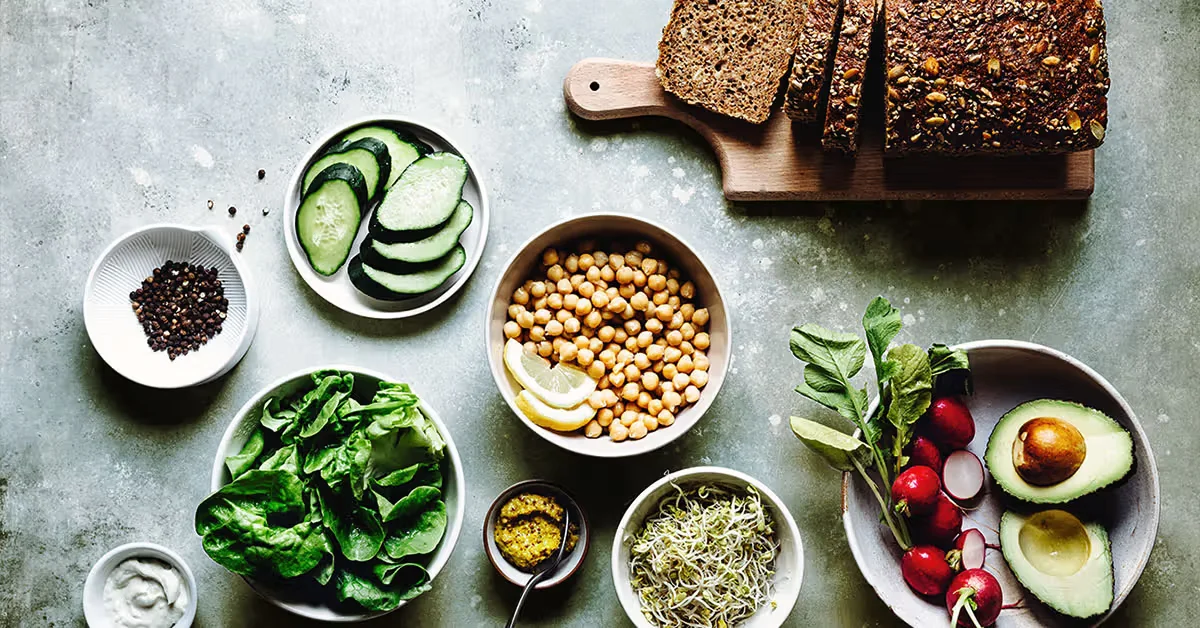
A UK Biobank analysis of over 100,000 people followed for about a decade finds that strong adherence to five established healthy dietary patterns—the Mediterranean, Diabetes Risk Reduction Diet, DASH, plant-based, and Alternative Healthy Eating Index—is associated with 1.5 to 3.0 extra years of life, regardless of genetic predisposition to shorter lifespan. Key drivers include high fiber from whole grains, fruits, and vegetables, and low sugar-sweetened beverages and ultra-processed foods. No single diet is labeled best; the benefit comes from consistently following any of these patterns. Observational design means causation can’t be proven, and lifestyle factors like exercise and sleep also play a role.

Protein demystified: how much you need and where it comes from
health5 days ago

Protein demystified: how much you need and where it comes from

Dietitians explain that new federal guidelines encourage steady protein every meal, totaling roughly 1.2–1.6 g/kg daily, but most experts still aim for about 0.8 g/kg depending on age, activity, and life stage. The piece covers protein sources (meat, dairy, beans, lentils, tofu, quinoa) and offers practical gram examples for common foods; it also notes that too much protein can crowd out fiber and other nutrients and may pose risks for kidney health and heart disease, so balance and variety are key.

Teens' Anxiety Linked to High Sugar Drink Intake, Meta-Analysis Finds
nutrition6 days ago

Teens' Anxiety Linked to High Sugar Drink Intake, Meta-Analysis Finds

A Bournemouth University–led systematic review and meta-analysis of nine studies finds that high consumption of sugar-sweetened beverages is associated with a 34% increased risk of anxiety symptoms in adolescents. Seven of nine studies showed a significant link. While causation isn’t proven, experts suggest blood sugar spikes and crashes from sugary drinks may affect mood, and reducing intake or choosing alternatives like sparkling water, herbal tea, or unsweetened milk could help.

How a $7 maca routine helped a doctor reverse early menopause and welcome a daughter
health8 days ago

How a $7 maca routine helped a doctor reverse early menopause and welcome a daughter

A physician who faced premature menopause in her 30s refused to accept it. After a year-long sabbatical and traveling, she incorporated maca root and other traditional “superfoods” into a keto-green, anti-inflammatory diet, plus lifestyle changes like increased activity and stress management. She credits these adjustments with reversing perimenopause symptoms, conceiving a baby girl at 41, and eventually reaching menopause with few lingering issues, urging that small diet-and-habit shifts can meaningfully influence hormonal balance.

Aging Reveals a Brain Protein Switch—and Diet May Reset It
science11 days ago

Aging Reveals a Brain Protein Switch—and Diet May Reset It

Aging destabilizes the brain’s protein ubiquitylation system, with reduced proteasome activity causing damaged proteins to accumulate and shift in activity, potentially driving cognitive decline and vulnerability to neurodegenerative disease. Notably, a short calorie-restriction diet in old mice significantly altered ubiquitylation patterns, in some cases reversing them toward a youthful state, suggesting diet can influence brain aging and that ubiquitylation could serve as a biomarker for age-related neural decline.

Ultra-Processed Diet May Raise Mortality Risk for Cancer Survivors
health13 days ago

Ultra-Processed Diet May Raise Mortality Risk for Cancer Survivors

A Healthline-backed study of over 24,000 adults in southern Italy found that cancer survivors who consumed the highest share of ultra-processed foods (by weight) had about 48% higher all-cause mortality and 57% higher cancer-specific mortality than those with the lowest intake. The researchers cite increased inflammation and resting heart rate as possible mechanisms, and they urge focusing on fresh, minimally processed foods, though the study is observational and cannot prove causation.

Gail’s 1,000-Calorie Club Sandwich Sparks Diet Debate
life-and-style17 days ago

Gail’s 1,000-Calorie Club Sandwich Sparks Diet Debate

The Times’ feature on Gail’s shows a chicken sandwich topping 1,000 calories (about 1,067 kcal for Gail’s Smoked Chicken Caesar Club), prompting comparisons with rivals like Pret and M&S. A nutritionist cautions that weight management hinges on overall balance and satiety, not a single high-calorie meal, while the piece also highlights lower-calorie Gail’s options (often under 500 kcal) and the value of fiber and protein in meals.

Statins: safer than feared, but protection isn’t a substitute for healthy living
life-and-style18 days ago

Statins: safer than feared, but protection isn’t a substitute for healthy living

A Lancet review suggests statins are generally well tolerated, easing concerns about memory loss or sleep disturbances. About 10 million in the UK take statins, mainly for primary prevention, but benefits depend on baseline cardiovascular risk. NICE estimates that at a 10% 10-year risk, 40 strokes or heart attacks could be prevented per 1,000 people over 10 years; numbers needed to treat vary (roughly 200 people for five years to prevent one heart attack in primary prevention, about 300 to prevent one stroke, with better figures for secondary prevention). The article emphasizes that diet and lifestyle remain crucial and that statins are risk reducers, not a substitute for healthy habits. It also notes tools like QRisk to estimate personal risk, though those estimates have limitations.