Tag

Exercise

All articles tagged with #exercise

Peak Fitness and the Slow March of Aging
health1 day ago

Peak Fitness and the Slow March of Aging

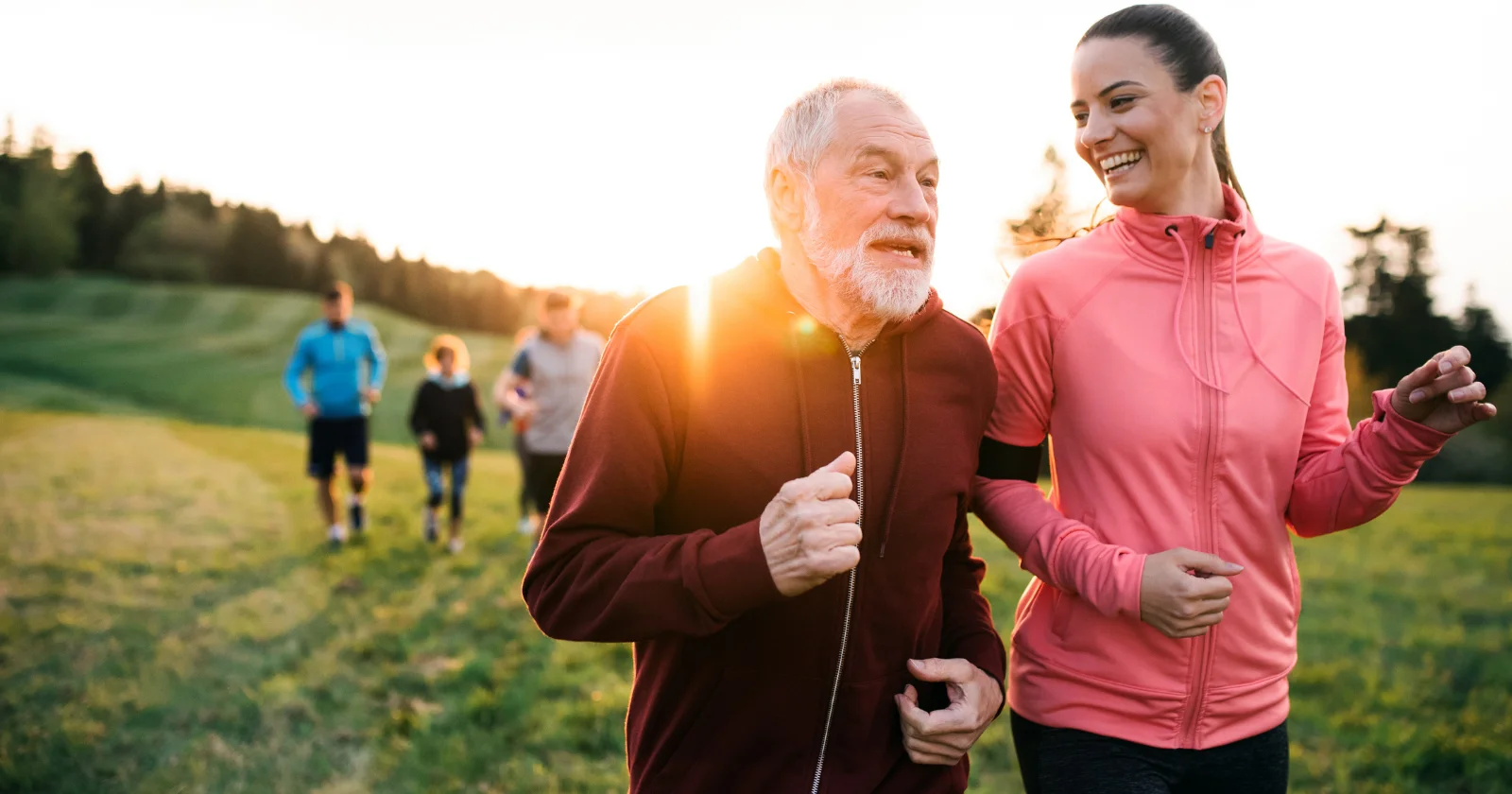
A Swedish 47-year longitudinal study followed 427 people from age 16 to 63, showing muscular power peaks around age 19 in women and 27 in men, aerobic capacity peaks in the mid-30s, and a gradual decline of about 1% per year that speeds up with age. Individual aging paths vary greatly, but regular, varied physical activity is the best defense against decline; the study’s limitations include only five data points over 47 years and binary exercise data, yet it’s clear: it’s never too late to start exercising to maintain fitness.

Mind Workout: Everyday Habits to Sharpen Your Brain, According to a Neuroscientist
health1 day ago

Mind Workout: Everyday Habits to Sharpen Your Brain, According to a Neuroscientist

Neuroscientist Majid Fotuhi shares six practical brain-boosting habits: start your day with a positive mindset; exercise about four days a week to boost oxygen, BDNF, and hippocampal growth; eat a high-fiber breakfast to support overall body-brain health and gut balance; use brief mind resets (slow breathing and a simple ma-ta-sa-ba finger rhythm) to curb stress and sharpen focus; don’t panic if sleep is interrupted—keep moving and breathing to reset; and practice memorizing three to four new names daily to strengthen memory.

Workout-Driven Shield: How Exercise Tightens the Brain’s Barrier to Preserve Memory
science2 days ago

Workout-Driven Shield: How Exercise Tightens the Brain’s Barrier to Preserve Memory

UC San Francisco researchers show that exercise increases the liver enzyme GPLD1, which travels to brain blood vessels and removes TNAP from the blood-brain barrier. This restores barrier integrity and reduces leakiness and inflammation in aging mice, helping memory and cognitive performance, and suggesting new therapeutic avenues for aging and Alzheimer’s-related decline.

Active seniors: diversify movement and prioritize sleep to prevent overuse
wellness3 days ago

Active seniors: diversify movement and prioritize sleep to prevent overuse

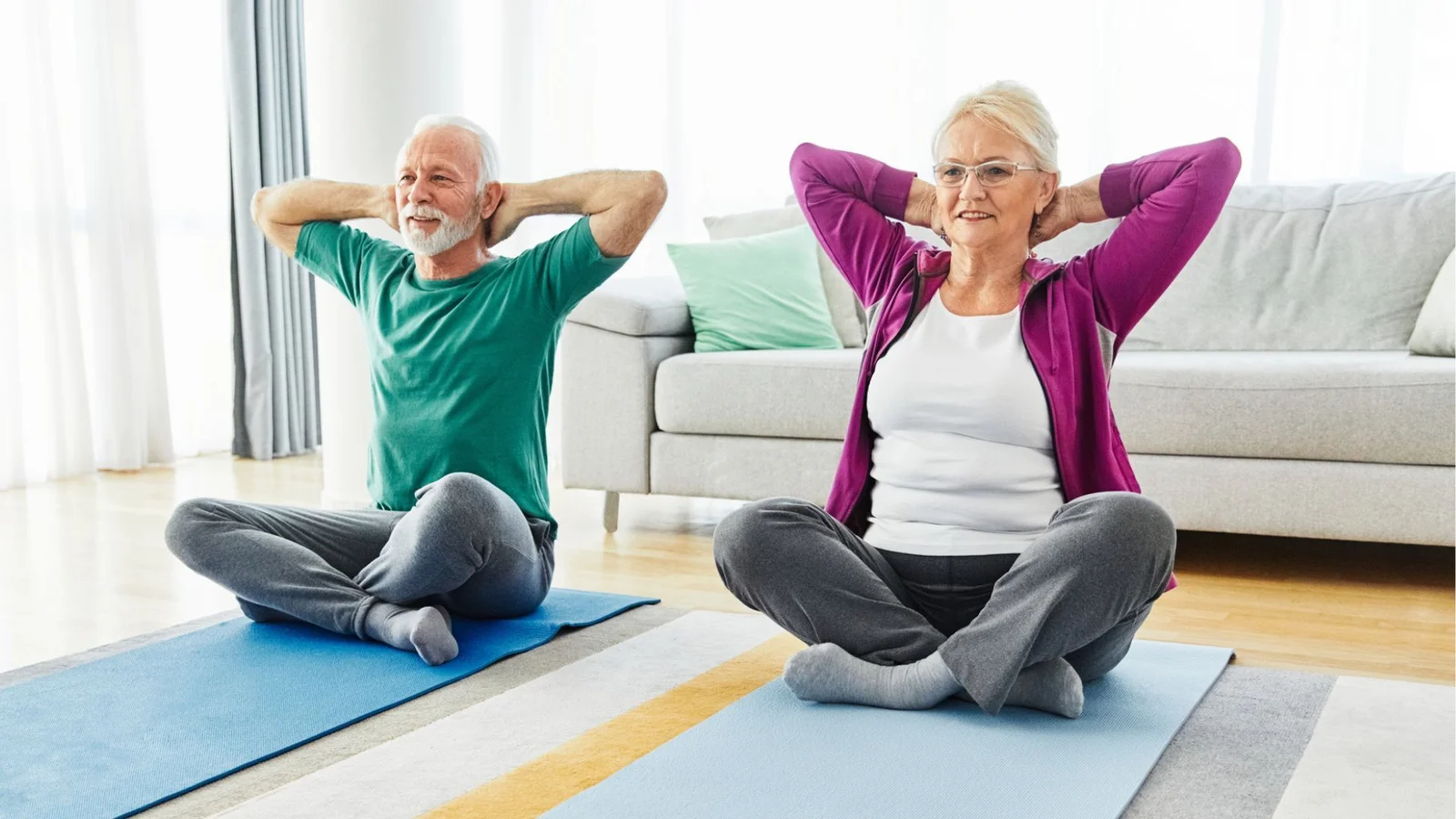
A geriatric physical therapist explains that highly active seniors can suffer from repetitive-stress injuries when recovery is neglected. She recommends diversifying movement to include cardio, strength, balance, and tissue-restoration, scheduling rest days and prioritizing high-quality sleep, and consulting a physical therapist to tailor a safe, well-rounded plan.

Exercise Eases OA Pain, but Benefits Depend on Type and Consistency
health3 days ago

Exercise Eases OA Pain, but Benefits Depend on Type and Consistency

An umbrella review of systematic reviews finds that exercise provides small pain relief for osteoarthritis (about 6–12 points on a 100-point scale) vs no treatment or placebo, with little consistent improvement in function. For knee/hip OA, exercise can match NSAIDs and corticosteroid injections for pain reduction (roughly 5–10%), but total joint replacement generally offers greater relief. Limitations include lumping all exercise types together, not differentiating supervised vs unsupervised programs, short study durations (~12 weeks), and not accounting for exercise dose. Despite these caveats, any sustainable exercise (e.g., walking or resistance training) offers broader health benefits and should be pursued as a long-term, individualized plan.

Tiny daily shifts, lasting health: longevity experts’ at-home playbook
health5 days ago

Tiny daily shifts, lasting health: longevity experts’ at-home playbook

A NYT Wirecutter guide distills aging-well into practical, affordable home habits: stay moderately active daily, include strength or resistance training (or bands), and invest in supportive footwear and simple balance tools; boost safety with rug pads, grab bars, and better lighting; make easy, plant-based meals with handy appliances like an Instant Pot; and incorporate mood-boosting touches (a pride shrine) and ergonomic work setups. The core idea is to achieve better health and independence through small, consistent daily choices rather than drastic lifestyle overhauls.

How a 78-Year-Old Turned Back the Clock with Seven Simple Exercise Steps
health5 days ago

How a 78-Year-Old Turned Back the Clock with Seven Simple Exercise Steps

Linda Green, 78, started regular exercise at 75 after moving to Ledian Gardens and, in three years, achieved a biological age of 51, improved strength, balance, metabolism and cardiovascular function, and was able to come off steroids for her 20‑year rheumatoid arthritis. She credits seven steps: start small; make exercise part of a routine; mix different activities; tailor training to you; track progress (via the building’s E-Gym); maintain balance with nutrition; and use exercise to rebuild confidence and social belonging. Her story shows it’s never too late to start and that guided programs and community support can transform health.

Mitochondria: Can These Cellular Powerhouses Extend Your Lifespan?
health6 days ago

Mitochondria: Can These Cellular Powerhouses Extend Your Lifespan?

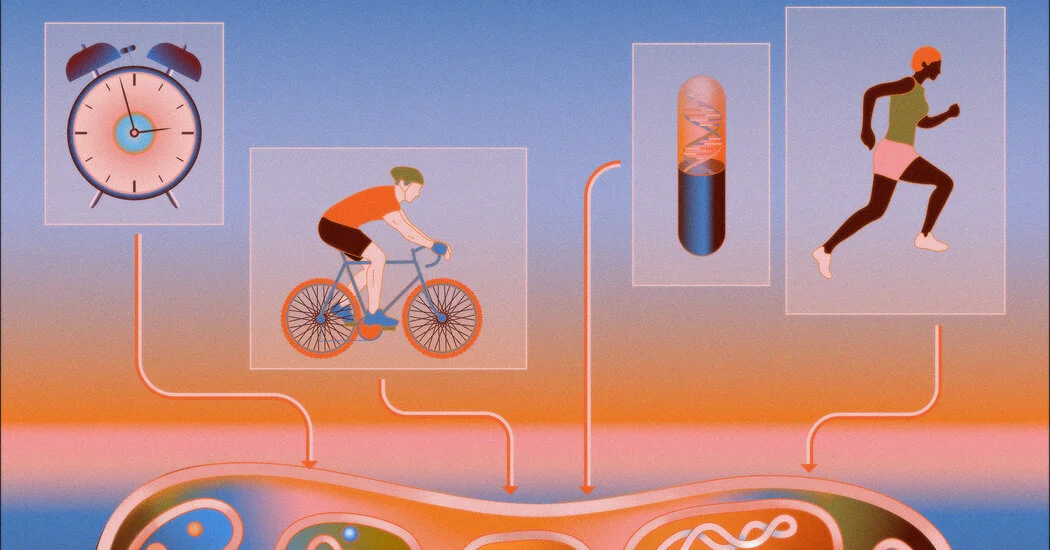
The article highlights mitochondria as central to cellular energy and aging, notes the debate over whether mitochondrial decline drives aging or is a consequence, and suggests that regular exercise, a balanced diet, adequate sleep, and key micronutrients support mitochondrial health, while many flashy interventions (like NAD+ boosters and antioxidant supplements) have not shown consistent human benefits.

Consistency Over Intensity: Exercise Eases Osteoarthritis Pain, But Benefits Vary
health7 days ago

Consistency Over Intensity: Exercise Eases Osteoarthritis Pain, But Benefits Vary

A large umbrella review of systematic reviews and new trials finds that exercise modestly reduces pain in knee, hip, and hand osteoarthritis (about 6–12 on a 100-point scale) but often does not improve function more than doing nothing or placebo; exercise can be as effective as NSAIDs for knee/hip pain and is usually less effective than total joint replacement for pain and function. Limitations include lumping all exercise types together, not distinguishing supervised vs. unsupervised training, short study durations (~12 weeks), and not accounting for total weekly dose. Despite these caveats, regular exercise likely offers meaningful pain relief and broad health benefits, with long-term adherence and a target around 150 minutes of moderate activity per week providing the greatest gains; the best approach is the activity you can maintain consistently.

Stride smarter: science-backed tips to a longer, healthier life through walking
health-and-fitness10 days ago

Stride smarter: science-backed tips to a longer, healthier life through walking

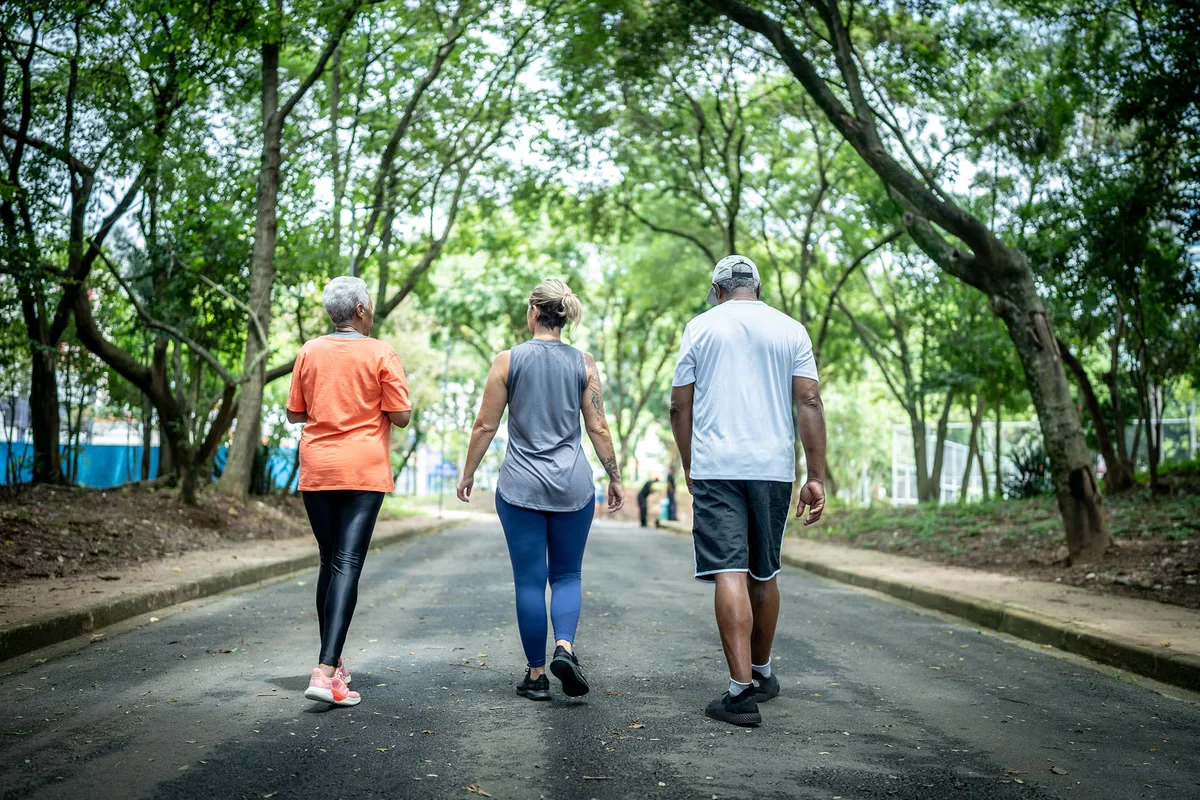
Walking is an accessible, science-backed way to boost health and longevity. The article highlights six practical tips: break up long periods of sitting with regular movement; count all movement (not just formal walks); spend time in nature to reduce stress; take post-meal walks to improve blood sugar; raise walking intensity with a faster pace or hills to magnify benefits; and set clear goals with a framework to maintain progress over time.

Cardio for Calm: Regular Exercise Linked to Stronger Stress Resilience
science10 days ago

Cardio for Calm: Regular Exercise Linked to Stronger Stress Resilience

A study published in Acta Psychologica found that physically active people show greater stress resilience and lower anxiety; those with below-average cardiorespiratory fitness had up to 775% higher peak anxiety when shown disturbing images, while regular exercisers exhibited better emotional control and faster recovery. The 40-participant study needs replication but suggests exercise could help manage stress.

Move more, load muscles, and fear less: a geriatric PT’s guide to aging actively
wellness10 days ago

Move more, load muscles, and fear less: a geriatric PT’s guide to aging actively

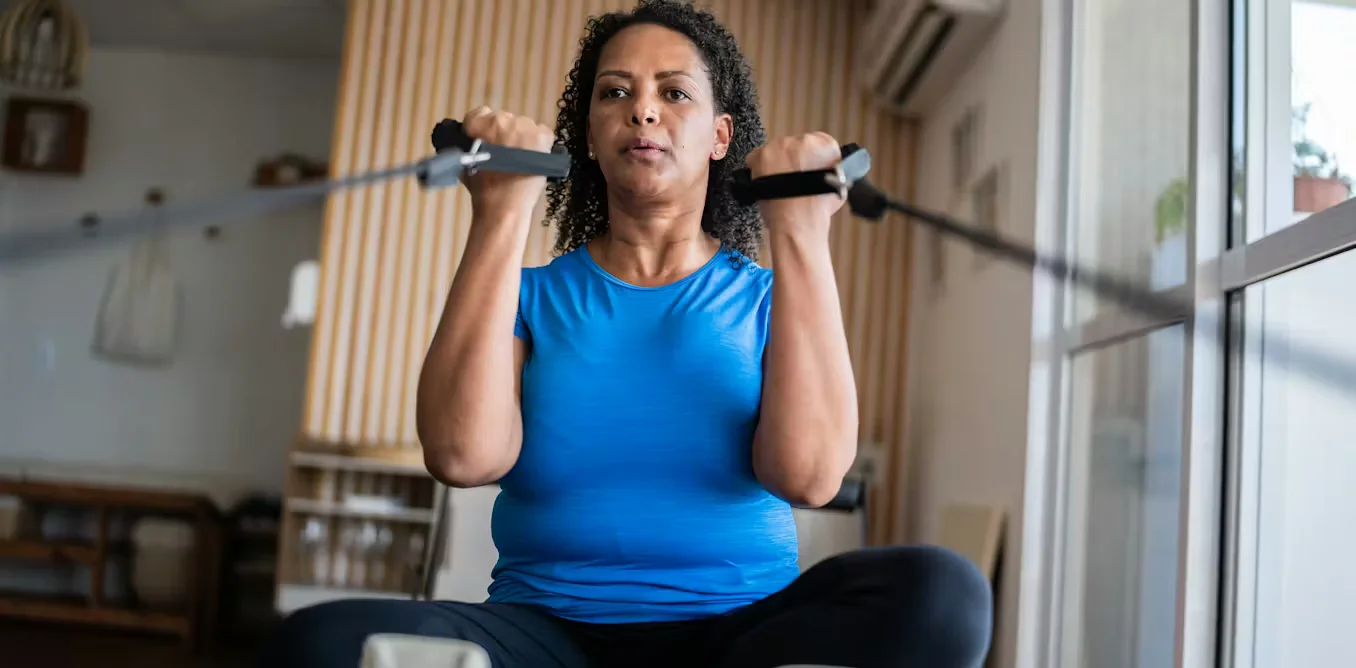
A board-certified geriatric physical therapist explains that aging-related weakness and frailty can be slowed by staying active, regularly loading muscles, and breaking activity into short, practical bursts; she emphasizes moving throughout the day, overcoming fear of activity, and working with a licensed PT to safely build strength, balance, and independence.

Piezo1 Identified as Exercise Sensor Linking Movement to Bone Strength
science11 days ago

Piezo1 Identified as Exercise Sensor Linking Movement to Bone Strength

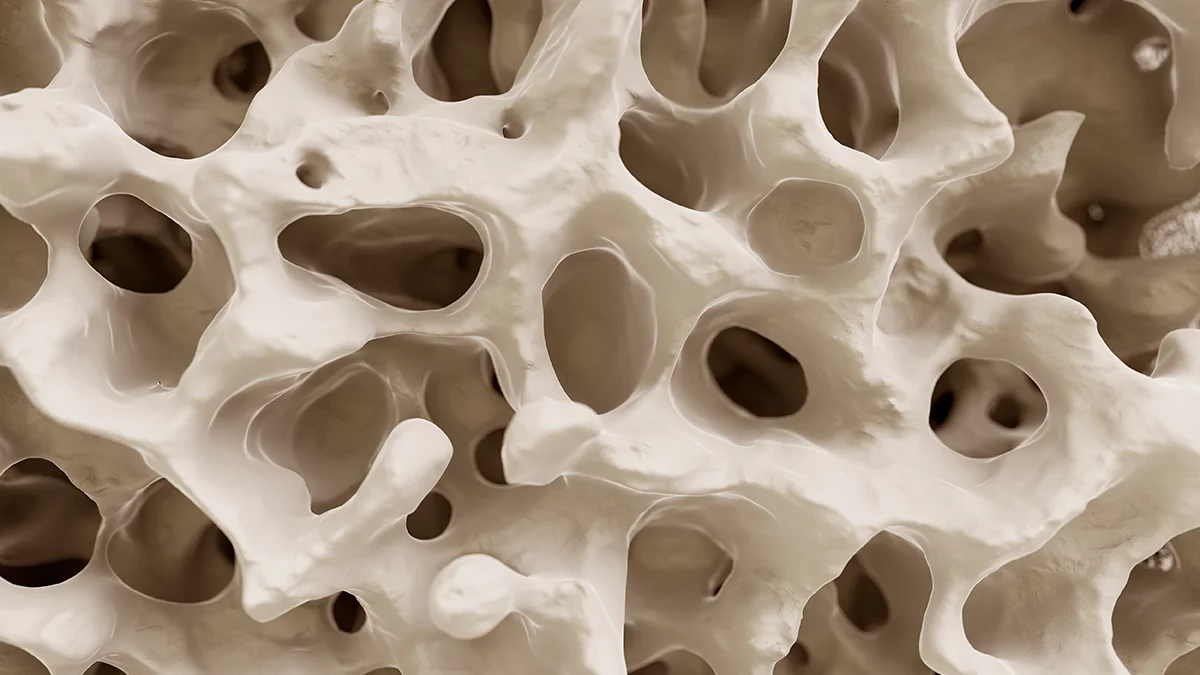
Scientists at the University of Hong Kong identify Piezo1 as an exercise-sensing protein in bone marrow stem cells that shifts fate toward bone-forming osteoblasts and away from fat cells; mice lacking Piezo1 show weaker bones and reduced exercise benefits, while activating its pathway could mimic exercise to combat osteoporosis—though findings are preclinical and demand cautious development for human therapies.