Samantha Ruth Prabhu discussed perimenopause and brain fog with nutritionist Rashi Chowdhary, who suggested starting the day with healthy fats, adding lion's mane mushroom, and using smart supplements like creatine and CoQ10 to improve cognitive function. Expert fact-checking by Dr. Ravina Patel highlighted the importance of a balanced diet and clarified that some claims, like the efficacy of lion's mane mushroom, lack sufficient scientific evidence, emphasizing sustainable and affordable health practices.
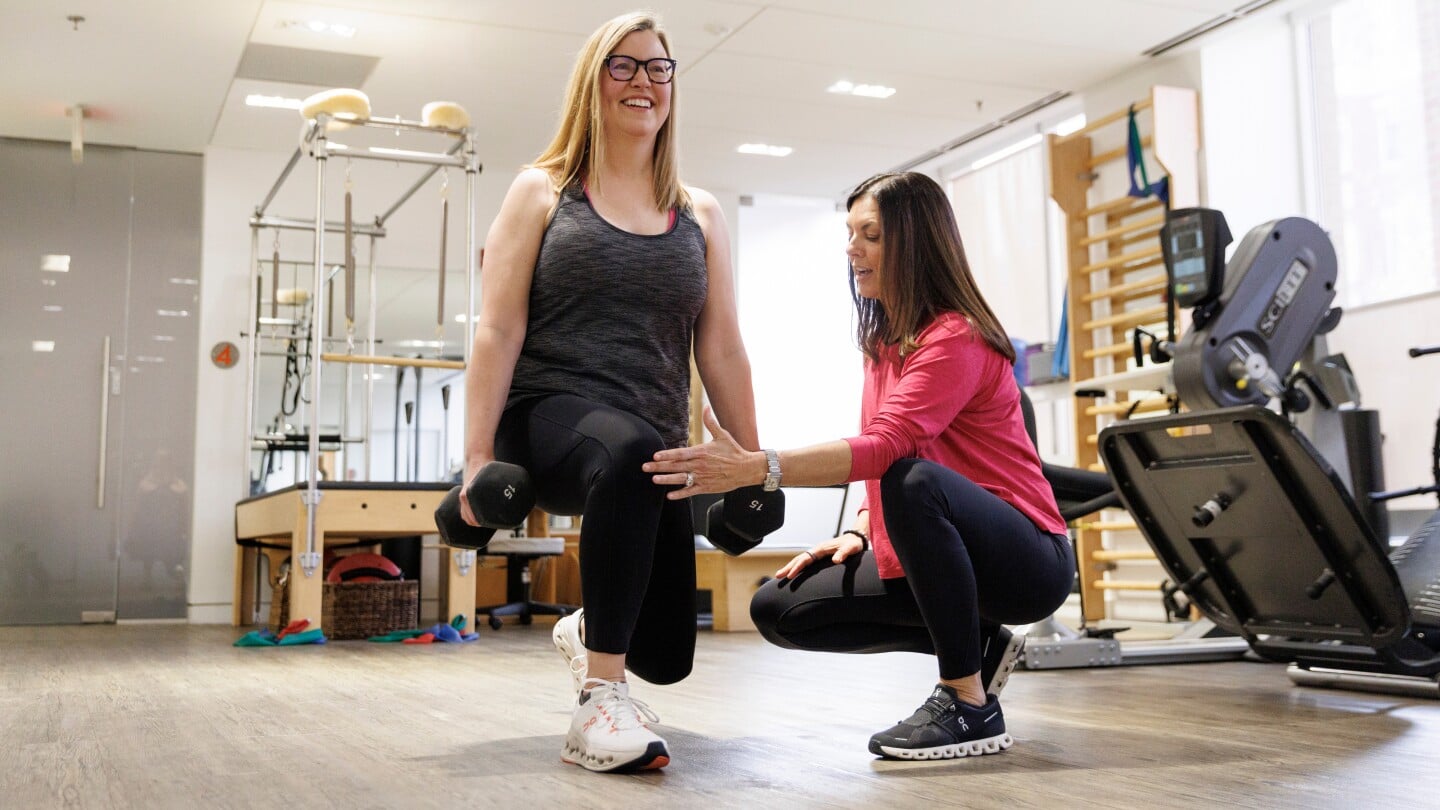
After menopause, women can benefit greatly from strength training and balance exercises to maintain bone density, muscle mass, and prevent falls. The article emphasizes resistance exercises like weightlifting, bodyweight movements, and impact training, along with balance activities such as yoga or tai chi, as effective ways to stay healthy and strong post-menopause.
The article highlights 11 subtle home environment clues—such as stacks of comfort movies, lack of hygiene products, unopened mail, processed foods, poor lighting, and clutter—that can indicate someone is struggling emotionally, often due to stress, depression, or anxiety. Recognizing these signs can help in understanding and supporting those facing emotional challenges.
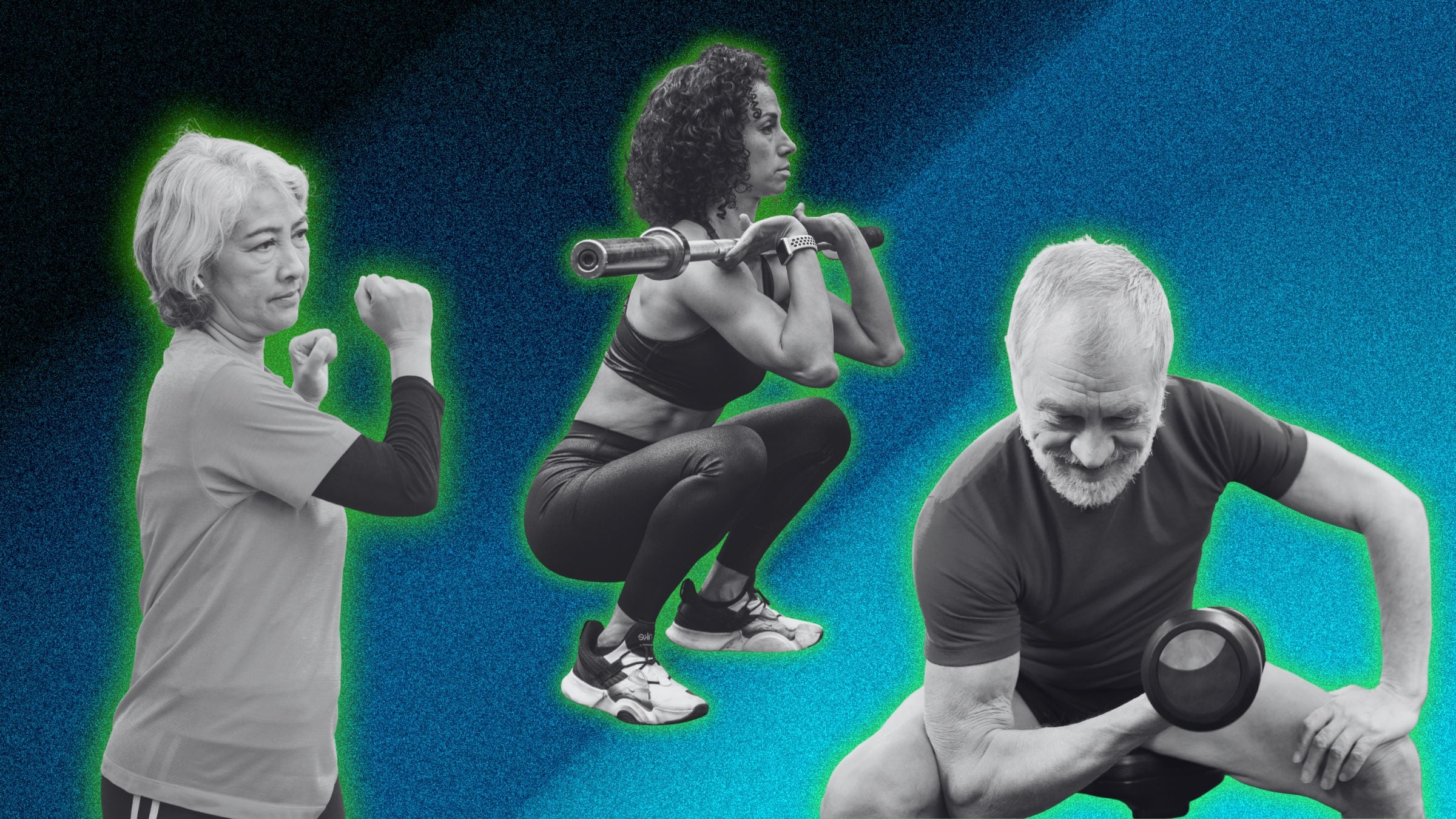
A meta-analysis shows that resistance training and other forms of exercise can significantly improve cognitive functions in adults over 60, with resistance training being particularly effective for overall cognition and inhibitory control, highlighting the importance of staying active for brain health as we age.
A UK study reveals that many older adults remain sexually active, challenging stereotypes that sex diminishes with age. Personal stories highlight that older individuals often experience fulfilling sex lives, with some discovering that intimacy can improve over time, and that common myths about sex—such as the importance of size or the need for constant novelty—are false. The article emphasizes that sex can be satisfying and enjoyable at any age, often becoming more relaxed and meaningful.
Creatine, widely known for enhancing muscle strength, also offers significant benefits for brain health, energy regulation, and metabolic support, making it a versatile supplement for overall health and longevity.
Using hypoallergenic, waterproof mattress and pillow covers can significantly reduce dust mite exposure and allergy symptoms, providing a comfortable and allergen-free sleep environment.
The article discusses the concept of 'wintering,' a term coined by Katherine May, which encourages embracing the winter season through practices like slowing down, outdoor activity, seasonal eating, social connection, and mindset shifts to improve mental health and well-being during the colder months.
This article emphasizes the importance of carefully choosing and correctly dosing supplements, highlighting that excessive intake of certain nutrients like vitamin D, calcium, and omega-3s can cause health problems. It advises consulting healthcare providers before starting supplements, checking for third-party certification, and being cautious of label inaccuracies and individual needs to avoid potential risks.
Research suggests that putting down your phone and allowing your mind to wander through daydreaming can enhance well-being, boost creativity, improve problem-solving, and strengthen social connections, offering deeper benefits than passive phone use.
The article explains how to effectively use smartwatches like Apple, Garmin, Oura, and Whoop to track and improve sleep quality by maintaining consistent habits, understanding sleep data, and making lifestyle adjustments, emphasizing the importance of trusting your body and focusing on sleep trends rather than just numbers.
Engaging in the arts—such as music, dance, visual arts, and cultural activities—has significant mental and physical health benefits, including reducing stress, improving mood, strengthening brain connectivity, and building resilience against cognitive decline. The article encourages incorporating creative activities into daily life to enhance overall wellbeing in 2026.
The article emphasizes the importance of regular physical activity for brain health, highlighting how exercise improves cognitive functions, supports neuron growth, and reduces the risk of dementia, with walking and enjoyable activities being highly recommended.
Vagus nerve stimulation (VNS) involves using devices to send electrical pulses to the vagus nerve, which can be done invasively or through skin patches, and is used for conditions like epilepsy and cluster headaches. While some users report benefits such as increased energy and improved sleep, scientific evidence is limited, and the effectiveness of these devices remains uncertain, with some experts suggesting placebo effects may play a role.
The article explains how fiber, water, sleep, and exercise play crucial roles in helping the body detoxify by removing toxins, supporting organ health, and improving overall well-being, emphasizing long-term lifestyle changes over quick fixes.