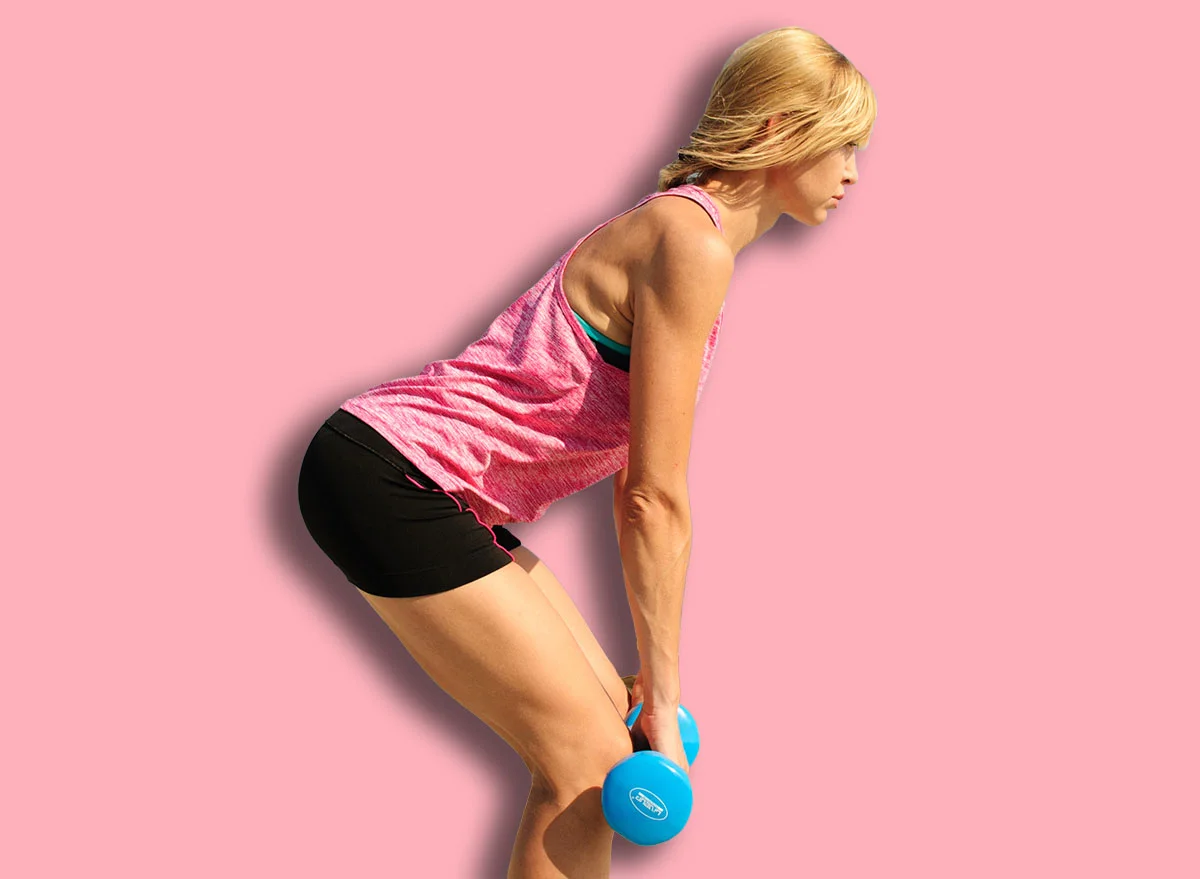
Standing exercises are highly effective for building core strength, improving balance, and aiding in belly fat reduction, especially for those over 55, by engaging multiple muscle groups and incorporating progressive overload, with exercises like farmer’s walks, deadlifts, squats, side bends, and woodchops.
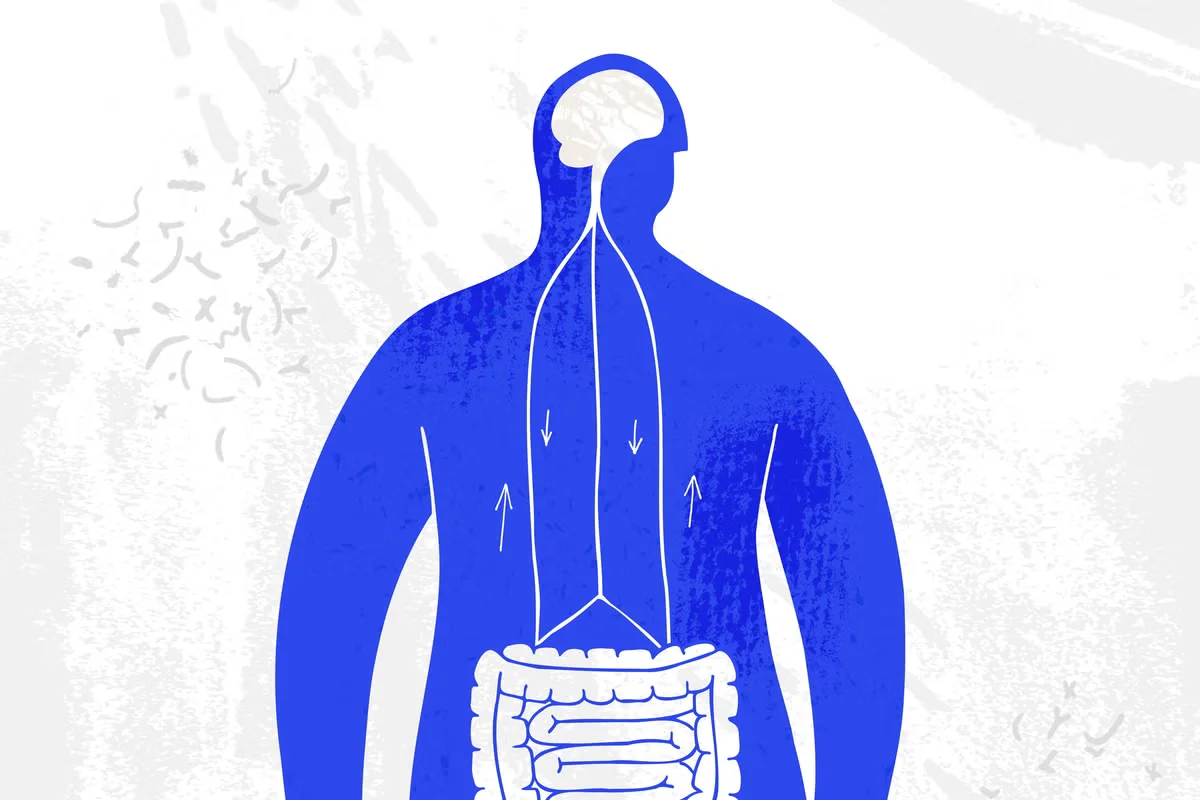
Researchers are exploring how vibrating tendons can reduce the perceived effort of exercise by altering brain signals, potentially making physical activity feel easier and encouraging more people to stay active, although the research is still in early stages and limited to short cycling sessions.
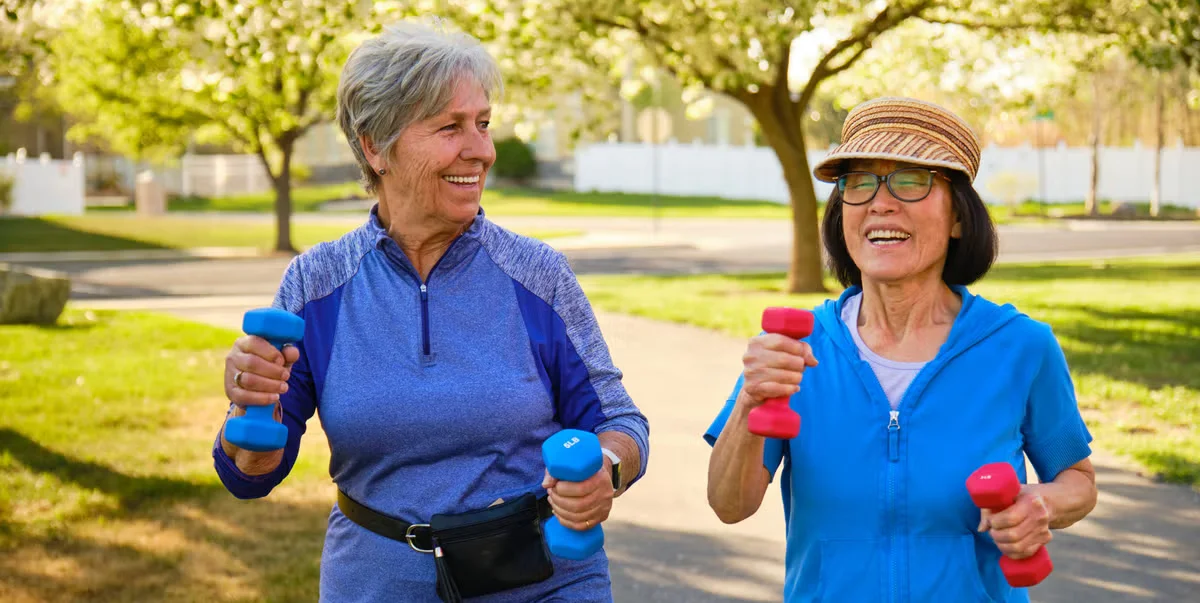
Walking can support muscle development by engaging multiple muscle groups, especially when combined with resistance, intervals, incline walking, and strength exercises like squats and lunges. To maximize muscle growth, incorporate variations such as intervals, inclines, resistance bands, and strength moments into your routine, along with proper form and nutrition. Walking also offers numerous health benefits beyond muscle building, including improved bone density, mental health, and chronic disease prevention.
A 50-year Swedish study reveals that our bodies start to decline in strength, endurance, and fitness as early as age 35, but staying active can slow this deterioration, emphasizing the importance of regular movement for healthy aging.
Starting strength training in your 40s can help reverse muscle loss, improve functional strength, and promote overall health as you age, with key exercises like squats, deadlifts, push-ups, and rows being particularly beneficial.
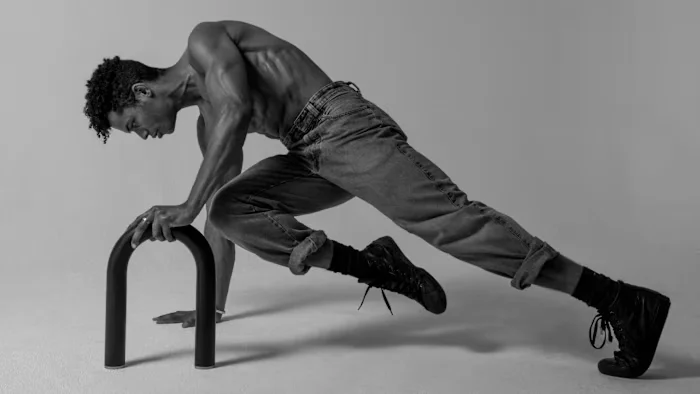
The article discusses the rising popularity of mobility training, emphasizing its benefits for performance, injury prevention, and longevity. It explains the difference between mobility and flexibility, highlights various exercises and programs, and shares personal experiences and expert advice on improving joint movement and overall body agility.
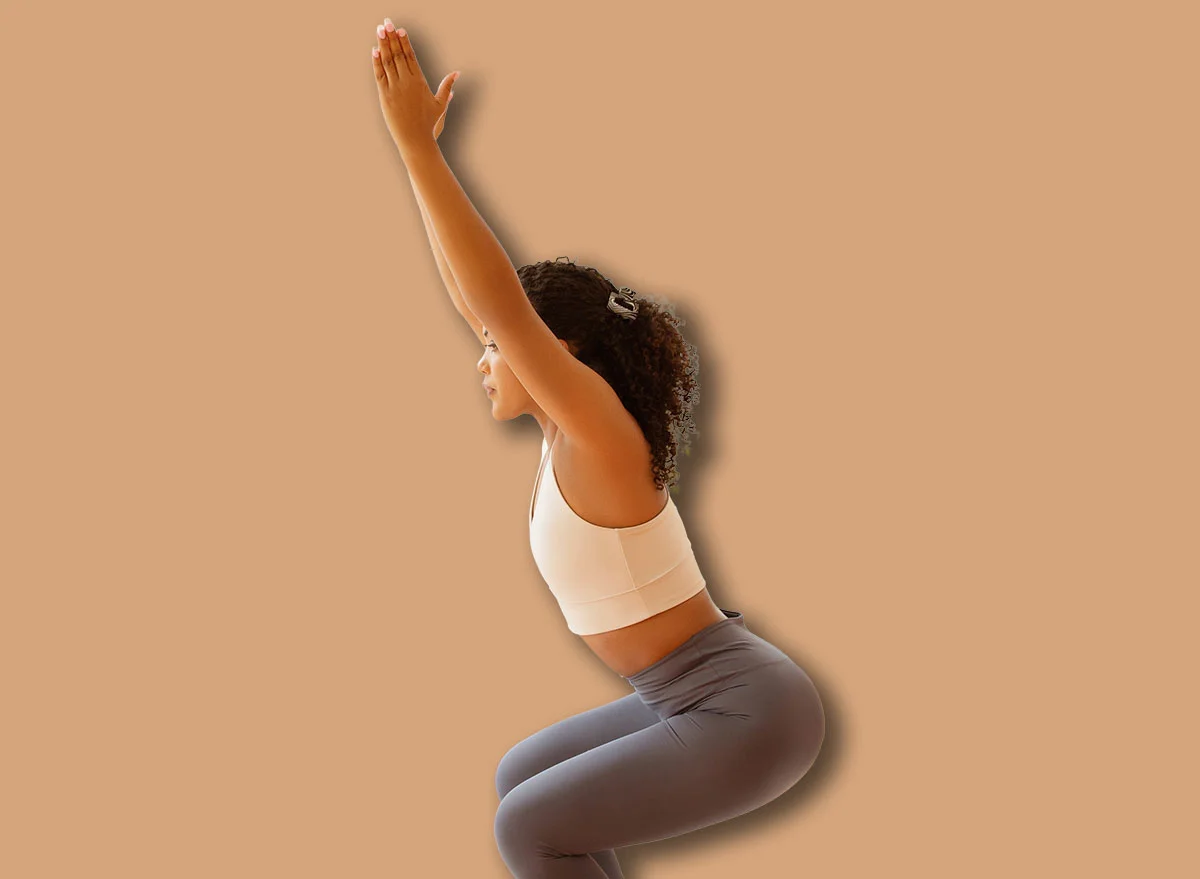
Performing four specific standing exercises—single-leg balance with reach, hip hinge to stand walk, standing half-squat with arm raise, and side step with knee lift—can significantly improve strength, balance, and functional movement in people over 60, making them fitter and more capable than many younger individuals.
To overcome a fitness rut, the article suggests six strategies: strengthening your athletic identity, focusing on process goals rather than outcomes, habit stacking to integrate workouts into daily routines, creating dedicated high-performance environments, practicing mindful exercise, and maintaining flexibility in your training schedule. These approaches can help rekindle motivation and make exercise a more enjoyable and sustainable part of life.
A personal trainer emphasizes that returning to exercise in your 40s and 50s should be approached differently than in youth, focusing on enjoyable activities, gradual progress, and realistic expectations to rebuild strength and confidence after inactivity.
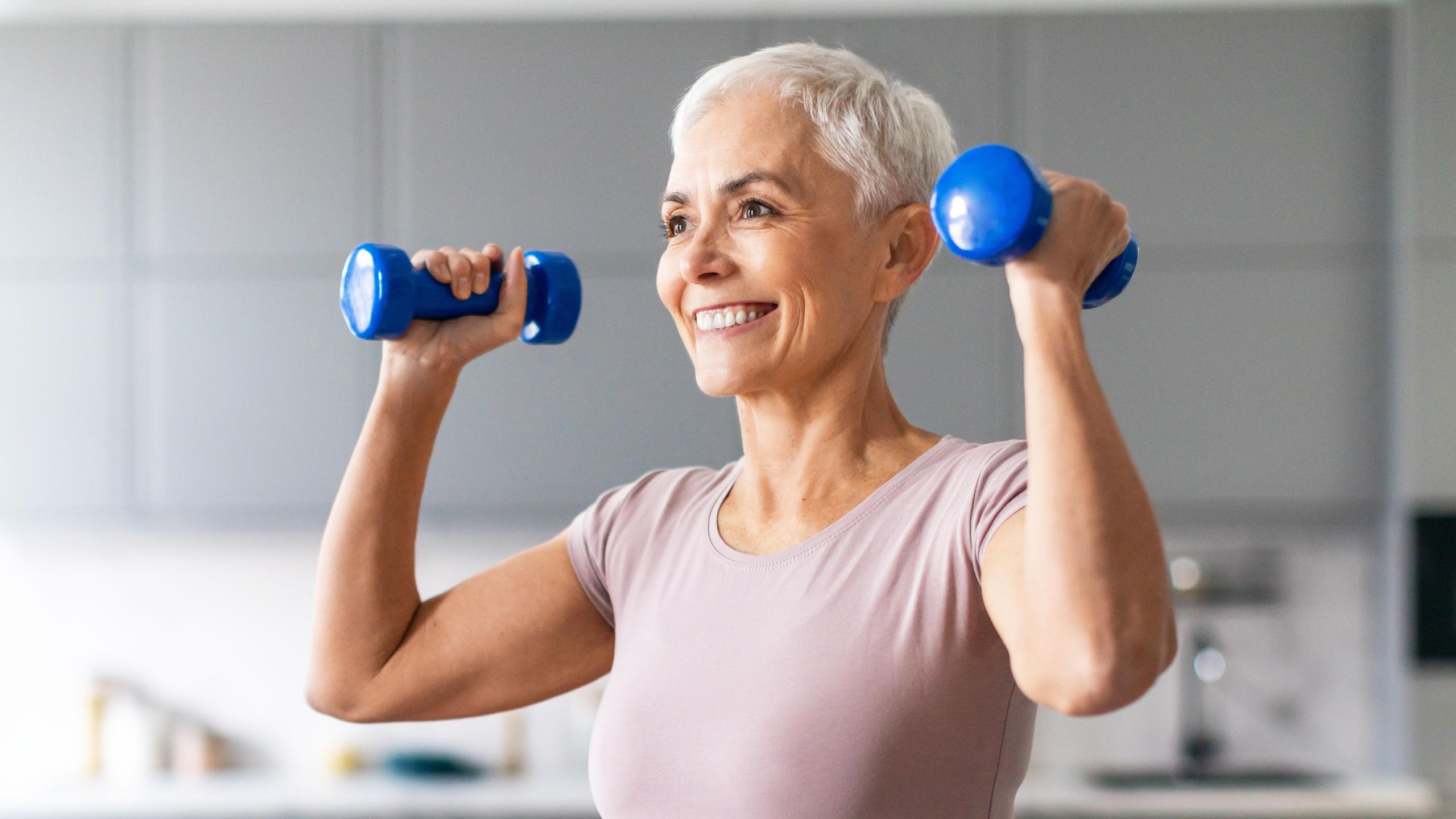
A simple, no-equipment 5-move workout designed for people over 60 to improve strength, mobility, and overall health, emphasizing the importance of consistent strength training for aging well.
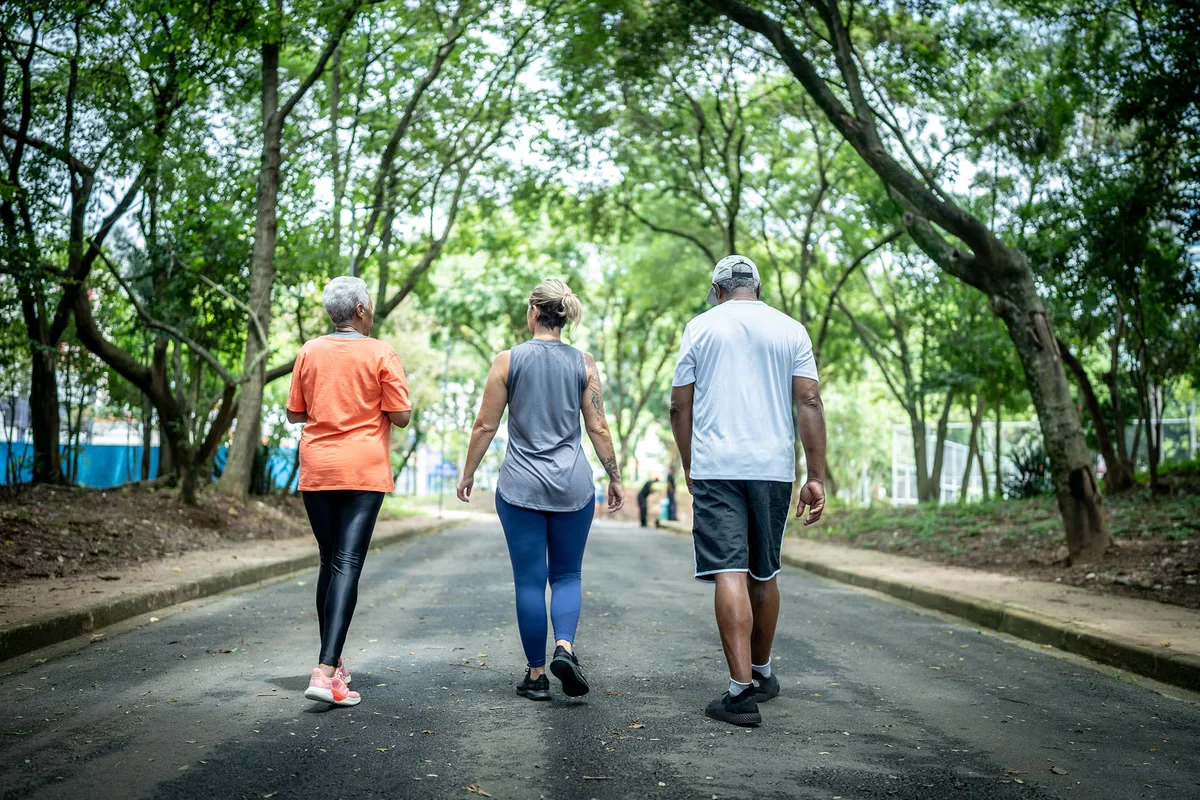
After 50, walking can be an effective way to rebuild and maintain muscle, especially when done with intention and variation. Four practices—intentional interval walking, hill/incline walking, terrain walking, and loaded purposeful walking—offer low-impact, joint-friendly options that target key muscle groups and improve strength, often surpassing traditional weight training for older adults.
The split squat is highlighted as an essential exercise for women over 40 because it trains multiple muscle groups, improves balance, supports joint and bone health, and helps prevent age-related decline. It is recommended to perform 2-3 sets of 8-12 reps once a week, focusing on proper technique and progression to maximize benefits for strength, mobility, and metabolic health.
Understanding and modifying your set point weight—your body's biologically defended weight range—can be key to sustainable weight loss and long-term health. Achieving this involves consistent lifestyle changes such as resistance training, adequate protein intake, quality sleep, stress management, and slow, steady weight loss, rather than quick fixes or crash diets. While weight loss drugs may influence the set point, lasting change requires comprehensive lifestyle adjustments to prevent rebound weight gain and promote longevity.
Jelly Roll, the singer-songwriter, shares his inspiring journey of losing 275 pounds over five years, focusing on physical and mental health, with insights on managing food addiction and the importance of starting with small, manageable changes. He appears on the cover of Men’s Health and discusses his comprehensive approach to health, including therapy and dietary adjustments.
Recent research suggests that the widely accepted 10,000 steps per day benchmark is not necessary for health benefits; instead, lower counts like 4,500 to 8,000 steps can significantly improve longevity, reduce disease risk, and support weight loss, with personalized and incremental approaches recommended for optimal health outcomes.