New research finds at-home gut microbiome tests lack standardization, producing different results from the same stool sample and calling into question their reliability for diet or supplement guidance.
A study of 1,425 participants found that the healthiest individuals tended to poop once or twice daily. Those who pooped more or less often had a higher risk of health issues, with infrequent bowel movements tied to higher levels of uremic toxins linked to kidney disease and neurodegeneration. The research also notes that excessively frequent bowel movements can disrupt beneficial gut bacteria. Clinicians suggest aiming for a regular daily bowel routine and seeking medical advice if there are sudden changes or concerning symptoms.
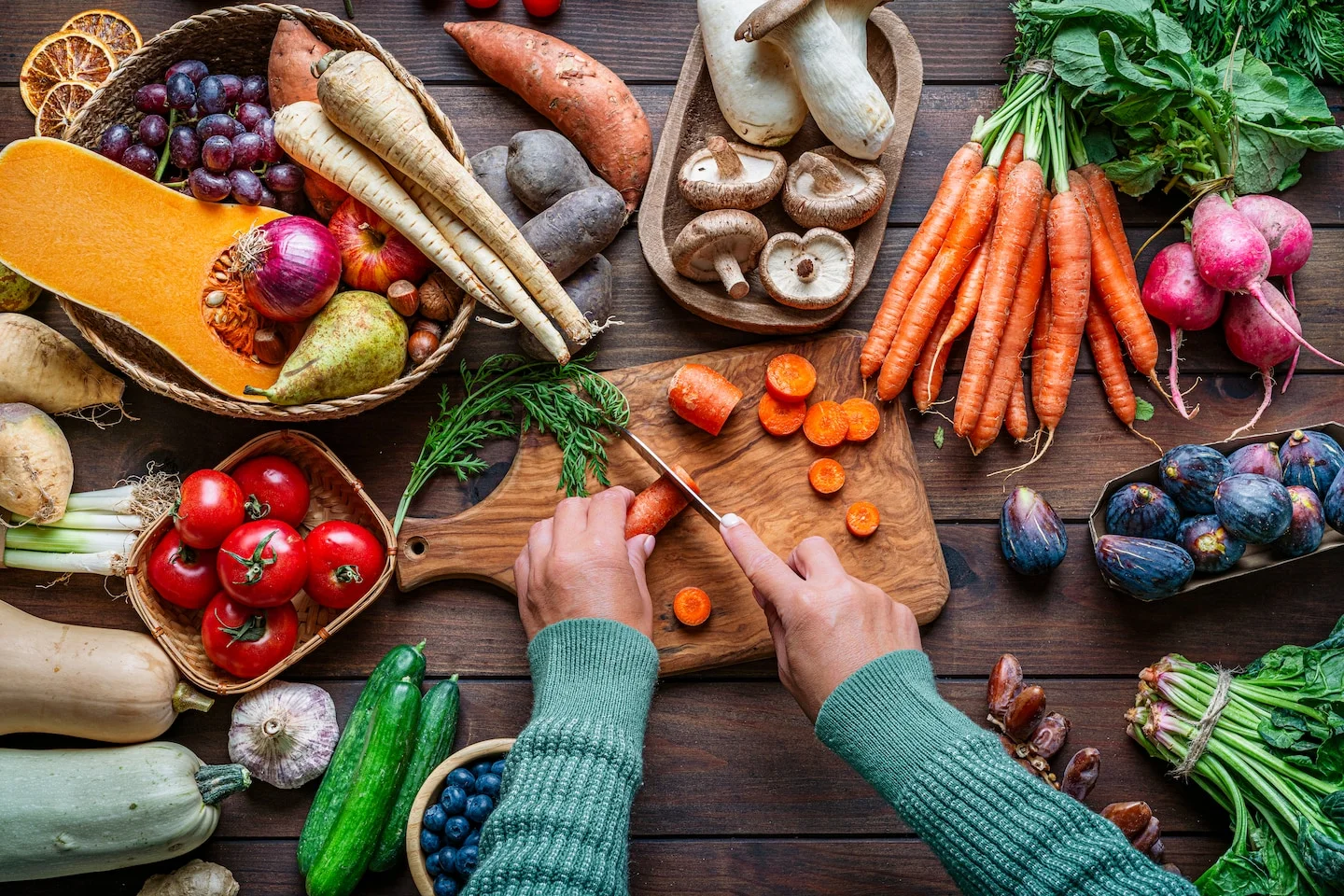
A gut-friendly approach centers on eating minimally processed, fiber-rich foods to support the gut microbiome, which may help reduce inflammation and support digestion and overall health. It also suggests gradually increasing fiber to avoid GI discomfort, limiting ultraprocessed items, and using a guided elimination-style strategy to identify foods that irritate the gut, complemented by tracking food, health, and mood to tailor the plan.
A meta-analysis of 17 studies with 97,595 participants found that consuming 40–60 grams of cruciferous vegetables per day (about ½ cup broccoli or 2–3 cups raw kale) may cut colon cancer risk by ~20%, with the benefit plateauing around that amount. The protection is linked to glucosinolates that form anti-cancer isothiocyanates, which aid detoxification, reduce inflammation, and may slow cancer cell growth, while also boosting gut health through fiber and nutrients. Practical tips include adding broccoli in the air fryer, beef-and-broccoli stir-fries, roasted cauliflower with kale, or sneaking greens into smoothies or sauces; maintain variety (30+ plant types weekly) and stay on top of screenings, noting some people may experience gas when increasing cruciferous intake.
An NPR Life Kit episode argues that steady energy comes from gut health, circadian rhythm, and daily emotional maintenance. Dr. Amy Shah suggests fiber-rich, minimally processed foods and circadian fasting, plus morning light, to fuel energy; experts urge daily stress-reduction and value-aligned living, and even trying new hobbies to spark enthusiasm. If fatigue persists, consult a clinician.
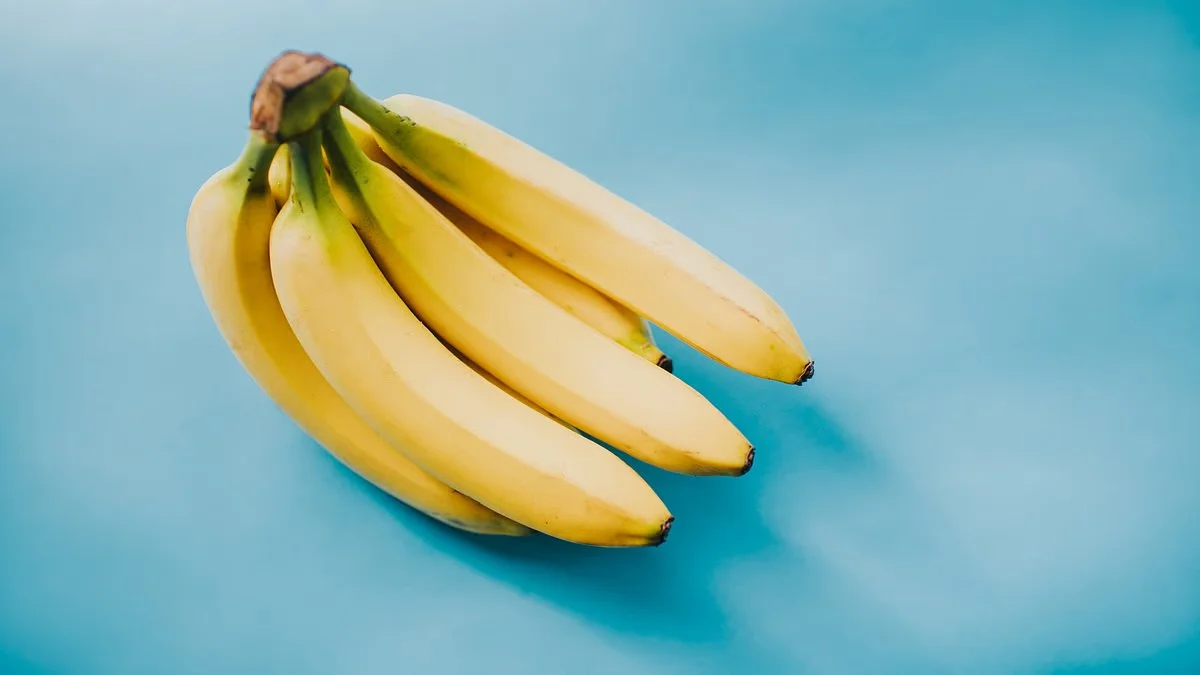
Bananas are a convenient, nutrient-rich snack linked to heart health and good digestion, thanks to fiber, water and potassium (about 350–400 mg per medium fruit) and roughly 100–110 calories with about 14 g of natural sugar. The sugar is consumed with fiber, which smooths digestion. Whole fruit is associated with lower mortality and better cardiovascular health. Ripeness matters: green bananas have more resistant starch that feeds gut bacteria and may help regulate blood sugar, while riper bananas provide quick energy. NHS guidance suggests five portions of fruit and vegetables daily, with one medium banana counting as one portion, and typically no more than 1–2 bananas per day as part of a balanced diet. People with advanced kidney disease or those on potassium-raising meds should monitor intake; some IBS sufferers may experience bloating. Eating too many bananas can cause hyperkalemia in rare cases. Pairing bananas with protein or healthy fats improves satiety and blood-sugar control. Overall, bananas are healthy in moderation, but variety is key.”
Experts say “leaky gut” is not a formal medical term but refers to intestinal permeability. Common signs include abdominal pain, bloating, fatigue, diarrhea, gas, constipation, brain fog, and food sensitivities. Treatment depends on underlying conditions (like IBD or celiac disease), with diet and lifestyle changes—fiber‑rich whole foods, reduced processed sugar, and avoiding gut irritants (smoking, alcohol, spicy/acidic foods, caffeine)—along with stress management, sleep, and hydration, potentially helping restore gut barrier over time. Always consult a doctor for a proper diagnosis and tailored plan.
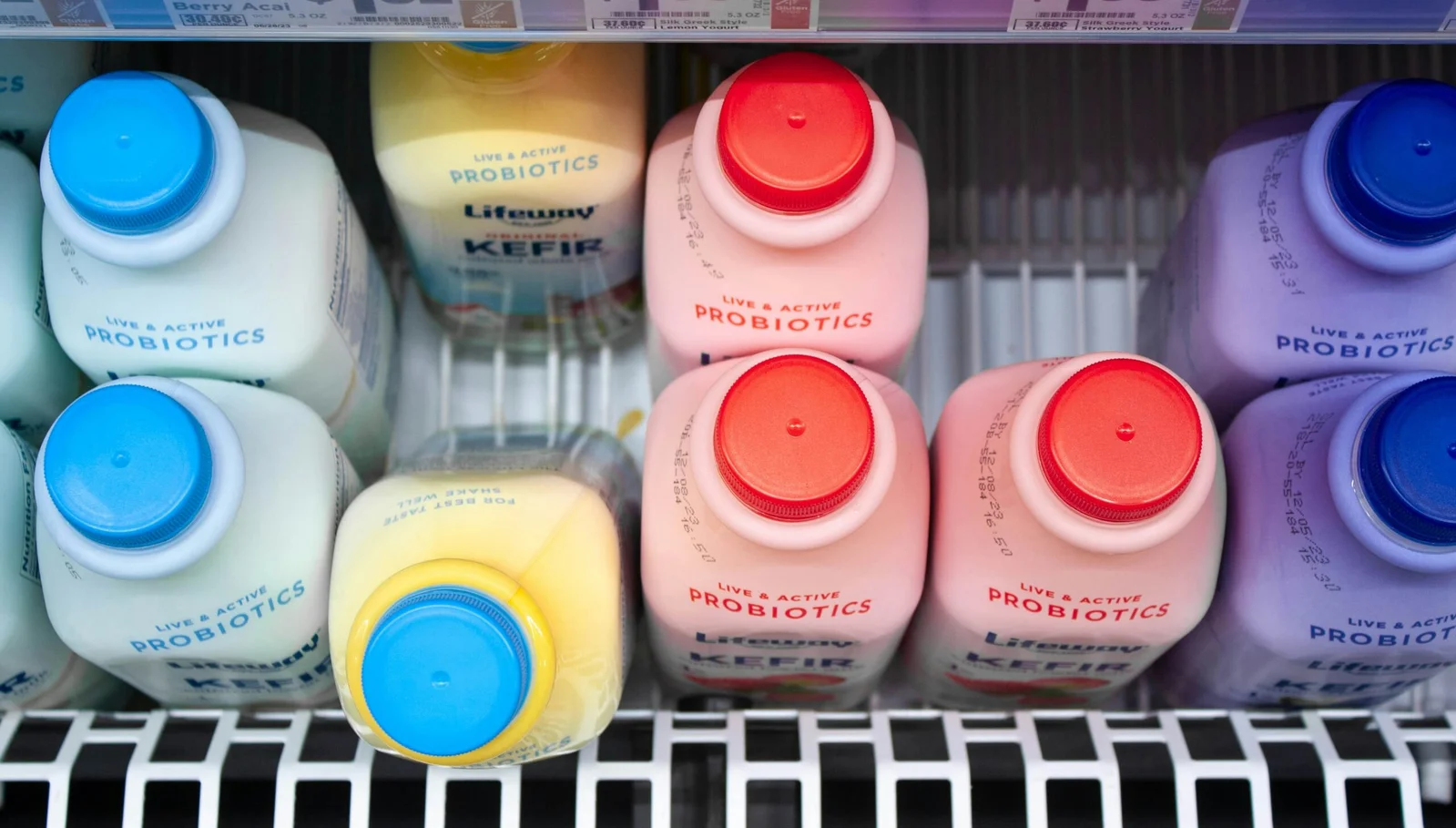
A Nottingham-led study found a synbiotic made from fermented kefir plus a diverse prebiotic fiber mix reduced systemic inflammation far more than omega-3 supplements or fiber alone. Over six weeks, the kefir+fiber group lowered inflammatory markers 75% more than fiber alone and 250% more than omega-3s, likely due to probiotic-prebiotic synergy across 92 inflammatory proteins.
A gastroenterologist warns that ultra-processed, high-saturated-fat meats like bacon, sausage, and pepperoni delay gastric emptying, can worsen reflux, and may inflame the gut or raise colorectal cancer risk. The gut-friendly options are lean, minimally processed meats such as poultry and fish, which digest more easily and can offer anti-inflammatory omega-3 benefits. Beef isn’t off-limits, but should be chosen mindfully with moderate portions and less processing.
Four UK sports-nutritionists share the everyday foods they stock—from beans and oats to oily fish, yogurt, fermented foods and occasional treats—emphasizing real-food fueling, practical prep, and flavor to support training, recovery, gut health, and long-term performance.
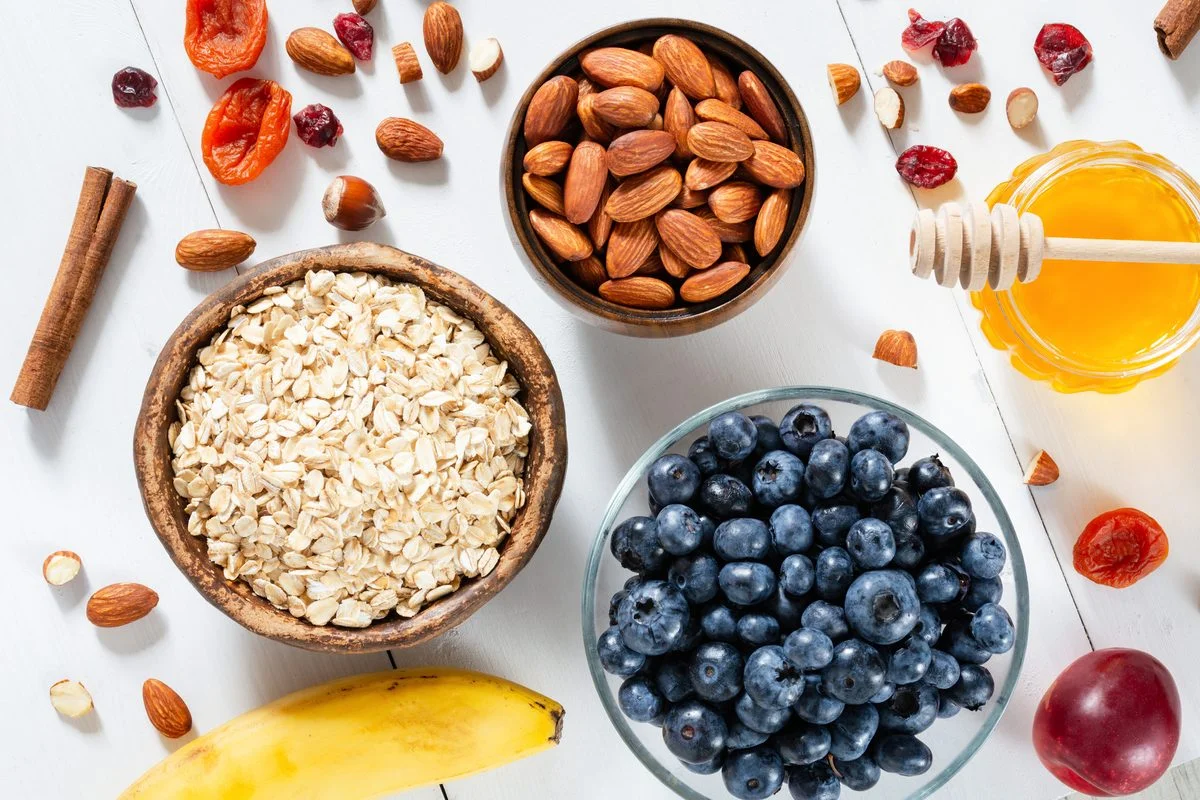
Resistant starch is a beneficial, under‑the‑radar fibre that feeds gut microbes and helps lower cholesterol, manage blood sugar, and curb appetite. The Times explains how to boost it in everyday foods: cook and then cool starch‑heavy items like pasta, potatoes and rice; enjoy overnight oats; opt for underripe bananas; include pulses and chickpea pasta; and even freeze and reheat bread to raise resistant starch. Citing studies on cancer risk reduction, weight loss, and improved insulin sensitivity, the piece also advises aiming for about 30g of total fibre daily, gradually increasing intake to avoid bloating, and consulting a dietitian if IBS symptoms arise. It also covers safe rice cooling to prevent toxins.
A HuffPost wellness article explains how stool shape and consistency reflect gut health, highlighting that a healthy bowel movement is banana- or sausage-shaped (types 3–4 on the Bristol Stool Chart). It covers using the chart to gauge normalcy, advises a fiber-rich diet (fruits, vegetables, whole grains, seeds) with tips like chia seeds, and recommends light post-meal activity to aid digestion. The piece also emphasizes monitoring stool color and consistency for warning signs such as blood, which can signal colorectal cancer, especially in younger people, and urges consulting a doctor if concerning changes persist.
A licensed dietitian identifies five eating habits she says may accelerate aging—regular overconsumption of sugar and refined carbs, heavy reliance on ultra-processed foods, persistently high animal-protein intake, neglecting gut health, and chronic under-fueling—and offers a plant-forward, minimally processed approach with adequate protein and gut-friendly foods to support long-term healthspan.
The BBC notes that while the gut microbiome influences digestion, mood, and immunity, popular fixes like chia seed water, sea moss gel, olive oil shots, bone broth, and kombucha offer little proven benefit for healthy people. Evidence is thin and varies by product; the best practical approach is a diverse, plant-rich diet high in fiber and low in ultra-processed foods, with medical advice sought for persistent gut issues. Cautions include potential heavy metals/iodine in sea moss and saturated fat in bone broth.
Transplanting fecal material from young to old mice increased intestinal stem cell activity and Wnt signaling, speeding gut tissue renewal and improving radiation healing, suggesting gut microbes can influence age-related intestinal decline (human relevance to be studied).