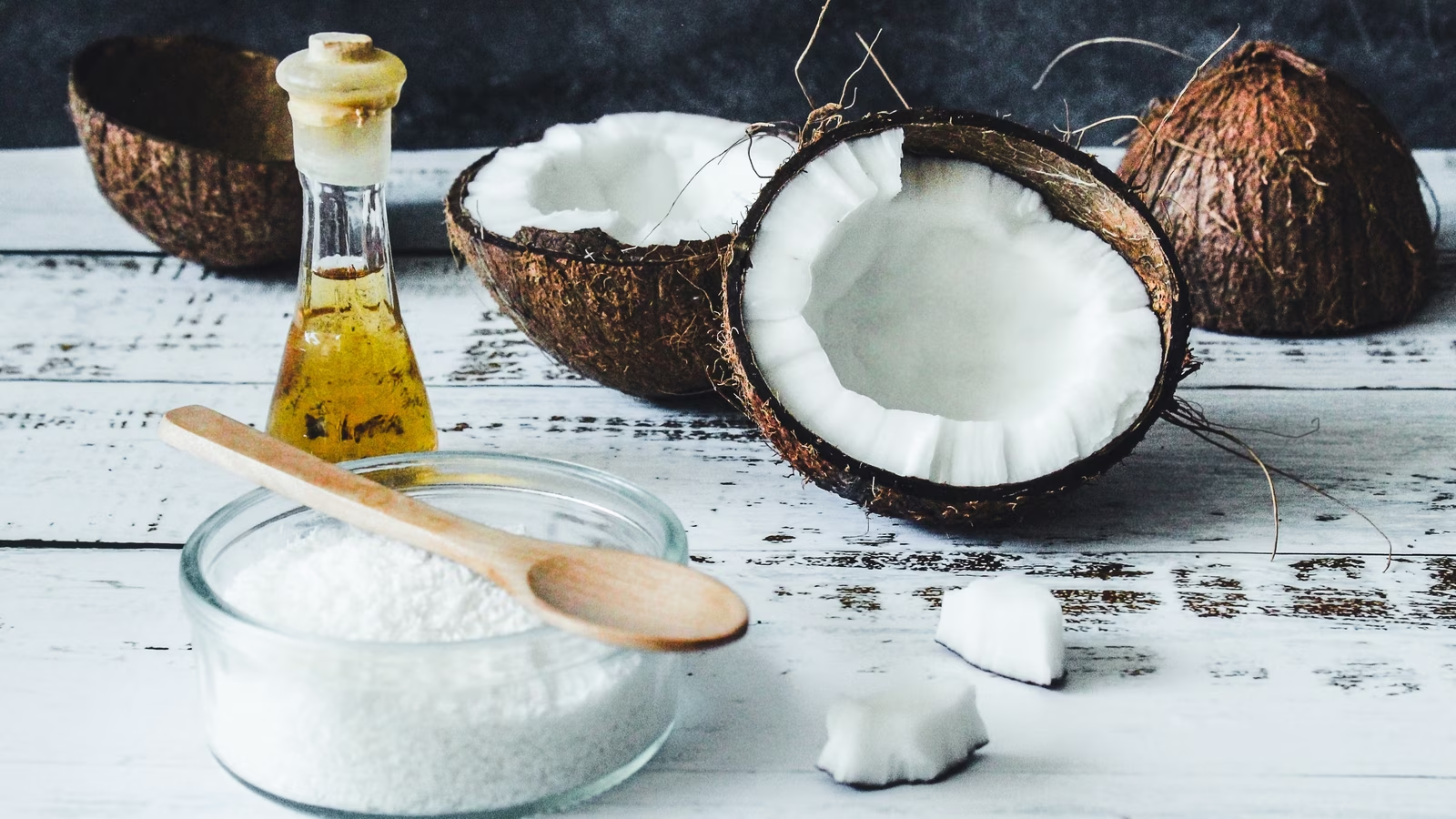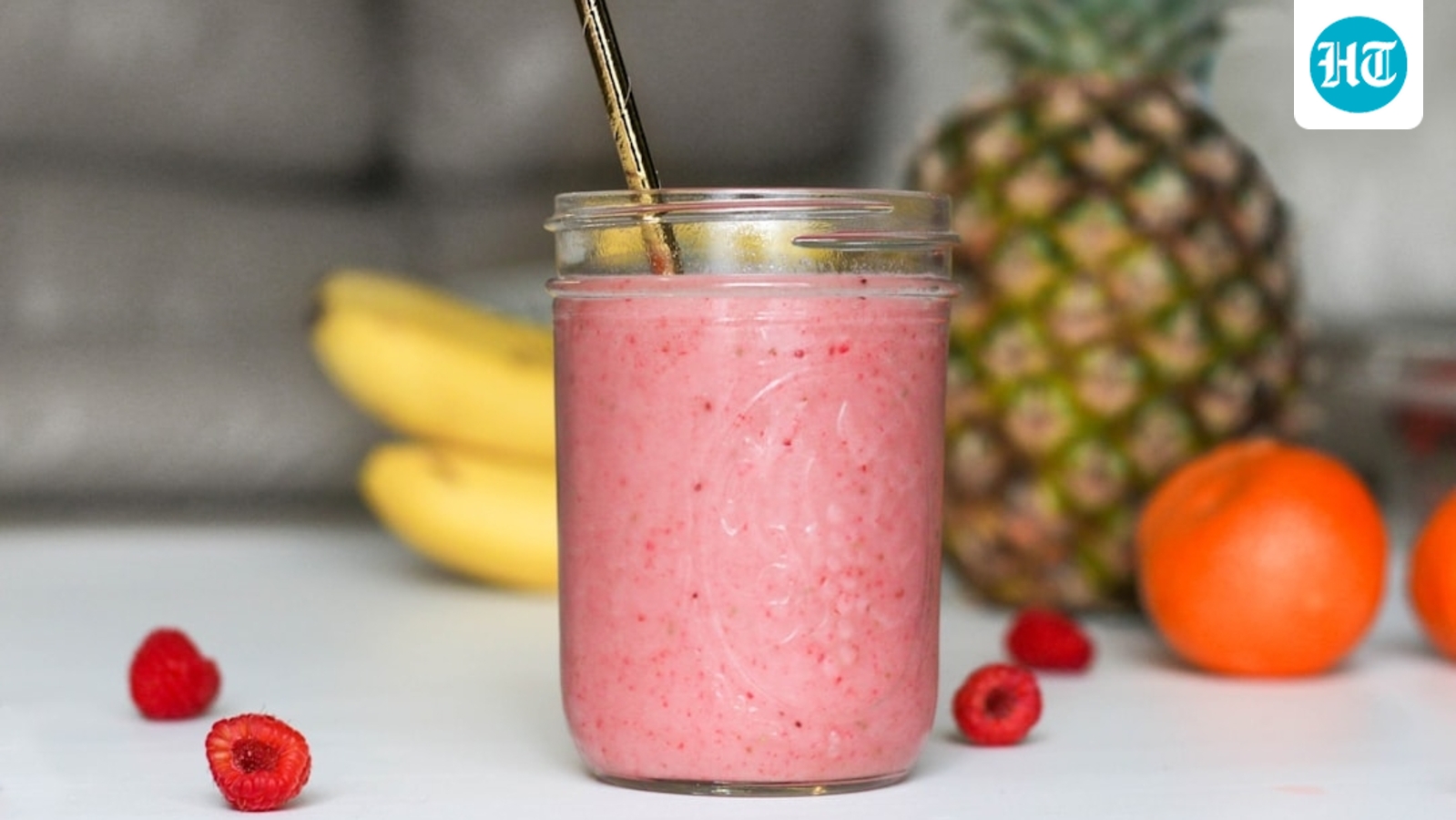
A nutritionist recommends avoiding certain cooling foods like sattu, fennel water, fruit and curd smoothies, and coconut water during winter to reduce mucus production and lower the risk of catching colds.
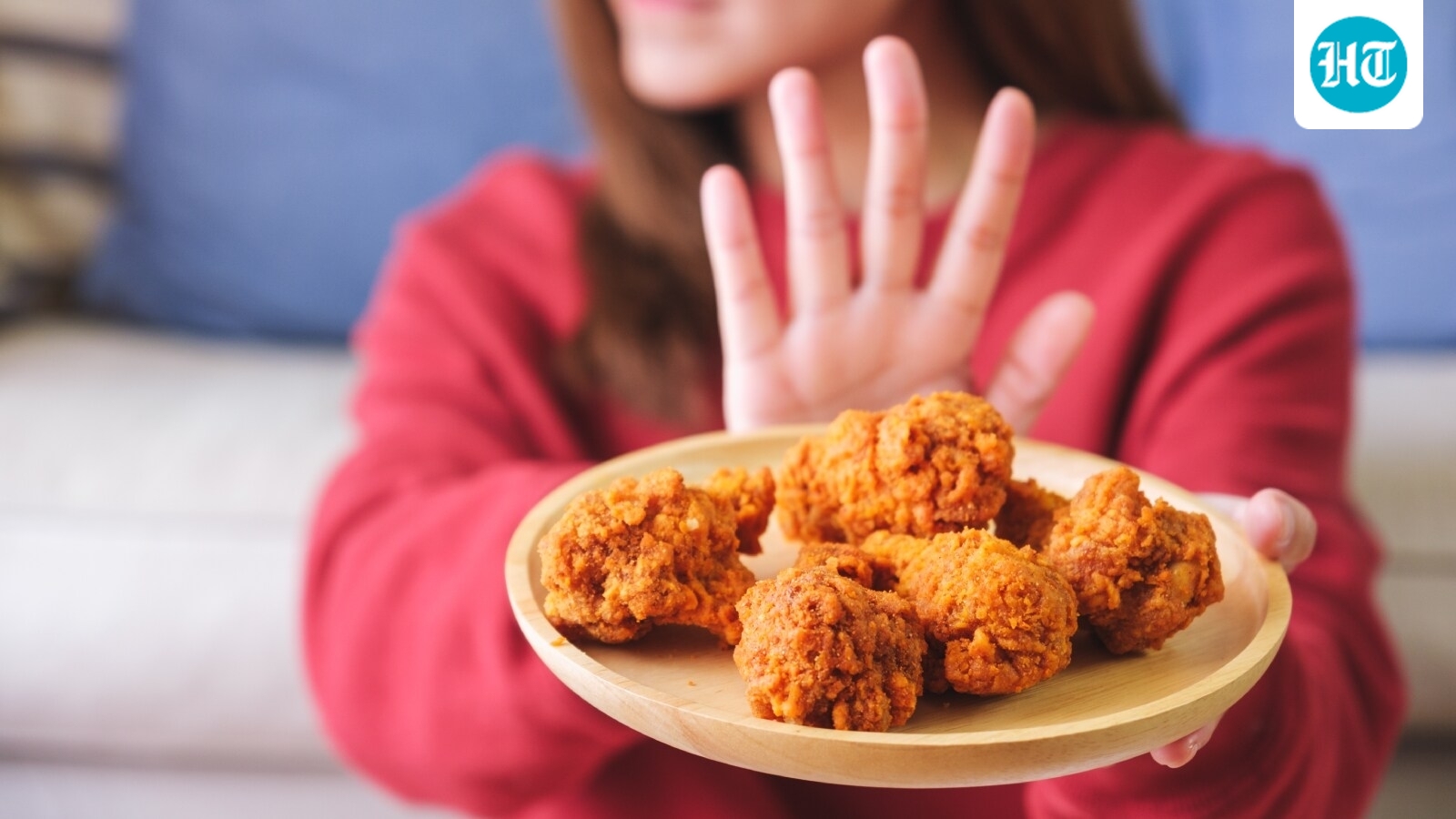
High uric acid levels, which can cause gout and joint pain, are often triggered by certain foods rich in purines. To manage and prevent symptoms, it is recommended to avoid red meats, organ meats, certain seafood, processed foods, alcohol, excessive lentils, sugary drinks, and high-fat dairy products. Making dietary and lifestyle changes can significantly reduce flare-ups and long-term health risks.
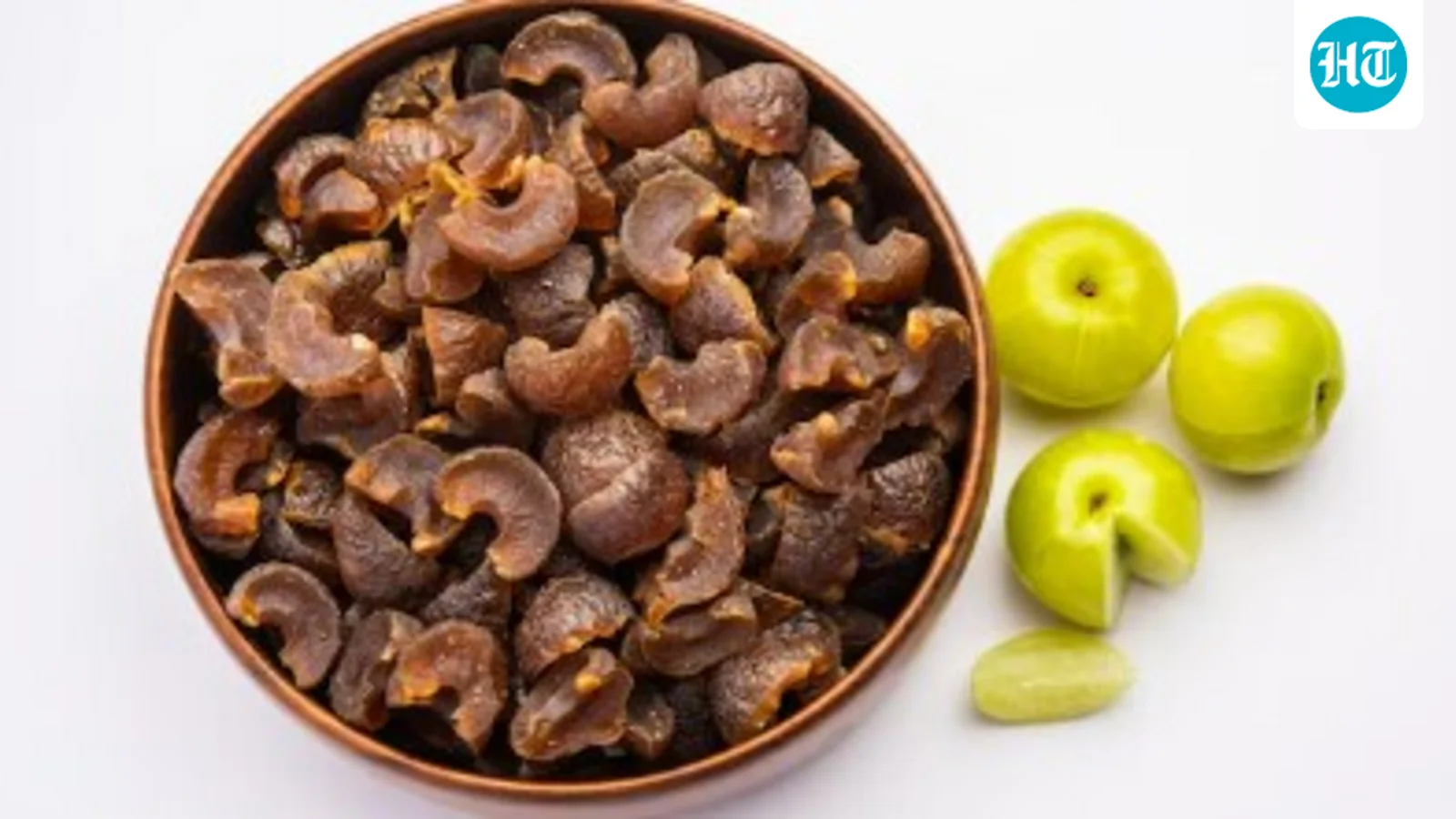
Pune-based nutritionist Amita Gadre advises avoiding high-sugar amla candy, chyawanprash, calorie-dense dry fruit laddus, sodium-rich ready-made soups, and excess ghee during winter to maintain health and avoid weight gain, recommending instead fresh, homemade, and moderate intake of nutritious foods.
A heart surgeon warns against four foods and drinks—fast food, soft drinks, milk products, and alcohol—that can harm your health, especially during the festive season, urging people to be mindful of their consumption despite holiday temptations.
A vascular surgeon warns that common foods like processed meats, fried street foods, refined carbs, sugary drinks, high-salt items, and ultra-processed foods can silently increase the risk of heart attacks by raising blood pressure, blood sugar, and inflammation, emphasizing the importance of mindful eating for heart health.
A cardiologist emphasizes the importance of diet in lowering bad cholesterol levels to prevent cardiovascular diseases, recommending foods rich in soluble fiber, healthy fats, and plant-based proteins, while advising to reduce intake of red and processed meats, full-fat dairy, and tropical oils.
Certain everyday foods like gluten, low-quality dairy, processed meats, refined sugars, and fried foods can promote chronic inflammation, which is linked to various health issues. Choosing whole, unprocessed foods and quality ingredients can help reduce inflammation.
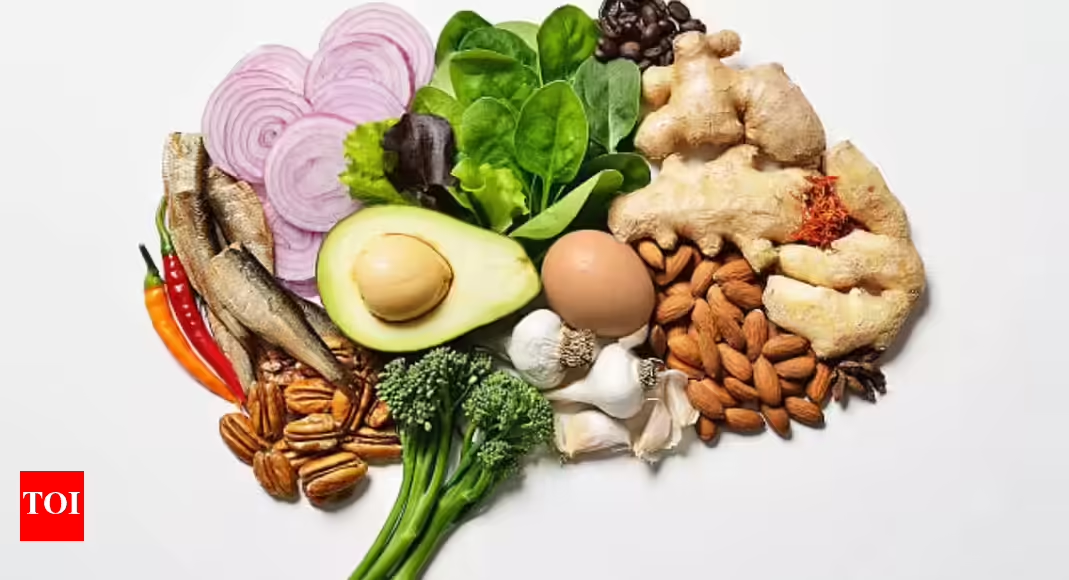
A team of health experts recommends incorporating foods rich in fiber and healthy fats, such as oats, brown rice, avocados, nuts, salmon, berries, and vegetables, into your diet to improve heart health and reduce the risk of cardiovascular disease. They also advise avoiding red and processed meats, ultra-processed foods, fried foods, and sugary beverages to support cardiovascular wellness.
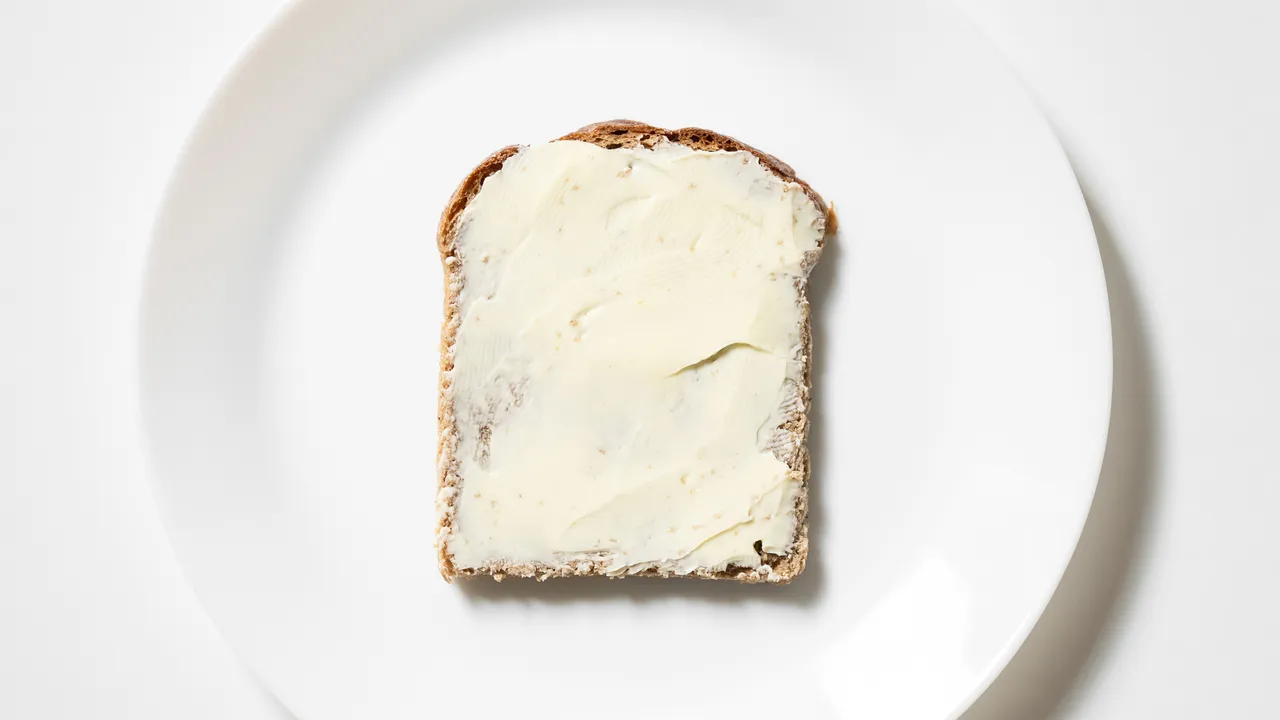
An anti-aging expert highlights 7 common foods and drinks—such as ice cream, cola, fruit juices, margarine, artificial sweeteners, muffins, and alcohol—that silently accelerate skin aging by damaging collagen, dehydrating, or causing inflammation, emphasizing the importance of mindful eating for maintaining youthful, radiant skin.
Certain common foods such as sugar substitutes, coffee, alcohol, dairy, gluten, high-FODMAP foods, spicy foods, fast food, and packaged foods can cause or worsen diarrhea and digestive issues. Keeping a food diary can help identify personal triggers, and moderation or avoidance of these foods may improve gut health.
Neurologists warn against consuming improperly canned foods, large reef fish like barracuda, and undercooked pork due to risks of neurotoxins and parasites that can harm the nervous system, emphasizing food safety and awareness of endemic areas.
Eating high-fat foods, alcohol, refined grains, protein-heavy snacks, and dairy before bed can worsen constipation by slowing digestion and causing dehydration. Instead, opt for light, high-fiber, and hydrating snacks, establish a consistent sleep routine, and incorporate gentle movement to promote regular bowel movements.
A neurologist highlights three foods to avoid for optimal brain health: large tropical reef fish like barracuda and grouper due to ciguatoxin, undercooked pork because of parasitic infections like neurocysticercosis, and damaged tin cans which may contain deadly botulinum toxin. Cooking does not neutralize some toxins, making avoidance crucial for neurological safety.
A cardiologist with 20 years of experience shares a list of 10 foods he would never buy due to their negative impact on heart health, including coconut oil, agave syrup, store-bought granola, and flavored Greek yogurt, emphasizing that many seemingly healthy foods can be harmful in the long run.
A Harvard-trained gastroenterologist lists six common foods linked to increased cancer risk, including processed meats, sugary drinks, deep-fried foods, charred meats, alcohol, and ultra-processed foods, and suggests healthier alternatives such as lean meats, herbal teas, baked vegetables, slow-cooked meats, non-alcoholic fermented drinks, and home-cooked meals to reduce cancer risk.