Recent advances in biomarker-based therapeutics are revolutionizing dementia treatment, making it an exciting time for patients and physicians alike, with new diagnostic and treatment options improving outcomes.
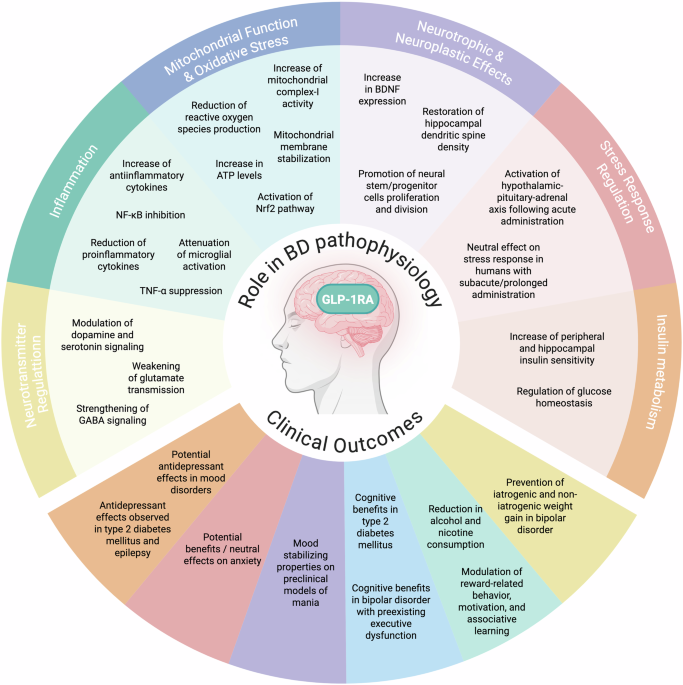
This review explores the potential of glucagon-like peptide-1 (GLP-1) receptor agonists as emerging treatments for bipolar disorder, summarizing preclinical and clinical evidence supporting their therapeutic role in mood regulation, neuroprotection, and metabolic health.
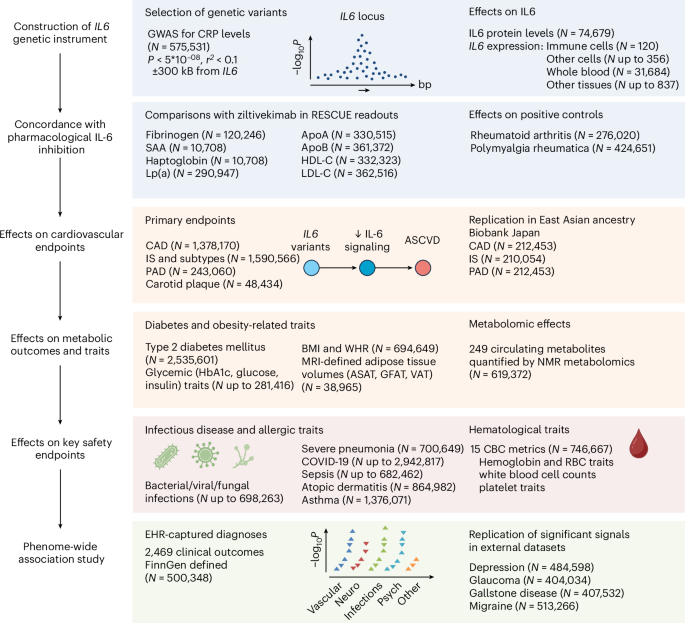
A genetic study shows that perturbation of IL-6 signaling, mimicking IL-6 inhibition, is associated with reduced risk of cardiovascular diseases, diabetes, and certain infections, supporting IL-6 as a promising therapeutic target for cardiometabolic conditions, while also highlighting potential safety concerns.
A new study reveals that psychedelics like LSD, psilocybin, and mescaline interact with a wide range of neural receptors beyond just serotonin, engaging multiple pathways that may explain their complex effects and therapeutic potential. These compounds activate numerous serotonin, dopamine, and adrenergic receptors, stimulating diverse intracellular signaling pathways, which could allow for the development of targeted, non-hallucinogenic therapies for mental health conditions. The findings highlight the intricate pharmacology of psychedelics and their potential for precision medicine in neuropsychiatry.
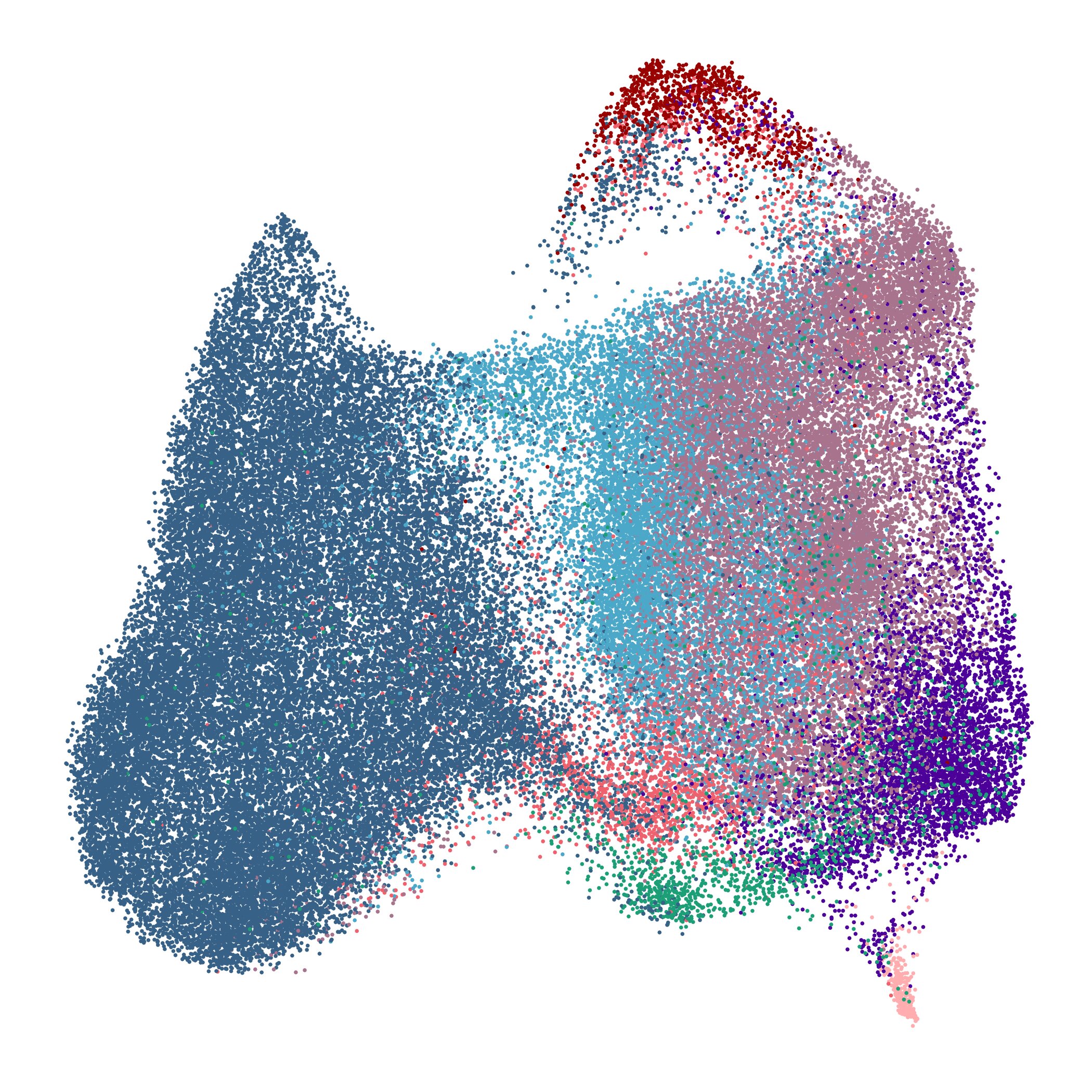
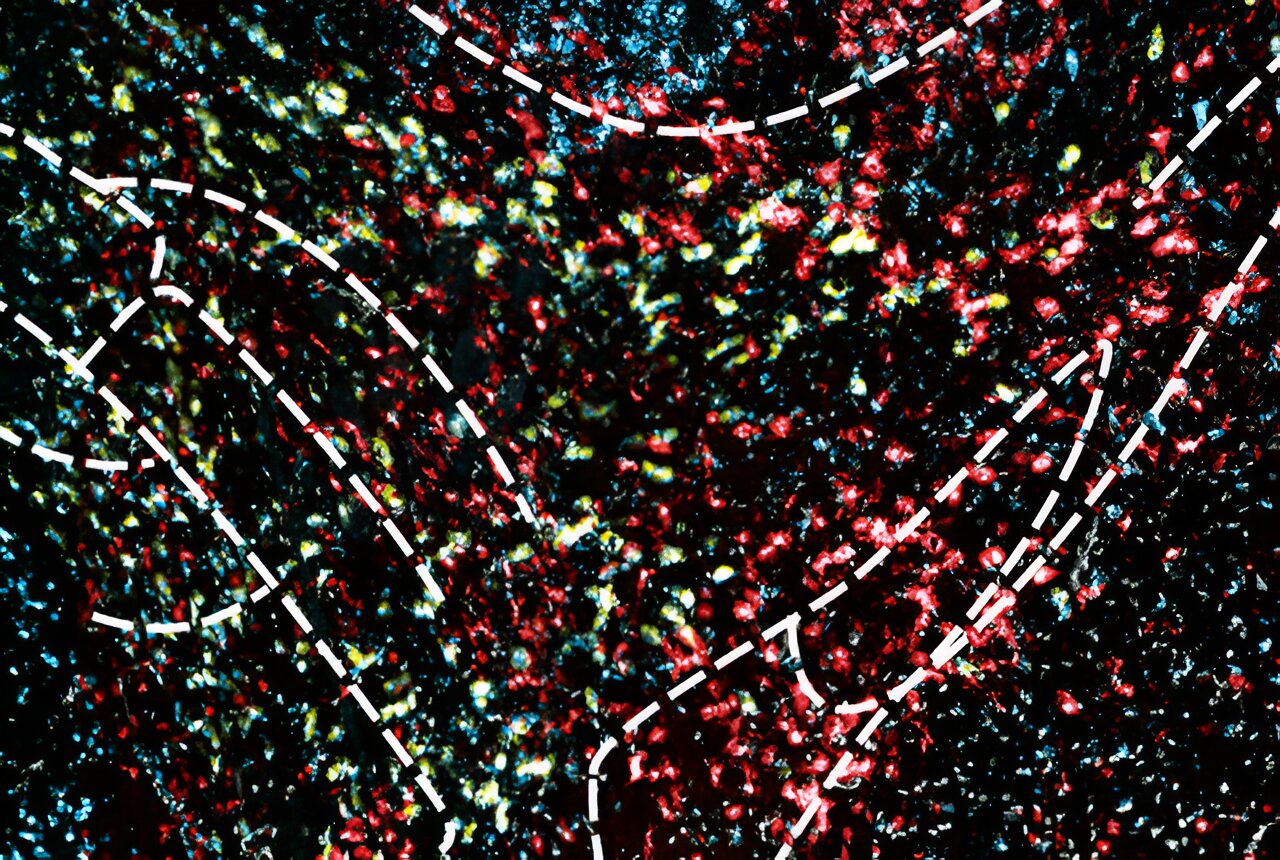
A UCLA-led study has provided the most detailed view yet of the biological mechanisms underlying autism, linking genetic risk to cellular and genetic activity in the brain. Using single-cell assays to analyze over 800,000 nuclei from post-mortem brain tissue, researchers identified major cortical cell types affected by autism and specific transcription factor networks driving these changes. These findings offer a framework for understanding molecular changes in autism and could lead to new therapeutic approaches.
Researchers from McMaster University and ALK-Abello A/S have identified a new type of memory B cell, MBC2, that specifically remembers allergies, providing a potential target for treating allergies and developing new therapeutics. The discovery, published in Science Translational Medicine, sheds light on how the immune system remembers allergens and produces antibodies that cause allergic reactions. This breakthrough could lead to new approaches for treating allergies, such as targeting and eliminating MBC2 cells or modifying their function to prevent harmful allergic responses.
Life Biosciences is focused on targeting the underlying biology of ageing to restore and prolong healthspan, defined as the number of healthy years lived. By addressing biological mechanisms of ageing, such as epigenetic modifications, the company aims to develop therapeutics that can reverse ageing and treat age-related diseases. Their lead program utilizes partial epigenetic reprogramming to treat age-related optic neuropathies, with plans to initiate human clinical trials in 2025. Additionally, they are exploring the potential of cellular rejuvenation in treating neurodegenerative diseases and other age-related conditions.
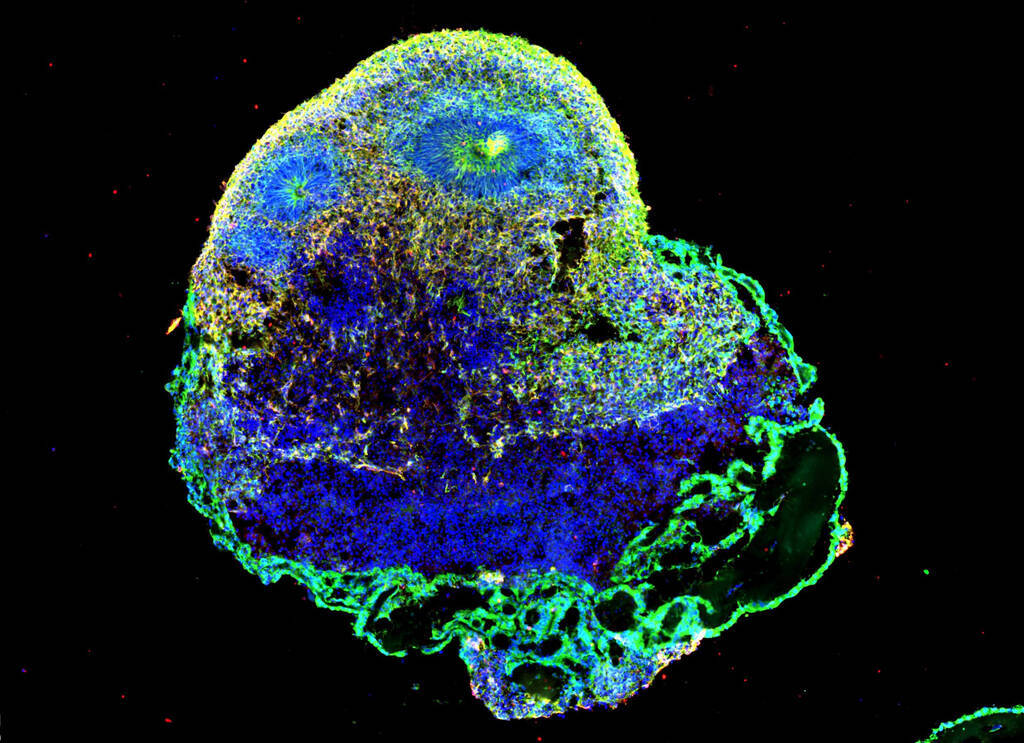
Researchers at the University of Queensland have discovered that COVID-19 accelerates the accumulation of senescent cells in the brain, which contribute to premature aging and cognitive impairments. Using synthetic brain organoid models, they identified four drugs that selectively eliminate these cells caused by COVID-19, rejuvenating the brain and reducing neurodegenerative symptoms. The study provides insights into the relationship between viral infections, aging, and neurological well-being, and could lead to the development of treatments for post-acute infection syndromes and neurodegenerative diseases.
The World Health Organization (WHO) has released its updated living guideline on therapeutics for the treatment of COVID-19, providing the most current recommendations based on emerging evidence. The guideline is available in PDF format and through an online platform, with separate documents for drugs to prevent COVID-19 and clinical management of COVID-19 patients. The latest version, published on 10 November 2023, includes important updates to recommendations.
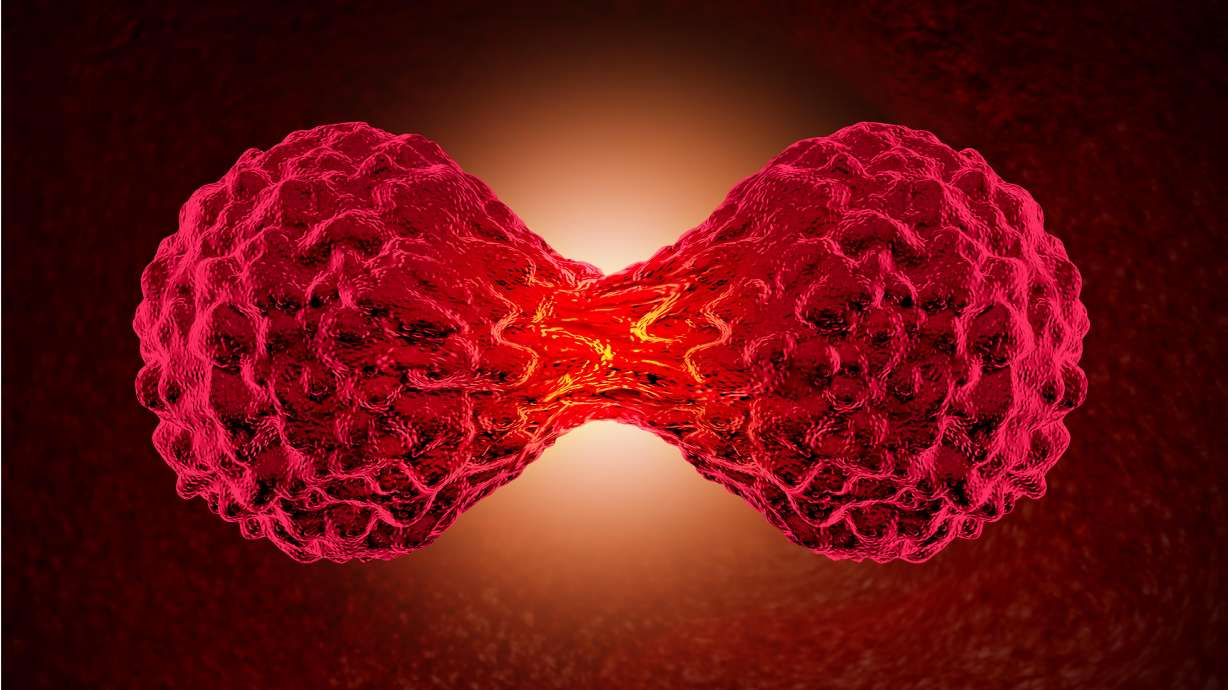
Researchers from the UC Davis Comprehensive Cancer Center have identified an epitope on the CD95 cell receptor, known as Fas, that can trigger the death of cancer cells. This discovery could lead to the development of new therapeutics to effectively target and kill cancer cells. By developing antibodies that selectively bind to and activate Fas in solid tumors, researchers hope to spark cell death and potentially enhance the efficacy of current cancer treatments. Additionally, the identification of this epitope could serve as a biomarker for the effectiveness of CAR T-cell immune therapy.
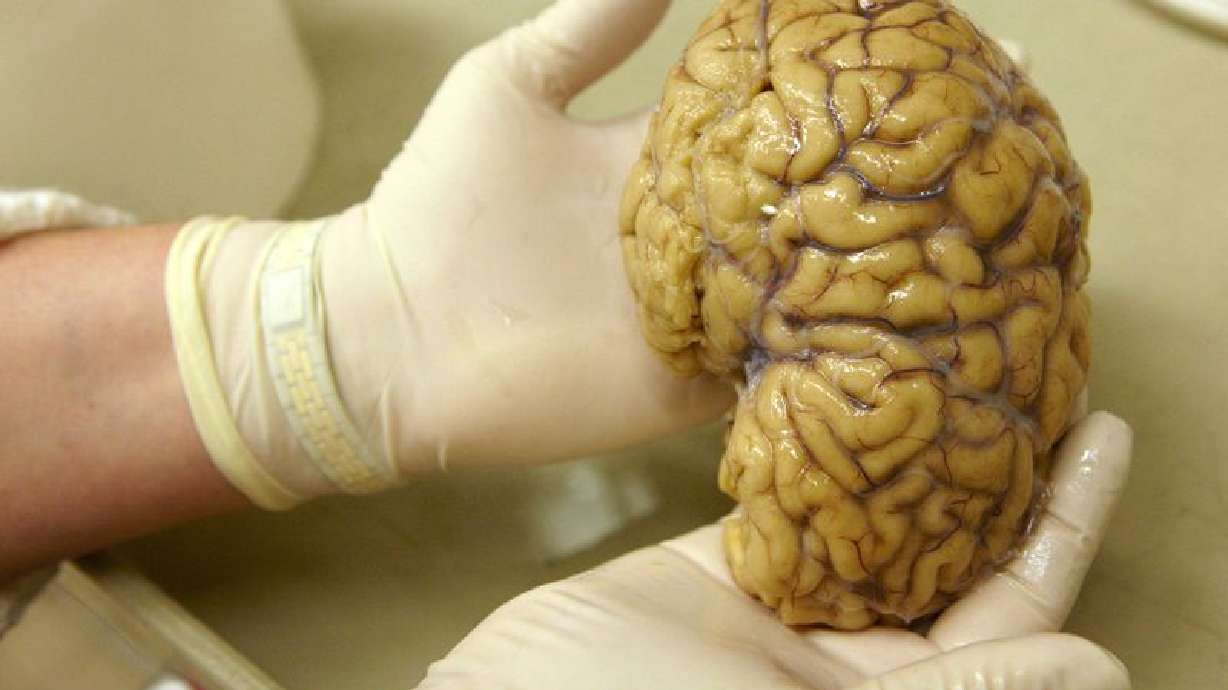
Scientists have created an atlas of the human brain at the cellular level, identifying over 3,300 cell types and mapping their distribution. The research, backed by the US government's National Institutes of Health, aims to understand the cellular basis of neurological diseases and develop new therapeutics. The study also compared the brains of humans and other primates, shedding light on the factors that make us human. The research could accelerate progress in understanding brain diseases and targeting future treatments. However, scientists acknowledge that there is still much more to learn about the complexity and function of the human brain.
Pfizer and Ginkgo Bioworks have entered into an R&D deal to develop RNA drugs, focusing on three therapeutic programs. The deal includes potential milestone payments of up to $331 million, with an undisclosed upfront amount. This collaboration reflects the growing importance of therapeutics in Ginkgo's business.
The U.S. Department of Health and Human Services (HHS) has awarded over $1.4 billion to Project NextGen, a program aimed at developing the future of COVID-19 vaccines and therapeutics. The funding includes $1 billion for vaccine clinical trials, $326 million for a new monoclonal antibody, and $100 million to explore novel vaccine and therapeutic technologies. The initiative, led by HHS' Biomedical Advanced Research and Development Authority (BARDA) and the National Institute of Allergy and Infectious Diseases (NIAID), aims to accelerate the development of more effective and longer-lasting coronavirus vaccines, streamline manufacturing processes, and address the evolving nature of the virus.
Researchers have identified two ion channel switches, Kv4.3 and BKCa1.1, that regulate dopamine release in the brain, influencing learning and motivation in mice. By manipulating these channels, the researchers observed changes in dopamine release patterns and corresponding behavioral effects. Turning off the channel controlling tonic activity increased motivation and task performance, while turning off the channel controlling phasic activity enhanced learning speed. This discovery could potentially lead to the development of therapeutics for mental illnesses, learning disabilities, depression, addiction, schizophrenia, and autism spectrum disorder.
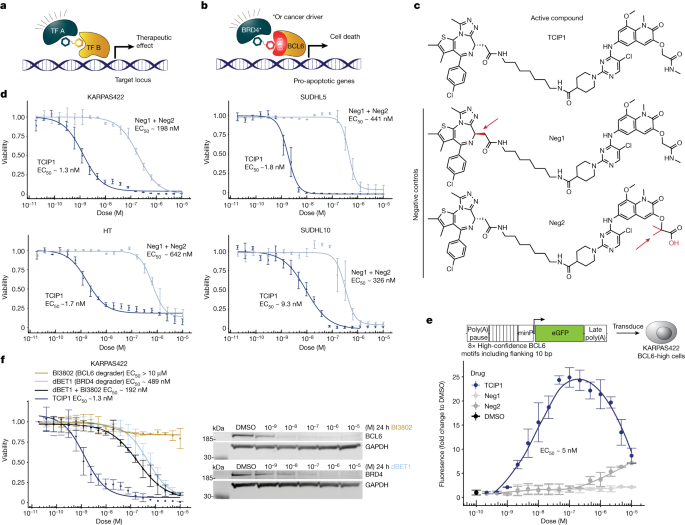
Researchers have developed a strategy to rewire cancer drivers and activate apoptosis, a process that leads to programmed cell death. By using small molecules to induce proximity between specific proteins, they were able to trigger the degradation of oncogenic transcription factors, such as BCL6, leading to the suppression of cancer cell growth. This approach shows promise as a potential therapeutic strategy for targeting cancer drivers and promoting apoptosis in cancer cells.