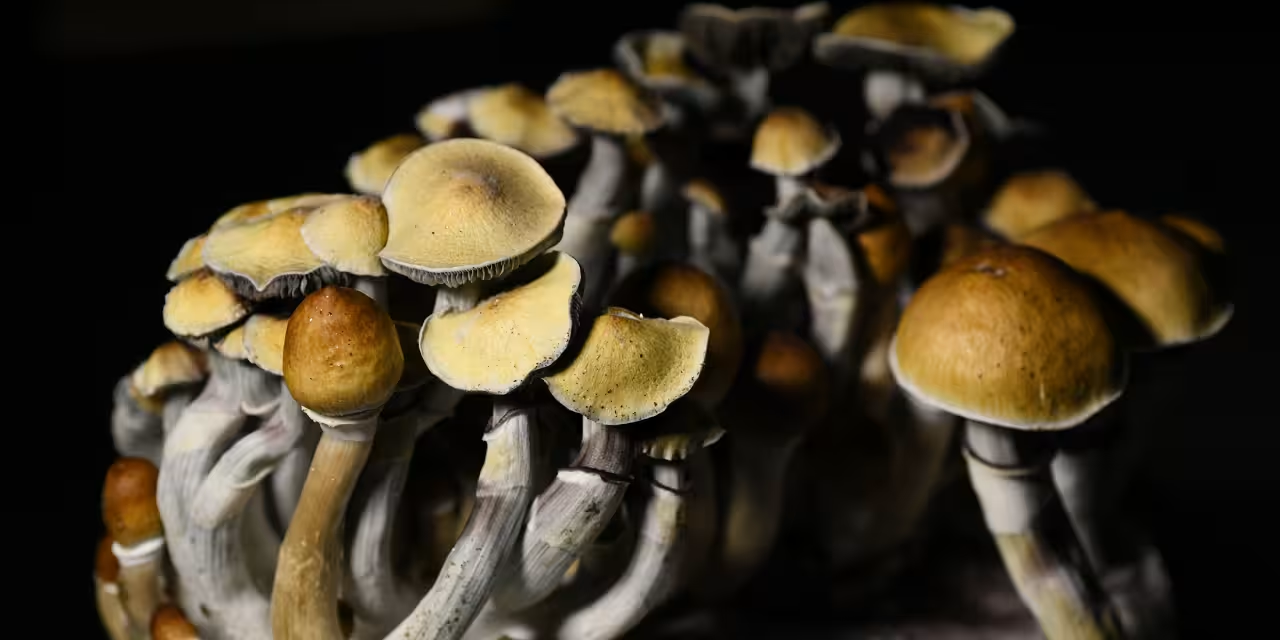
The article discusses the surprising rise of conservative and Christian support for psychedelics, particularly ibogaine, in the US, highlighting its potential therapeutic benefits for veterans and others, while also addressing the political, cultural, and safety issues surrounding its use.
New research indicates that psychedelics may enhance memory-related brain connections, particularly between the claustrum and anterior cingulate cortex, potentially explaining their therapeutic effects in mental health treatment by promoting neural plasticity and strengthening memory encoding.
Research suggests that psychedelics like psilocybin and ayahuasca may have potential as anti-inflammatory agents that can help treat chronic diseases and mental health conditions by calming the immune system without suppressing overall immune function, with ongoing studies exploring their mechanisms and the development of non-hallucinogenic derivatives.
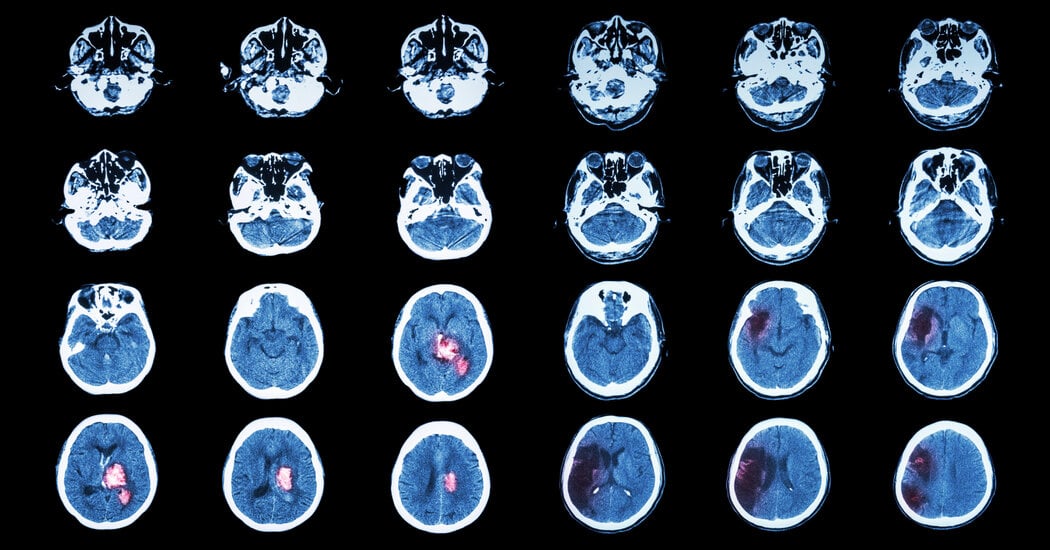
A new review suggests that psychedelics like psilocybin and 5-MeO-DMT may help treat traumatic brain injuries by reducing inflammation and promoting neuroplasticity, potentially aiding recovery and preventing psychiatric conditions, though more research is needed.
Researchers are exploring new neurorehabilitation tools like transcranial magnetic stimulation, antidepressants, and psychedelics to enhance the brain's natural healing after neurological damage, potentially improving recovery outcomes beyond traditional therapies.
A comprehensive study reveals that classical psychedelics interact with multiple brain receptors beyond the well-known 5-HT2A serotonin receptor, including dopamine and adrenergic receptors, which may explain their diverse effects and therapeutic potential. The research highlights the importance of receptor polypharmacology in understanding psychedelic effects and safety, providing a valuable dataset for future drug development.
A large UK study found that individuals who used psychedelics and cannabis during the COVID-19 pandemic experienced improvements in anxiety and depression over time, with their mental health scores becoming comparable to those who never used illicit drugs, suggesting potential therapeutic benefits of psychedelics in times of crisis.
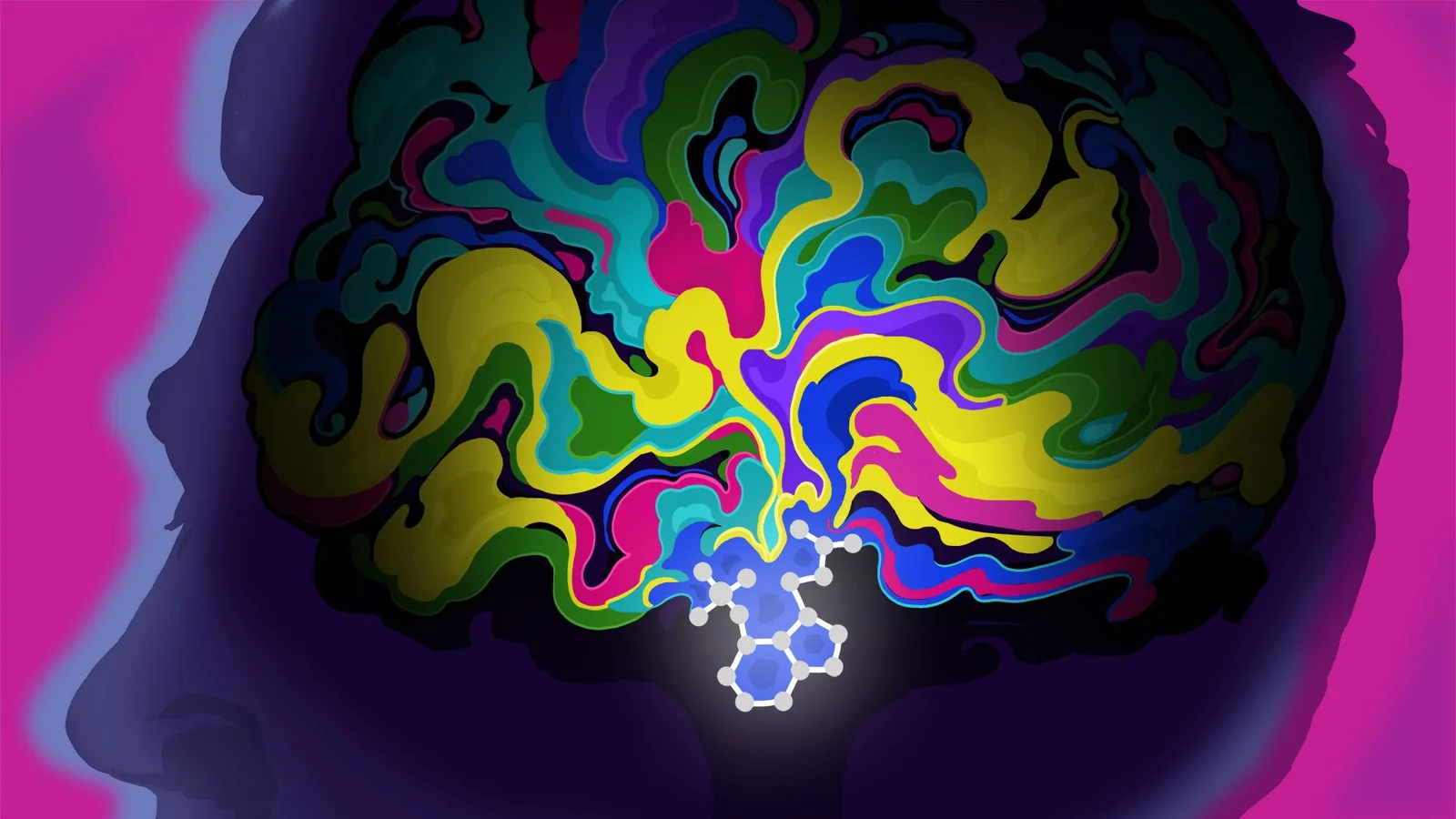
A new study reveals that psychedelics like LSD, psilocybin, and mescaline interact with a wide range of neural receptors beyond just serotonin, engaging multiple pathways that may explain their complex effects and therapeutic potential. These compounds activate numerous serotonin, dopamine, and adrenergic receptors, stimulating diverse intracellular signaling pathways, which could allow for the development of targeted, non-hallucinogenic therapies for mental health conditions. The findings highlight the intricate pharmacology of psychedelics and their potential for precision medicine in neuropsychiatry.
A drug related to the psychedelic DMT, BPL-003, shows promising results in treating difficult depression, boosting biotech stocks and indicating a potential shift in FDA attitudes towards psychedelic medicines for mental health conditions.
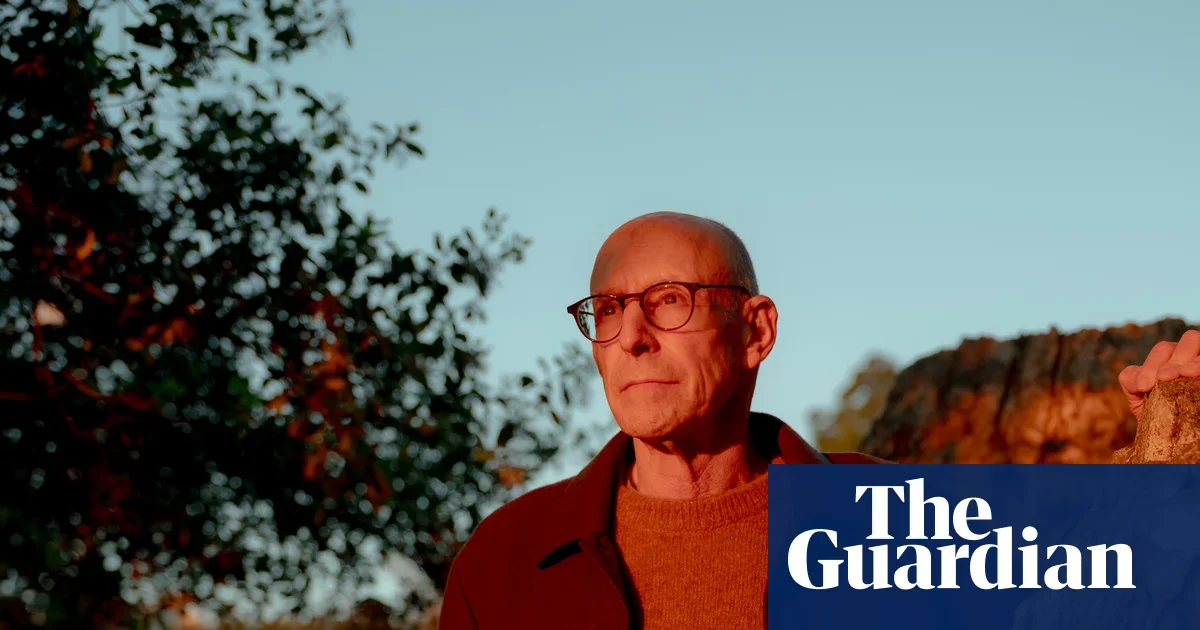
Kennedy is advocating for the use of psychedelics in mental health treatment within the Republican Party, highlighting government-supported research and shifting political attitudes towards these drugs, especially among veterans and in red states, despite ongoing scientific and regulatory concerns.
NFL player Braden Smith, battling OCD and religious scrupulosity, turned to psychedelic treatments like ibogaine and 5-MeO-DMT in Mexico after traditional therapies failed, leading to significant mental health improvements and a renewed outlook on his career and faith.
A study of survivors from the Nova Festival attack in Israel found that those who used classic psychedelics like LSD or psilocybin reported lower anxiety and PTSD symptoms, suggesting potential therapeutic effects, though further controlled research is needed.
Research into how reward memories are stored in the brain and how they differ between natural rewards and drugs could lead to targeted treatments for addiction, including the use of psychedelics to potentially reset harmful neural pathways. Understanding the specific neuronal ensembles involved in drug-related memories may help develop therapies that reduce drug seeking without affecting essential survival behaviors.
The documentary 'In Waves and War' explores the struggles of Navy SEALS with PTSD, addiction, and other mental health issues following deployments to Iraq and Afghanistan. It highlights the potential of psychedelic treatments like ibogaine and 5-MeO-DMT, which some veterans have found beneficial despite regulatory challenges in the U.S. The film underscores the mental health crisis among veterans and the need for alternative therapies.
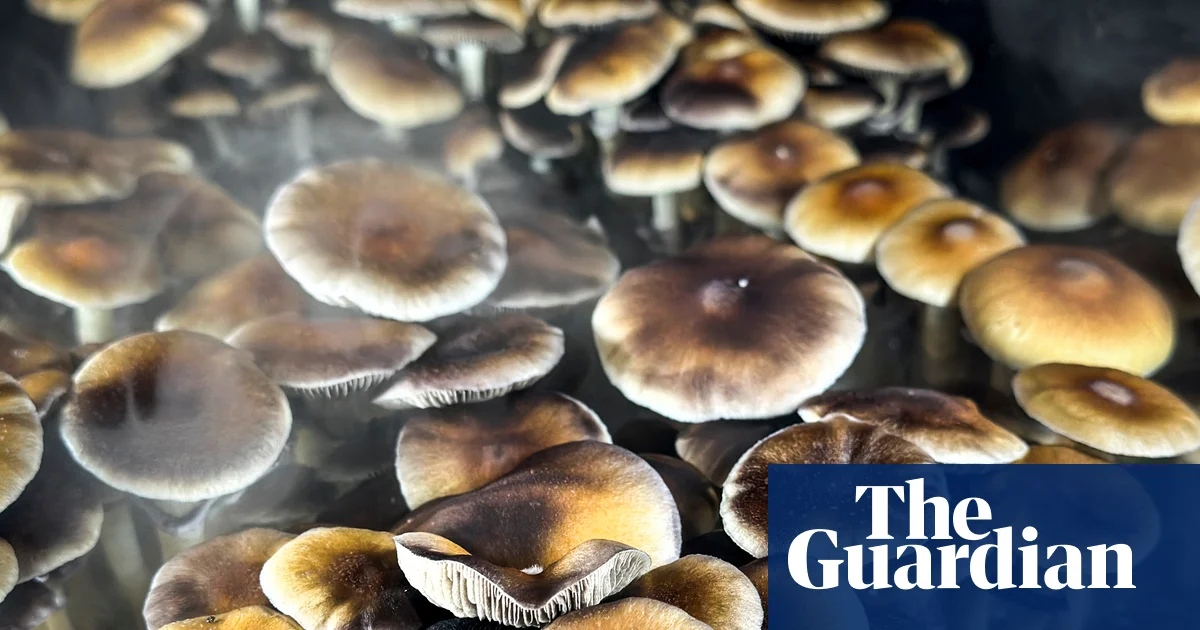
A 30-year-old man in Phoenix, Arizona, experienced severe health complications after injecting a tea made from psilocybin-containing "magic mushrooms" into his bloodstream. This unusual method of administration led to a fungal and bacterial infection, causing multisystem organ failure and acute respiratory syndrome. The patient was treated with antibiotics and antifungal drugs and placed on a ventilator. This case underscores the dangers of using psychedelics in non-prescribed ways, particularly through injection, as the man attempted to self-medicate for bipolar disorder and opioid dependence.