neuroscience77.56 min read
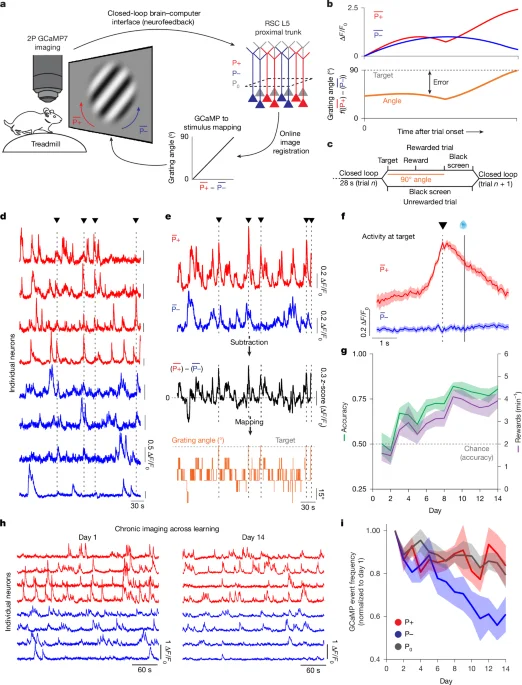
Dendrites Carry Tailored Teaching Signals for Brain Learning
2 days ago•Source: Nature

The latest neuroscience stories, summarized by AI

A Science Signaling study shows acetate, a by-product of metabolism, enhances long-term memory in female mice by promoting histone acetylation and upregulating learning-related genes in the dorsal hippocampus; the effect is minimal in males and requires concurrent learning activity.
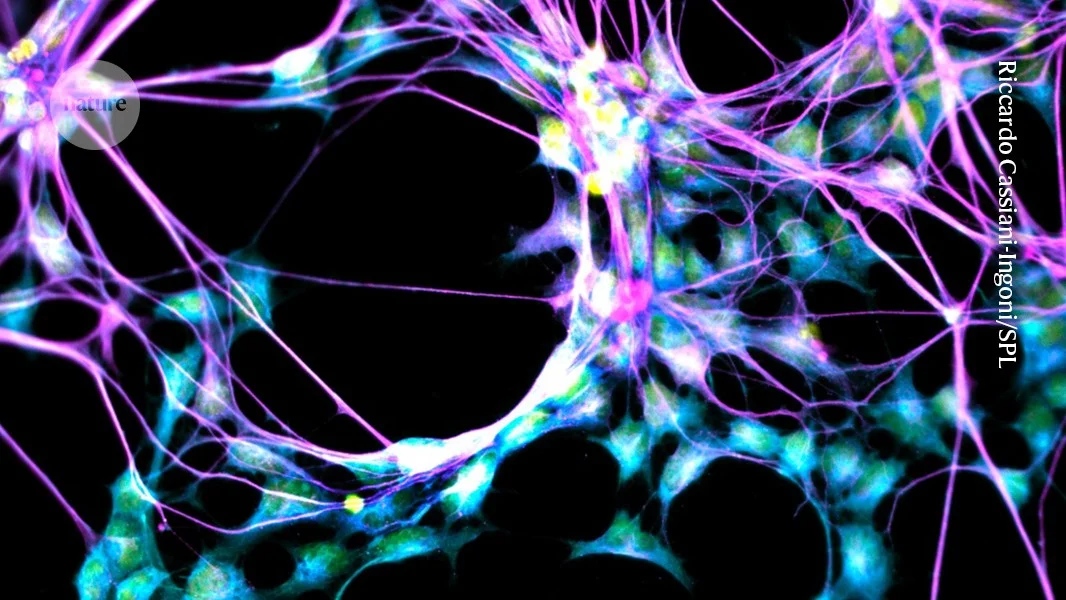
Neuroscience News•4 days ago
PsyPost•11 days ago
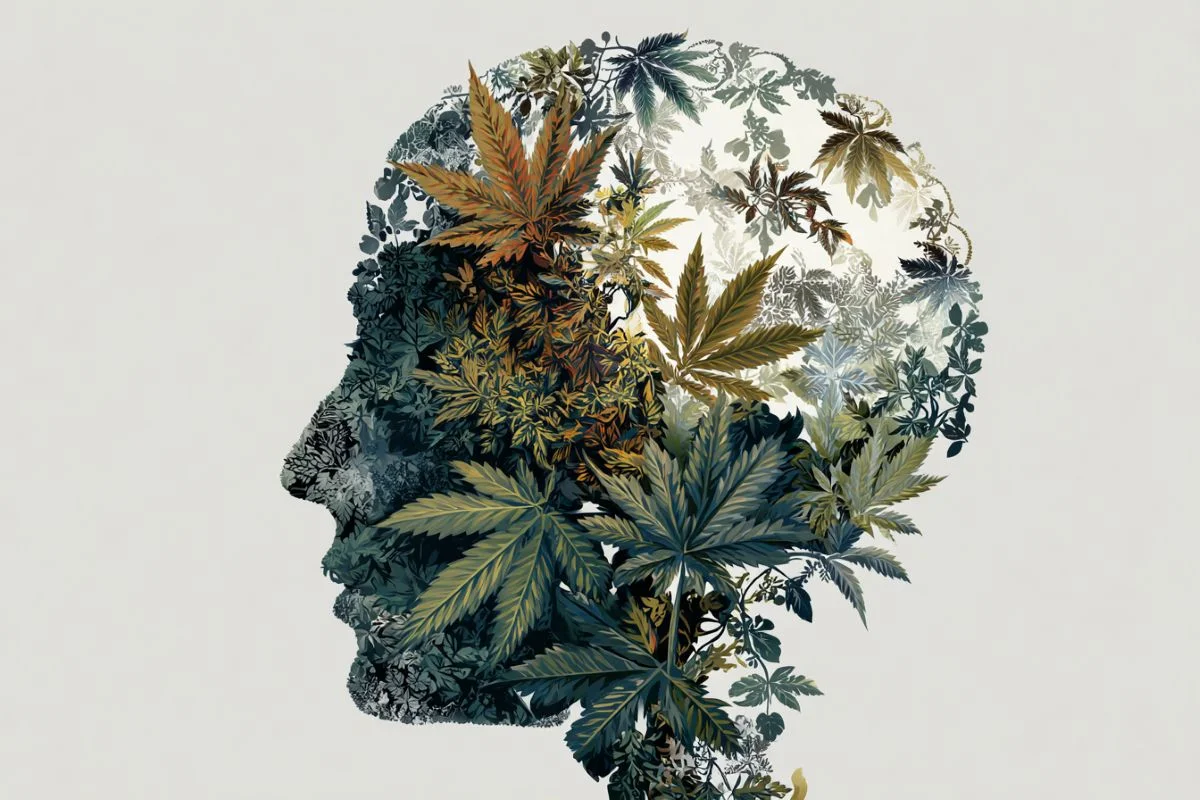
A UK Biobank study of 26,000+ adults aged 40–77 found lifetime cannabis use generally associates with larger volumes in CB1-rich brain regions (notably the hippocampus) and better cognitive performance, with the strongest benefits in moderate users; however, some regions showed different effects (posterior cingulate volume lower), and researchers caution that potency, usage patterns, and aging context matter, so this is not a clinical recommendation.
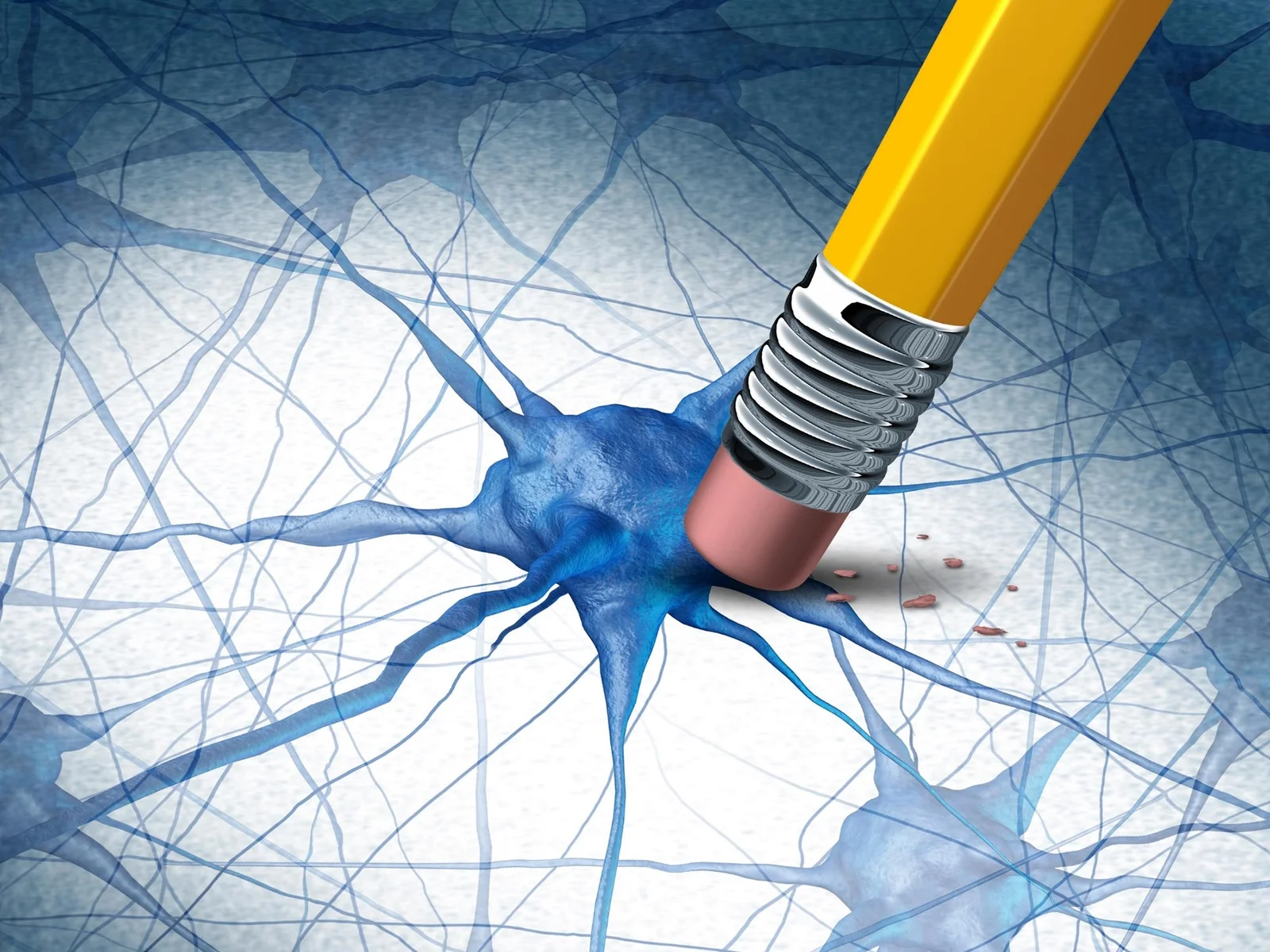
An international study shows boosting NAD+ levels can protect and reverse Alzheimer's-related brain damage by activating an EVA1C-regulated RNA-splicing pathway, correcting mis-splicing, improving hundreds of genes tied to brain health, and restoring memory in worm and mouse models with supporting human brain data—hinting at a new therapeutic approach beyond targeting plaques or tangles.
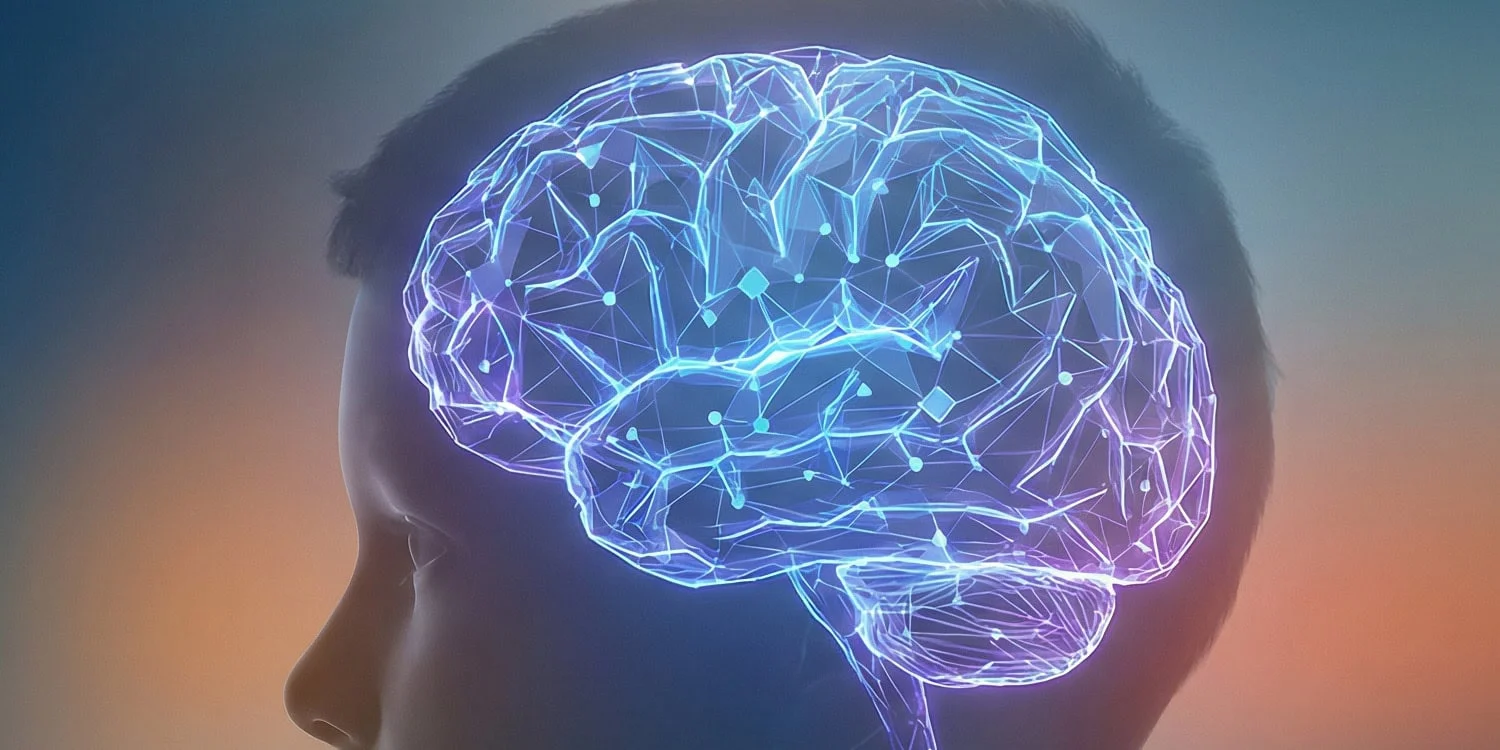
A neuroimaging study of drug-naïve adolescent girls with borderline personality disorder found reduced activation in the right dorsolateral prefrontal cortex and other regions during self-reflection compared with healthy controls, suggesting diminished cognitive control over identity processing; results hint that some social-cognition networks may be preserved, but generalizability is limited by the small, female-only sample and study design, underscoring the need for replication and longitudinal work.

A meta-analysis of 14 studies finds recreational MDMA users perform worse on memory tests than non-users, with verbal memory most affected, and these deficits persisting even after six months to years of abstinence. Current users do not differ much from abstinent users, suggesting potential long-lasting effects. However, evidence quality is generally low due to cross-sectional designs and confounding polydrug use, underscoring the need for longitudinal studies and objective exposure measures to clarify reversibility and public health risk.
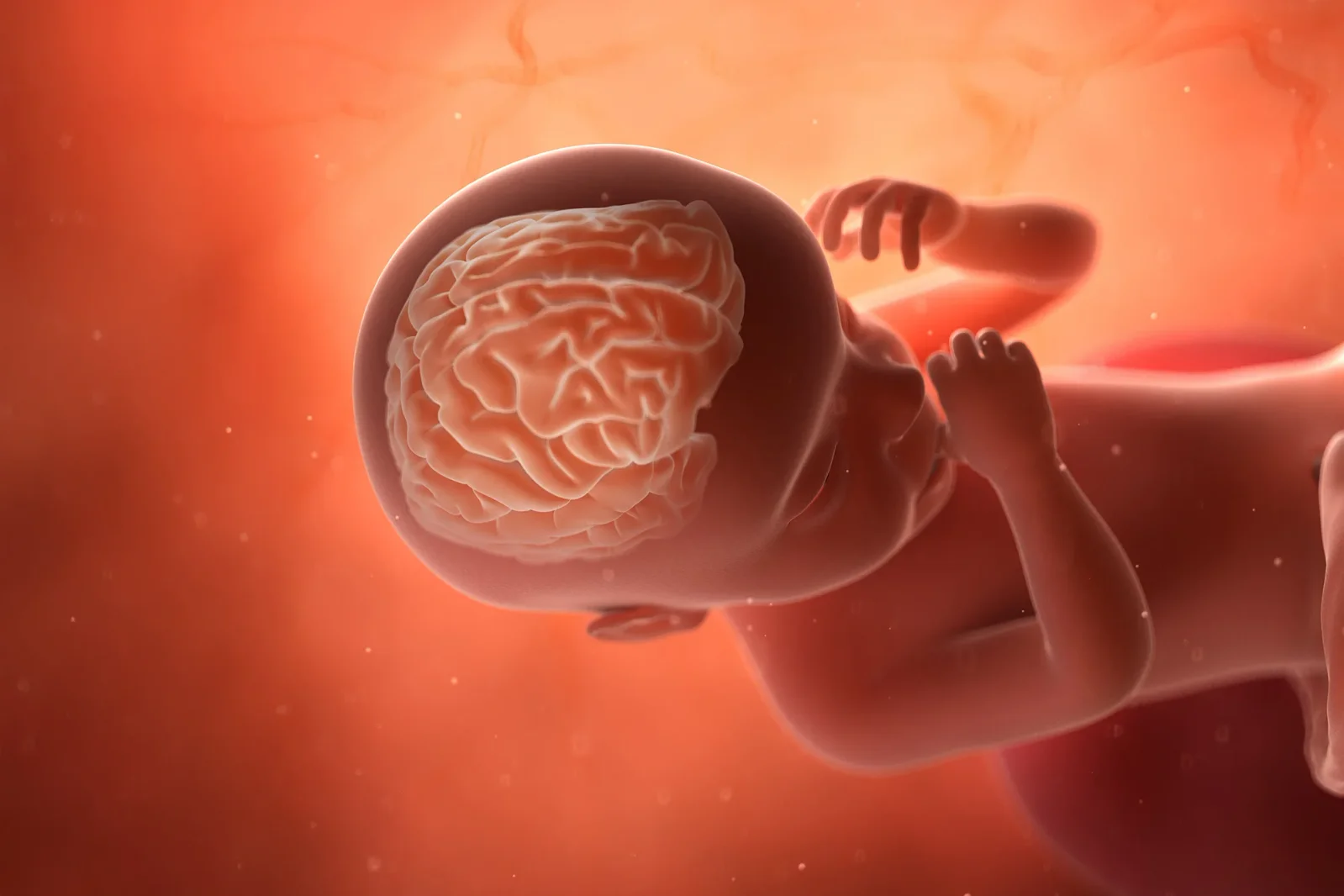
Using nearly 800 prenatal and postnatal brain scans, Cambridge researchers mapped brain growth from mid‑pregnancy to the first month after birth and found sex differences emerge before birth, with male brains showing greater overall growth. White matter drives mid‑pregnancy growth while grey matter dominates late pregnancy and after birth, and subcortical grey matter peaks earlier than cortical regions. The team plans to test whether prenatal sex hormones contribute, with potential relevance to neurodevelopmental conditions such as autism.
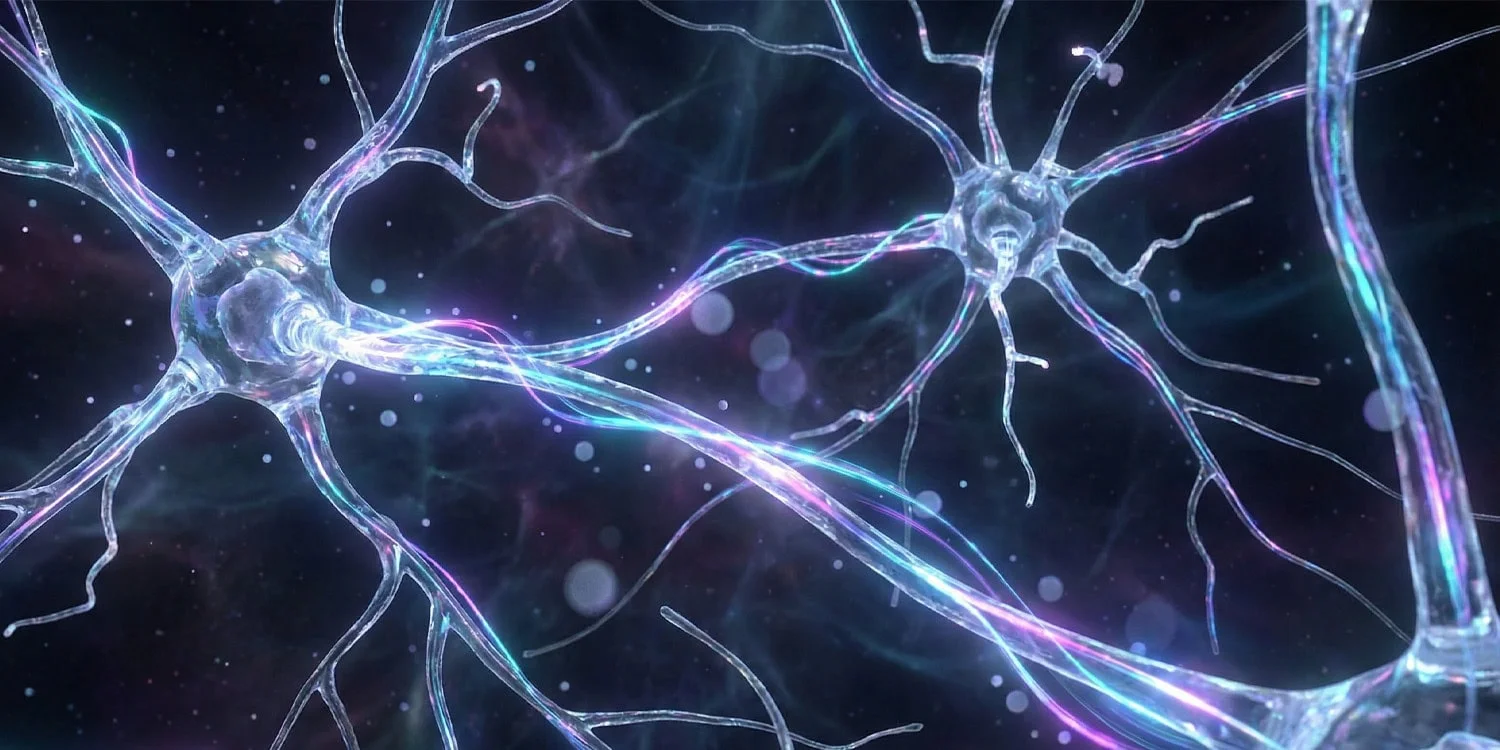
A rat study shows a single dose of psilocybin yields antidepressant-like behavior lasting at least 12 weeks, without lasting spine growth; instead, lasting functional changes in neuron firing (increased excitability and depolarized readiness) in the medial prefrontal cortex likely underlie the effect, with similar results from the 5-HT2A-targeting drug 25CN-NBOH, implicating this receptor; study notes limitations and cautions about translating to humans.
UC Davis researchers developed a light-driven method that combines amino acids with tryptamine and, after UV exposure, reshapes them into new molecules that activate the serotonin 5-HT2A receptor and may offer psychedelic-like brain benefits without altering perception. In mice, the leading compound fully activated 5-HT2A but did not induce hallucinogenic behaviors (head-twitch responses), leading researchers to pursue further studies on how other serotonin receptors might modulate or suppress perceptual effects.
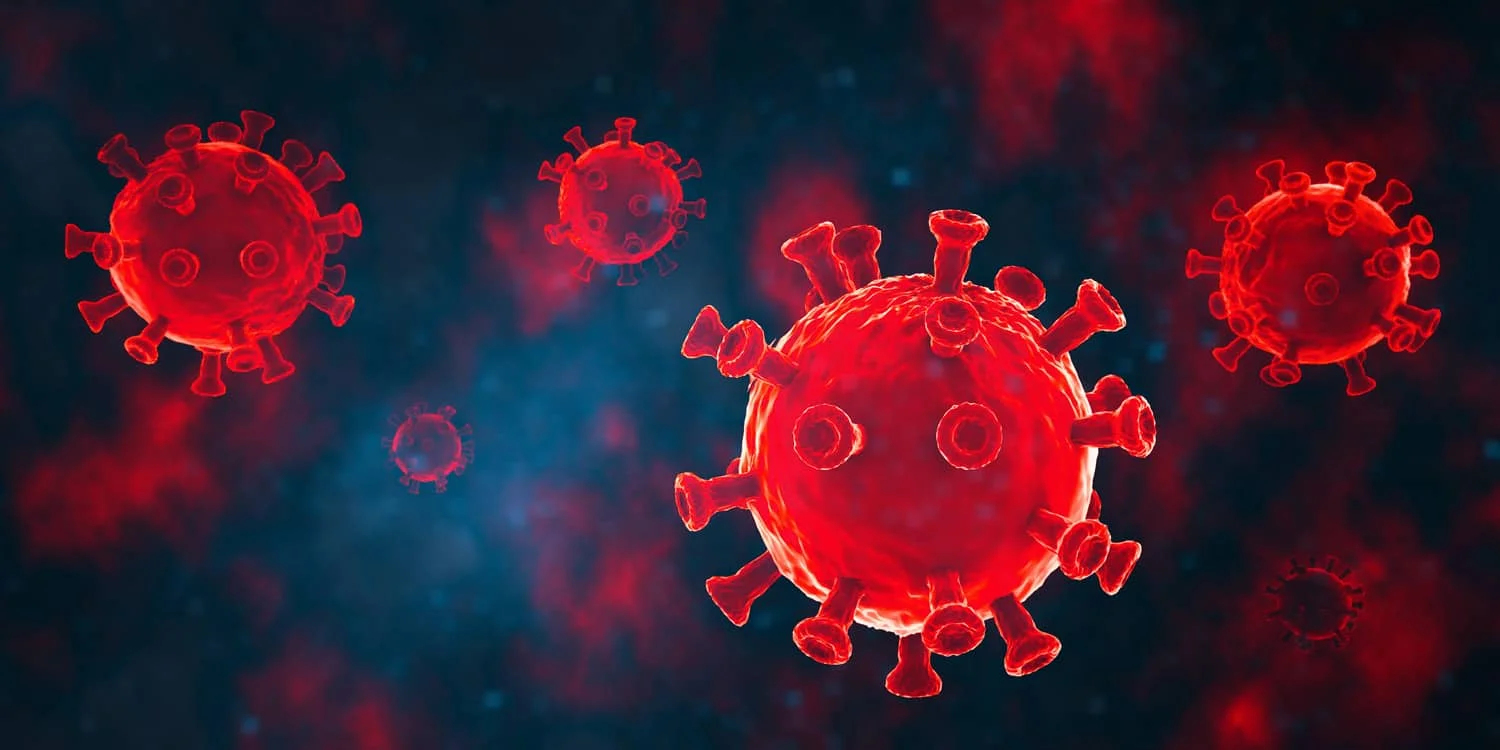
A multimodal MRI study comparing Long COVID, recovered (symptom-free), and never-infected groups (47 participants) found distinct brain changes in tissue microstructure and neurochemistry associated with Long COVID and footprints in those who have fully recovered. Differences include altered myelin proxies (T1w/T2w) in motor and memory regions, diffusion changes in the cerebellum and brainstem, and metabolic shifts (lower glutamine, higher N-acetyl-aspartate) that correlated with physical function and cognitive scores. The study suggests SARS-CoV-2 may leave a brain footprint even after apparent recovery, but its cross-sectional design and small sample size mean longitudinal research is needed to determine permanence and timeline.
Researchers propose using noninvasive transcranial focused ultrasound to stimulate specific deep-brain regions in healthy subjects, enabling cause‑and‑effect tests of how consciousness arises and where it resides, potentially resolving debates about localized versus network-based origins of conscious experience.
A Bonn-led study finds that the human brain stores memory content and its context in separate neuron populations—content neurons fire for specific items, context neurons for the task or situation—whose coordinated interactions enable flexible recall through pattern completion.