Researchers at St. Jude Children’s Research Hospital developed ConVERGD, a tool for precise manipulation of specific cell subpopulations, revealing a norepinephrine neuron subpopulation linked to anxiety. This innovation could significantly impact research and treatment across various fields.
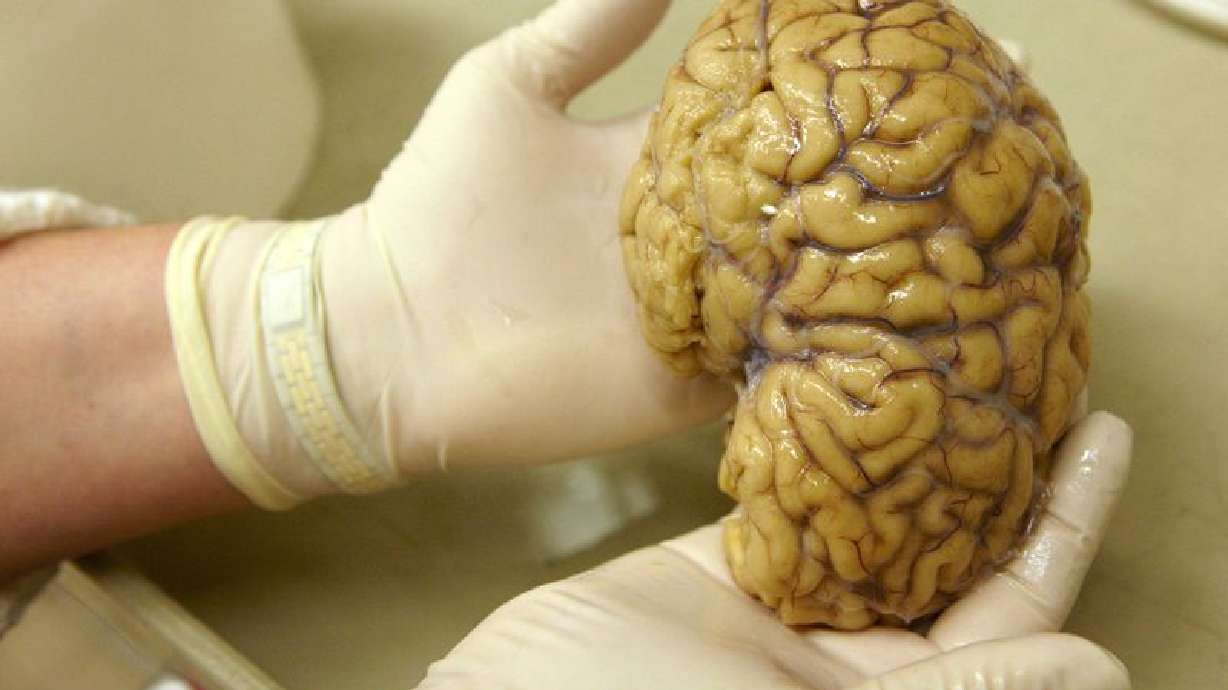
Scientists have created an atlas of the human brain at the cellular level, identifying over 3,300 cell types and mapping their distribution. The research, backed by the US government's National Institutes of Health, aims to understand the cellular basis of neurological diseases and develop new therapeutics. The study also compared the brains of humans and other primates, shedding light on the factors that make us human. The research could accelerate progress in understanding brain diseases and targeting future treatments. However, scientists acknowledge that there is still much more to learn about the complexity and function of the human brain.
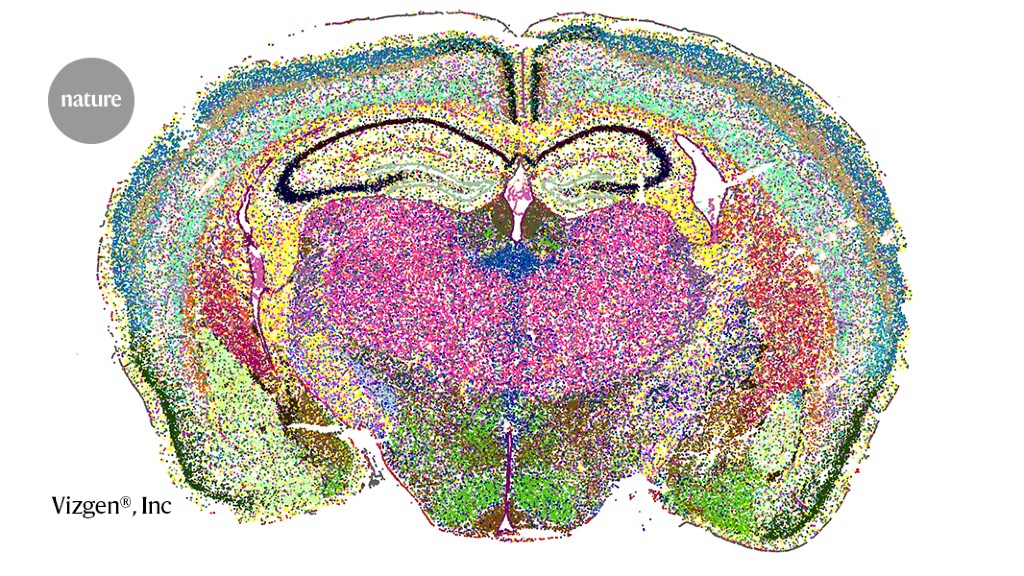
Researchers are making significant progress in mapping the mouse brain by combining high-throughput single-cell RNA sequencing with spatial transcriptomics. These methods allow for the identification and mapping of different categories of brain cells, providing comprehensive atlases of the mouse brain. The next steps involve understanding the functions of these molecularly defined cell types and creating a unified resource for the neuroscience community. These efforts are part of the larger BRAIN Initiative Cell Census Network, which aims to create comprehensive maps of cells in the brains of mice and primates, including humans.