science76.015 min read
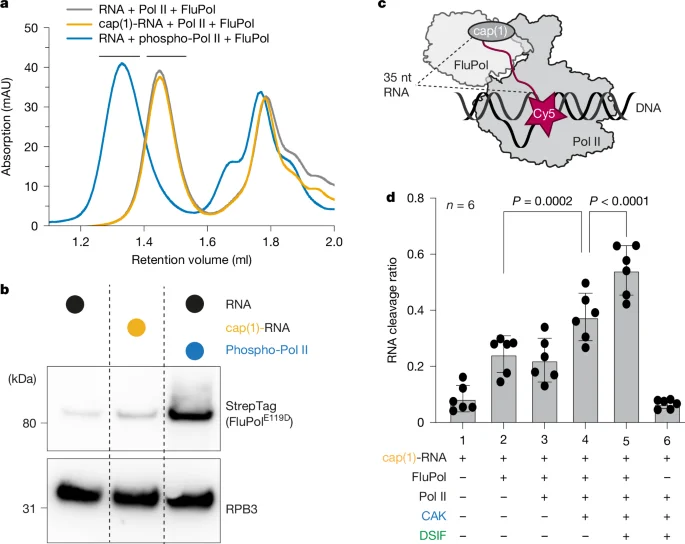
Cryo-EM maps reveal how influenza polymerase snatches caps from host transcripts
17 minutes ago•Source: Nature

The latest science stories, summarized by AI
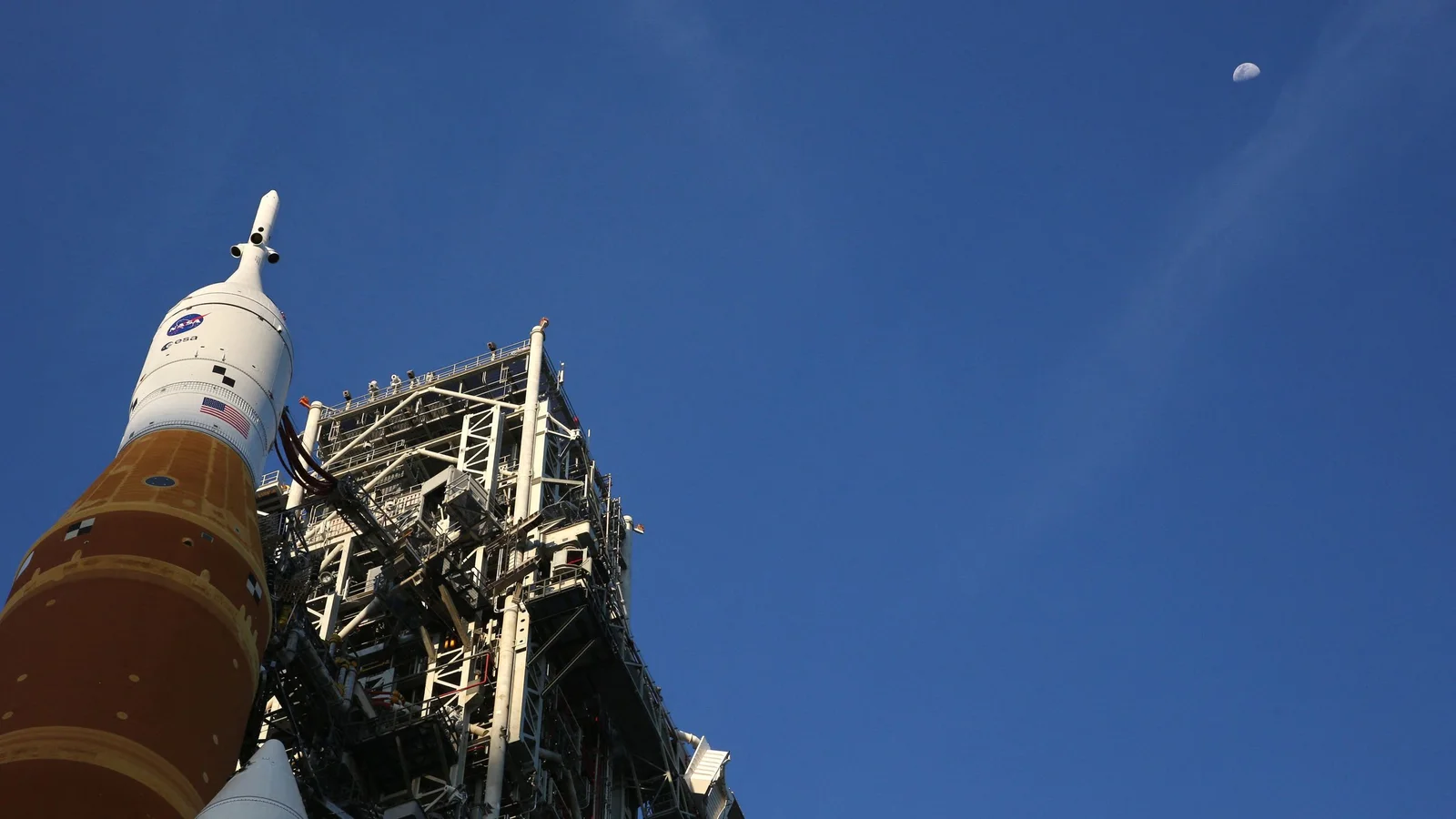
NASA says Artemis II is back on track for an April launch after engineers fixed a helium-flow issue caused by a dislodged seal in the Space Launch System’s upper stage. The four-astronaut mission will fly a lunar loop to test systems ahead of crewed lunar landings planned for 2028, with launch windows in early to mid-April and again at month’s end as technicians continue nearby repairs at Kennedy Space Center.

SciTechDaily•1 hour ago
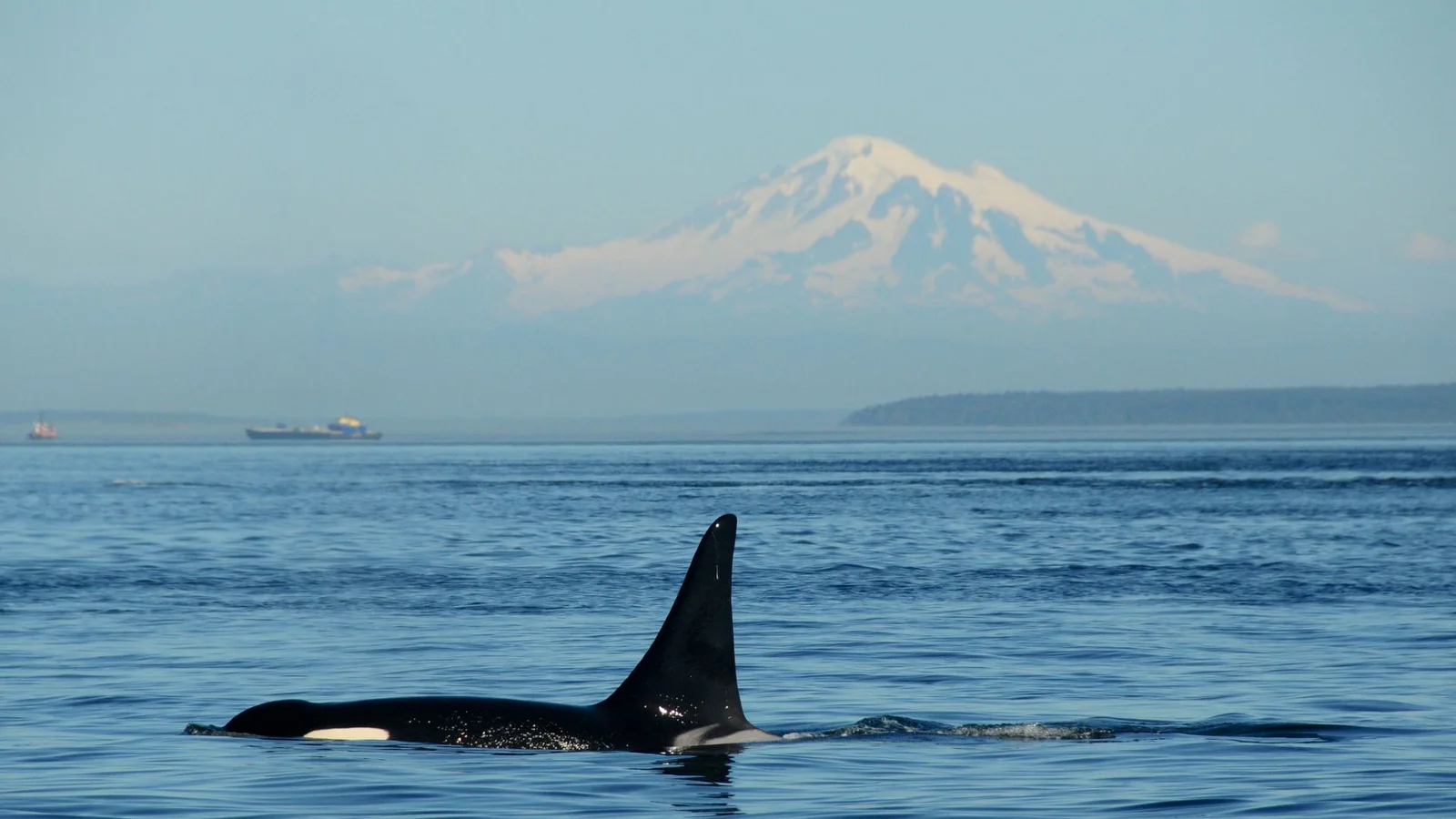
Live Science reports two washed-up orca dorsal fins from southern resident orcas found on Russia’s Bering Island, each bearing distinctive killer-whale tooth marks. Genetic testing links the fins to southern residents, while researchers say mammal-eating Bigg’s killer whales may have preyed on them, suggesting occasional cannibalism. The study posits that predation pressure by Bigg’s could help explain why resident, fish-eating orcas form large, protective family groups, though some scientists urge caution and note scavenging or other explanations could account for the marks.
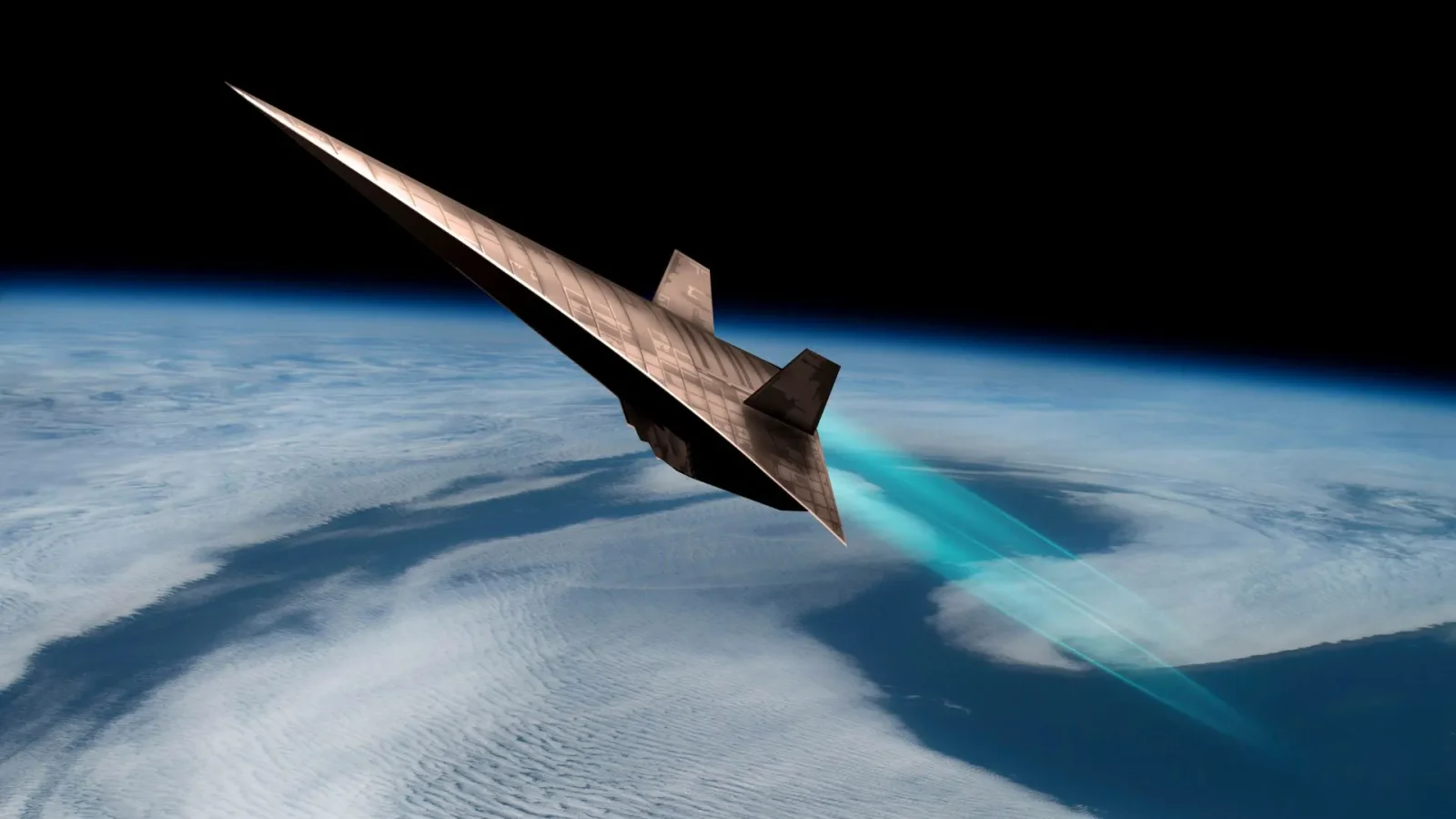
Researchers from Harbin University highlight a two-step in-situ reactive spark plasma sintering process blending ZrC with TiSi2 and B4C to produce a multi-phase ultra-high-temperature ceramic (ZTS-30B) with nano-SiC and TiB2 reinforcements, delivering 824 MPa flexural strength and 7.5 MPa·m1/2 fracture toughness to improve densification and toughness for potential use in nuclear reactors and hypersonic propulsion.

Residents of Northwest Florida reported seeing a glowing “space jellyfish” in the pre-dawn sky after a SpaceX Starlink rocket launch; SpaceX confirmed the event occurred around 4:50 a.m. CT as exhaust plumes illuminated high-altitude clouds over the Pensacola area.
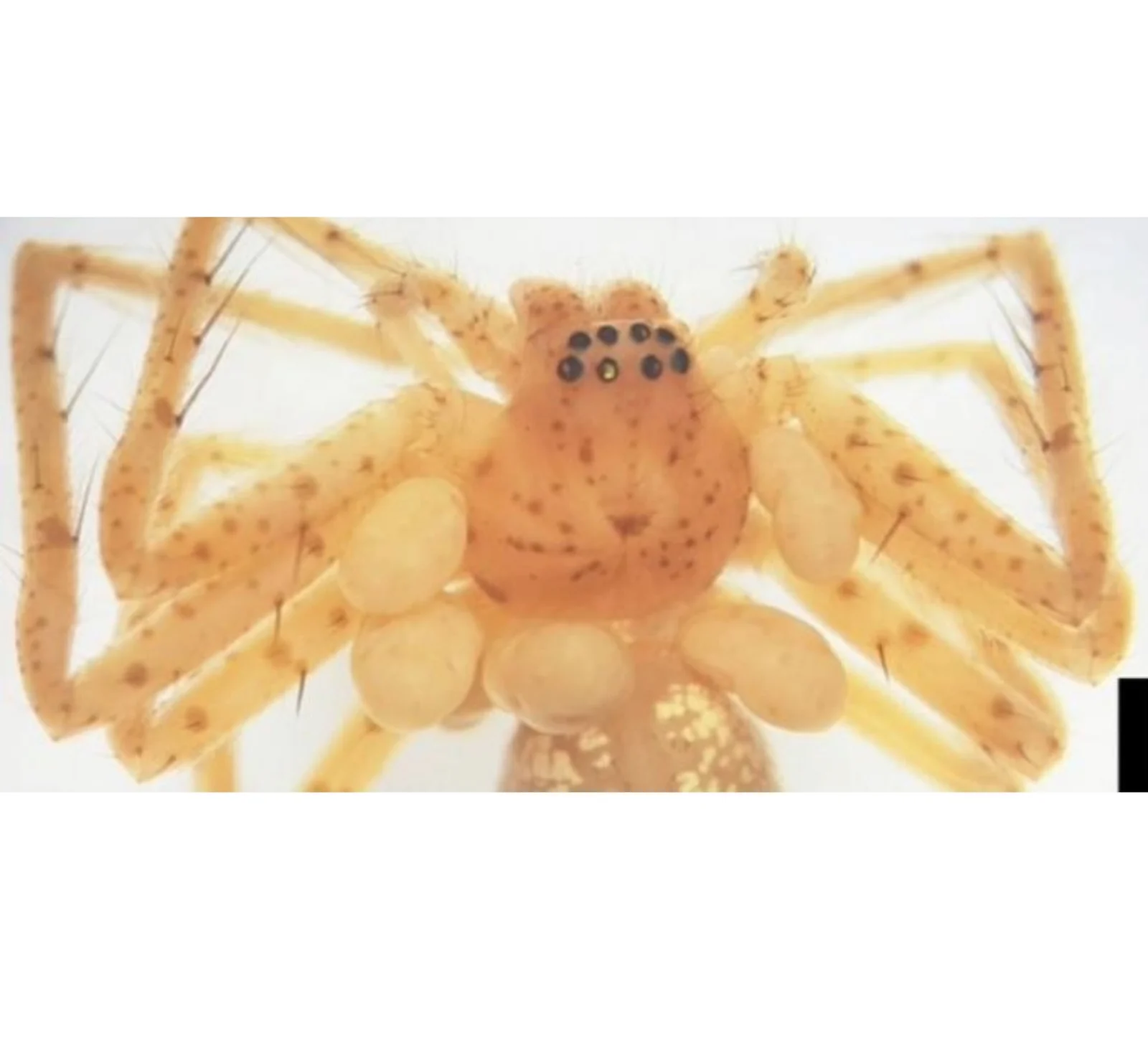
Brazil’s Butantan Institute identified a brand-new mite larva, Araneothrombium brasiliensis, parasitizing a tiny spider in a museum specimen, the beaded attachment earning it a nickname and highlighting a rare spider–mite relationship that could be more widespread in the Neotropics.

Astronomers using the MeerKAT radio telescope have detected the brightest and most distant hydroxyl gigamaser, produced when gas in colliding galaxies stimulates hydroxyl molecules to emit intense microwaves. The signal, traveling about 7.8–8 billion light-years, is magnified by a foreground galaxy acting as a gravitational lens, making it appear exceptionally bright. The discovery advances study of high-redshift OH megamasers and galaxy mergers and is published (preprint available) in Monthly Notices of the Royal Astronomical Society Letters.
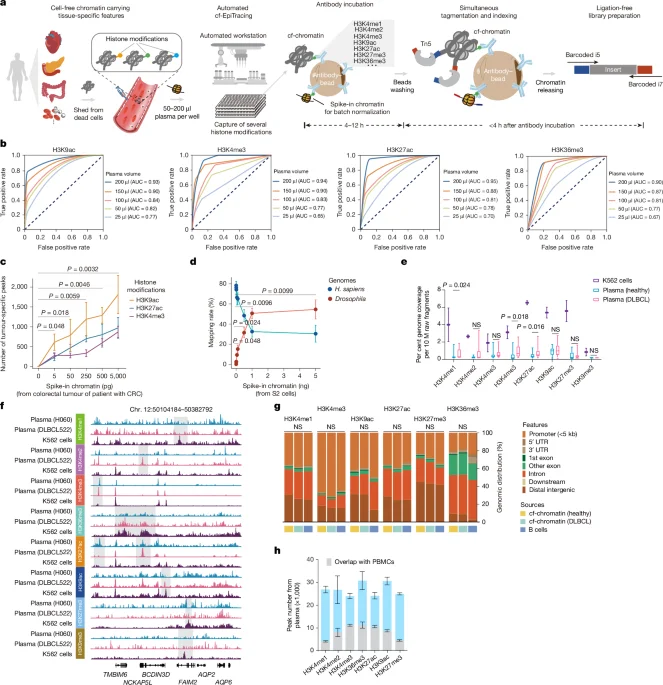
Researchers report cf-EpiTracing, an automated platform that profiles multiple histone modifications in cell-free chromatin from as little as 50 μL of plasma to infer tissues of origin with high accuracy; by integrating an 18-ICS ChromHMM framework across reference epigenomes, it identifies primary diseased tissues, detects organ involvement, enables noninvasive cancer subtyping (DLBCL, FL, MCL), early colorectal lesions, prognosis and therapy-response prediction, and tracks disease transformations and translocations. Validated in CRC, CHD and B-cell lymphoma cohorts, cf-EpiTracing outperforms current clinical indices for prognosis and supports longitudinal monitoring, highlighting a versatile, noninvasive epigenome-centric approach that could be integrated with other cfDNA modalities for enhanced precision.
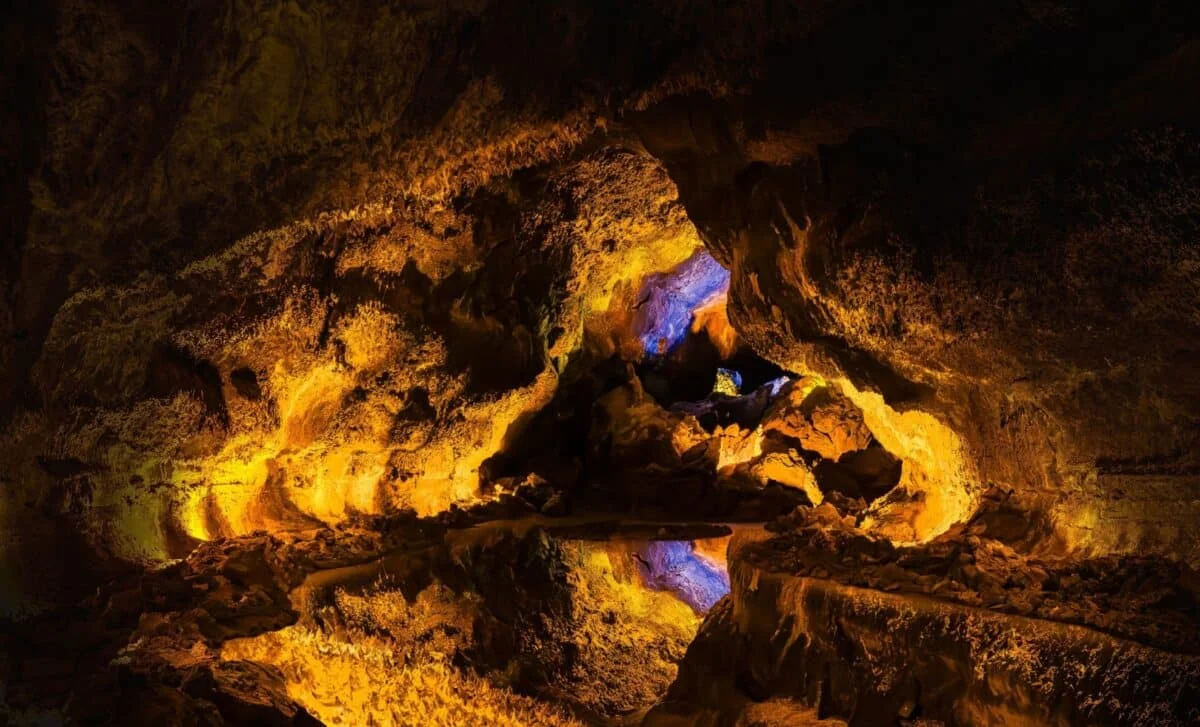
Three autonomous robots explored the La Corona lava tunnel in Lanzarote to simulate underground habitats for Moon/Mars bases. They mapped the area in 3D, dropped a sensor cube to measure temperature, humidity, and gas, and sent a scout rover deeper into the tunnel, all without real-time Earth control due to radio delays. The mission shows autonomous robotics can operate in harsh, dark environments and help identify safe locations for future human bases, contributing to Mars and Moon colonization efforts ahead of Artemis II, though adjustments are needed to handle darkness and sensor interference.
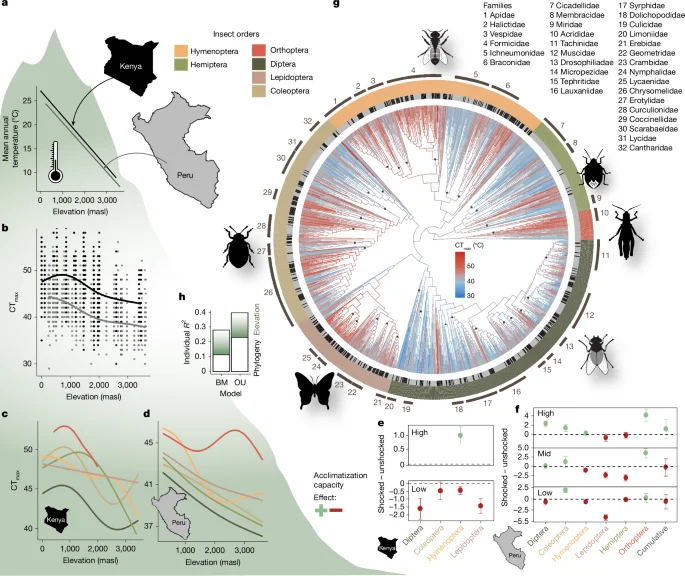
A global study measured CTmax and CTmin for about 2,300 tropical insects across Afrotropical and Neotropical elevational gradients, finding that thermal limits do not track environmental temperatures and instead approach a tropical lowland ceiling. High-elevation species show plasticity to rising heat, while lowland species have limited plastic responses; heat tolerance also varies markedly among insect orders and aligns with protein stability via protein melting temperatures. Heat-shock tests indicate CTmax can increase at high elevations but may decrease tolerance in warm lowlands. Using field data and climate projections, the authors predict that up to ~52% of future surface temperatures and ~38% of future air temperatures in Amazonian lowlands could cause heat mortality for half the studied community, suggesting tropical insects have a limited capacity to buffer future warming.

NTNU researchers and collaborators report that NbRe may exhibit triplet superconductivity, enabling zero-resistance transport of both charge and spin and offering a potential breakthrough for energy-efficient, high-speed quantum computing, though further independent verification and tests are needed.
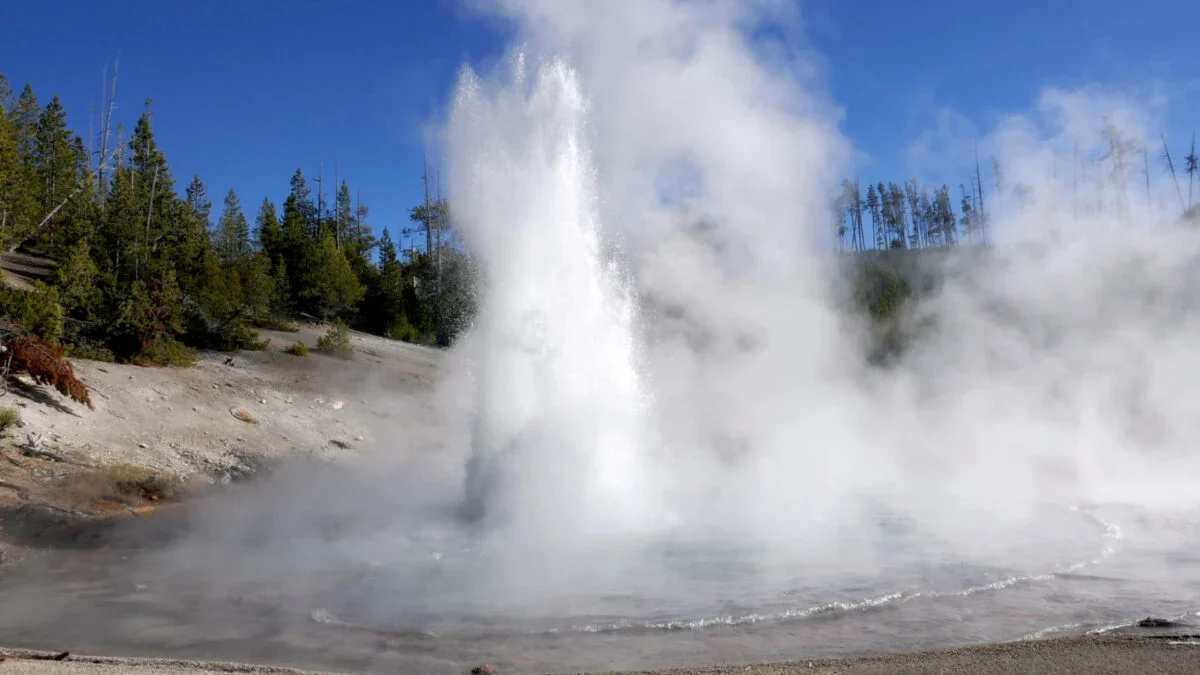
Yellowstone’s Norris Geyser Basin has seen the acidic Echinus Geyser erupt again since February, with bursts every 2–5 hours reaching 20–30 feet—the first sustained activity since 2017. Experts note the eruptions may last only a month or two before dormancy returns, and it’s uncertain whether they’ll continue into summer due to the geyser’s rare chemistry that allows acidic waters to coexist with a relatively intact plumbing system.