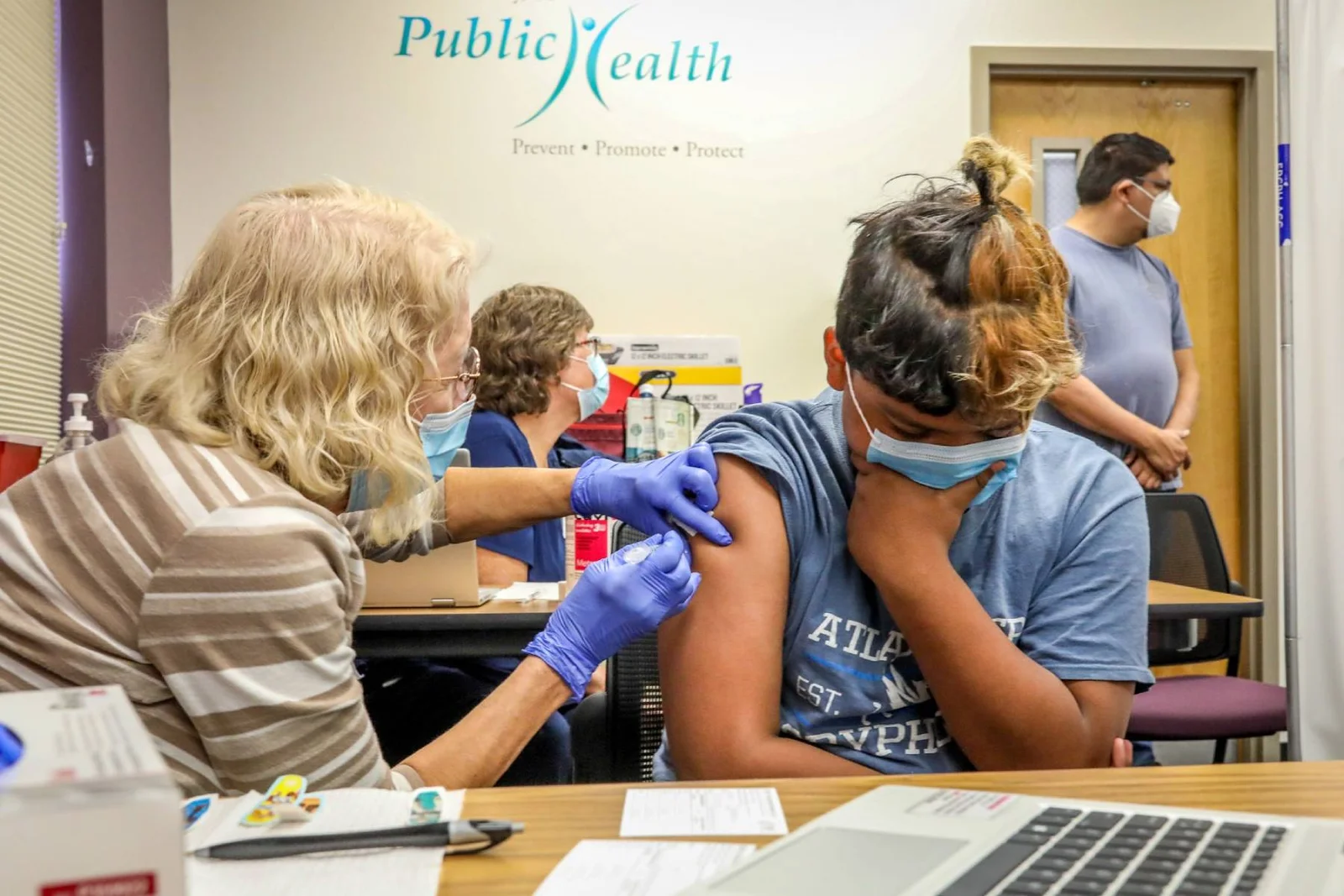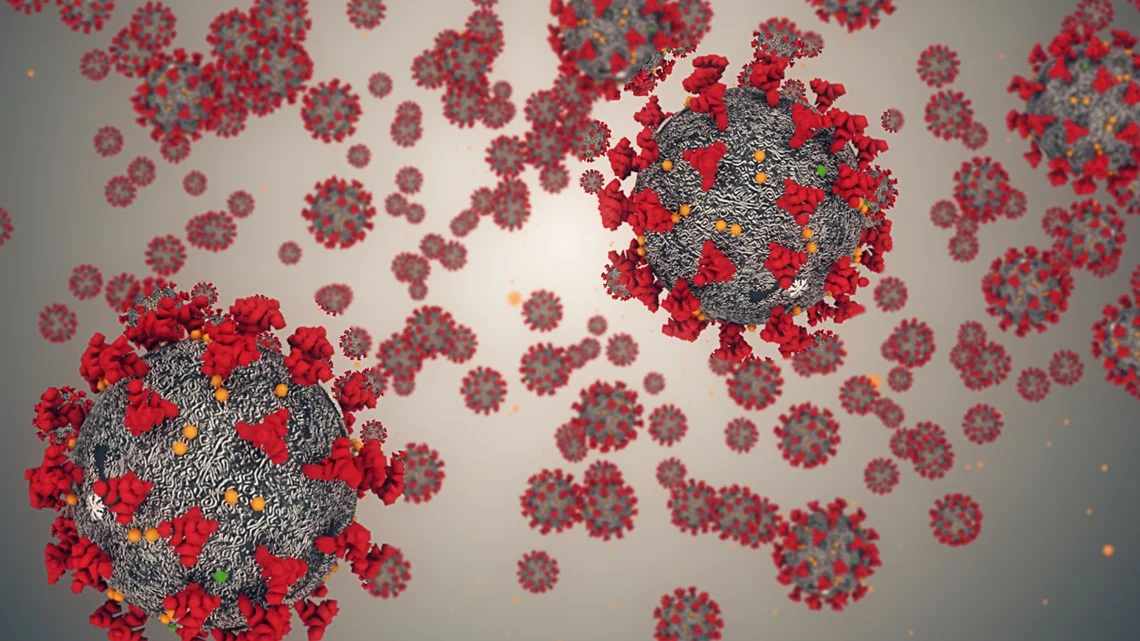
US respiratory virus activity is high, driven by flu and RSV, with increasing hospitalizations and pediatric deaths, while COVID-19 levels remain low but rising; recent changes to vaccination recommendations have sparked controversy, and overall vaccination coverage remains suboptimal.
A group of experts has urged the WHO to replace surgical masks with respirator-level masks for healthcare workers, citing inadequate protection from surgical masks against airborne pathogens like COVID-19, and emphasizing that respirators offer significantly better filtration and safety.
During winter, the most common viruses doctors are seeing include the flu, COVID-19, RSV, and the common cold, with flu being the most prevalent. Vaccinations, good hygiene, and staying home when sick are key to prevention.
A recent study shows that COVID-19 continues to significantly impact older Americans, causing high rates of illness, hospitalization, and death, especially among those over 65, despite declines compared to earlier pandemic years. The study highlights the need for increased vaccination and better access to treatments to protect this vulnerable group.
Brazilian supercentenarians demonstrate exceptional immune resilience and unique genetic traits that may contribute to their extreme longevity, including strong antibody responses to COVID-19, unusual immune cells, and protective genetic variants, offering valuable insights into aging and disease resistance.
U.S. flu infections are surging this season, surpassing last winter's severity, driven by a new H3N2 strain not covered by current vaccines, with health officials warning of a peak ahead and recent policy changes reducing vaccine recommendations for children, raising concerns about public health data and disease control efforts.
The CDC has revised US childhood immunization guidelines, reducing the number of diseases children are vaccinated against from 17 to 11, with some vaccines like COVID-19 and hepatitis now recommended based on risk and shared decision-making, sparking criticism from health experts and pediatric associations.
Research indicates that in utero exposure to COVID-19 may lead to brain changes, developmental delays, and increased risk of anxiety and depression in children, highlighting the need for ongoing monitoring and early intervention.
Brown University Health has implemented a strict mask requirement at all its hospitals due to rising respiratory virus transmission, including COVID-19 and flu, requiring all patients, visitors, and staff to wear Level 2 surgical masks at all times.
Covid-19 continues to cause significant health impacts in the US, with millions of cases, hospitalizations, and over 100,000 deaths annually, especially affecting older adults, despite the availability of vaccines and treatments. The disease remains a major public health concern, emphasizing the need for ongoing interventions.
Flu activity surged in Wisconsin over the holidays, driven by a new influenza A virus variant, with cases and hospitalizations increasing nationwide, signaling a potentially tough flu season ahead, though overall severity remains low so far.
Flu cases in New Jersey have doubled compared to last year, likely due to a new influenza A(H3N2) variant, with most hospitalizations among seniors. The flu vaccine this season may be less effective, but vaccination still reduces severe illness. Public health officials continue to encourage vaccination and monitor other respiratory viruses.
Flu cases in the U.S. are rising due to a new H3N2 strain, which may reduce vaccine effectiveness, especially affecting older adults. Despite the surge, health officials believe vaccines still offer protection against severe illness, and winter conditions facilitate the spread of respiratory viruses. Vaccination remains crucial, even with the new strain, to reduce hospitalizations and severity of symptoms.
Flu cases in the U.S. are rising due to a new H3N2 strain, which may reduce vaccine effectiveness, especially affecting older adults. Despite concerns, health officials believe vaccines still offer protection against severe illness. The flu season is not yet at its peak, but hospitalizations and deaths are increasing, with the Northeast experiencing a significant surge. Winter conditions facilitate the spread of airborne viruses, and vaccination remains crucial to reduce severity and hospitalizations. COVID-19 levels are lower than during peak summer waves, but vigilance is still advised.