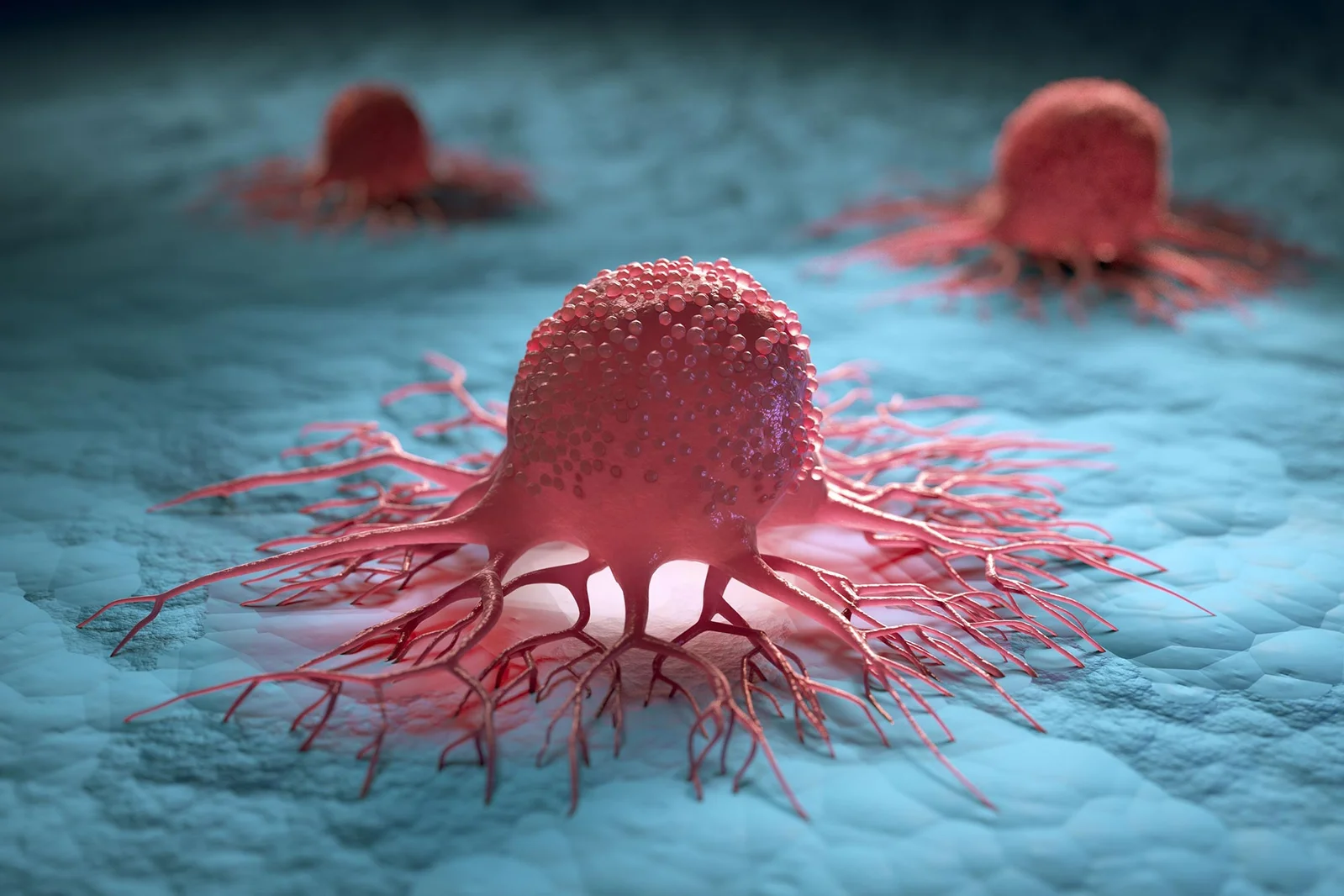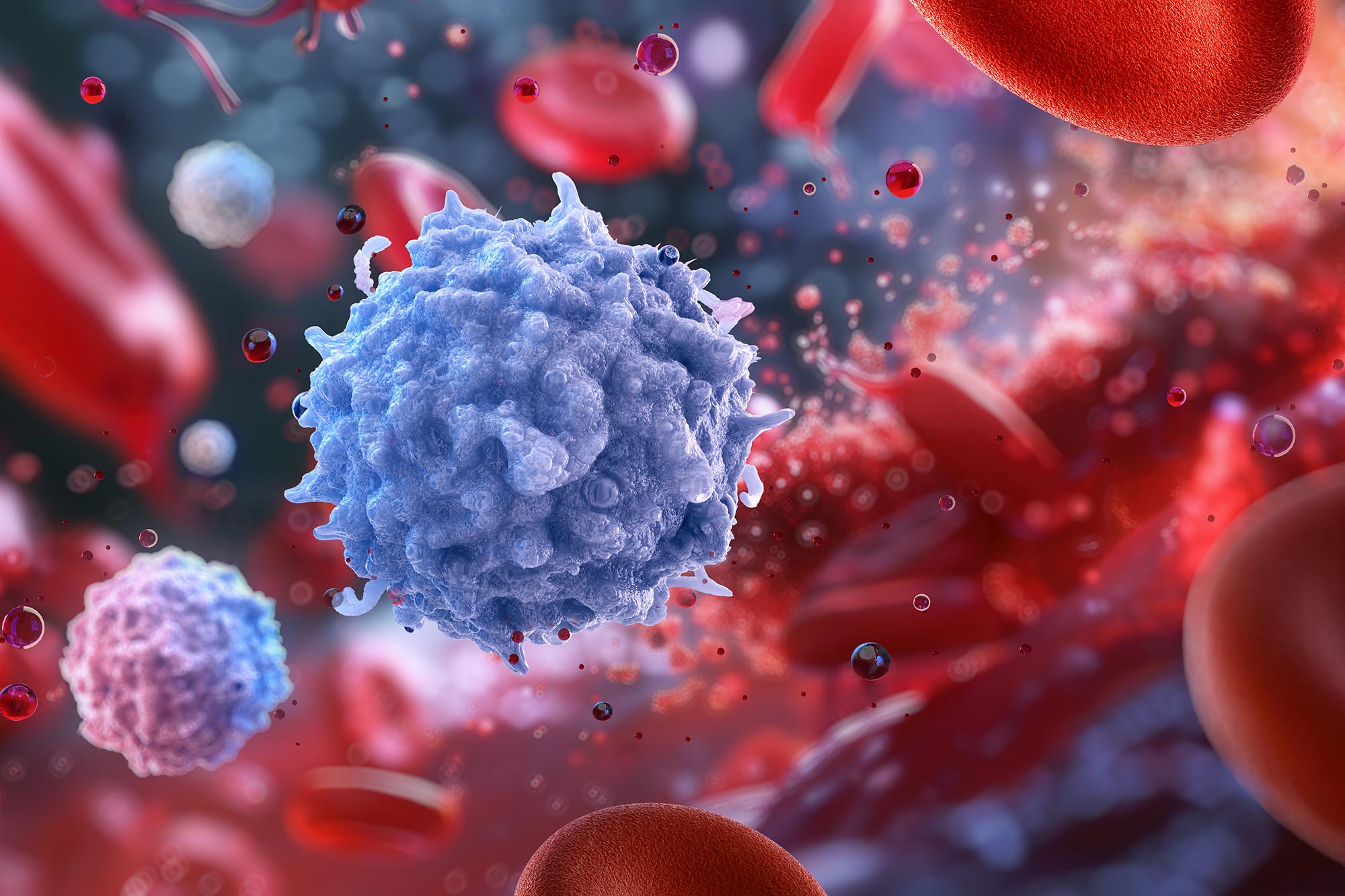
Scientists have discovered that a vitamin A metabolite, retinoic acid, can suppress the immune system's ability to fight cancer by promoting immune tolerance. They developed inhibitors that block this pathway, restoring immune responses and improving cancer vaccine efficacy, paving the way for new immunotherapy treatments.
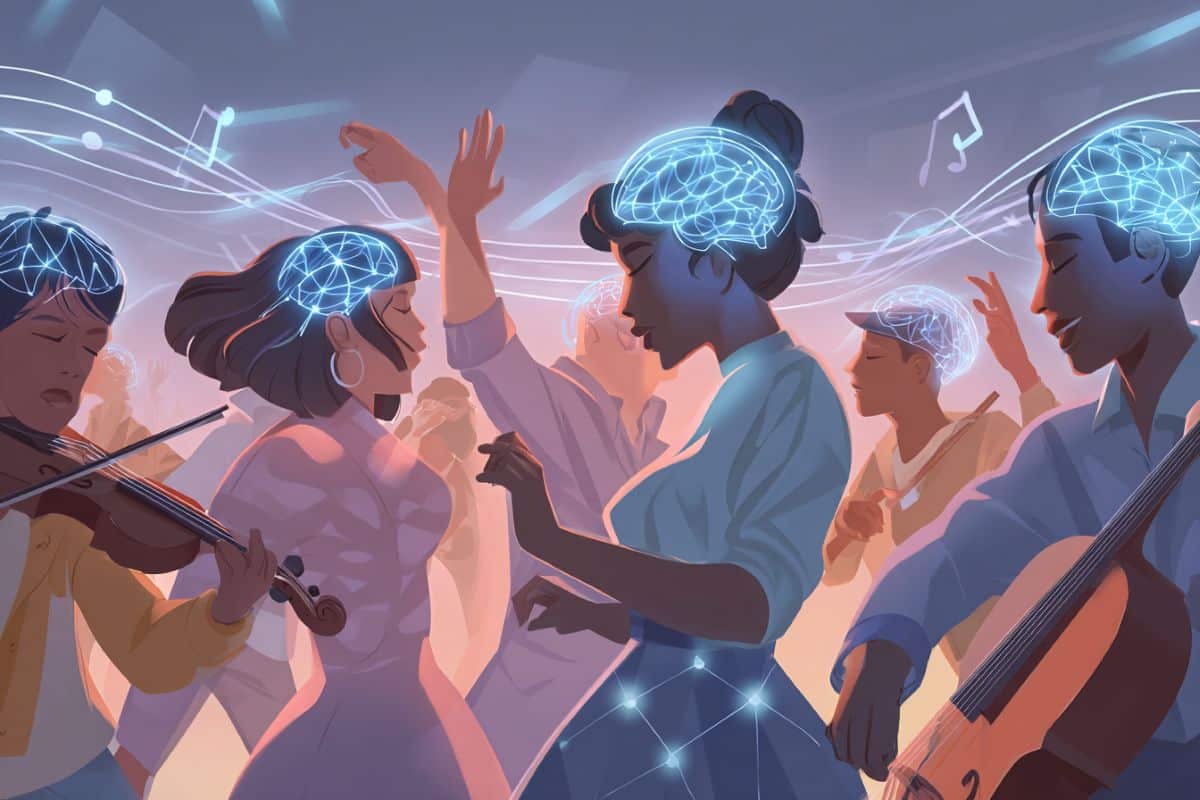
The JoyScore Experiment at a rave aims to quantify happiness and social connection through biometric signals like brain activity, blood biomarkers, and self-reports, exploring whether dance and music can be scientifically measured to promote longevity and well-being.
A genetic study of 117-year-old supercentenarian Maria Branyas reveals rare biological traits linked to healthy aging, challenging traditional aging markers like telomere length and offering potential insights for extending healthspan and lifespan.
2025 has seen major medical breakthroughs including remote robotic surgery, a blood test for Alzheimer's, brain implants for ALS, advances in organ transplants, and gene editing treatments, transforming healthcare and patient outcomes.
Research shows that aging immune cells, specifically macrophages, can sustain a heightened inflammatory state through a pathway involving GDF3 protein, which may worsen responses to severe infections like sepsis; targeting this pathway could lead to new treatments for age-related inflammatory conditions.
Recent scientific research confirms that creatine, a common supplement traditionally associated with athletic performance, also significantly benefits brain and heart health by supporting cellular energy and neurotransmitter function, with studies showing it is safe for general use and potentially crucial for addressing creatine deficiency disorders.
The article explores cutting-edge Alzheimer's research, including brain surgery to collect tissue, laboratory studies on toxic proteins, and promising drug developments, suggesting that curing Alzheimer's may be achievable in the future.
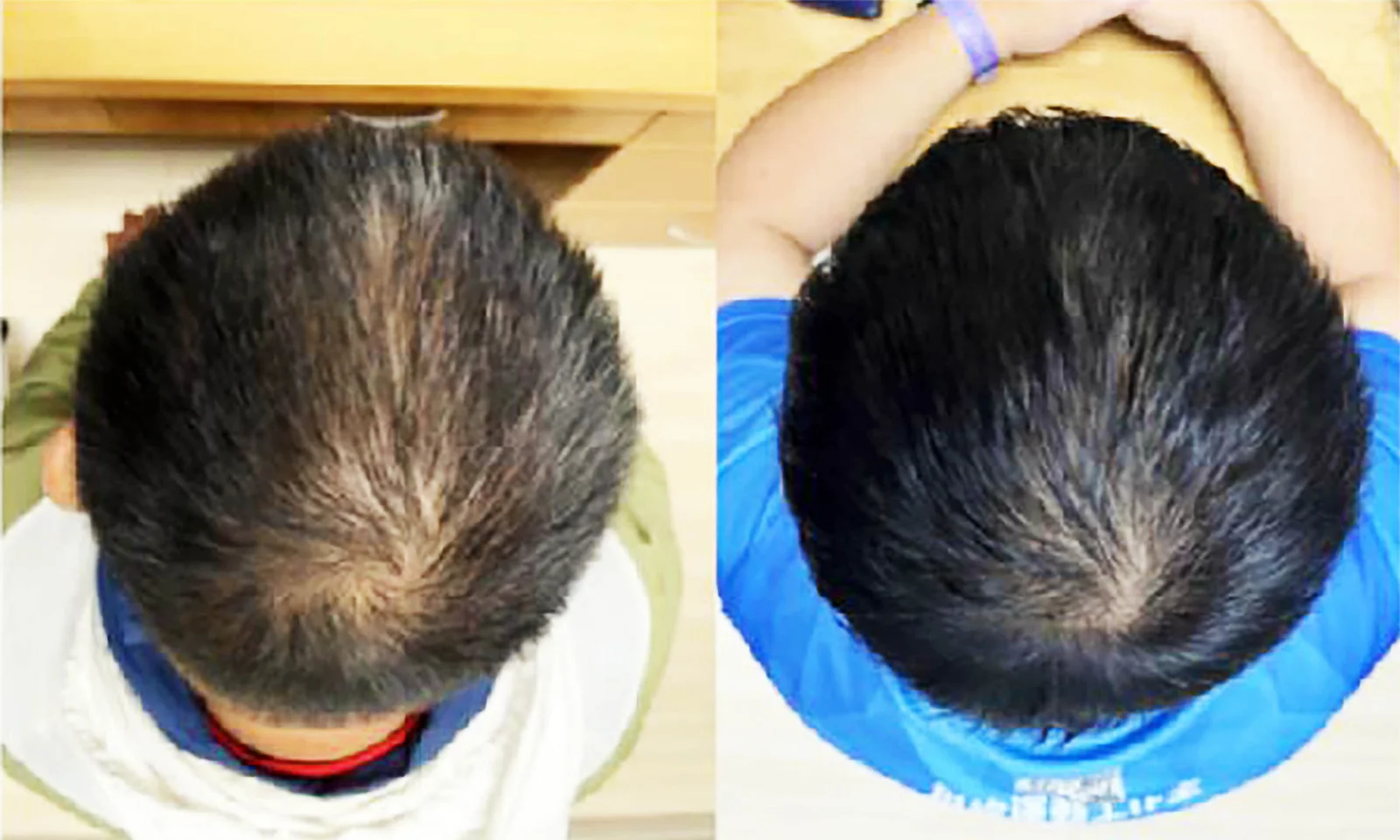
Scientists developed a plant-based hair serum containing Centella asiatica extract, which showed a 25% increase in hair thickness in a short, 8-week trial, suggesting potential for hair regrowth, though further research is needed to confirm efficacy and safety.
Research suggests that applying vibration to tendons can alter sensory signals sent to the brain, making exercise feel easier and allowing individuals to exert more effort without perceiving increased difficulty, potentially encouraging more physical activity.
The article explores the 'Hercules gene' or myostatin deficiency, which leads to increased muscle mass and strength, highlighting cases like sprinter Harry Aikines-Aryeetey and animals like Belgian Blue cattle, discussing its implications for sports, health, and potential doping risks.
Research from Touro University reveals that vigorous exercise increases extracellular vesicles in the blood that transport hormone precursors like POMC more efficiently across biological barriers, including the blood-brain barrier, potentially impacting stress, mood, metabolism, and drug delivery.
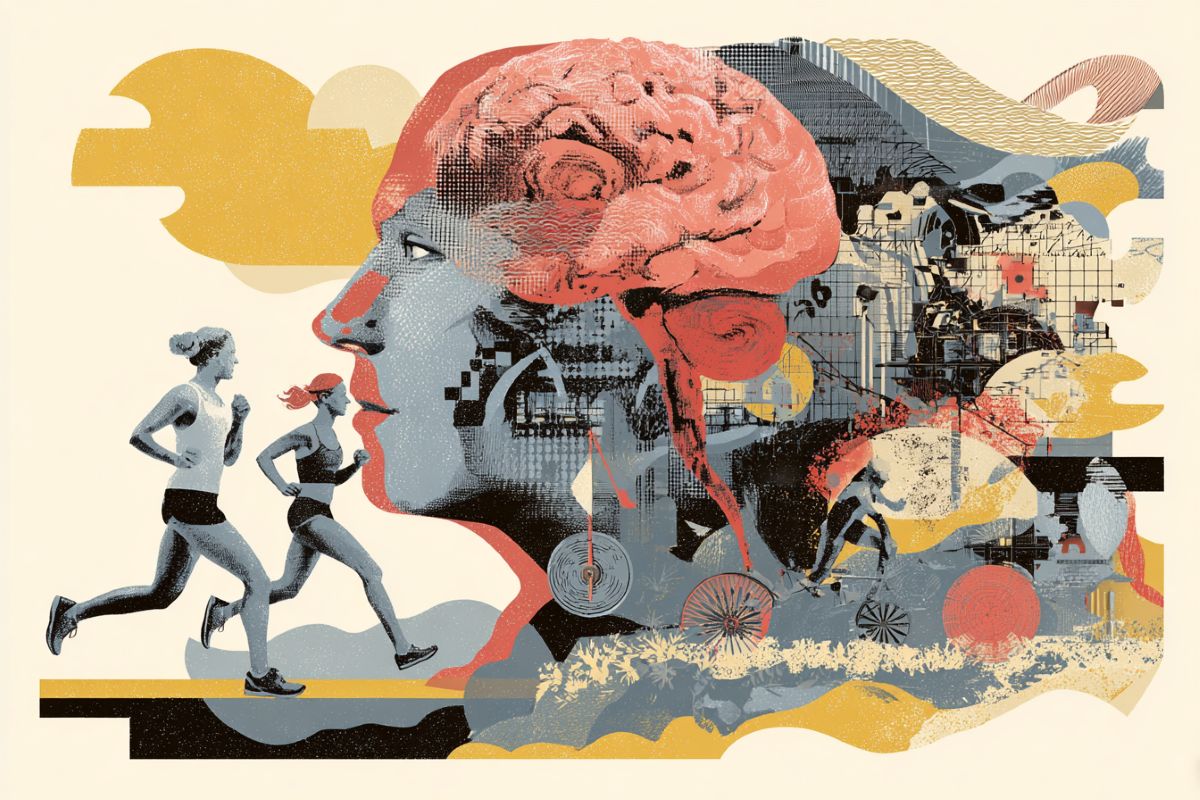
Engaging in creative activities like dancing, music, art, or playing strategy video games is linked to a younger-looking brain and slower brain aging, with long-term practice providing stronger benefits. Even short-term creative training can improve brain aging markers, suggesting that regular creative engagement supports neural health and cognitive resilience.
Early life exposure to fat-related sensory cues, independent of nutritive content, can prime neural and metabolic responses that increase susceptibility to obesity and metabolic syndrome in adulthood, with effects observed across different diets and sex-specific differences in timing sensitivity.
Scientists have discovered that restricting methionine in the diet can increase energy expenditure and promote fat burning in mice, similar to cold exposure, without requiring exercise. This finding suggests potential new dietary strategies for obesity management by enhancing the body's natural heat production and fat utilization, which could complement existing treatments.
Modern science reveals that weight loss is hindered by our brain's biological defenses, which evolved to protect our ancestors from starvation, making it difficult for many to lose weight and keep it off. These defenses include increased hunger and reduced energy expenditure after weight loss, and the brain's memory of previous higher weights. While medications and societal measures can help, understanding that obesity is a biological condition rather than a personal failure is crucial for effective treatment and prevention.