A study finds that disruptions in the body's internal clock, especially weaker circadian rhythms and later activity peaks, are linked to a higher risk of developing dementia in older adults, suggesting potential benefits of circadian rhythm interventions for prevention.
The final day of the Brain Health Challenge emphasizes the importance of monitoring blood pressure, maintaining good sensory and oral health, and getting vaccinated to protect brain health and reduce the risk of stroke and dementia. Regular check-ups and lifestyle changes are key to preserving cognitive function.
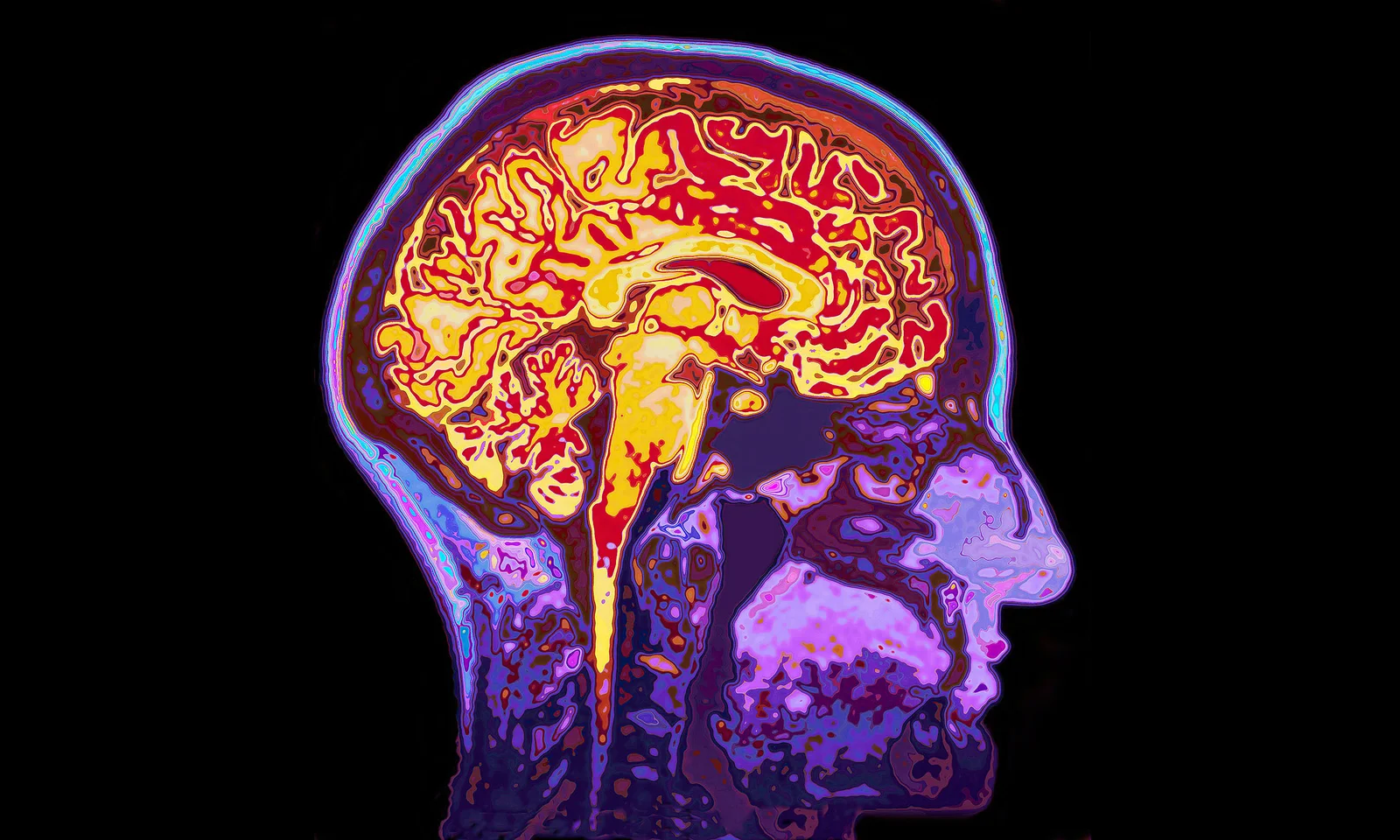
A recent study in Neurology identified two new early warning signs of dementia related to circadian rhythm disruptions and activity timing, suggesting that irregular body clocks and late-day activity peaks may be associated with higher dementia risk. Maintaining regular routines, good sleep hygiene, and a healthy lifestyle may help lower the risk, but more research is needed to understand causality.
Andre Yarham, a 24-year-old from Norfolk diagnosed with frontotemporal dementia, chose to donate his brain to science after his death to aid research and help prevent others from suffering similar fates. His condition rapidly worsened, leading to his death over Christmas, highlighting that dementia can affect young people and is a cruel disease with no cure.
The article introduces the 5-Day Brain Health Challenge, focusing on the MIND diet, which emphasizes foods like berries, leafy greens, nuts, fish, and whole grains to support brain health, reduce cognitive decline, and lower dementia risk, supported by scientific studies.
A 2022 study suggests that frequent nightmares in middle and older age may be early signs of dementia, especially in men, and treating nightmares could potentially slow cognitive decline. The research highlights the importance of sleep quality and dream analysis in assessing brain health and dementia risk.
Dancing is highlighted as a fun and effective way to reduce the risk of dementia by up to 76%, supported by scientific evidence as a beneficial activity for maintaining brain health as we age.
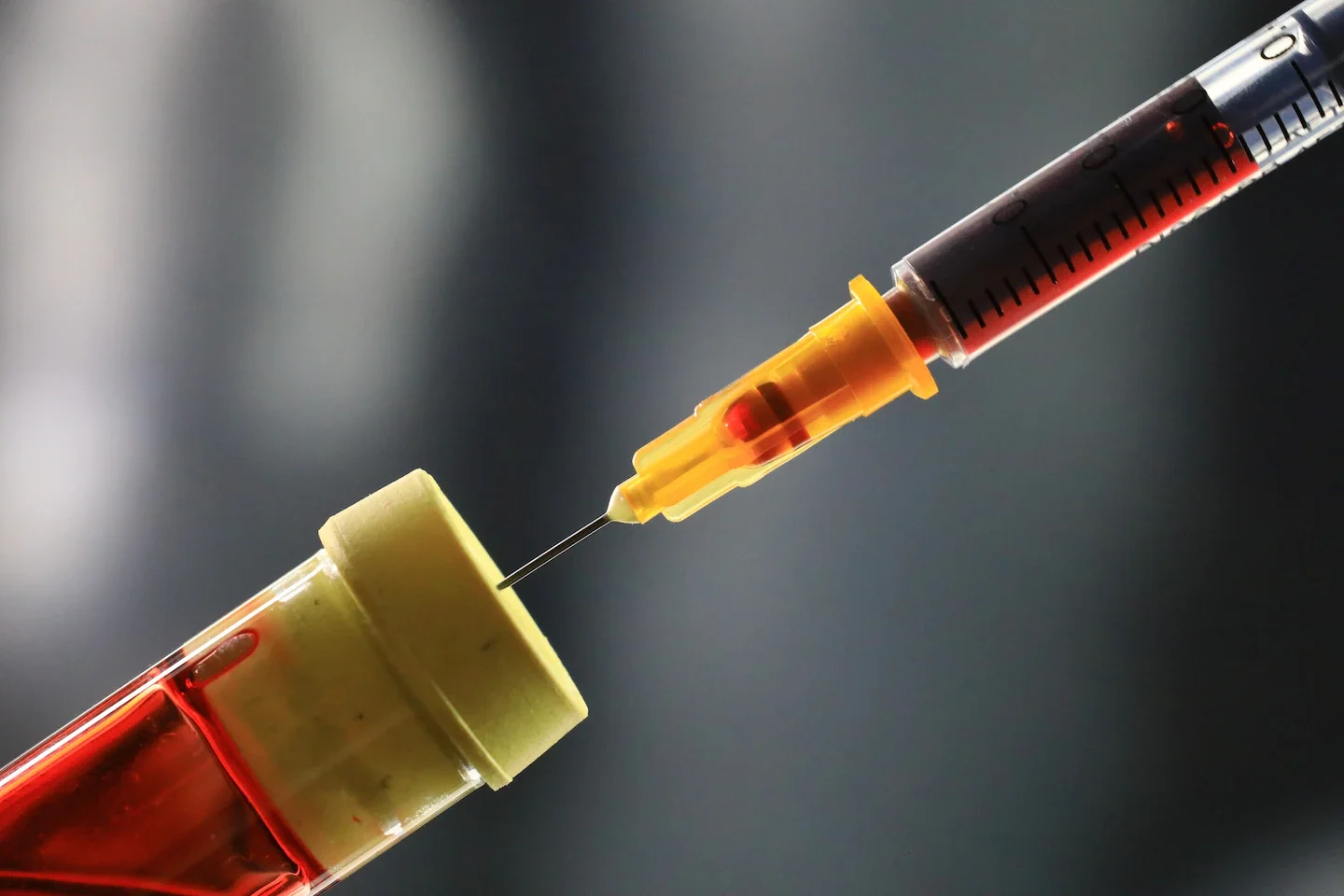
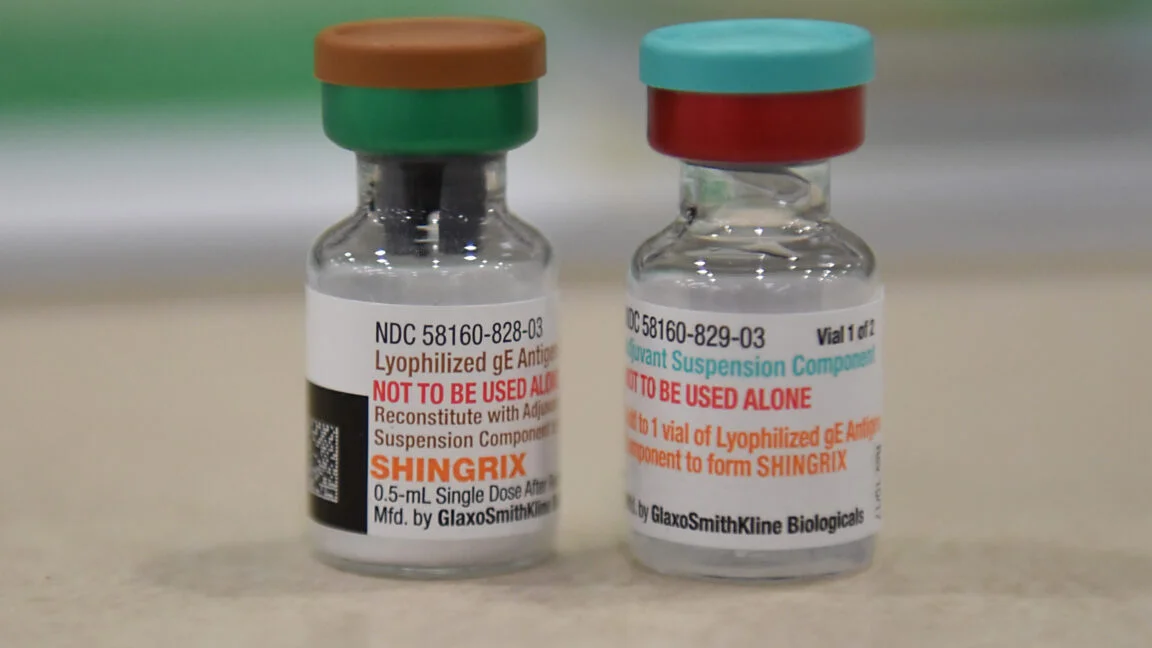
Vaccines not only protect older adults from specific diseases like shingles, R.S.V., and influenza but also offer additional benefits such as reducing the risk of dementia and decreasing hospitalization rates, highlighting their broader health advantages.
Delays in diagnosing dementia in Michigan lead to missed opportunities for treatment, planning, and support, with experts emphasizing the importance of early detection for access to new drugs, lifestyle changes, and better quality of life. Barriers include stigma, lack of awareness, and specialist shortages, but early diagnosis can significantly improve outcomes and allow families to plan for the future.
Scientists at the University of Vermont have discovered that increasing levels of the phospholipid PIP2 in brain cell membranes may help regulate blood flow in the brain by inhibiting the Piezo1 protein, potentially offering a new approach to treat dementia and related neurovascular diseases.
Former Senator Jon Kyl of Arizona announced his diagnosis of dementia and his decision to step back from public life, reflecting on his decades of service in Congress and his family support during this challenging time.
Samsung is set to announce a 'Brain Health' service at CES 2026 that will analyze data from smartphones and wearables to detect early signs of dementia and cognitive decline, offering preventative measures and personalized brain training programs, with a focus on privacy and security.
A long-term study of the 1946 British Birth Cohort found that maintaining a high-quality diet from childhood through adulthood is associated with better cognitive abilities and a lower risk of dementia in older age, emphasizing the importance of lifelong nutrition for brain health.
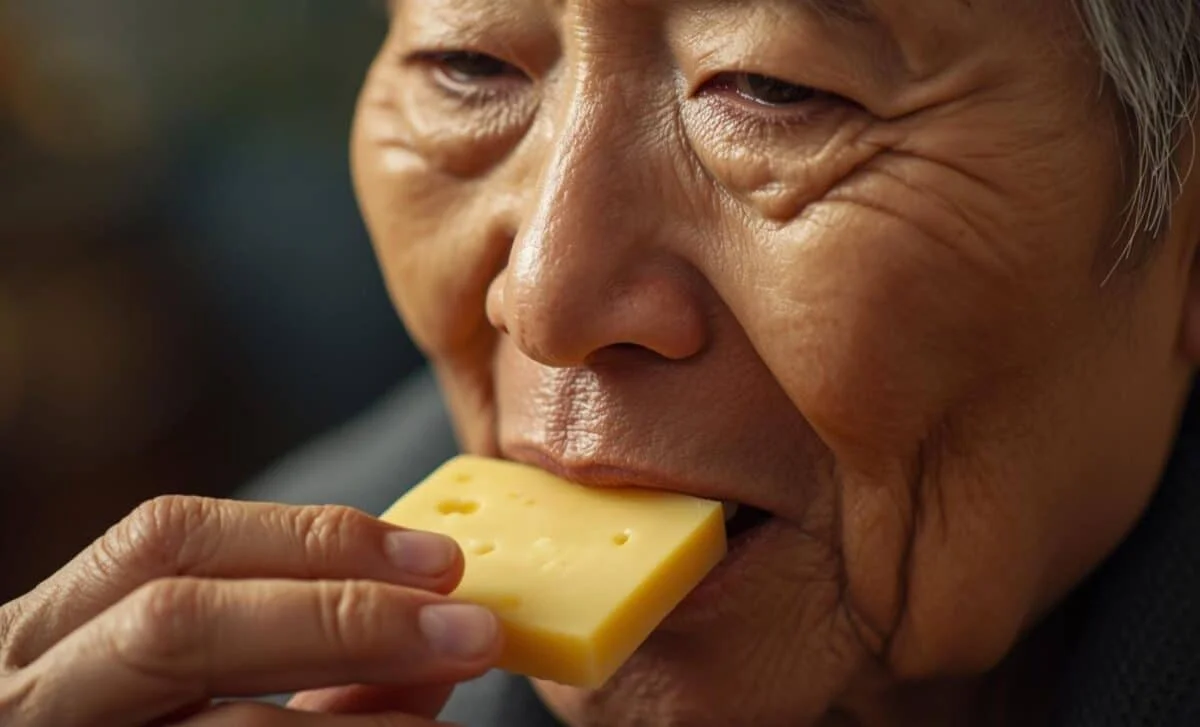
A Swedish study suggests that higher consumption of full-fat cheese and cream may be linked to a lower risk of dementia, especially among those without genetic risk factors, but results should be interpreted with caution as overall diet and lifestyle factors play a significant role in brain health.
Research indicates that the shingles vaccine may slow or prevent the progression of dementia and reduce the risk of developing it, showing potential both as a preventive and therapeutic measure, especially among women, based on a study of over 300,000 health records in Wales.