The World Health Organization has issued new guidelines recommending GLP-1 drugs for long-term obesity treatment in adults, emphasizing their role as a scientific breakthrough and a new chapter in understanding obesity as a treatable chronic disease, while highlighting the need for equitable access and comprehensive care.
The World Health Organization has issued its first guideline on using GLP-1 medicines to treat obesity, emphasizing that these therapies can support long-term management of obesity alongside lifestyle changes, but should be part of a comprehensive approach. The guideline highlights the importance of equitable access, health system readiness, and multisectoral strategies to address the global obesity crisis, which affects over 1 billion people and causes millions of deaths annually.
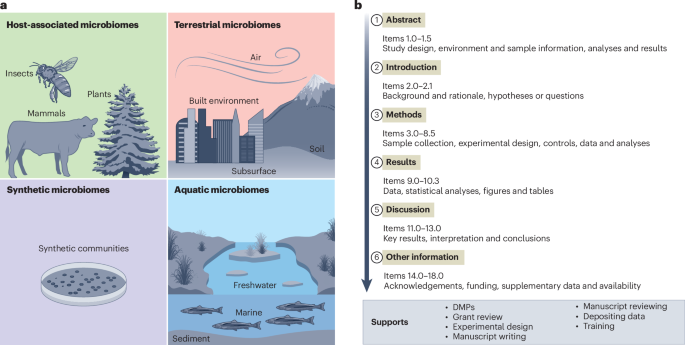
The STREAMS guidelines establish comprehensive standards for reporting and sharing data in environmental and host-associated microbiome studies, aiming to improve reproducibility, data quality, and FAIR principles through community-driven development and extensive feedback.
A historic debate in the UK Parliament has brought attention to hoarding disorder, urging the government to develop national guidelines and improve support services, amid concerns over increased cases post-Covid and underfunding of mental health resources.
The IDSA has issued new guidelines recommending that immunocompromised individuals, including children and adults, receive an age-appropriate COVID-19 vaccine dose promptly for the upcoming respiratory virus season, emphasizing the importance of vaccination for their protection and encouraging close contacts to stay current with vaccines. The guidelines are based on recent evidence showing that vaccination reduces hospitalization, severe illness, and death among immunocompromised people, with recommendations for flexible timing and dosing based on individual circumstances.
The new 2025 guidelines for hypertension lower the blood pressure thresholds for diagnosis, emphasize personalized risk assessment using the PREVENT calculator, and promote lifestyle changes such as diet, exercise, and alcohol moderation to better control blood pressure and reduce cardiovascular risks.
The new 2025 guidelines for hypertension, based on recent research, lower the blood pressure thresholds for diagnosis, emphasize lifestyle modifications like diet and exercise, and promote personalized risk assessment using tools like the PREVENT calculator to better prevent heart disease, stroke, and dementia.
The CDC has not yet issued final COVID vaccine guidelines, causing delays and confusion in vaccine access for children and adults, which could hinder efforts to control the upcoming winter respiratory season and impact public health efforts.
Leaked Meta guidelines reveal how its AI chatbot is trained to handle sensitive topics related to child exploitation, emphasizing refusal of prompts involving minors in sexual contexts and outlining acceptable educational discussions, amid increased scrutiny from regulators like the FTC.
Pennsylvania is navigating conflicting COVID-19 vaccine guidelines, with federal, state, and medical group recommendations varying, leading to confusion about eligibility, especially for children, pregnant women, and older adults. Pharmacies are following multiple authorities, and insurance coverage remains generally available, but the lack of a unified guidance system complicates public understanding and vaccination efforts.
The FDA's biologics center has released new draft guidances aimed at helping developers streamline the creation of innovative cell and gene therapies for small patient populations.
The new blood pressure guidelines, effective August 2025, lower the thresholds for hypertension diagnosis, emphasize personalized risk assessment using the PREVENT calculator, and promote lifestyle changes like diet, exercise, and alcohol moderation to better manage and prevent hypertension and related health risks.
The American Heart Association and American College of Cardiology released new, stricter guidelines for hypertension, lowering the blood pressure thresholds for diagnosis and emphasizing personalized risk assessment, lifestyle changes, and more aggressive treatment to better prevent heart disease, stroke, and dementia among Americans.
The American College of Obstetricians and Gynecologists has updated its guidelines advising women to avoid cannabis before, during, and after pregnancy due to risks such as premature birth, low birth weight, behavioral issues, and maternal health complications. Despite its popularity, cannabis use during pregnancy is linked to serious health risks for both mother and baby, and experts recommend discussing safer alternatives with healthcare providers. All cannabis products, including CBD, should be avoided during pregnancy.
Nearly half of Americans have high blood pressure under new, stricter guidelines that lower the thresholds for diagnosis, emphasizing lifestyle changes like diet, exercise, and alcohol moderation, and encouraging personalized risk assessment and more aggressive treatment to prevent heart disease, stroke, and dementia.