Tag

Apoptosis

All articles tagged with #apoptosis

science1 day ago

Brain Parasite Hijacks Immune Cells, Then Is Stopped by a Self-Destruct Switch

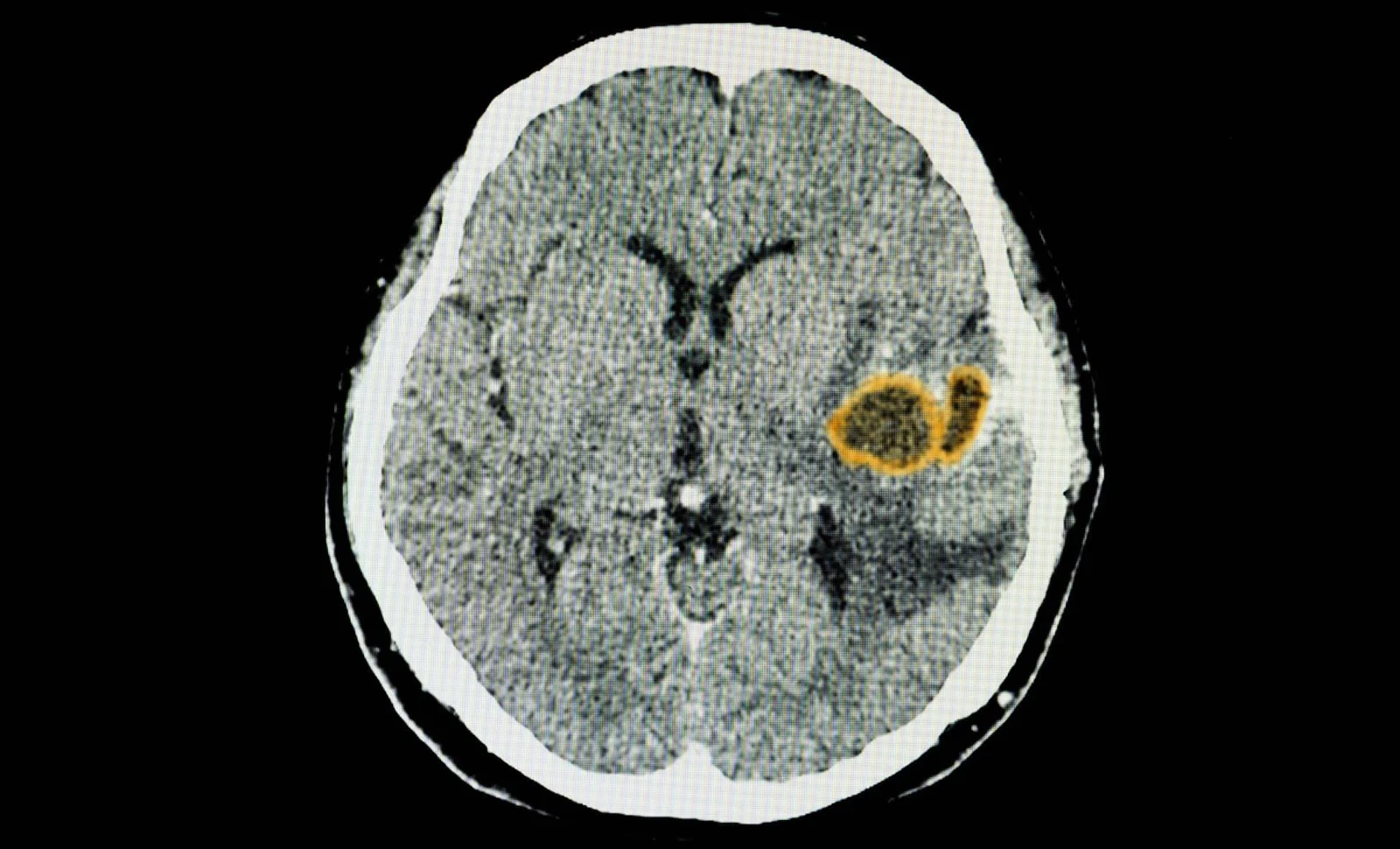
Researchers at UVA Health found that Toxoplasma gondii can infect CD8+ T cells in the brain. Caspase-8 triggers the infected cells to die, cutting off the parasite's life cycle. Mice lacking caspase-8 show higher brain parasite loads and worse outcomes, while normal mice clear the infection. The finding highlights a brain-specific immune defense and a potential target for treatment in at-risk individuals.

science1 year ago

The Vital Role of Cell Death in Sustaining Life

Cell death, often seen as a loss, is crucial for life, playing significant roles in development, disease prevention, and evolution. Cellular biologist Shai Shaham discusses with Steven Strogatz the various forms of cell death, such as apoptosis and necrosis, and their importance in biological systems. Understanding these processes can aid in medical advancements, particularly in treating diseases where cell death is either excessive, like in neurodegenerative diseases, or insufficient, as in cancer.

science1 year ago

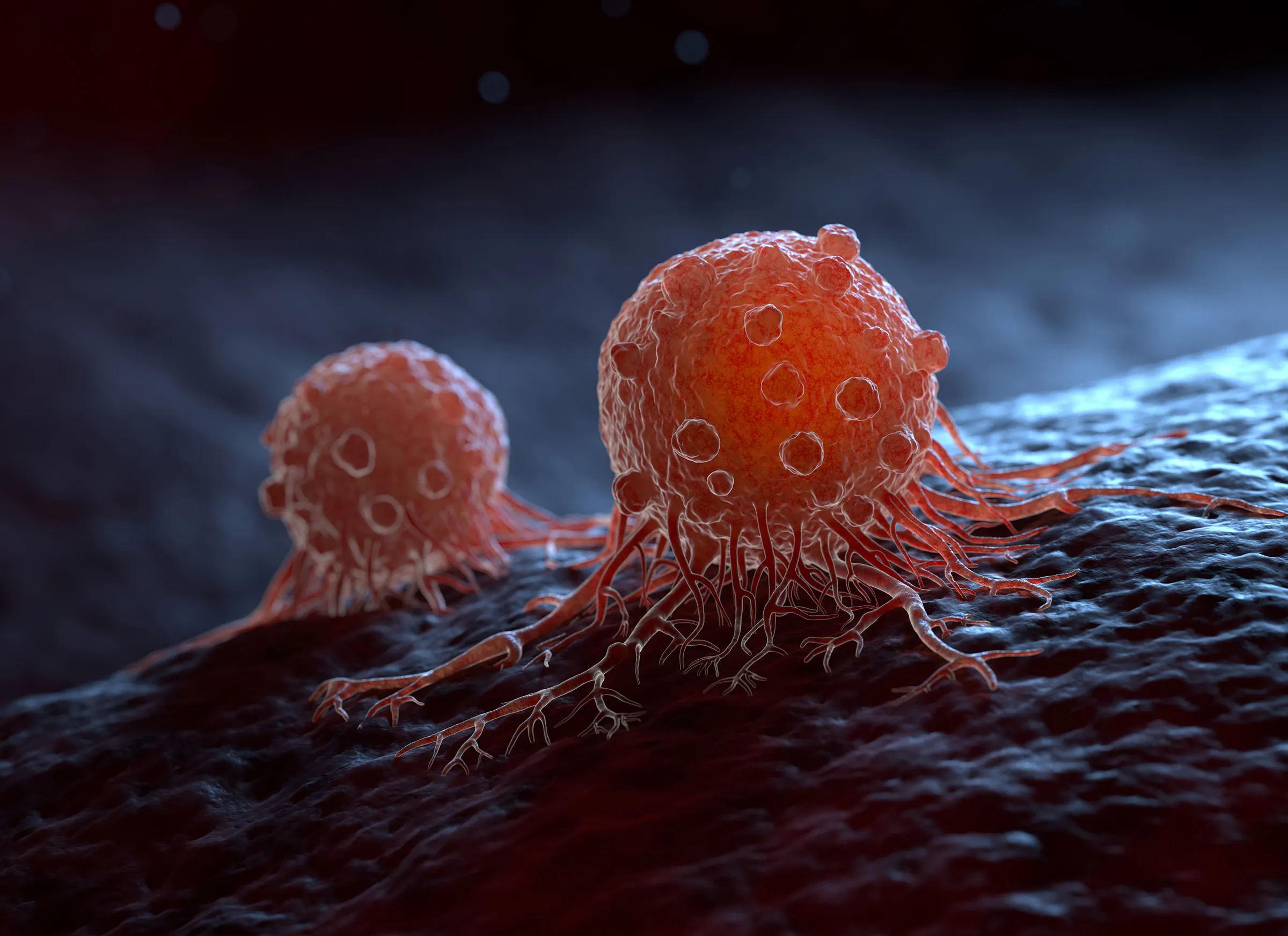
Breakthrough Method Causes Cancer Cells to Self-Destruct

Scientists have developed a new compound that can induce cancer cells to self-destruct by utilizing two proteins, BCL6 and CDK9, to activate apoptosis genes that cancer cells typically suppress. This innovative approach could revolutionize cancer treatment by specifically targeting cancer cells without affecting healthy ones. The compound is currently being tested in mice with diffuse large B-cell lymphoma, with hopes for positive results and further advancements in targeted cancer therapies.

science1 year ago

"The Ancient Origins of Cellular Self-Destruction"

Recent research suggests that apoptosis, a form of programmed cell death, may have originated billions of years ago in bacteria with primitive sociality. The genetic origins of apoptosis can be traced back to single-celled bacteria, indicating that the process may be older and more universal than previously thought. The mitochondrion, a remnant of a free-living bacterium, is central to the process and may have played a role in the evolution of apoptosis. Additionally, evidence suggests that programmed cell death may have evolved as a way for single-celled organisms to benefit their relatives, shedding light on the origins of this self-destructive but essential process.

health1 year ago

Study: Cannabis Shows Promise in Treating Melanoma

A study found that a cannabis extract has a "deadly" effect on melanoma skin cancer cells in a laboratory setting, forcing the cells into programmed cell death known as apoptosis. The extract from Cannabis sativa showed anti-cancer effects by attaching to cell receptors and manipulating normal cell growth. Before human trials, animal trials will be conducted to ensure safety and effectiveness, with a focus on finding a way to deliver the extract directly to target cells, possibly through a topical or subcutaneous method.

health2 years ago

The Fate of Cancer Cells Post-Treatment: A Closer Look

After cancer cells are killed by treatments such as chemotherapy, immune cells called phagocytes engulf and break down the dead cells into smaller components that can be reused by other cells. However, dying cancer cells can sometimes release debris that sparks inflammation and stimulates the growth of surviving cancer cells, potentially leading to cancer relapse. Research is still ongoing to understand the full implications of dying cancer cell signaling and develop more effective treatments. Studies have suggested that molecules derived from omega 3, called resolvins, can help reduce inflammation and clear cell debris, while blocking the signals transmitted by dying cancer cells could prevent cancer from re-emerging after treatment.

medical-research2 years ago

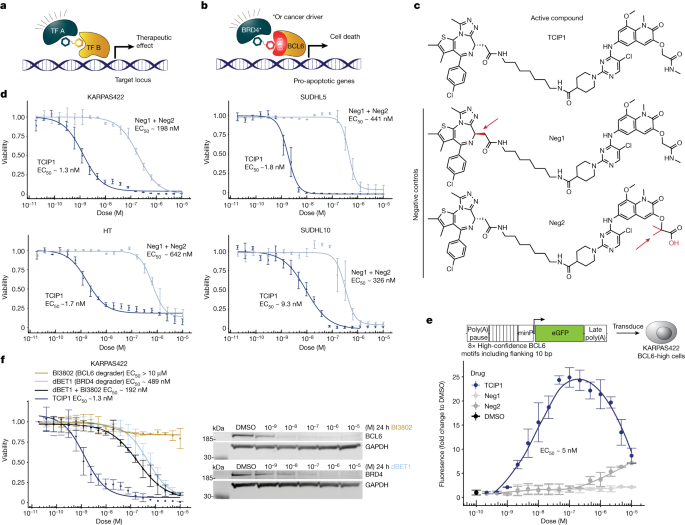
Harnessing Double-Headed Molecules to Trigger Cancer Cell Self-Destruction

Researchers have developed a strategy to rewire cancer drivers and activate apoptosis, a process that leads to programmed cell death. By using small molecules to induce proximity between specific proteins, they were able to trigger the degradation of oncogenic transcription factors, such as BCL6, leading to the suppression of cancer cell growth. This approach shows promise as a potential therapeutic strategy for targeting cancer drivers and promoting apoptosis in cancer cells.

science2 years ago

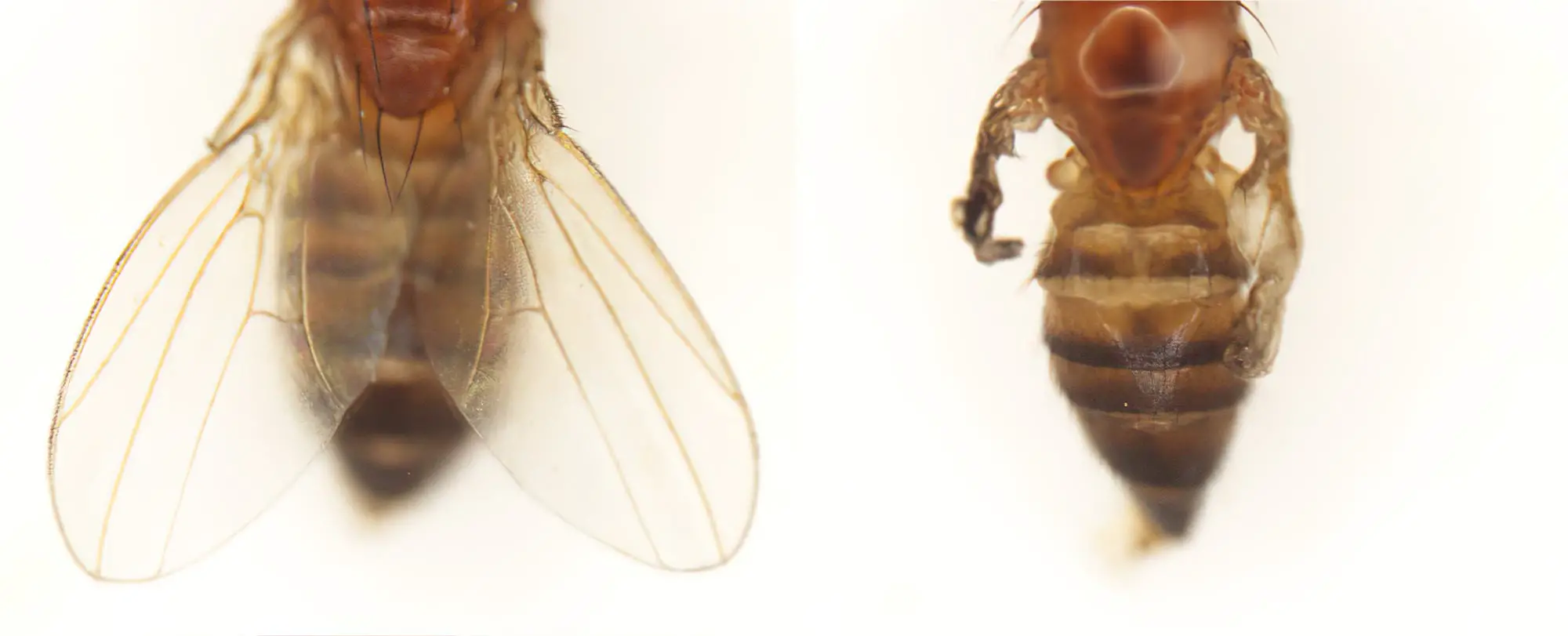
Flies defy cell death with "Sayonara" gene.

Researchers at RIKEN have discovered a BH3-only protein in fruit flies that triggers programmed cell death or apoptosis, challenging previous assumptions and suggesting that fruit flies share a similar apoptosis mechanism with humans and nematodes. The protein detects stress in cells and sets them on a pathway to self-destruction when they are overly stressed. The finding implies that fruit flies, and probably other insects, aren’t so different when it comes to apoptosis.

science2 years ago

Discovery of 'Sayonara' Protein Challenges Textbook Knowledge in Fruit Flies

RIKEN geneticists have discovered a BH3-only protein in fruit flies, which detects stress in cells and initiates apoptosis, a process of programmed cell death. This protein was previously thought to be absent in fruit flies and possibly all insects. The team named the gene that encodes for it sayonara. The finding implies that fruit flies and other insects have a similar mechanism for regulating apoptosis as humans and nematodes. The team is now exploring what happens after the BH3-only protein is activated and if other insects have BH3-only proteins.

neuroscience2 years ago

Fetal Alcohol Exposure's Lasting Impact on Brain Development.

A recent study investigated the effects of fetal alcohol exposure on brain development in neonatal mice. The study found that ethanol-induced neonatal apoptosis often causes immediate neuron deficits that persist into adulthood. Some brain regions are more vulnerable to ethanol-induced neuron loss than others, with the anterior thalamic nuclei showing the greatest loss of neurons. The study highlights the importance of identifying vulnerable brain regions for potential therapeutic interventions and may inform strategies for preventing or mitigating the long-term consequences of alcohol exposure during critical periods of brain development.