A large study of African American brains has identified the ADAMTS2 gene as significantly linked to Alzheimer's disease, with higher activity levels observed in affected individuals, suggesting a shared biological pathway across populations and potential for targeted therapies.
Recent research suggests that drinking orange juice can benefit heart health by lowering blood pressure and inflammation, and improving fat metabolism, with effects varying based on body type. The study highlights molecular mechanisms behind these benefits, though moderation is advised due to sugar content, and whole fruits are recommended over juice for additional fiber and nutrients.
A large-scale study of brain tissue from African Americans with Alzheimer's disease identified significant genetic signals, notably an increased expression of the ADAMTS2 gene, which is also linked to Alzheimer's in White populations, suggesting shared biological mechanisms across races.
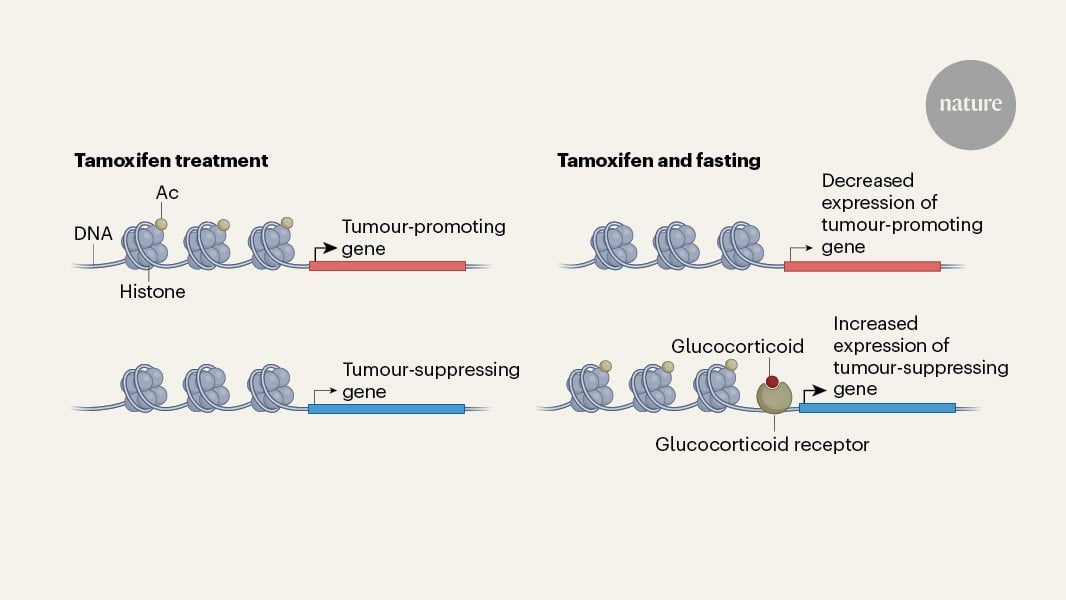
A study in mice reveals that fasting enhances breast cancer treatment by affecting hormone signaling pathways and gene expression, potentially improving therapy outcomes and delaying resistance.
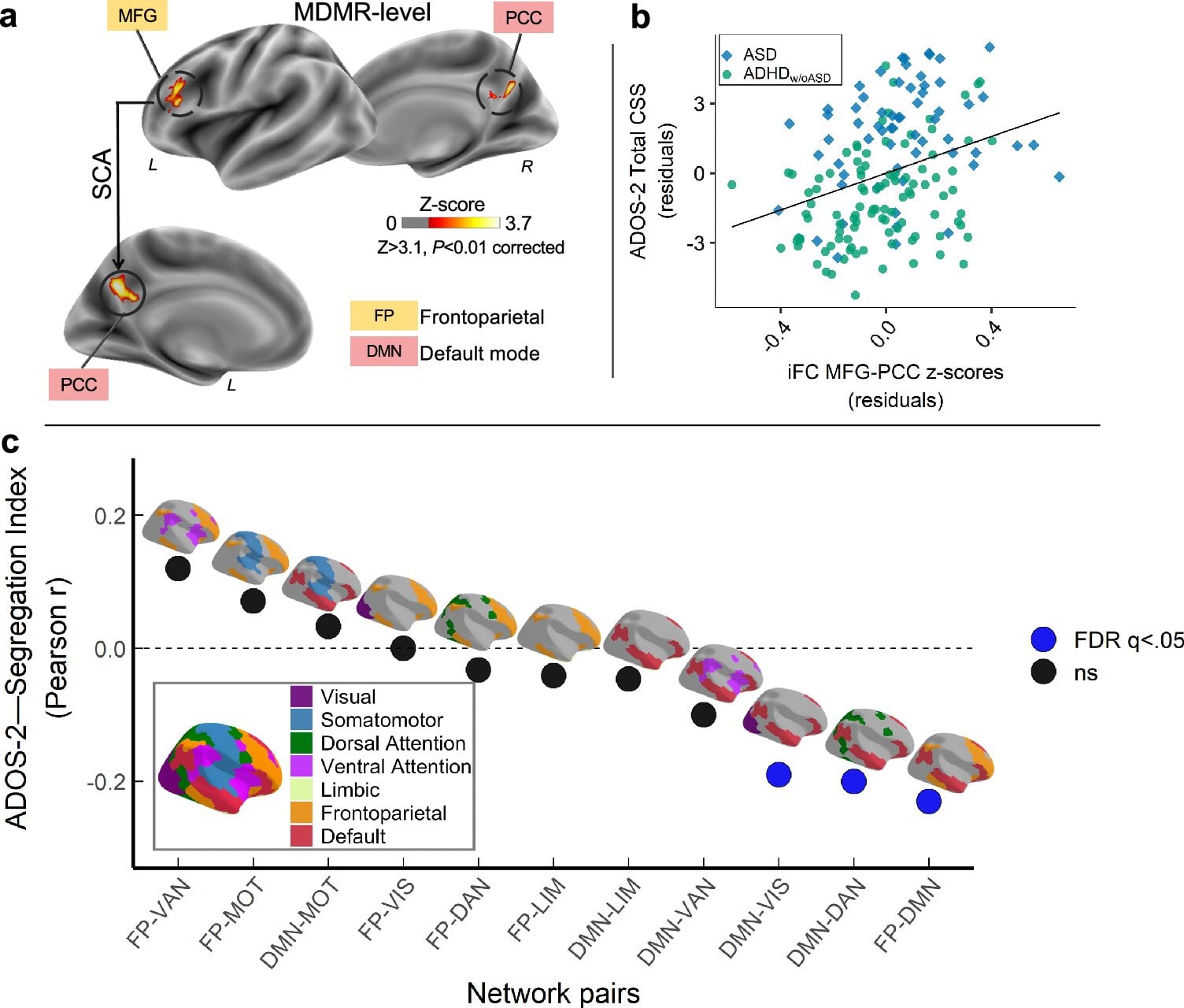
A study finds that autism symptom severity in children with autism and ADHD is linked to shared patterns of brain connectivity and gene expression, regardless of diagnosis, suggesting a common biological basis and supporting dimensional models of neurodevelopmental conditions.

A study finds that autism symptom severity, regardless of diagnosis, correlates with shared brain connectivity patterns and gene expression profiles in children with autism or ADHD, supporting a dimensional and biological approach to understanding neurodevelopmental conditions.
Scientists have identified two existing cancer drugs, letrozole and irinotecan, that can reverse brain damage associated with Alzheimer's in mice, showing promise for future clinical trials and potential treatment options for humans.
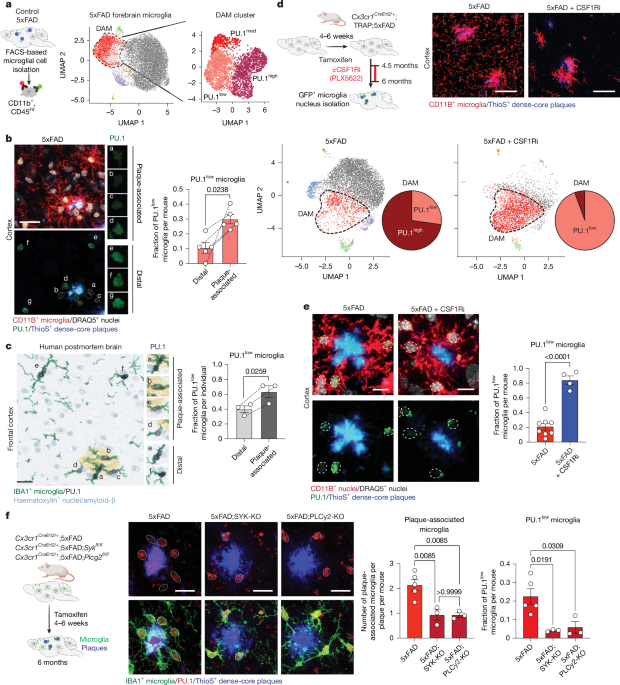
The study investigates how lymphoid gene expression supports neuroprotective functions of microglia in the human brain, particularly in the context of Alzheimer's disease, using post-mortem samples, induced pluripotent stem cells, and mouse models to explore microglial roles and gene regulation.
An AI model called DrugReflector, trained on gene expression data, significantly accelerates drug discovery by more effectively identifying promising compounds, doubling success rates when iteratively refined, and offering a powerful new tool for developing therapies.
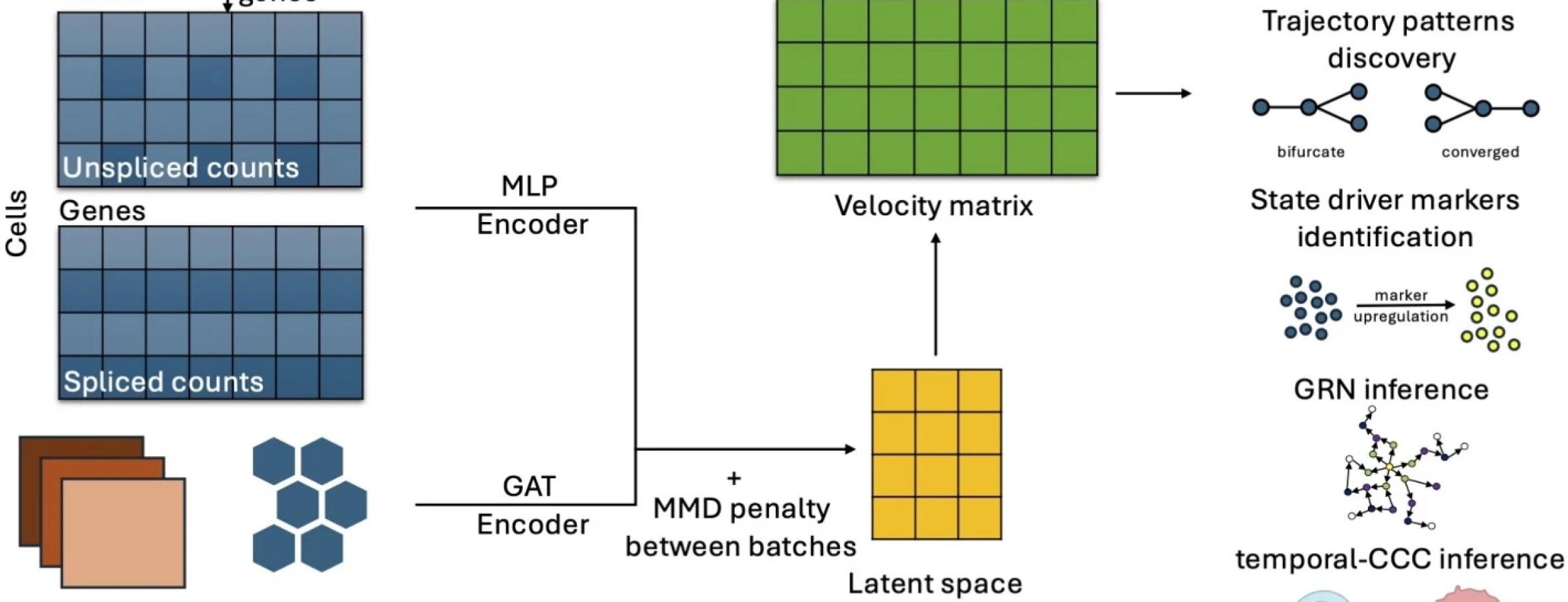
Researchers developed spVelo, a new method using neural networks to improve the measurement of gene expression changes and cell fate decisions by incorporating spatial and batch information, enabling more accurate and comprehensive analysis of cellular development and differentiation.
Scientists have discovered that disordered gene-regulating proteins rely on a structured partner, beta-catenin, to function properly, challenging previous ideas about their chaotic nature and revealing a hidden organization that could impact understanding of gene control and disease.
Researchers are exploring the potential of repurposing cancer drugs, specifically letrozole and irinotecan, to treat Alzheimer's disease. A study identified these drugs as promising candidates that may slow or reverse symptoms in mice by altering gene expression related to the disease. While initial results are encouraging, further clinical trials are needed to assess safety and effectiveness in humans, considering the significant side effects of these drugs.
A meta-analysis of gene expression data reveals that immune pathways, especially toll-like receptor signaling, and neuroplasticity mechanisms play key roles in determining why some individuals respond better to the antidepressant fluoxetine, highlighting the biological complexity and potential for personalized treatment approaches.
Researchers at Rutgers University have mapped the alignment of different brain cell types with functional networks in the human cortex using post-mortem gene expression atlases. This study links cellular distributions to networks involved in sensory processing and decision-making, enhancing our understanding of brain organization and its implications for cognition and mental health. The findings, published in Nature Neuroscience, provide a framework for future research on the cellular basis of brain function and disorders.
A study published in eNeuro suggests that alcohol consumption may accelerate the progression of Alzheimer's disease by affecting similar gene expression patterns in the brain. Researchers found that both Alzheimer's and alcohol use disorder (AUD) involve dysregulated genes and pathways related to inflammation, cell signaling, and cell death. The study analyzed RNA sequencing data from brain cells of Alzheimer's patients and found similarities with those affected by AUD. While the findings highlight alcohol as a potential risk factor for Alzheimer's, further research with larger datasets is needed to confirm these results.