Tag

Genetic Study

All articles tagged with #genetic study

science29 days ago

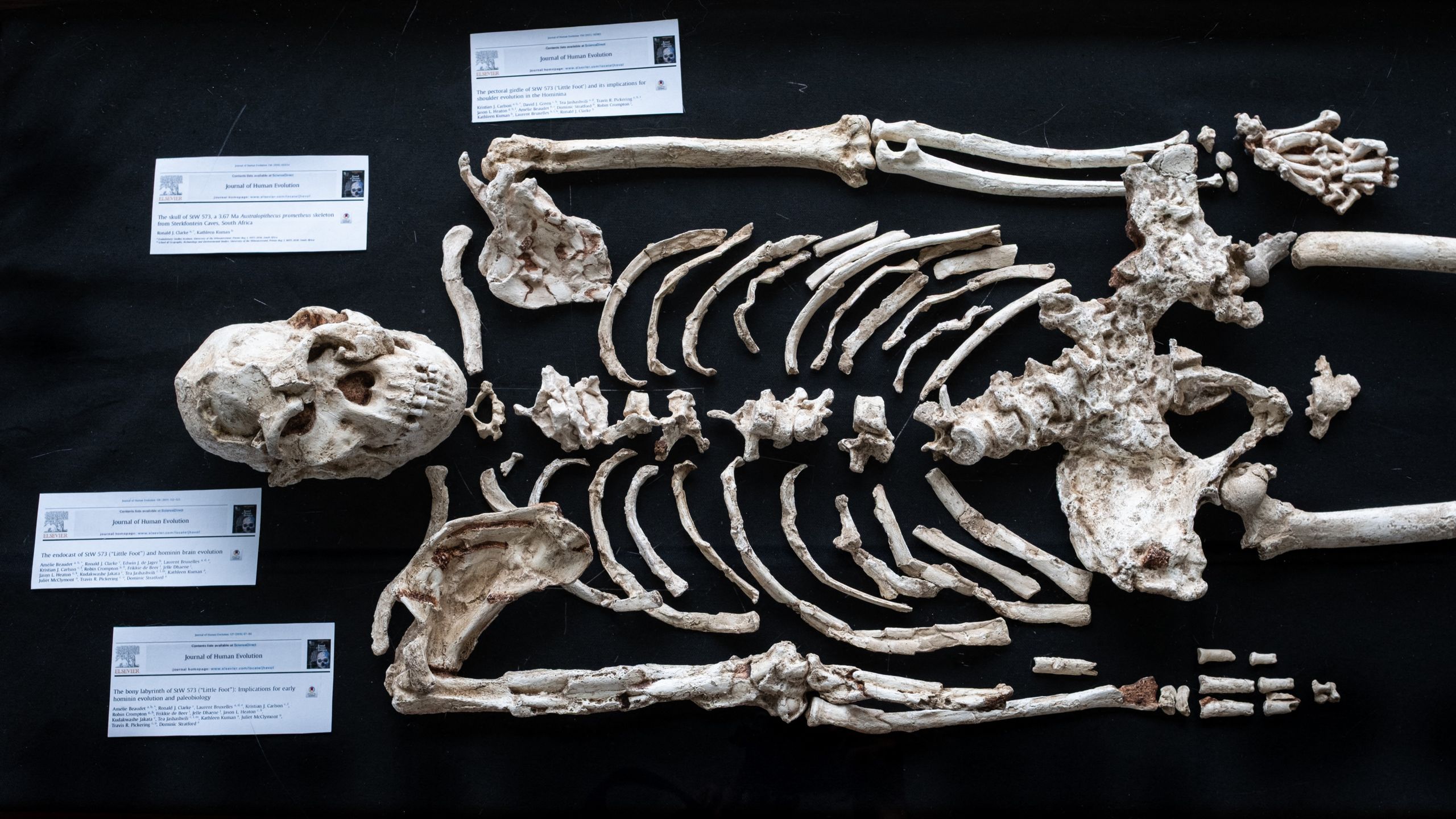
'Little Foot' Fossil May Represent a New Human Ancestor Species

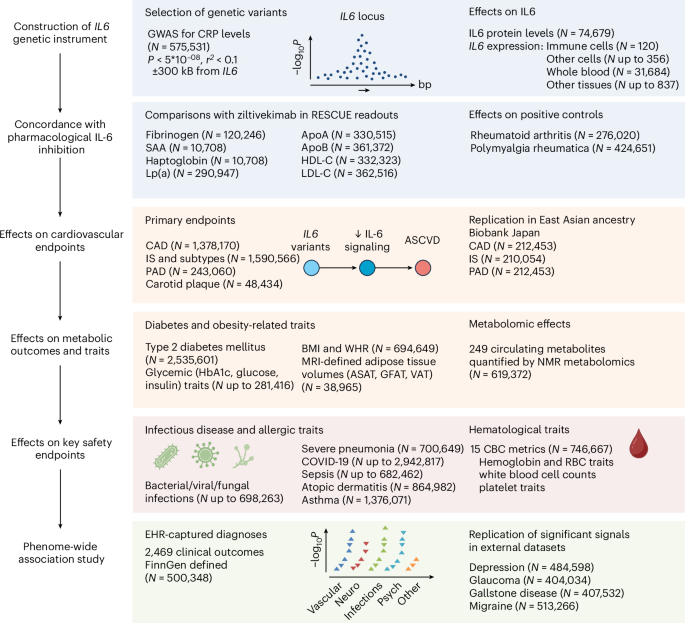
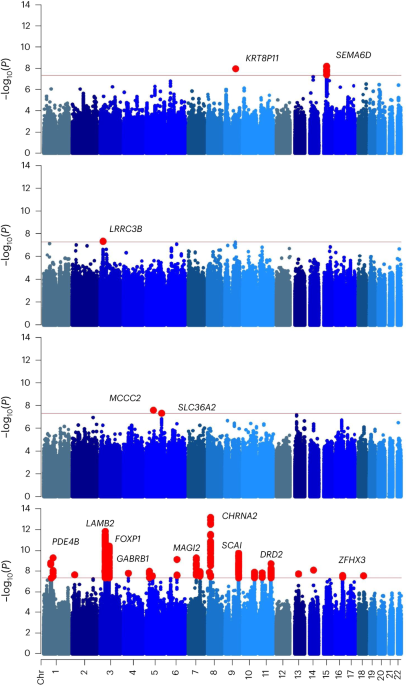
A large genetic study reveals five shared genetic profiles among 14 psychiatric disorders, suggesting common biological mechanisms, while other science news includes the discovery of a new pumpkin toadlet species, the changing hue of interstellar comet 3I/ATLAS, and the closest approach of interstellar comet 3I/ATLAS to Earth, along with the ongoing Geminid meteor shower and the debate over the classification of the ancient human fossil Little Foot.

science1 year ago

Utah's Ancient Pando: Earth's Oldest Living Organism?

Pando, a massive quaking aspen in Utah, is potentially one of the oldest and largest organisms on Earth, with new research suggesting it could be between 16,000 and 80,000 years old. This clonal organism, consisting of around 47,000 stems connected by a vast root system, has shown remarkable resilience to environmental changes over millennia. The study, which is not yet peer-reviewed, highlights Pando's genetic stability and suggests its age could provide insights into plant resilience and biology. Efforts to protect Pando from grazing have led to signs of its recovery.

science1 year ago

"Ancient DNA Unveils Western Tibetan Plateau's Population History"

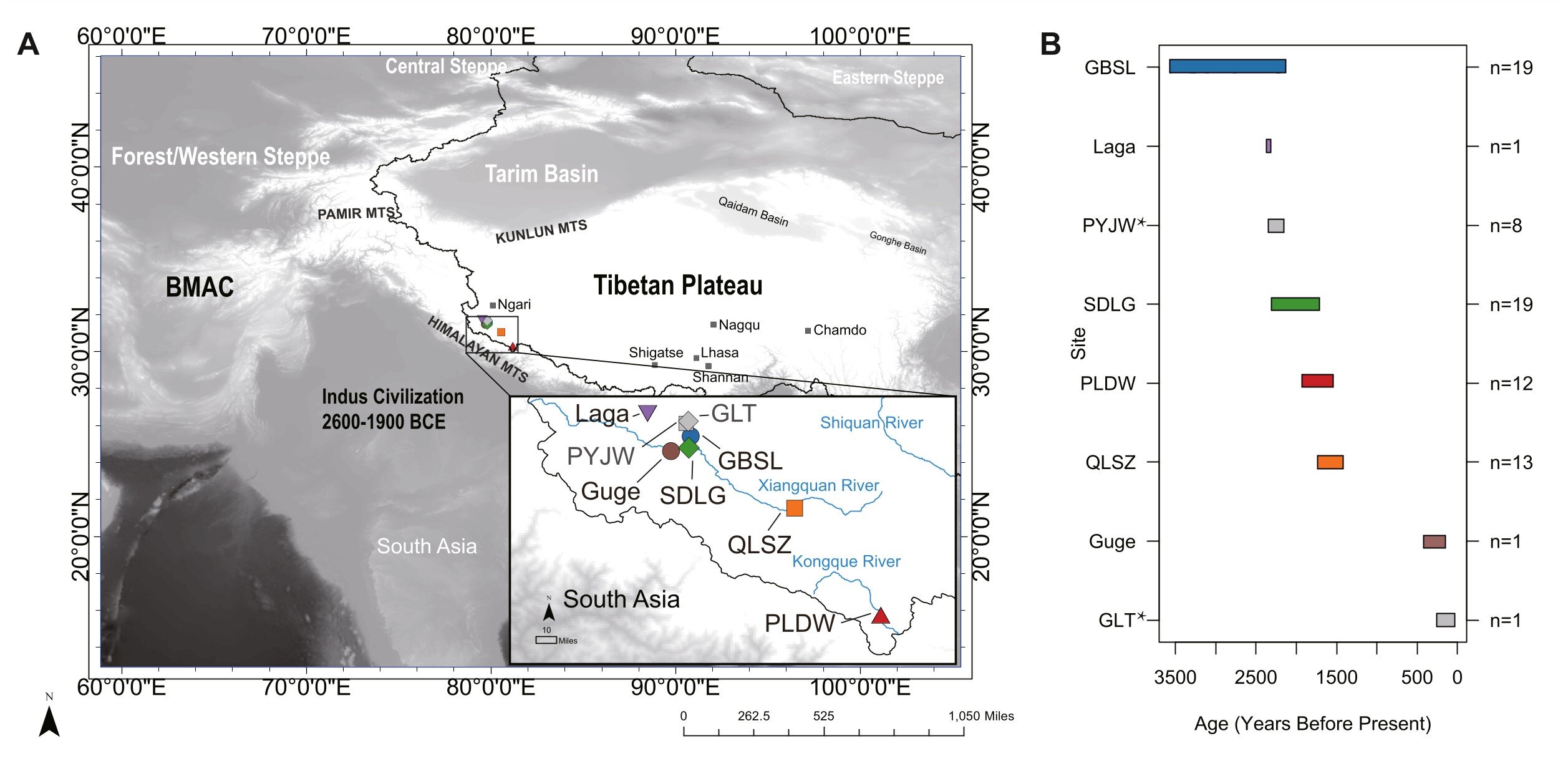
A study published in Current Biology reveals that the genetic components of ancient populations in the western Tibetan Plateau have remained stable over the past 3,500 years, closely resembling those of the southern Tibetan Plateau. The research, conducted by Prof. Fu Qiaomei's team and other institutions, also highlights complex interactions and migrations between these populations and those from Central and South Asia, providing new insights into the region's genetic history.

genetics-and-indigenous-history1 year ago

"Uncovering the Origins of North America's Blackfoot Confederacy"

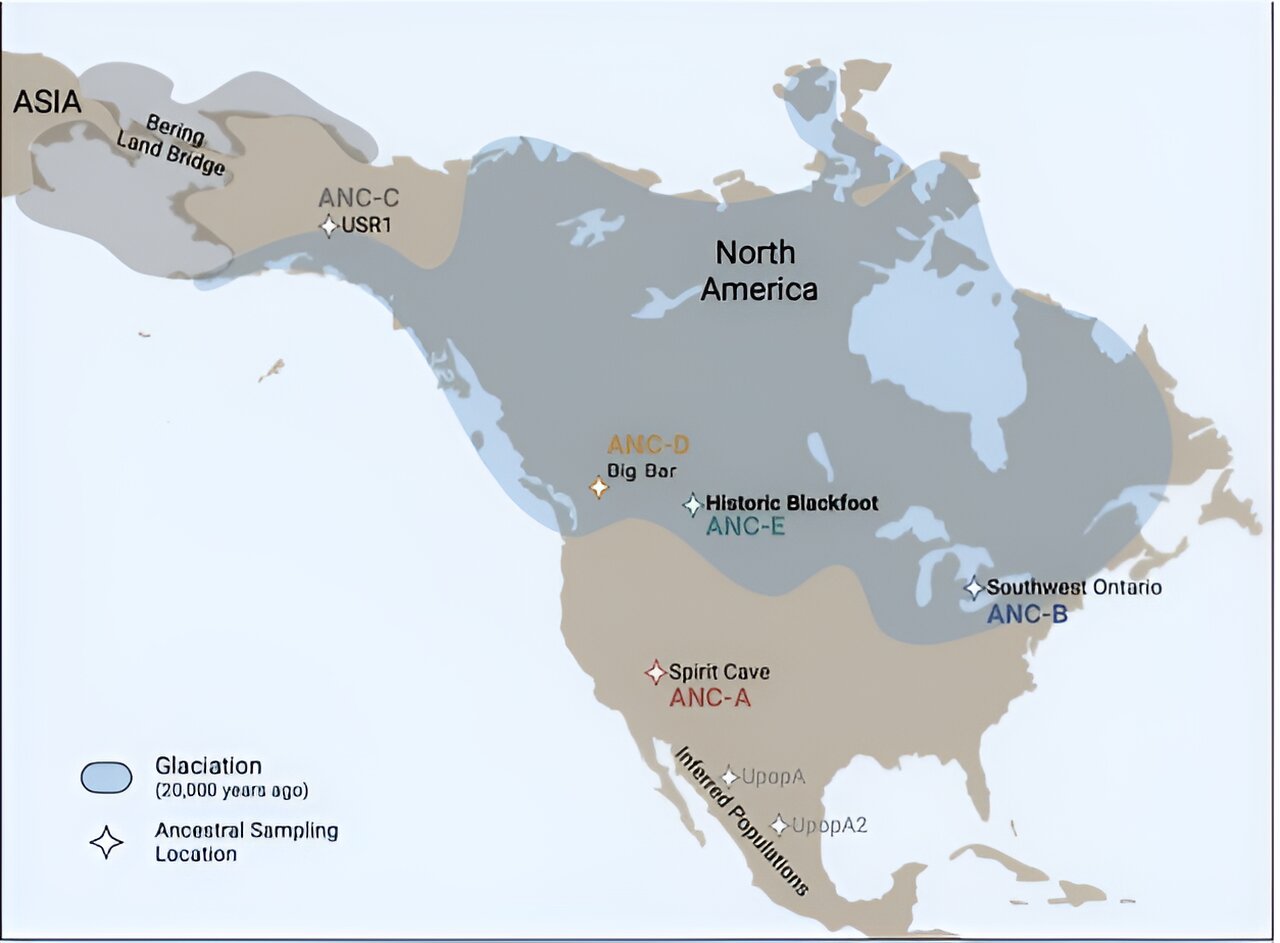
A genetic study tracing the lineage of North America's native Blackfoot Confederacy, published in Science Advances, found that modern Blackfoot people are descendants of a lineage dating back approximately 18,000 years, supporting their historical presence in North America. The research also provides evidence of a major lineage split among people who migrated to North America 18,000 years ago, giving rise to present-day Indigenous people in North, Central, and South America, bolstering the Blackfoot Confederacy's claims to ancestral land.

science1 year ago

"Chernobyl's Radiation-Resistant Worms Triumph"

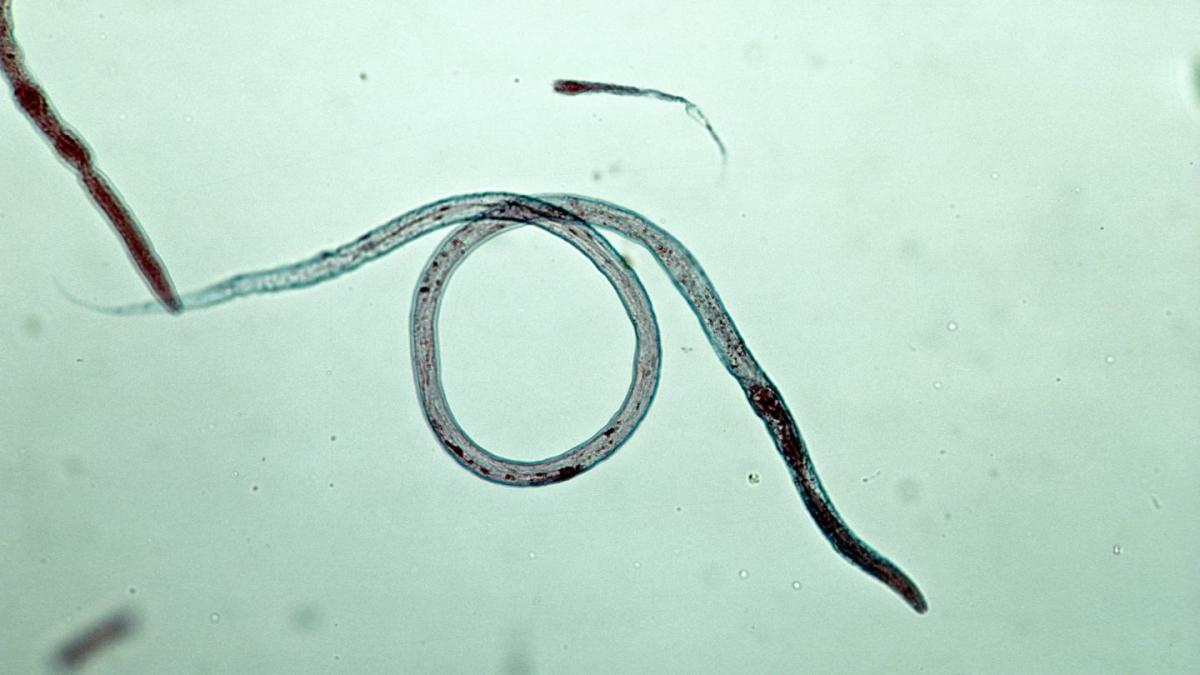
Scientists studying the Chernobyl Exclusion Zone have found that a common worm, Oscheius tipulae, appears to be completely unaffected by radiation exposure over the passing decades, exhibiting no signs of damage from the high-radiation environment. This resilience has sparked interest in understanding how these worms are able to withstand extreme conditions, with hopes of aiding humans in the fight against cancer. While other species in the area have displayed genetic mutations and adaptations to radiation, the nematodes seem to have remained unchanged, providing valuable insights into the effects of prolonged radiation exposure.

archaeologygenetics1 year ago

"Stone Age Genetic Strategy for Inbreeding Avoidance Revealed"

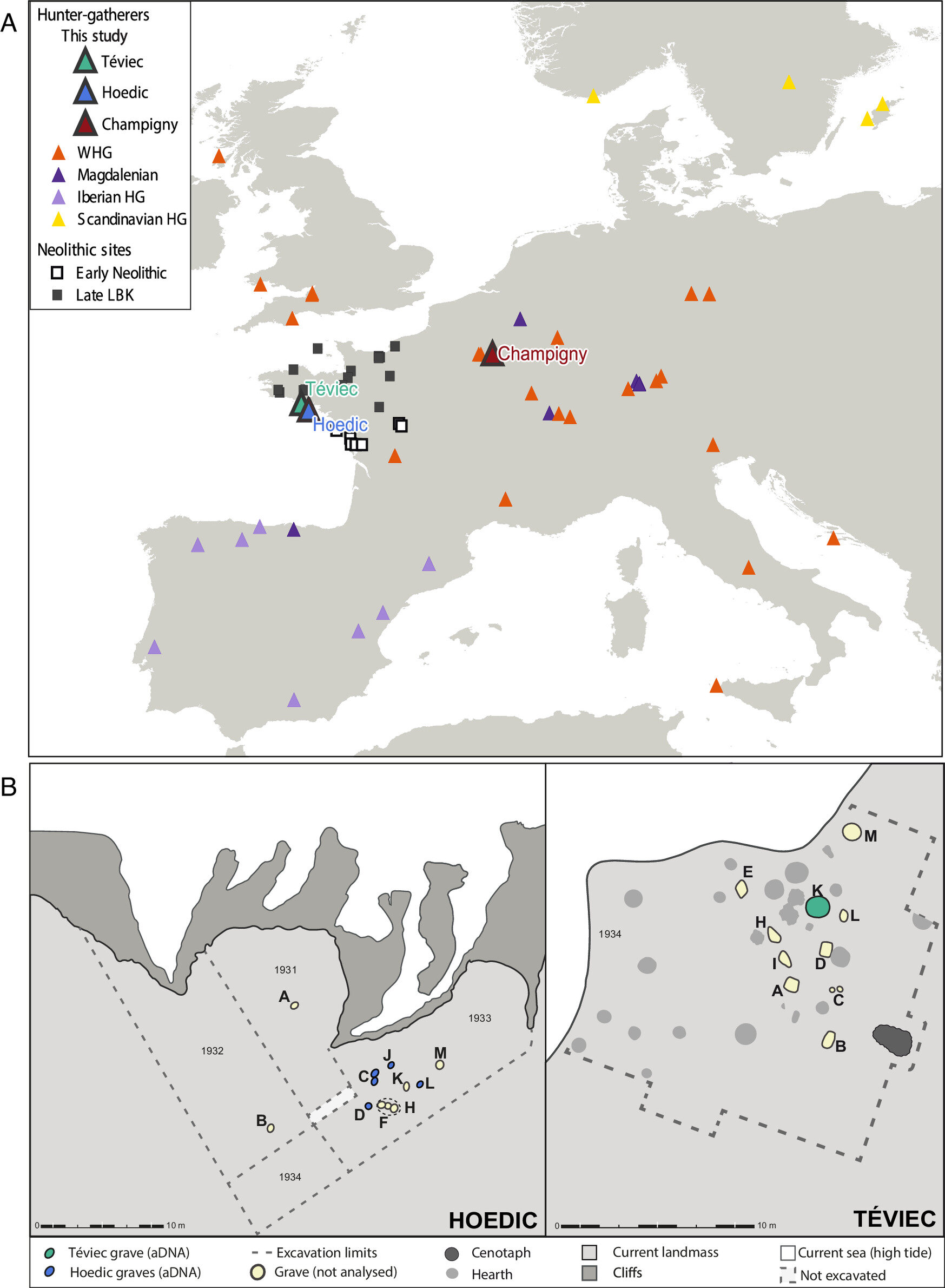
A genetic study of Stone Age burial sites in Western Europe suggests that hunter-gatherer communities deliberately lived together in distinct social units to avoid inbreeding, despite the coexistence of Neolithic farming communities. The study, led by researchers from Uppsala University and French institutions, analyzed the genomes of individuals buried at iconic sites in France, revealing that the groups were generally not closely related and showed no signs of inbreeding. The findings provide new insights into the social dynamics of the last Stone Age hunter-gatherer populations in Western Europe.

science1 year ago

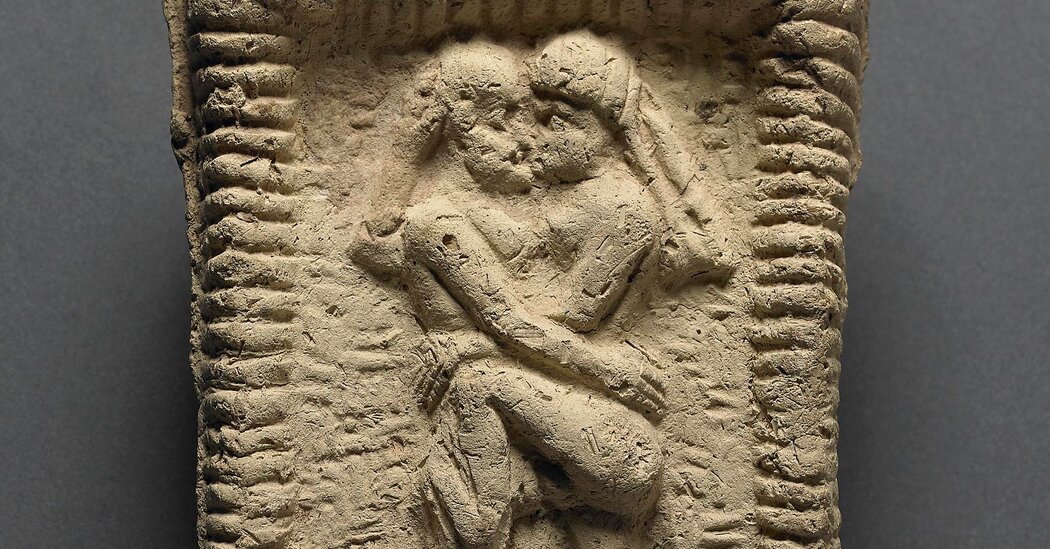
"The Origins of the First Kiss Revealed by Archaeology"

A new study led by a married pair of researchers has revealed that intimate kissing is 1,000 years older and more widespread than previously thought, with evidence dating back to the Bronze Age. The study, which traces the origins of kissing to South Asia and its development into the lip-kissing we know today, sheds light on the ancient history of smooching and its cultural evolution.

health2 years ago

The Alarming Link Between Fentanyl Exposure and Devastating Birth Defects in Newborns

A study published in Genetics in Medicine Open has found that at least 10 newborn babies, and possibly more, are suffering from birth defects related to fentanyl exposure in the womb. The babies have physical abnormalities such as cleft palate, small bodies and heads, drooping eyelids, upturned noses, undersized lower jaws, and inward-facing feet. Geneticists ruled out a genetic cause but found that all the babies had mothers who admitted to using street drugs, including fentanyl. The researchers suspect that fentanyl may be disrupting cholesterol metabolism during pregnancy. Further studies are needed to confirm these findings. Fentanyl has been linked to a significant increase in drug overdose deaths.

health2 years ago

Uncovering the Biology and Public Health Impact of Cannabis Use Disorder through Multi-Ancestry Study

A multi-ancestry genome-wide association study has identified 22 independent genome-wide significant loci associated with cannabis use disorder (CanUD) in European ancestry populations, as well as additional loci in African, Admixed American, and East Asian ancestries. The study also revealed genetic correlations between CanUD and various psychiatric and substance use disorder traits, as well as causal relationships with chronic pain, lung cancer, and schizophrenia. Additionally, transcriptome-wide association studies identified genes associated with CanUD in adult and fetal brain tissue, with fetal brain tissue showing greater enrichment for SNP-based heritability. The findings provide insights into the biology of CanUD and have implications for public health.

science2 years ago

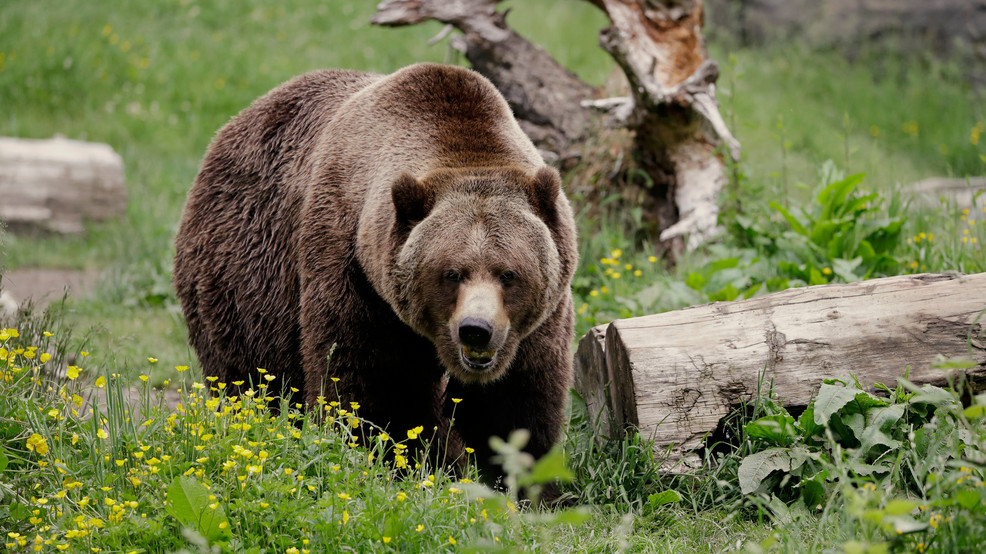
Hibernating Grizzly Bears Maintain Circadian Rhythms, Study Finds

A genetic study led by researchers at Washington State University (WSU) has found that grizzly bears maintain their circadian rhythm even during hibernation, highlighting the importance of circadian rhythms in the metabolism of organisms. The study revealed that bears' energy production still follows a daily pattern during hibernation, although the amplitude of the energy production is reduced. The peak of energy production occurs later in the day during hibernation. Researchers believe that altering the circadian rhythm during hibernation helps bears conserve energy and survive without food for months.