Research shows that specific parts of the human brain respond distinctly to chimpanzee vocalizations, indicating deep evolutionary roots of voice recognition that predate human language and suggesting shared neural mechanisms with our closest primate relatives.
Researchers are exploring how vibrating tendons can reduce the perceived effort of exercise by altering brain signals, potentially making physical activity feel easier and encouraging more people to stay active, although the research is still in early stages and limited to short cycling sessions.
A woman voluntarily experienced an orgasm inside an MRI scanner as part of a scientific study to map brain activity during climax, revealing detailed insights into how different brain regions activate and interact during orgasm, which could help understand sexual dysfunctions.
The article presents a collection of fascinating facts across various scientific fields, highlighting discoveries about the brain's capacity, animal behaviors, medical innovations, and environmental phenomena, emphasizing how much there is still to learn about our world and ourselves.
Research indicates that ADHD medications like Ritalin and Adderall do not primarily act on the brain's attention circuitry as previously believed, but instead influence the reward and wakefulness centers.
Israeli scientists discovered that brain cells may spread toxic proteins linked to Alzheimer's by expelling them into surrounding tissue, potentially accelerating disease progression, with implications for early diagnosis and targeted treatments.
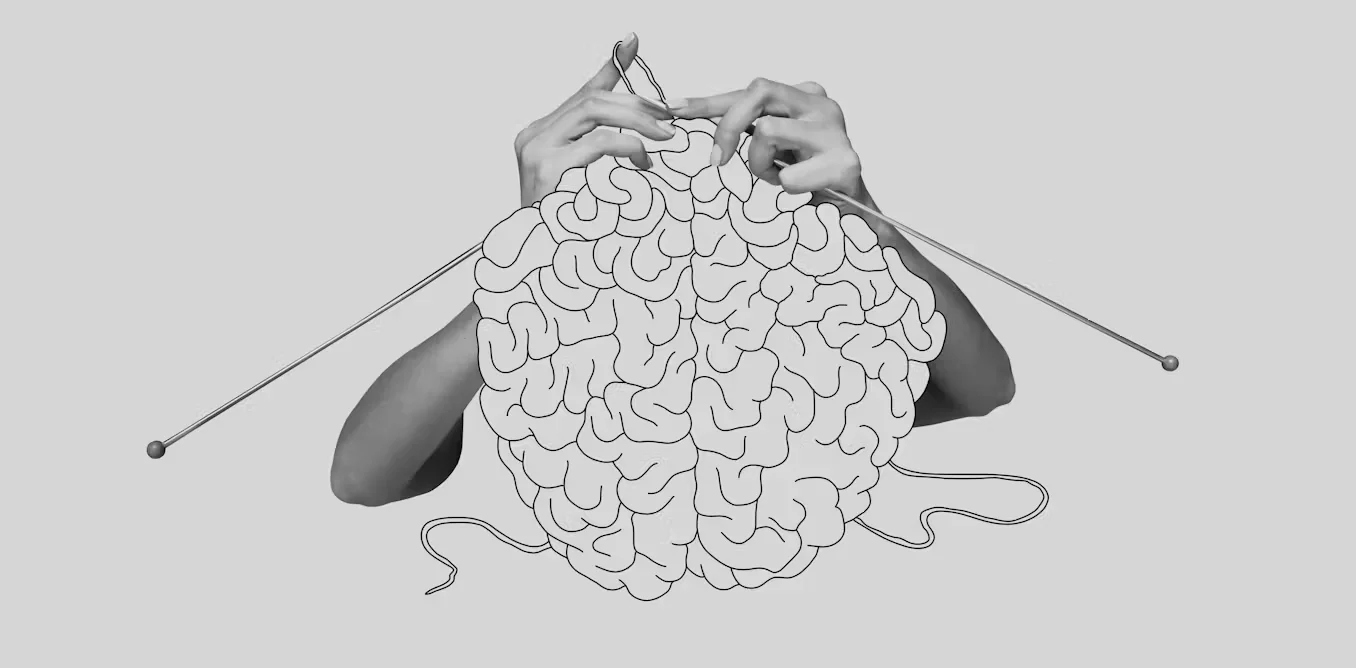
A new study challenges the traditional software metaphor of consciousness, emphasizing that physical processes in the brain, such as energy use and real-time changes, are fundamental to how the brain computes and produces consciousness, suggesting that biological material plays an active role in this process and that building conscious machines may require more than just advanced algorithms.
The article explores how time-space synaesthesia affects the author's perception of the new year, making it a physical experience, and discusses the cognitive advantages and neurological basis of this condition, highlighting its influence on memory, time organization, and cultural differences.
The article explores how spirituality and faith can physically reshape the brain, offering resilience against depression in adolescents and young adults, and emphasizes the importance of a genuine relationship with Christ for lasting healing and purpose.
Scientists developed a protein called iGluSnFR4 that can detect incoming chemical signals in the brain, specifically glutamate, allowing researchers to observe how neurons process information in real time. This breakthrough enhances understanding of brain functions like learning and memory, and could advance research into neurological disorders and drug development.
Scientists discovered a 520-million-year-old fossilized larva with remarkably preserved internal structures, including its brain, digestive system, and nerves, providing new insights into early arthropod evolution and challenging previous assumptions about the simplicity of ancient creatures.
This article features a neuroscience-themed word search game focused on identifying parts of the brain, such as the cerebrum, cerebellum, and amygdala, aimed at testing and enhancing knowledge of brain anatomy.
The article argues that consciousness cannot be reduced to simple code because the brain's computation is fundamentally different from traditional digital computers. It introduces the concept of biological computationalism, emphasizing that brain computation is hybrid, scale-inseparable, and metabolically grounded, with the algorithm being the physical substrate itself. This perspective suggests that building conscious machines may require new types of physical systems that mirror the brain's complex, energy-constrained, and multi-level dynamics, moving beyond traditional digital AI approaches.
A recent study highlights the role of mitochondria, the energy-producing organelles in brain cells, as key mediators linking stress, trauma, and mental health. Chronic stress and social isolation impair mitochondrial function, leading to mental and physical health issues, but lifestyle interventions like exercise and therapy can restore mitochondrial health and resilience.
The article explains how our perception of time is influenced by brain processes, with time seeming to pass faster when engaged in novel or exciting activities and slower during routine or boring moments. It highlights that our brains infer time based on change and memory density, which explains why years feel short when routines dominate and why time seems to fly as we age. To make time feel longer, creating new memories and experiences is recommended.