New research indicates that poor sleep quality accelerates brain aging, with inflammation playing a key role, and factors like night-owl lifestyles and snoring being strongly associated with this process.
Research indicates that controllable lifestyle factors such as managing stress, getting quality sleep, maintaining a healthy weight, and fostering social connections can help keep the brain younger, with MRI-based estimates showing brains of individuals practicing these habits appearing up to 8 years younger and aging more slowly over time.
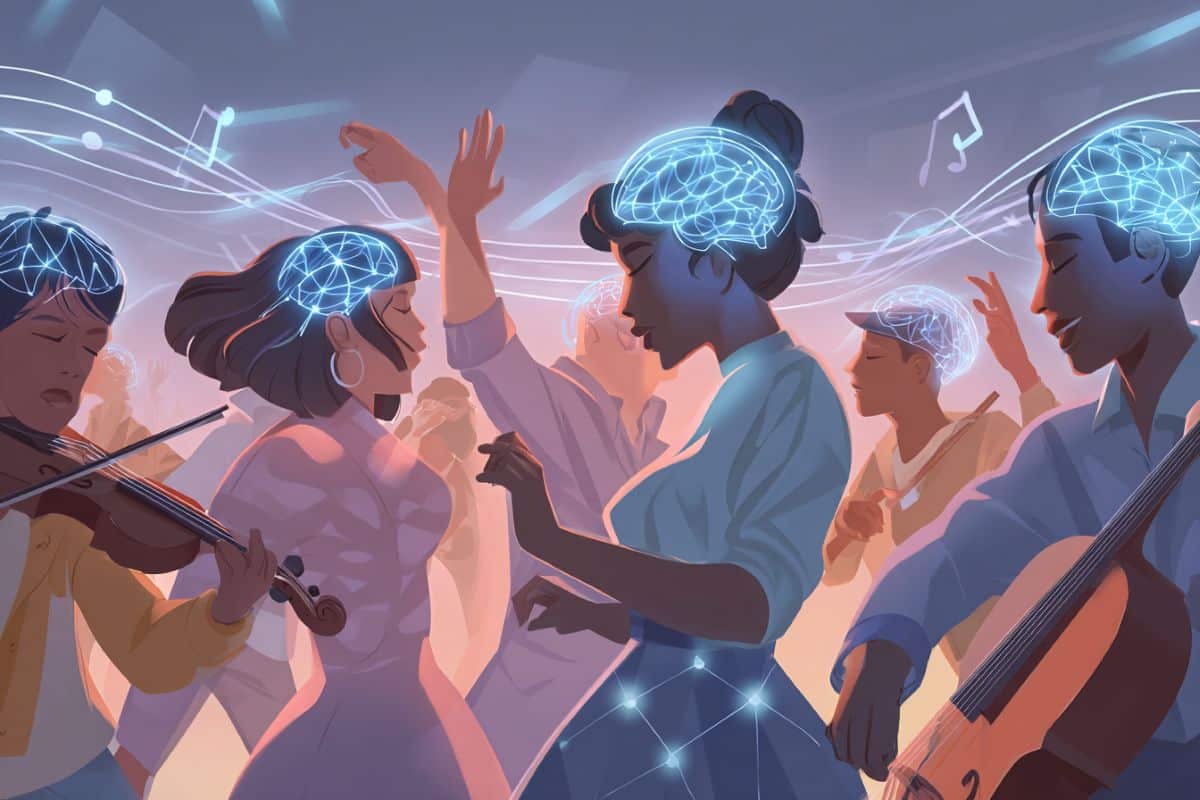
Engaging in creative activities like dancing, music, art, or playing strategy video games is linked to a younger-looking brain and slower brain aging, with long-term practice providing stronger benefits. Even short-term creative training can improve brain aging markers, suggesting that regular creative engagement supports neural health and cognitive resilience.
A new study suggests that low levels of the nutrient choline, combined with obesity, may accelerate brain aging and increase the risk of neurodegenerative diseases like Alzheimer's, highlighting the importance of sufficient choline intake for brain health and aging.
A study published in Nature Communications suggests that engaging in creative activities like dancing, playing music, visual arts, and strategy video games can be linked to slower brain aging, making these accessible hobbies beneficial for maintaining cognitive health as we age.
A University of Florida study found that positive lifestyle factors such as optimism, good sleep, social support, and healthy habits can make the brain appear years younger and slow its aging process, even among those with chronic pain.
A 2024 study highlights that brain aging begins earlier than expected, often in midlife, and emphasizes the importance of nutrients like omega-3s, B12, folate, vitamin D, E, choline, magnesium, and polyphenols in supporting brain longevity and cognitive health through a balanced diet and healthy lifestyle habits.
A study by international scientists found that engaging in creative activities like dance, art, music, or gaming can make the brain appear younger, with more practice leading to greater effects. Creative experiences help maintain brain connectivity and resilience, potentially delaying brain aging and supporting cognitive health across the lifespan.
A study suggests that a green Mediterranean diet, rich in plant-based foods like walnuts, green tea, and Mankai, may help slow brain aging by reducing proteins linked to cognitive decline, likely due to its high polyphenol content and anti-inflammatory properties.
Scientists at Cedars-Sinai developed lab-created young immune cells from human stem cells that reversed signs of aging and Alzheimer's in mice, showing potential for future human therapies to improve brain health and memory.
Researchers have identified that 'SuperAgers,' individuals over 80 with memory performance akin to much younger people, possess unique brain features such as resistance or resilience to Alzheimer's pathology, including thicker cortex and more von Economo neurons, which may inform future strategies to preserve cognitive function in aging.
A 10-week study shows that mental exercises can increase acetylcholine levels in the brain of older adults, potentially reversing age-related decline in decision-making and memory functions, similar to effects seen in early Alzheimer's treatments.
A study using fMRI scans of people watching an Alfred Hitchcock show suggests that as we age, our brains experience fewer and longer-lasting neural states, which may contribute to the perception that time passes more quickly in older adults. This neural dedifferentiation could make it harder to distinguish between events, influencing our subjective experience of time.
Research on SuperAgers—people over 80 with youthful cognitive abilities—reveals that social engagement and maintaining brain activity are key factors in preserving mental sharpness and protecting against dementia, with SuperAgers showing less brain atrophy and more social-related neurons, highlighting the importance of socializing for healthy aging.
Recent research suggests a potential link between artificial sweeteners and accelerated brain aging, with some studies indicating they may impair memory and cognitive functions, raising concerns about their long-term health effects despite FDA approval. Experts recommend further investigation to fully understand these impacts.