medical-research5.435 min read
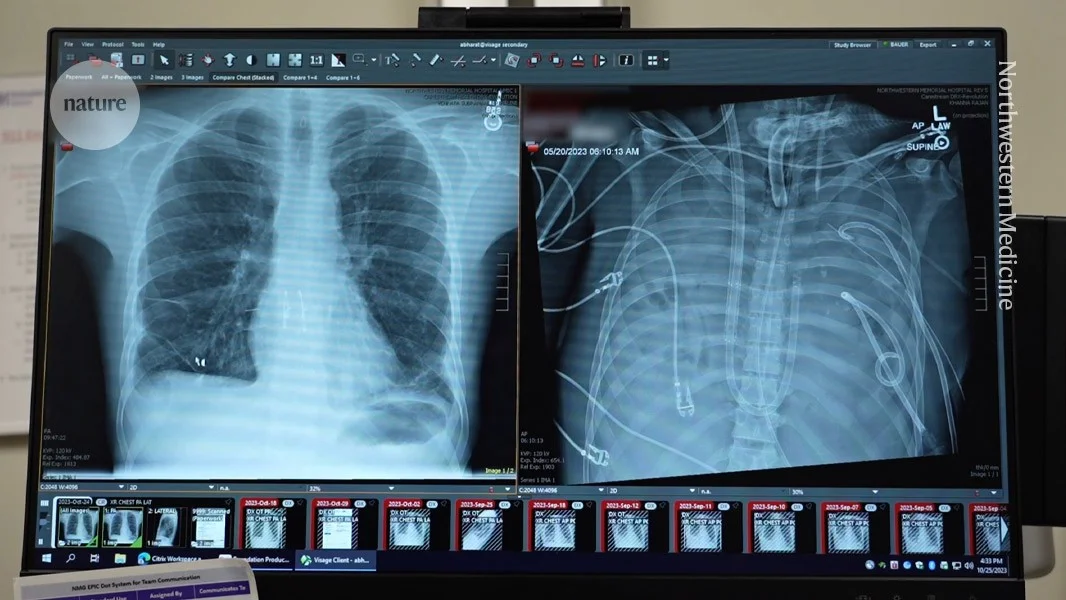
External artificial lung buys time for life-saving transplant
27 days ago•Source: Nature

The latest medical research stories, summarized by AI
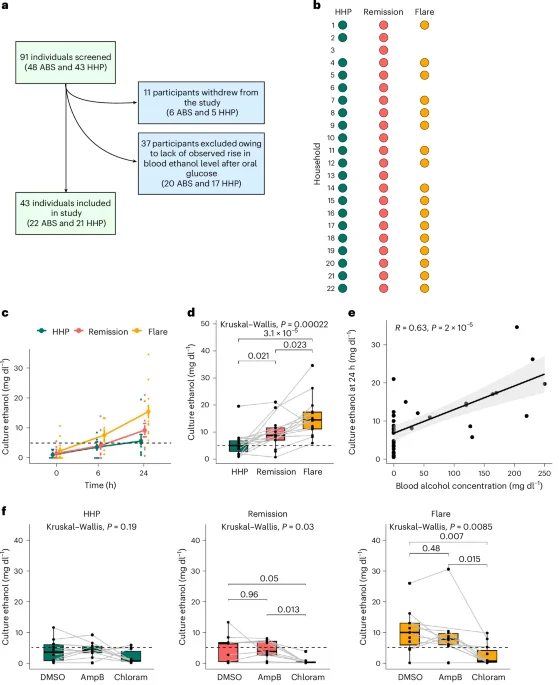
This study investigates how gut microbial ethanol metabolism contributes to auto-brewery syndrome, highlighting specific bacterial pathways and species involved, and providing data and tools for further research.
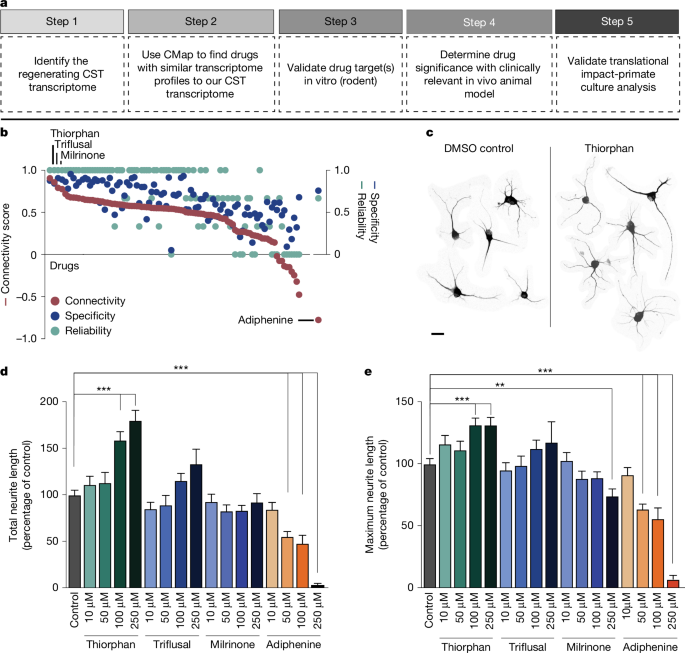
Nature•4 months ago
Nature•4 months ago
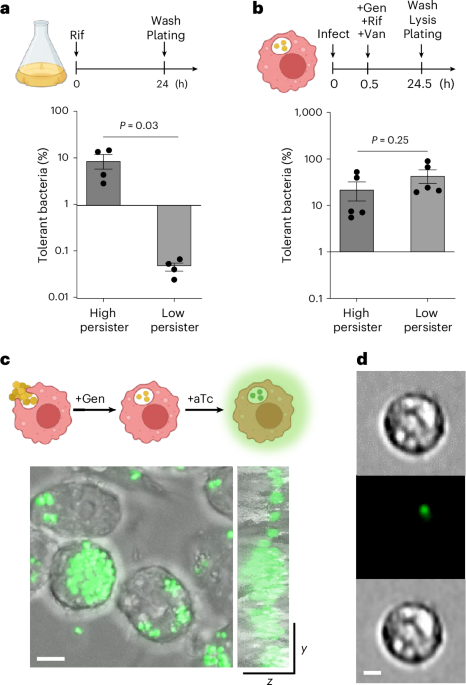
The study identifies KL1, a host-targeted compound that reduces reactive oxygen and nitrogen species in macrophages, thereby resensitizing intracellular bacterial persisters like S. aureus to antibiotics and improving treatment outcomes in various infection models.
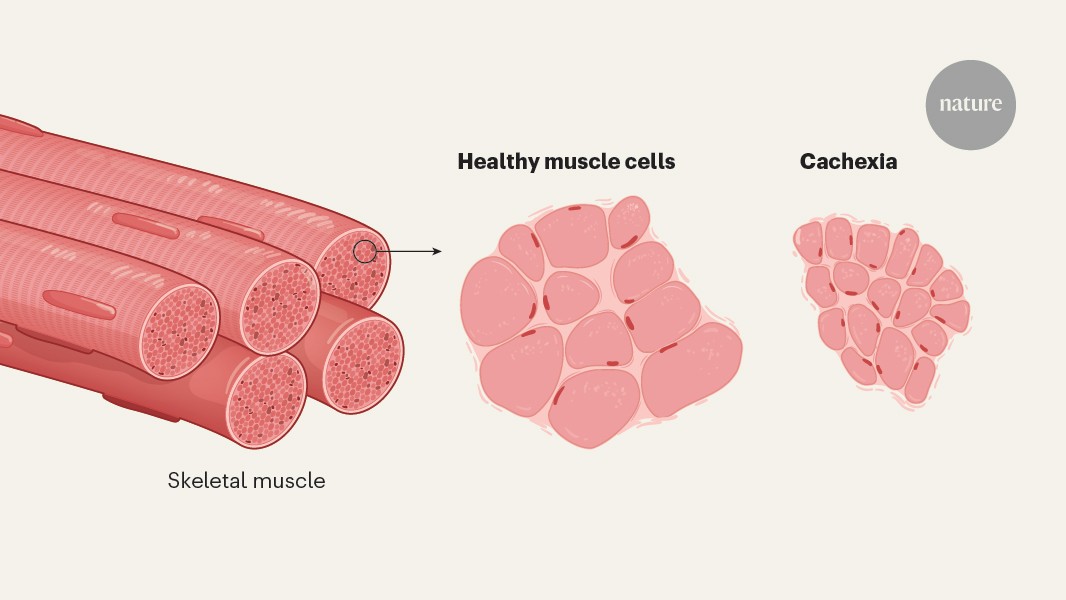
Research identifies RNA expression patterns linked to cachexia, a severe weight-loss syndrome associated with cancer that involves skeletal muscle wasting and is resistant to nutritional interventions, potentially leading to new treatment targets.
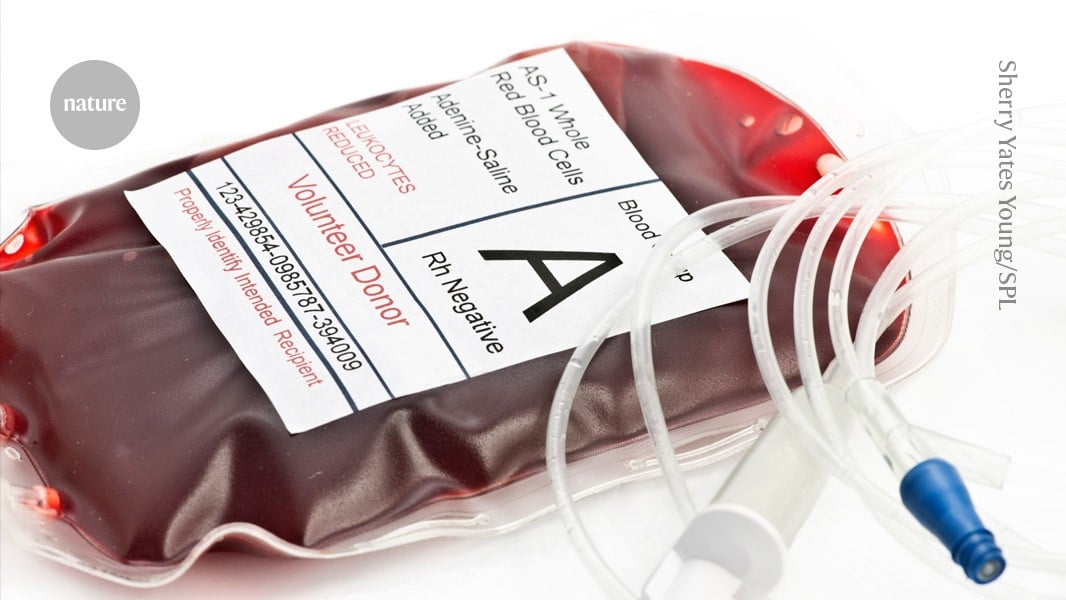
Researchers successfully converted a donor kidney's blood type from A to O using an enzyme, enabling its transplantation into a recipient, which could significantly improve organ donation accessibility and reduce wait times.
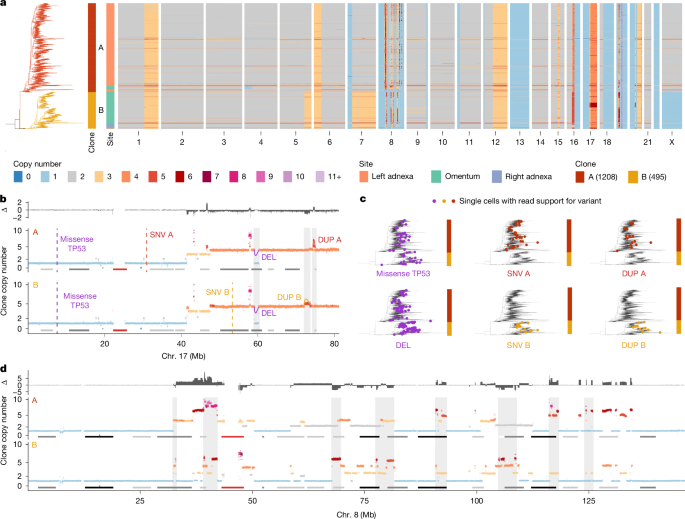
The study introduces CloneSeq-SV, a method combining single-cell whole-genome sequencing and circulating tumor DNA analysis to track clonal evolution and structural variants in ovarian cancer, revealing mechanisms of drug resistance and potential for adaptive therapy.
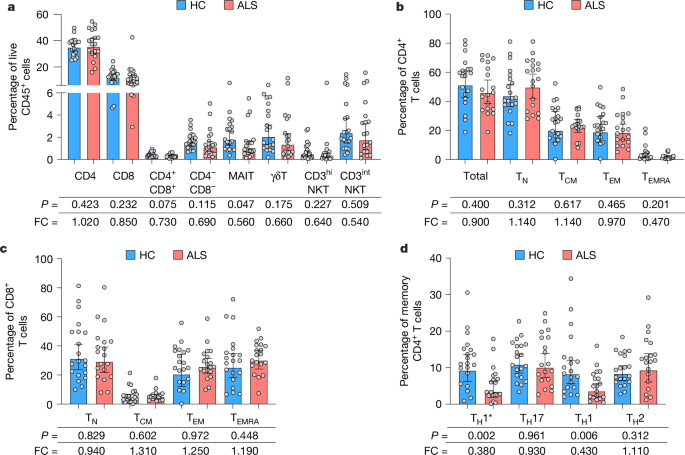
The study identifies C9orf72 as a major autoantigen targeted by CD4+ T cells in ALS patients, with responses skewed towards an anti-inflammatory profile, especially in those with longer survival, suggesting a potential protective immune component in ALS progression.
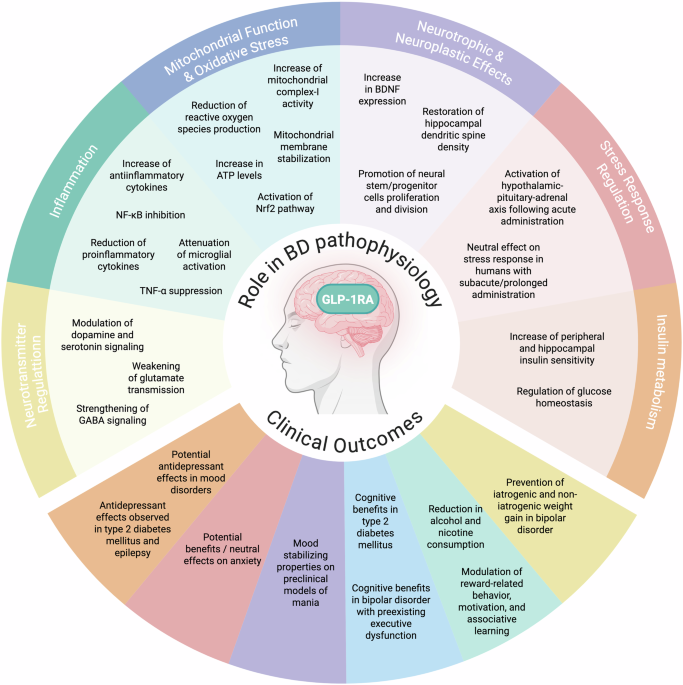
This review explores the potential of glucagon-like peptide-1 (GLP-1) receptor agonists as emerging treatments for bipolar disorder, summarizing preclinical and clinical evidence supporting their therapeutic role in mood regulation, neuroprotection, and metabolic health.
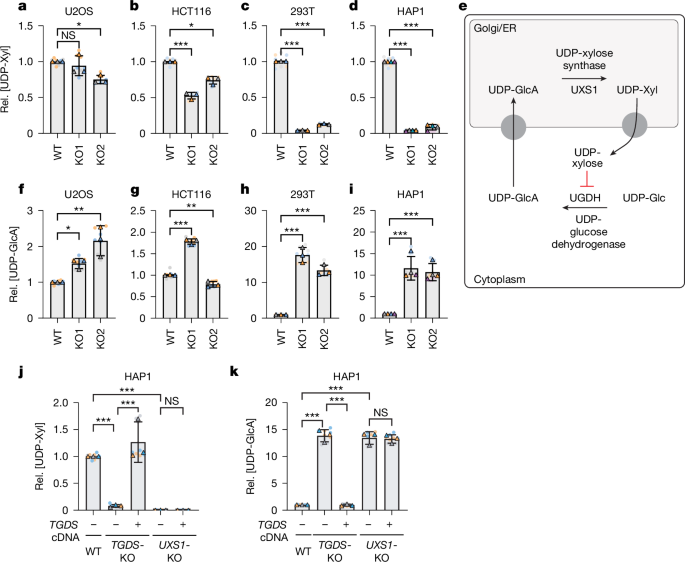
The study identifies TGDS as an enzyme producing UDP-4-keto-6-deoxyglucose, which reactivates UXS1, a key enzyme in glycosaminoglycan synthesis. Deficiency in TGDS impairs this process, leading to Catel–Manzke syndrome, a rare skeletal disorder, with evidence from cell models, patient fibroblasts, and mouse models supporting this molecular mechanism.
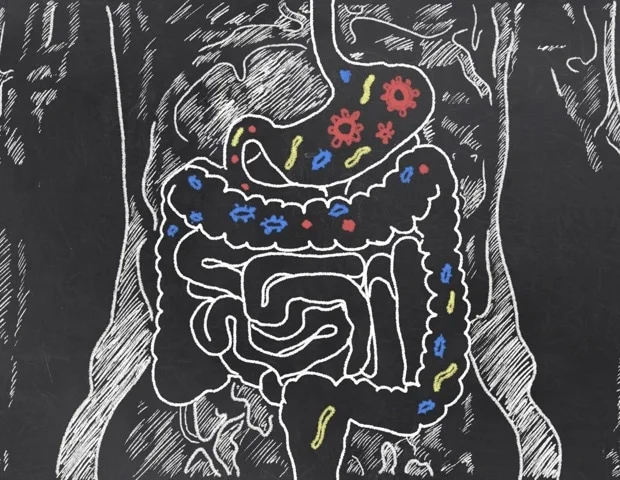
A study found that consuming pistachios at night for 12 weeks alters gut bacteria in adults with prediabetes, increasing beneficial bacteria like Roseburia and Lachnospiraceae, which may support gut health and potentially slow the progression to Type 2 diabetes, though further research is needed to confirm health benefits.
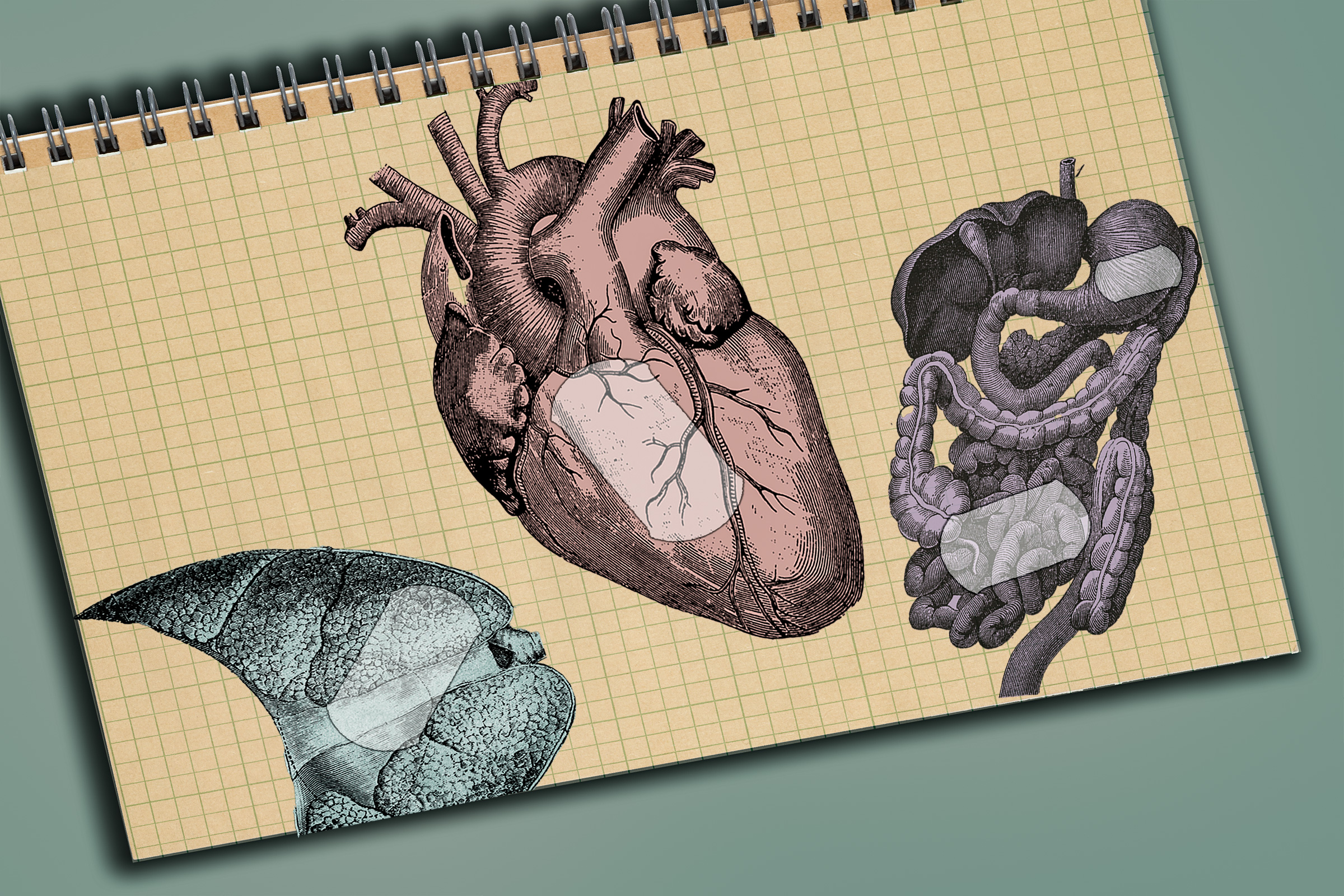
MIT engineers have developed a hydrogel adhesive coating for medical implants that prevents fibrosis, or scar tissue formation, which can interfere with device function. This adhesive binds the devices to tissue, preventing the immune system from attacking them. The approach has shown success in animal models and could be used for various implants, including pacemakers and drug delivery devices. The research, published in Nature, was funded by the NIH and NSF.

A prospective multi-institutional trial validated the Brain Injury Guidelines (BIG) for traumatic brain injury patients, finding that low-risk patients classified by BIG did not require neurosurgical intervention, potentially reducing resource utilization. However, the study's data has limitations, including missing information and loss to follow-up, and lacks statistical analysis, suggesting caution in complete guideline implementation. The study highlights the need for further research and consideration of selection bias and generalizability in applying the guidelines to diverse clinical settings.