Tag

Genetics

All articles tagged with #genetics

Five healthy diets tied to longer life, regardless of genes
health3 days ago

Five healthy diets tied to longer life, regardless of genes

A UK Biobank analysis of over 100,000 people followed for about a decade finds that strong adherence to five established healthy dietary patterns—the Mediterranean, Diabetes Risk Reduction Diet, DASH, plant-based, and Alternative Healthy Eating Index—is associated with 1.5 to 3.0 extra years of life, regardless of genetic predisposition to shorter lifespan. Key drivers include high fiber from whole grains, fruits, and vegetables, and low sugar-sweetened beverages and ultra-processed foods. No single diet is labeled best; the benefit comes from consistently following any of these patterns. Observational design means causation can’t be proven, and lifestyle factors like exercise and sleep also play a role.

Aging Men Lose Y Chromosome, Linked to Health Risks
health9 days ago

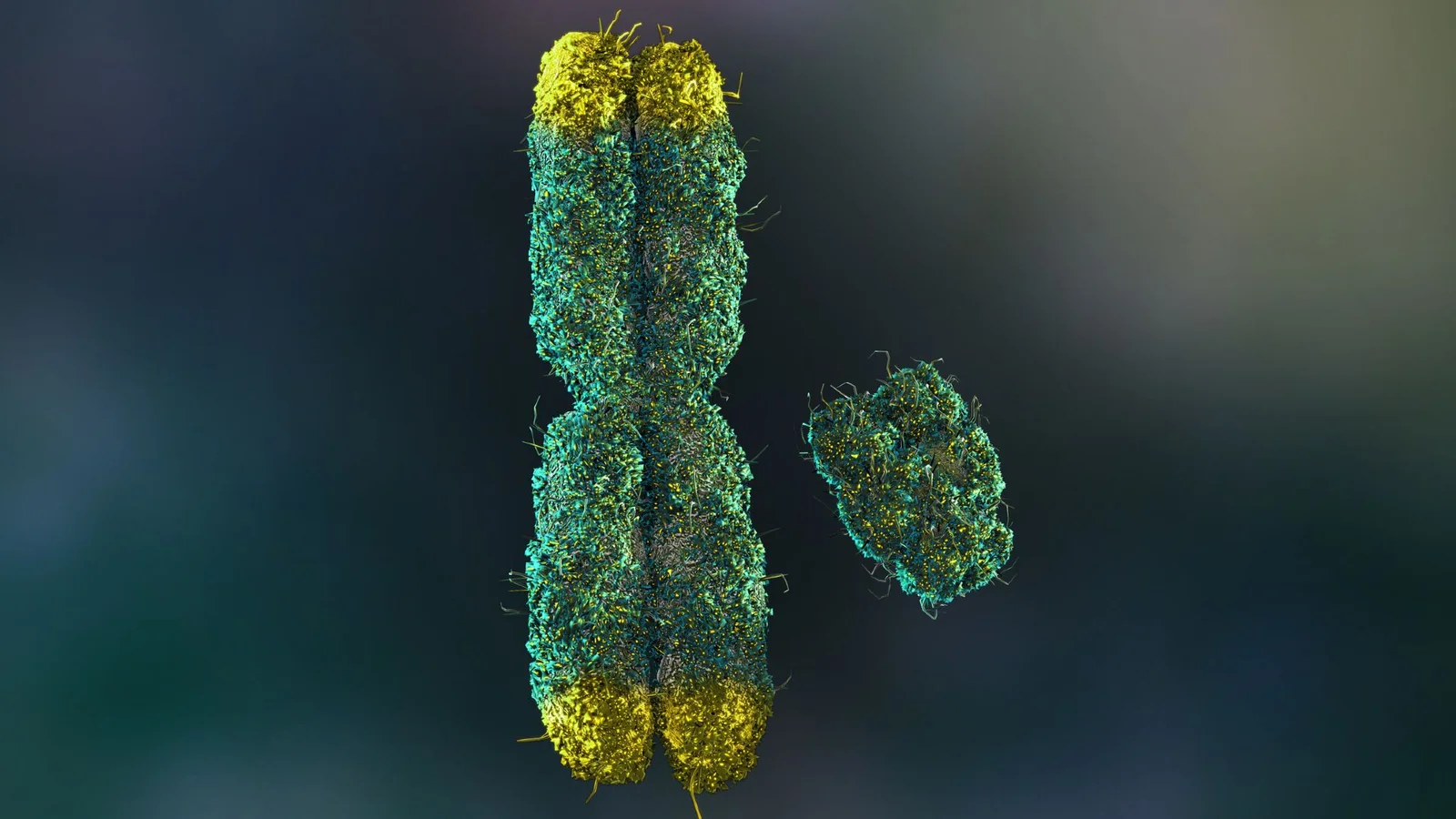
Aging Men Lose Y Chromosome, Linked to Health Risks

New research shows that the Y chromosome is frequently lost in aging men’s cells, with about 40% of 60-year-olds and 57% of 90-year-olds showing Y loss. This mosaic loss is linked to higher risks of cardiovascular disease, neurodegenerative conditions, and cancer, prompting speculation that Y loss could contribute to shorter lifespans. However, causality is not established, and scientists are still unraveling the mechanisms and whether the Y loss is a cause or a consequence of disease.

Hypermobile EDS Linked to Multi-System Genetic Changes, AI Study Finds
science11 days ago

Hypermobile EDS Linked to Multi-System Genetic Changes, AI Study Finds

A study of 116 people from 43 families using whole-exome sequencing and AI analysis found that hypermobile EDS likely arises from multiple genetic changes across collagen-related genes, immune system genes (notably HLA), and mitochondrial energy genes, indicating a broader genetic architecture beyond collagen alone. Immune-gene enrichment was seen in about 75% of patients, and energy/metabolism links to skeletal fragility were suggested; replication in independent populations is needed.

Genetic Variant Linked to Rare Clotting After Some COVID Vaccines
science11 days ago

Genetic Variant Linked to Rare Clotting After Some COVID Vaccines

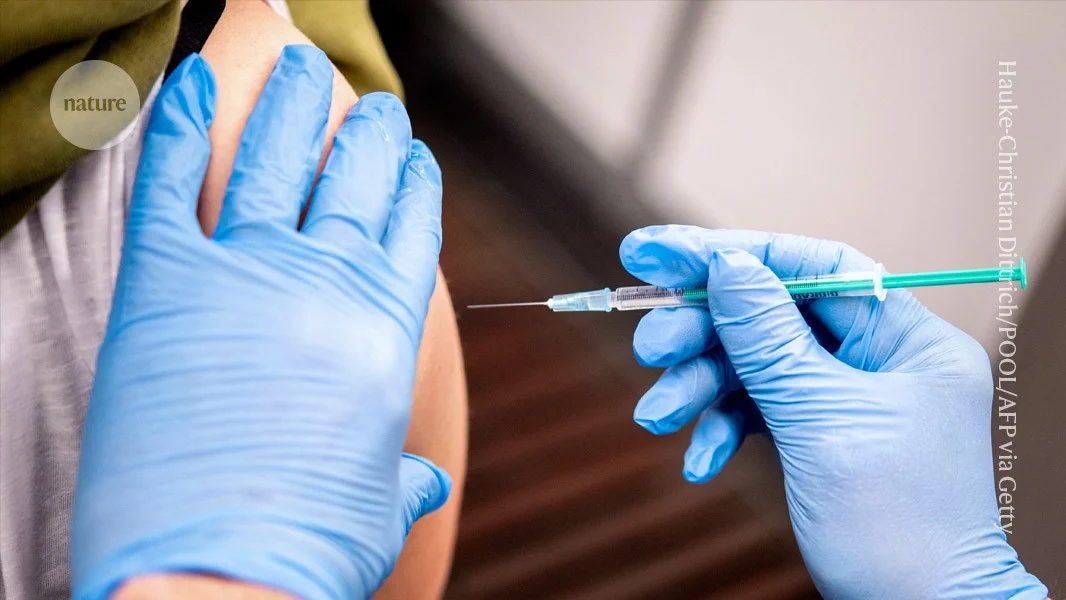
A Nature study traces vaccine-induced immune thrombocytopenia and thrombosis (VITT) to a genetic mutation in antibody-producing cells that alters antibodies to bind PF4 after exposure to an adenovirus used in some COVID vaccines (AstraZeneca/J&J). This explains why rare clotting occurred in a subset of recipients and suggests a genetic predisposition, though not all carriers develop VITT; the researchers analyzed samples from 21 affected individuals and showed the mutated antibodies drive more clots in animal tests.

When External Deaths Decline, Genes Take a Bigger Share of Lifespan
science17 days ago

When External Deaths Decline, Genes Take a Bigger Share of Lifespan

A twin-based study shows that removing deaths from accidents and infections raises the estimated genetic contribution to lifespan from about 20–25% to roughly 50–55%. This higher heritability reflects context and population, not stronger genes: as external threats decline, environmental and lifestyle factors still shape outcomes, and half of lifespan variation remains due to environment. The finding emphasizes that genes and environment interact, and aging genetics requires considering different contexts.

NASA Twin Study: Space Alters Gene Activity and Telomeres, Most Changes Rebound
science19 days ago

NASA Twin Study: Space Alters Gene Activity and Telomeres, Most Changes Rebound

NASA's twin study compared Scott Kelly in orbit with his Earthbound brother Mark to isolate space effects; researchers found rapid gene-expression shifts and heightened immune activity in Scott, with telomere elongation in space that shortened after return; radiation caused more DNA damage and repair signals in Scott than Mark; by six to eight months post-mission, most gene-expression changes had reverted, indicating reversibility but signaling potential long-term risks for future long-duration missions such as cardiovascular strain, vision problems, and cancer risk.

Southern Greek 'genetic island' preserves Bronze Age paternal roots
archaeology20 days ago

Southern Greek 'genetic island' preserves Bronze Age paternal roots

A genetic study of the Deep Maniots, a small, isolated community in southern Greece, finds an unusually strong paternal lineage dating back to a Caucasus origin about 28,000 years ago and little evidence of Migration Period Germanic/Slavic input. Maternal lineages are more diverse, with several Bronze/Iron Age connections; both paternal and maternal lineages show founder effects around AD 380–670 and 540–866, respectively, highlighting long-term isolation and a patriarchal clan structure that preserved ancient Greek ancestry in the Deep Mani region.

Global Study Reframes Type 2 Diabetes as Tissue-Driven and Population-Specific
science21 days ago

Global Study Reframes Type 2 Diabetes as Tissue-Driven and Population-Specific

A large international genetic study analyzing data from over 2.5 million people across seven tissues finds that many Type 2 diabetes drivers act outside the bloodstream. Only about 18% of causal genes in key diabetes tissues are detectable in blood, while 85% of signals in diabetes-relevant tissues are missed by blood-based analyses. The study links 676 genes to causal effects, including 335 genes and 46 proteins that influence risk, with some associations consistent across ancestry groups and others emerging only in historically underrepresented populations. Published in Nature Metabolism, the work underscores the importance of tissue context and population diversity for improving prevention and treatment strategies.

Genes Hold a Stronger Grip on Lifespan Than Previously Thought
science22 days ago

Genes Hold a Stronger Grip on Lifespan Than Previously Thought

A large twin-based analysis from the Weizmann Institute estimates that about 55% of the variation in human lifespan is genetic—far higher than prior 6–25% figures—after separating intrinsic aging from extrinsic death causes and studying twins and siblings raised apart. The finding, published in Science (2026), suggests genetics has a major role in aging and will spur ongoing searches for longevity genes using modern datasets.

Genetic iron-overload finally explains decades of fatigue in Celtic-rooted woman
health22 days ago

Genetic iron-overload finally explains decades of fatigue in Celtic-rooted woman

Anne Campbell, who endured fatigue and pain since childhood, learns at age 83 that hereditary haemochromatosis—a genetic iron-overload disease linked to her Hebridean ancestry—caused her health problems; a Nature study shows higher risk among Western Isles and north-west Ireland populations, fueling calls for community-wide screening, with treatment simply involving regular blood removal to prevent organ damage.

Maternal Genetics Linked to Embryo Chromosome Loss Risk
science24 days ago

Maternal Genetics Linked to Embryo Chromosome Loss Risk

A Nature study analyzing 139,416 IVF embryos from 22,850 parental sets links maternal genetic variants to increased risk of embryonic chromosomal abnormalities (aneuploidy) that cause miscarriage; strongest ties involve meiotic genes such as SMC1B and others (C14orf39, CCNB1IP1, RNF212). While larger sample sizes clarify how inherited differences in meiosis influence risk, predicting individual outcomes remains difficult due to multiple factors beyond genetics. The work may inform reproductive genetics and drug development.