
health-and-medicine8.94 min read
Two Days of Oats Trim LDL Cholesterol by 10% and Rewire Gut Bacteria
3 hours ago•Source: ScienceDaily

The latest health and medicine stories, summarized by AI
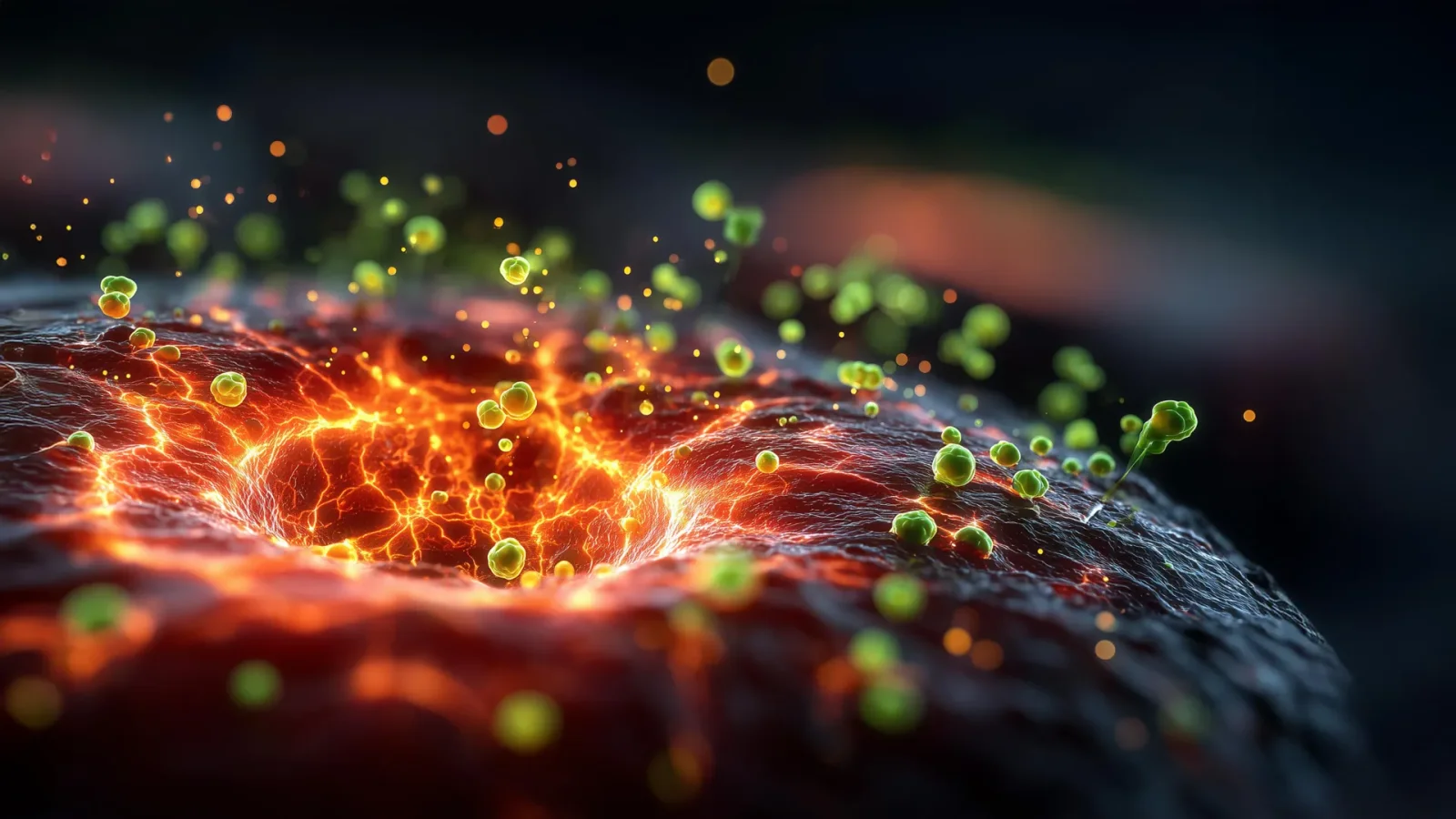
Researchers at the University of Waterloo are engineering Clostridium sporogenes bacteria to invade oxygen-poor tumor cores and consume nutrients from inside, potentially destroying tumors. They added an oxygen-tolerance gene and use quorum sensing to activate it only after enough bacteria accumulate, limiting safety risks. Next steps combine both features in a single strain and test in preclinical trials, showcasing interdisciplinary synthetic-biology cancer research.
ScienceDaily•3 days ago
ScienceDaily•4 days ago
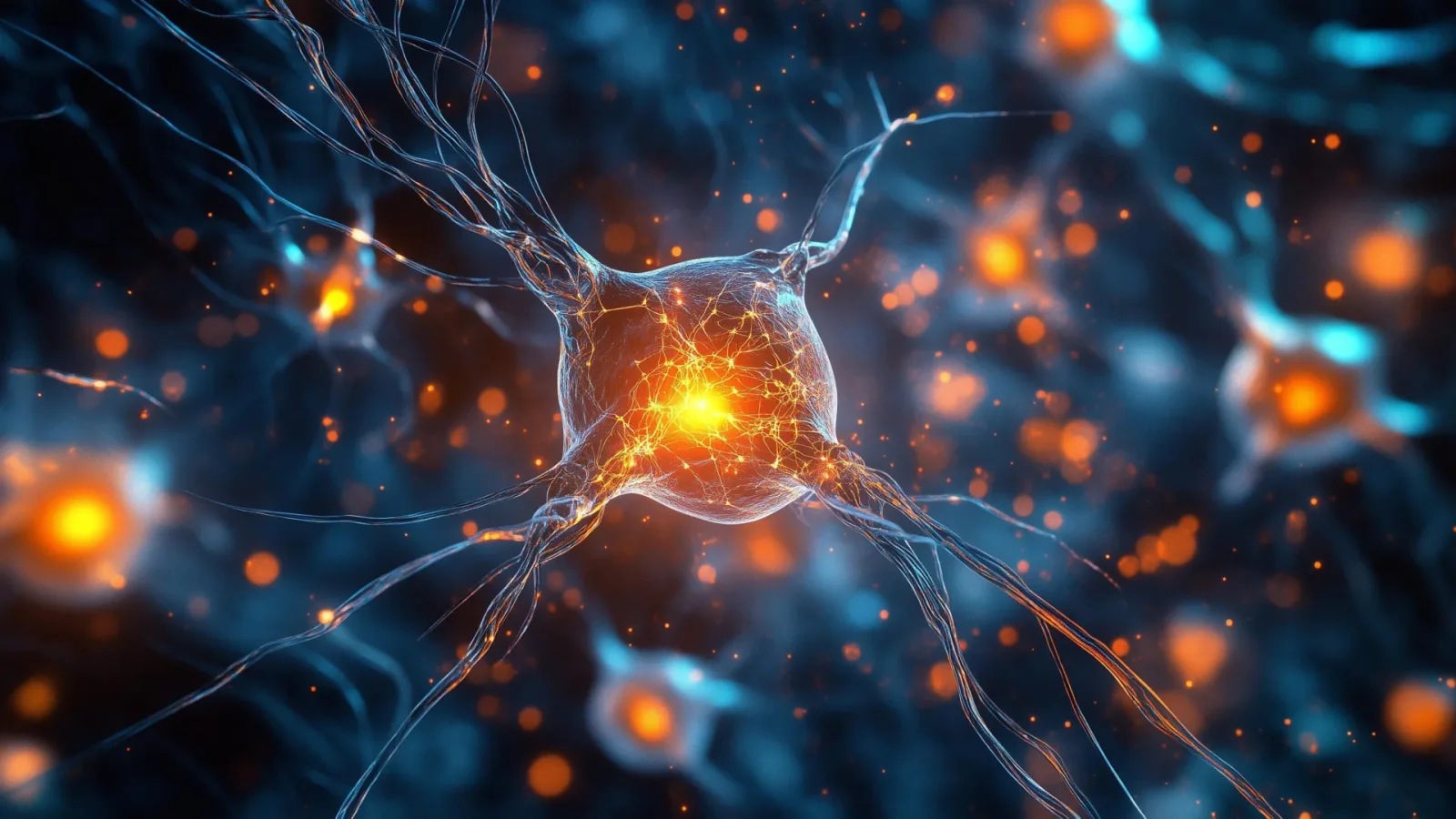
Researchers are testing implanted induced pluripotent stem cells engineered to become dopamine-producing neurons in the brains of Parkinson’s patients in a Phase 1 trial. Delivered via MRI-guided surgery into the basal ganglia, the goal is to restore dopamine production, improve motor function, and slow disease progression. The 12-person study (RNDP-001) is monitored for 12–15 months with long-term follow-up planned for up to five years to assess safety (e.g., dyskinesia, infection) and efficacy, and it has FDA fast-track designation.
A European study tested 81 headphones and found BPA in 98% of samples and its substitute BPS in more than three-quarters, with these chemicals migrating into wearers through skin contact—especially with in-ear models—raising concerns about long‑term risks like endocrine disruption, feminization, early puberty, cancer and organ damage. Regulators and manufacturers are urged to demand safer materials and transparency, with TOX-Free LIFE for All pushing bans; Bose and Panasonic were contacted for comment.
A nationwide analysis of 27.8 million Americans aged 65+ shows long-term PM2.5 exposure is associated with higher Alzheimer's risk, mainly through direct brain effects rather than via hypertension, stroke or depression; greater risk among those with prior stroke and in disadvantaged communities with higher pollution exposure underscores environmental justice concerns and a push for stricter air-quality standards. The study relies on ZIP-code level outdoor exposure estimates and notes that indoor/work exposure was not included, indicating a need for mechanistic follow-up research.
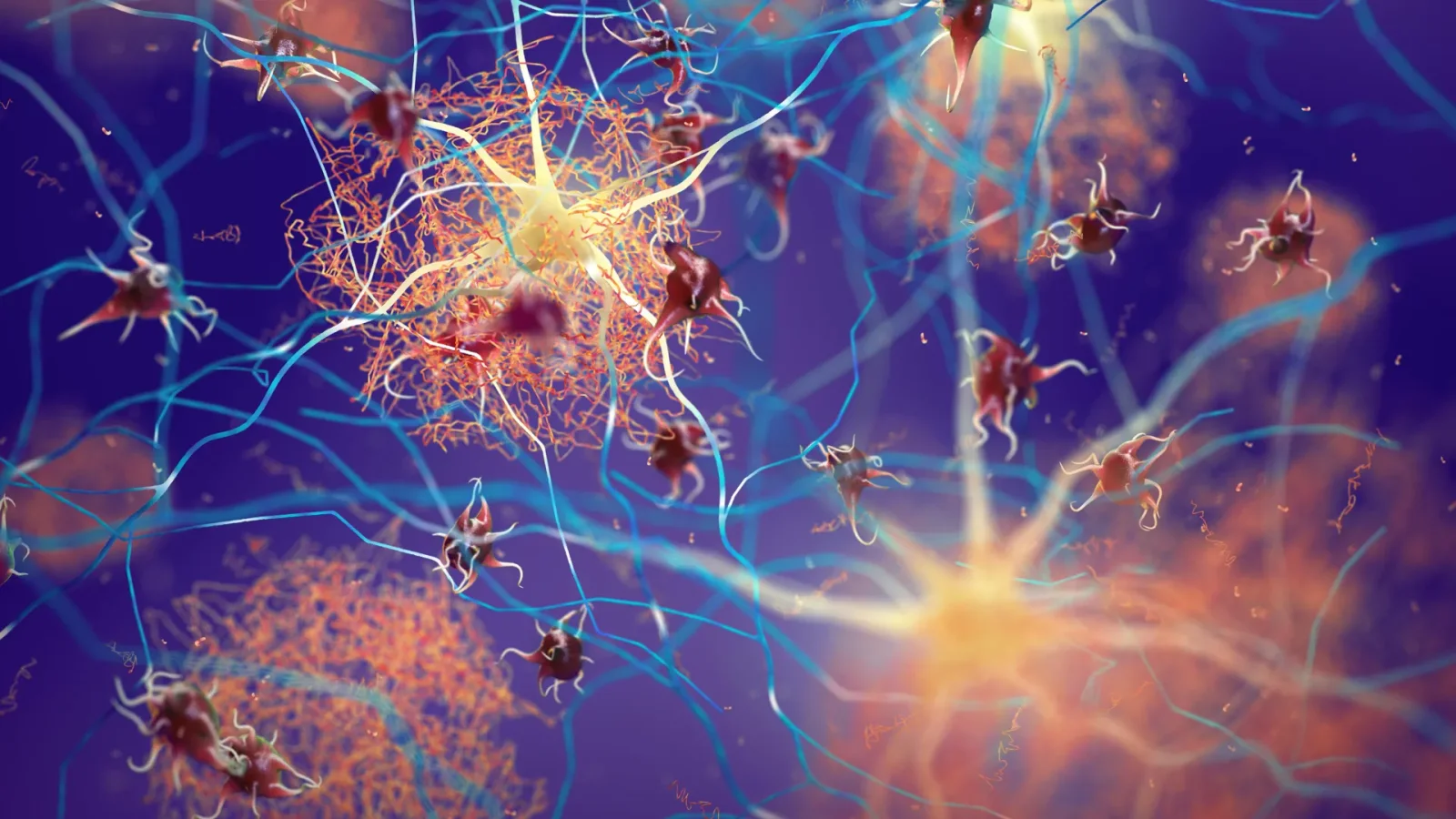
Researchers identified two brain receptors (SST1 and SST4) that regulate neprilysin, the enzyme that degrades amyloid beta. Activating both receptors in mice raised neprilysin levels, reduced amyloid buildup, and improved memory-related behavior, suggesting a potential for safe, affordable oral Alzheimer’s treatments that enhance the brain’s own plaque-cleaning system; however, findings are preclinical and require human studies.

A 7.5-week Northwestern Medicine study found that adults at risk for cardiometabolic disease who stopped eating three hours before bed and extended their overnight fast by about two hours saw lower nighttime blood pressure and heart rate, and better daytime glucose control, without cutting calories; aligning eating windows with sleep rhythms may boost cardiovascular health, with strong adherence and plans for larger trials.
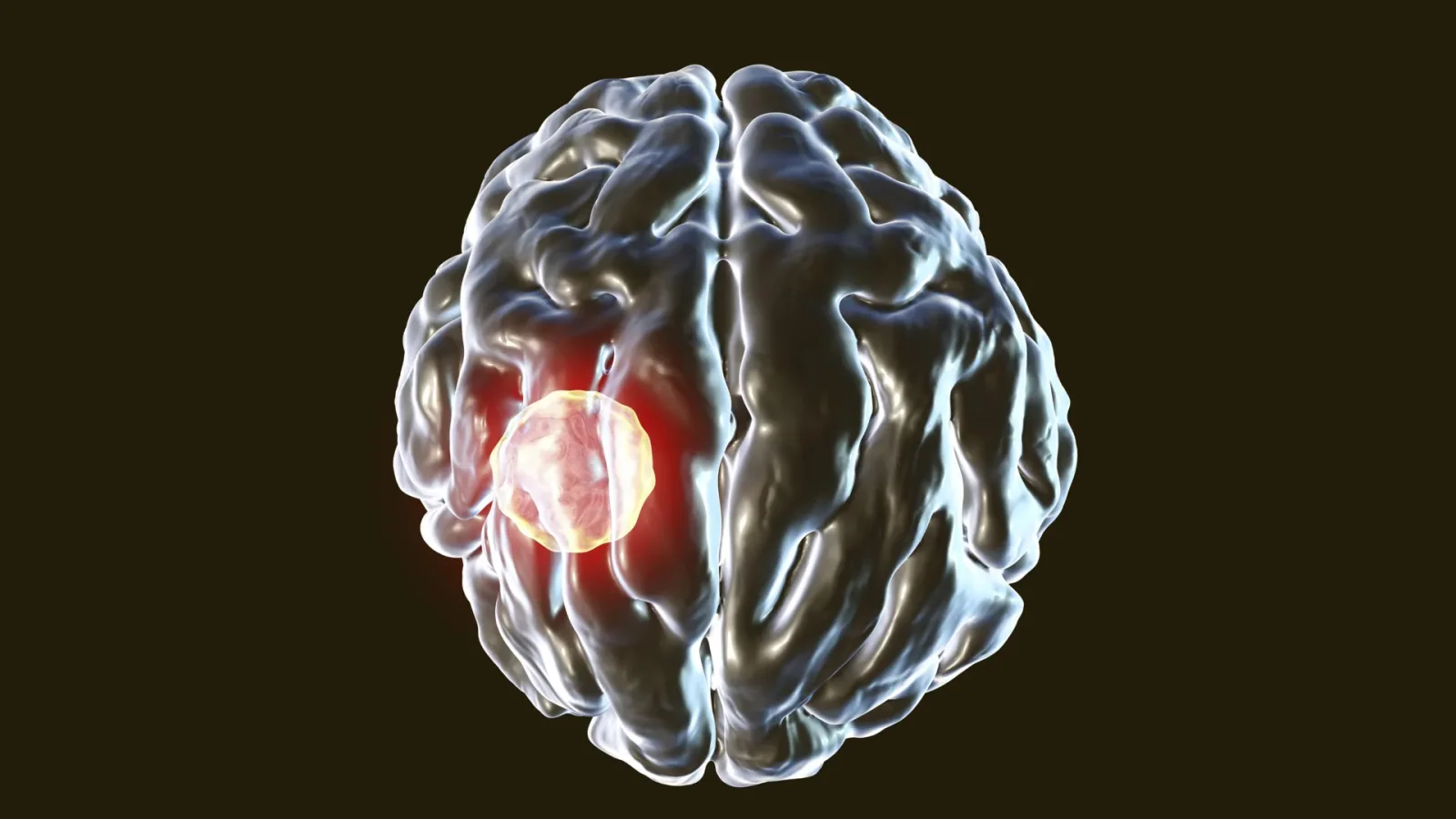
Researchers at UVA Health found that the brain parasite Toxoplasma gondii can infect CD8+ T cells, but these immune cells use the enzyme caspase-8 to trigger a self-destruct mechanism that kills the infected cell and the parasite inside. In mice lacking caspase-8 in their T cells, brain parasite levels were higher and outcomes worse, indicating caspase-8 is crucial for limiting brain infection. With about a third of people believed to carry T. gondii, most cases are asymptomatic, though toxoplasmosis remains a risk for the immunocompromised. The study, published in Science Advances, enhances understanding of how the immune system controls the parasite and why T cells’ self-destruction can prevent brain persistence.

A rat study from the University of Technology Sydney links inflammation in the striatum, driven by astrocytes, to more deliberate, goal-directed compulsive actions—challenging the view that compulsions are automatic habits and pointing to anti-inflammatory treatments as potential therapies.
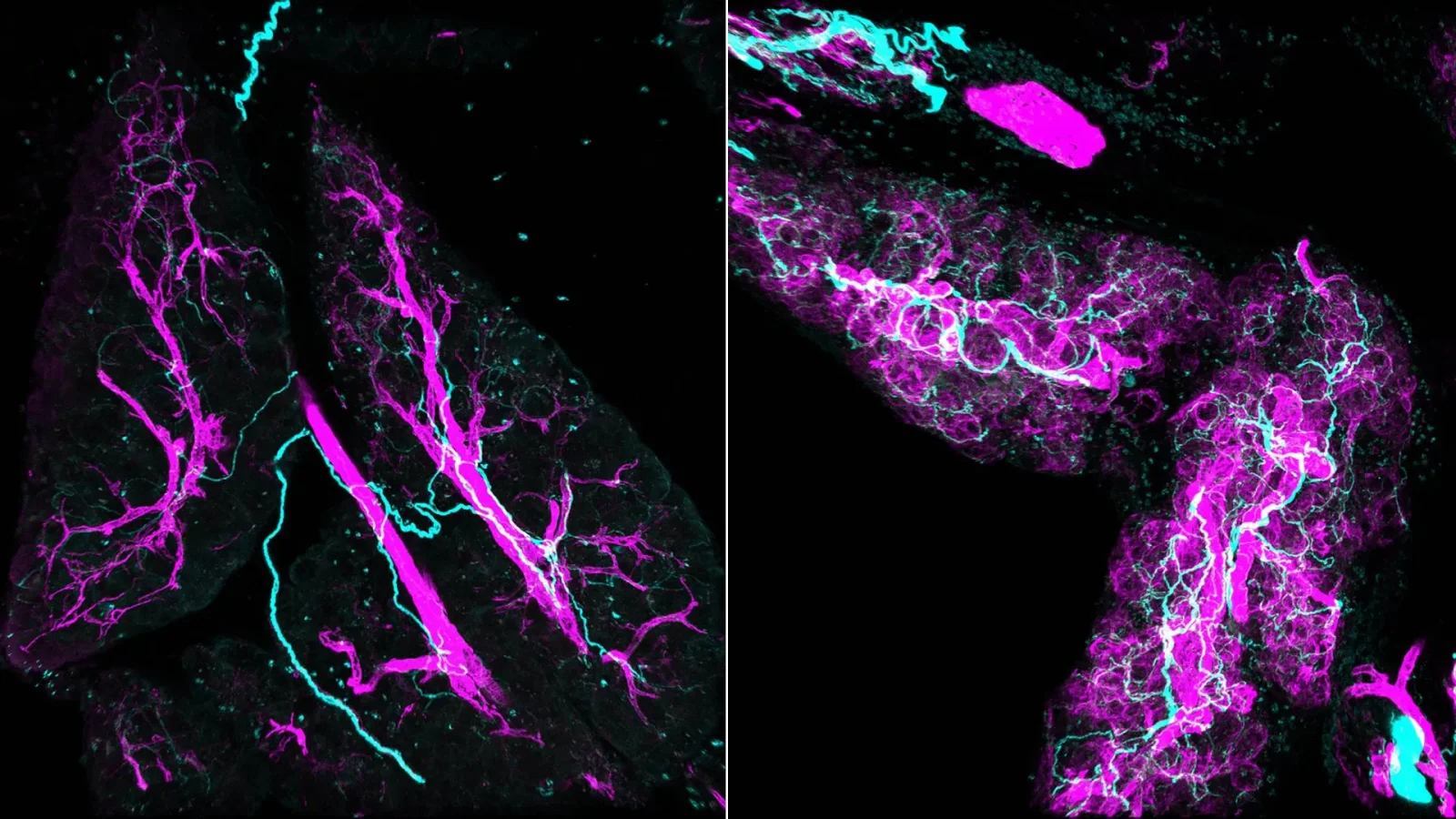
Researchers at Cold Spring Harbor Laboratory uncovered a self-sustaining loop in early pancreatic cancer: myCAFs (fibroblasts) lure sympathetic nerves, whose norepinephrine signals activate the fibroblasts and recruit more nerves, accelerating tumor development. Blocking nerve activity slowed growth by about 50% in mice/human cell experiments, pointing to therapies that disrupt the nerve–fibroblast crosstalk alongside existing cancer treatments.
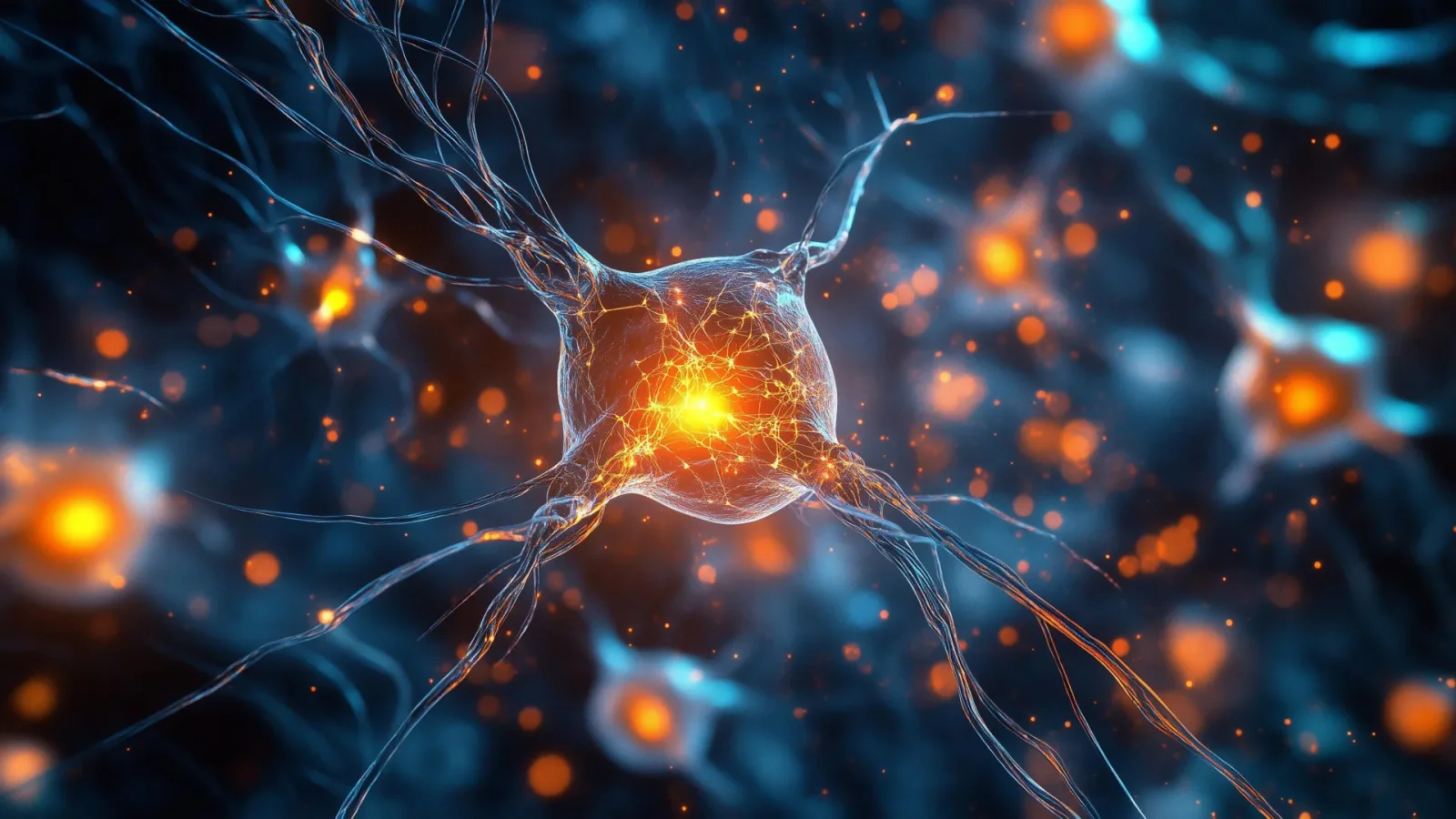
A new AI-based system called SIGNET maps causal gene regulatory networks across six brain cell types in Alzheimer's brains, revealing extensive gene rewiring—especially in excitatory neurons—and identifying hub genes that could serve as early diagnostic markers or therapeutic targets.

Scientists are launching a worldwide exposome initiative to map the lifelong environmental and chemical exposures that drive most diseases. Backed by governments, UNESCO, and international science bodies, the effort uses AI, sensors, metabolomics, and big data to move medicine from genetics toward real-world factors, building regional networks and policy partnerships with upcoming summits to translate findings into public health gains.