Tag

Cell Death

All articles tagged with #cell death

science1 year ago

The Vital Role of Cell Death in Sustaining Life

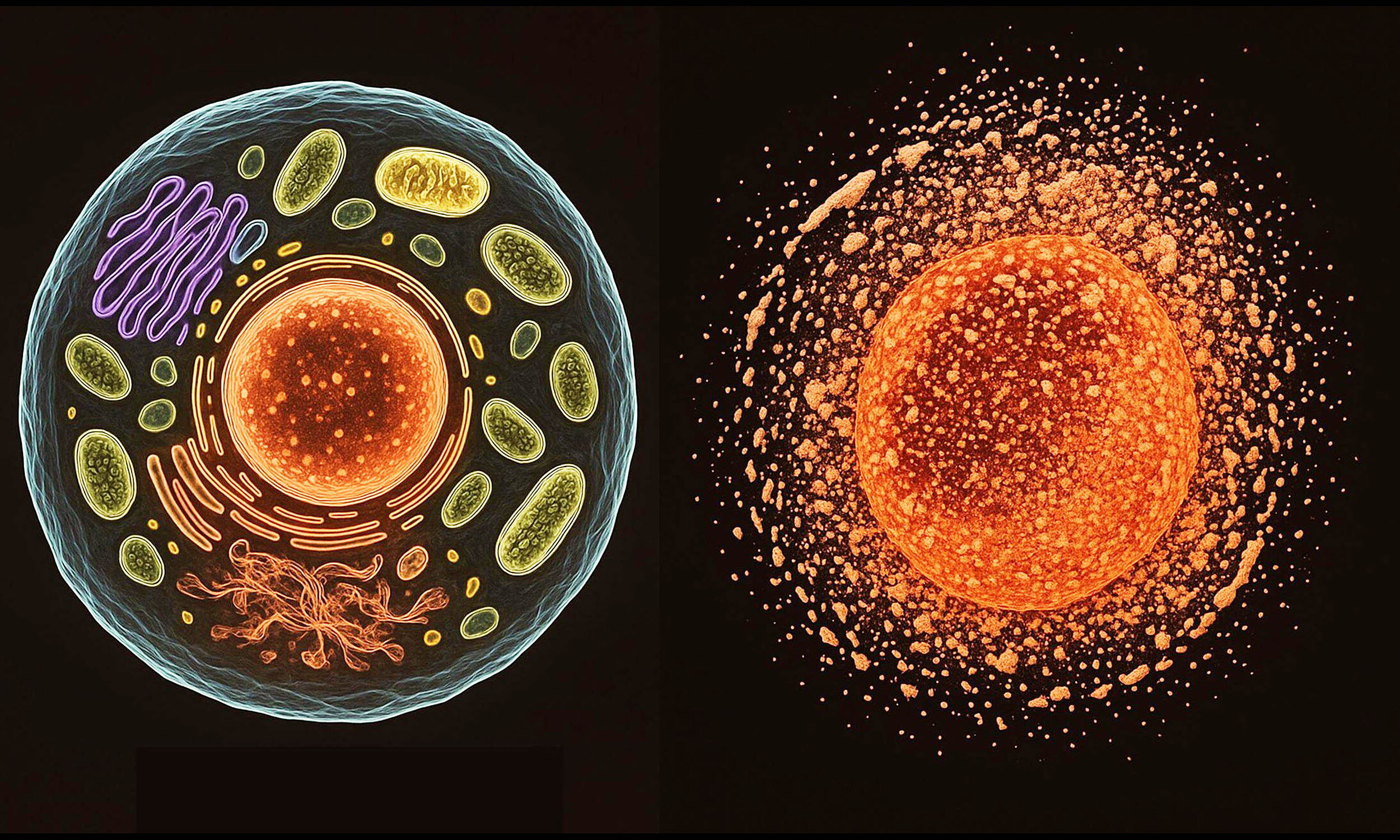
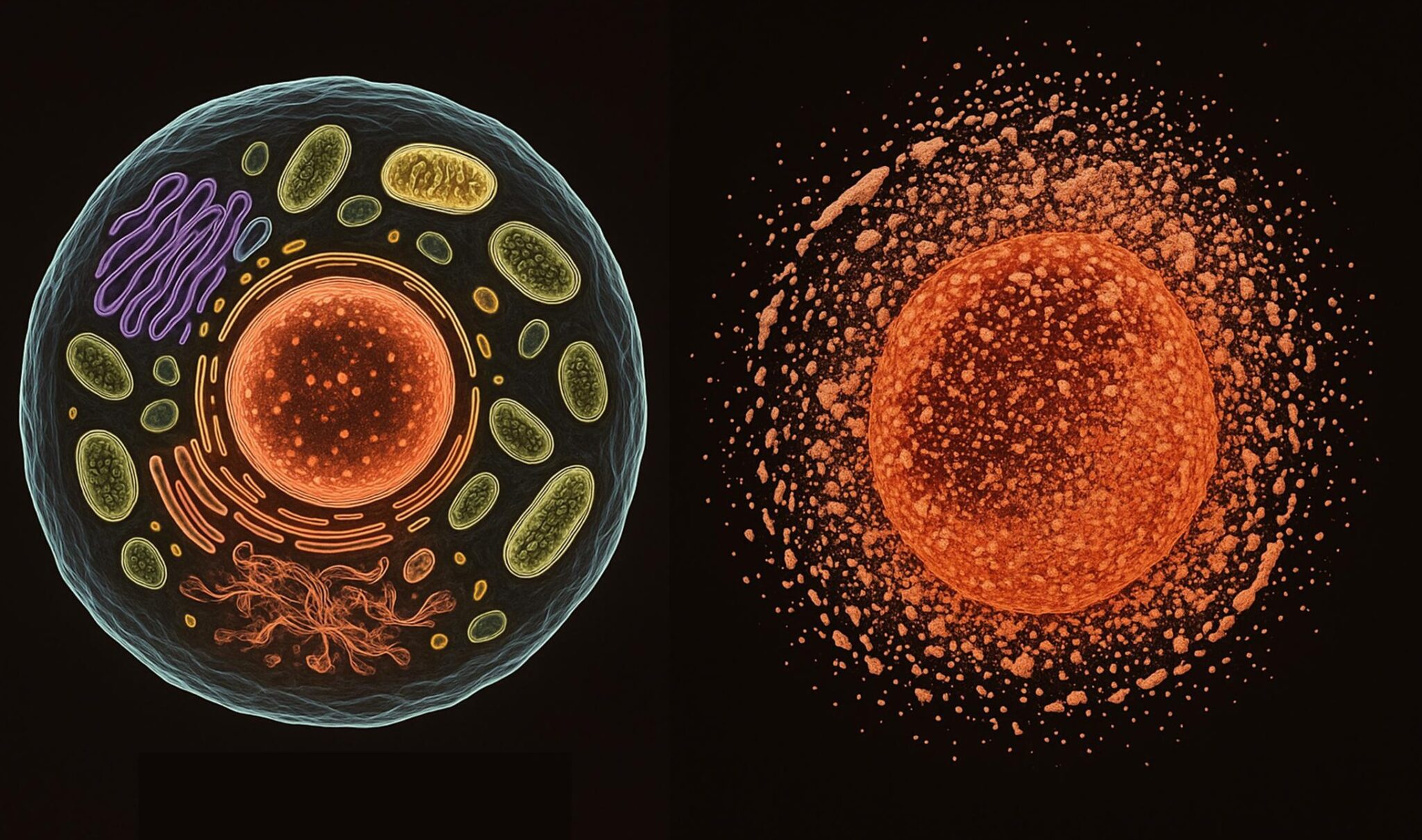
Cell death, often seen as a loss, is crucial for life, playing significant roles in development, disease prevention, and evolution. Cellular biologist Shai Shaham discusses with Steven Strogatz the various forms of cell death, such as apoptosis and necrosis, and their importance in biological systems. Understanding these processes can aid in medical advancements, particularly in treating diseases where cell death is either excessive, like in neurodegenerative diseases, or insufficient, as in cancer.

neuroscience1 year ago

"Prolonged Death Process of Aging Brain Cells"

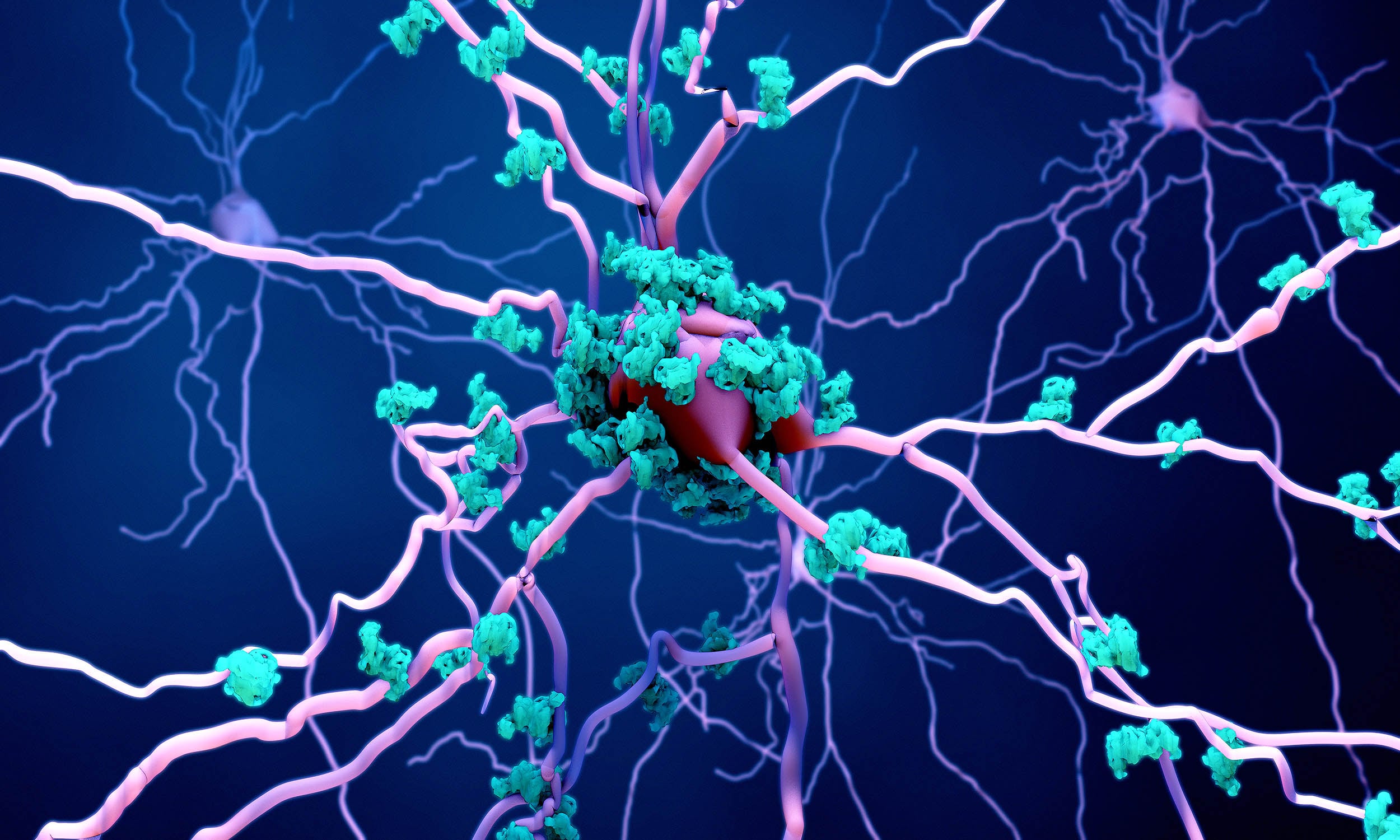
A study reveals that mature oligodendrocytes, crucial for brain function and myelin production, have an extended death process, surviving up to 45 days post-trauma, compared to the rapid demise of younger cells within 24 hours. This discovery suggests potential age-specific treatment strategies for aging-related damage and neurodegenerative diseases like multiple sclerosis, challenging the current one-size-fits-all approach. Understanding the prolonged cell death process in mature oligodendrocytes could lead to better management of conditions involving myelin damage.

science1 year ago

"Lipid Control of Ferroptosis: Unveiling Cell Death Secrets"

Researchers at Columbia University have identified a rare lipid, diPUFA phospholipid, as a crucial factor in promoting ferroptosis, a unique form of cell death. This discovery has significant implications for treating neurodegenerative diseases and cancer, as it opens new avenues for either preventing or inducing cell death. The interdisciplinary research involved the Department of Biological Sciences, Department of Chemistry, and the Columbia University Irving Medical Center, and the findings deepen our understanding of ferroptosis and its potential for controlling cell death.

scientific-research1 year ago

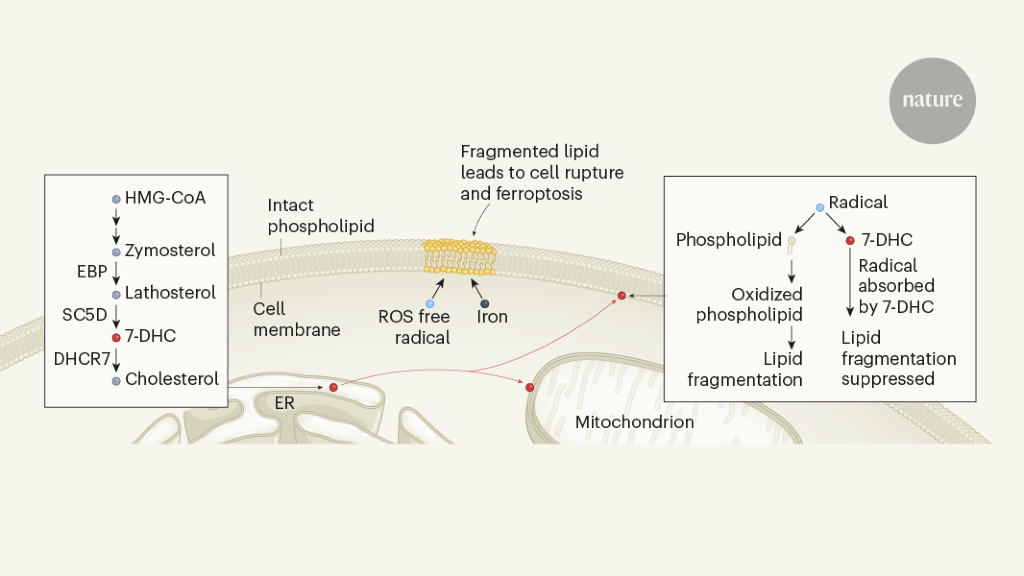
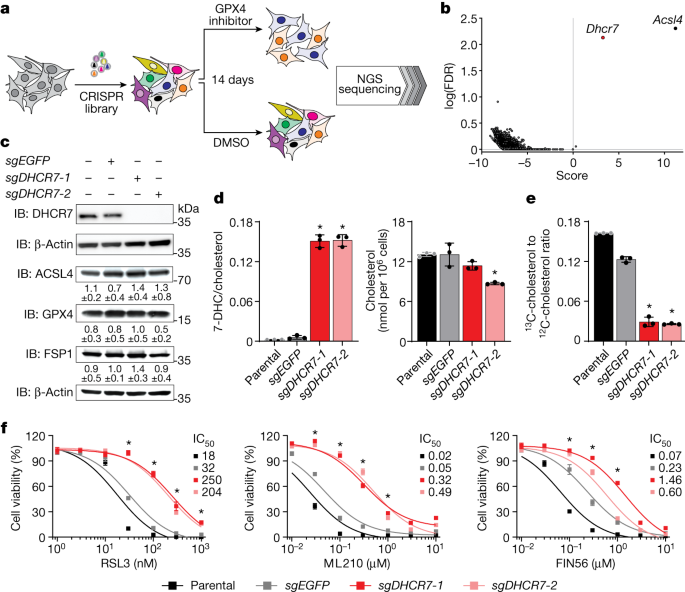
"Cholesterol Precursor 7-Dehydrocholesterol Suppresses Ferroptosis in Cells"

A study has identified 7-dehydrocholesterol as a natural inhibitor of ferroptosis, a form of cell death driven by lipid peroxidation. The research sheds light on the role of 7-dehydrocholesterol-derived oxysterols in regulating ferroptosis sensitivity and provides insights into the mechanisms of this type of cell death. The data and materials supporting the findings are available in the main text, figures, and extended data figures, as well as in a repository for (epi)lipidomics experiments.

health2 years ago

Lidocaine's Cancer Cell Self-Destruction Unveiled in Study

A study conducted by the University of Pennsylvania has found that injecting the local anesthetic lidocaine near the site of head and throat tumors can activate bitter taste receptors (T2Rs) in cancer cells, leading to cellular death. Lidocaine was already suspected to be beneficial to cancer patients, but this study provides a better understanding of how it works. The findings could potentially improve treatment options for head and neck cancer patients and pave the way for clinical trials combining lidocaine with standard cancer therapies.

health2 years ago

Anesthetic Lidocaine Activates Bitter Taste Receptor to Kill Cancer Cells

Lidocaine, a commonly used local anesthetic, has been found to have anticancer properties by activating the T2R14 taste receptor, which is highly expressed in various cancer cells. Researchers at the University of Pennsylvania discovered that lidocaine triggers a cascade of cellular signals that lead to controlled cell death. This finding offers hope for improving treatment options for head and neck cancer, which has a high mortality rate. Lidocaine could potentially be injected near accessible oral tumors and may also benefit patients with other forms of cancer. The study opens the possibility of repurposing other drugs that activate the T2R14 receptor for cancer treatment. Clinical trials are hoped to be conducted to explore the addition of lidocaine to standard care therapy for head and neck cancer patients.

health2 years ago

Revolutionary Cancer Treatment: Scientists Discover Potential 'Switch' to Eliminate Cancer

Scientists at UC Davis in California have identified a "switch" that can activate the death of cancer cells, potentially revolutionizing cancer treatment. The discovery allows for targeted killing of cancer cells without harming healthy cells. The research has been successful in labs but has not yet been tested on animals or humans. The treatment has shown effectiveness in liquid cancers but not solid tumors. The major drawback is the estimated cost of $500,000.

health2 years ago

"Scientists Uncover Life-Saving 'Switch' to Combat Leukemia and Cancer"

Researchers from the UC Davis Comprehensive Cancer Center have identified an epitope on the CD95 cell receptor, known as Fas, that can trigger the death of cancer cells. This discovery could lead to the development of new therapeutics to effectively target and kill cancer cells. By developing antibodies that selectively bind to and activate Fas in solid tumors, researchers hope to spark cell death and potentially enhance the efficacy of current cancer treatments. Additionally, the identification of this epitope could serve as a biomarker for the effectiveness of CAR T-cell immune therapy.