Tag

Glp 1 Receptor Agonists

All articles tagged with #glp 1 receptor agonists

Bariatric Surgery Outperforms GLP-1 Medications for Long-Term Diabetes and Obesity Outcomes

Originally Published 3 months ago — by Nature

Featured image for Bariatric Surgery Outperforms GLP-1 Medications for Long-Term Diabetes and Obesity Outcomes
Source: Nature

This study compares the macrovascular and microvascular outcomes of metabolic surgery versus GLP-1 receptor agonists in patients with diabetes and obesity, highlighting the potential benefits and data sharing protocols, with references to related research and long-term outcomes.

Emerging Role of GLP-1 Receptor Agonists in Bipolar Disorder Treatment

Originally Published 4 months ago — by Nature

Featured image for Emerging Role of GLP-1 Receptor Agonists in Bipolar Disorder Treatment
Source: Nature

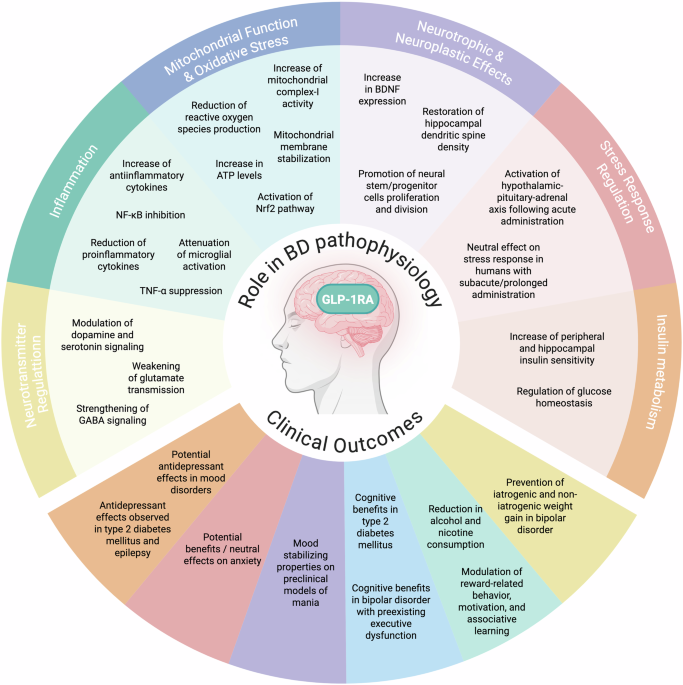
This review explores the potential of glucagon-like peptide-1 (GLP-1) receptor agonists as emerging treatments for bipolar disorder, summarizing preclinical and clinical evidence supporting their therapeutic role in mood regulation, neuroprotection, and metabolic health.

MHRA Probes Cancer and Pancreatitis Risks of GLP-1 Drugs Like Ozempic

Originally Published 5 months ago — by ScienceAlert

Featured image for MHRA Probes Cancer and Pancreatitis Risks of GLP-1 Drugs Like Ozempic
Source: ScienceAlert

Concerns are rising over potential cancer links, especially thyroid cancer, associated with weight loss drugs like Ozempic and Mounjaro, which are GLP-1 receptor agonists. While these drugs aid weight loss and improve metabolic health, their long-term safety remains uncertain, with limited evidence suggesting possible risks. They are not recommended for individuals with a history of thyroid cancer or certain genetic conditions, and more research is needed to fully understand their safety profile.

Ozempic-like drug shows promise in reducing migraines and aiding weight loss

Originally Published 6 months ago — by Medical Xpress

Featured image for Ozempic-like drug shows promise in reducing migraines and aiding weight loss
Source: Medical Xpress

A pilot study suggests that GLP-1 receptor agonists like liraglutide, similar to Ozempic, may significantly reduce the frequency of chronic migraines, with some patients experiencing up to a 75% reduction, potentially through lowering intracranial pressure, though further research is needed.

Weight Loss Injections May Undermine Breast Cancer Treatment

Originally Published 1 year ago — by Daily Mail

Featured image for Weight Loss Injections May Undermine Breast Cancer Treatment
Source: Daily Mail

Experts warn that weight loss drugs like Ozempic and Wegovy, known as GLP-1 receptor agonists, may reduce the effectiveness of chemotherapy and immunotherapy in treating aggressive breast cancer. A study found that women on these drugs were less likely to be cancer-free after treatment, with only 28% responding fully compared to 63% not on the drugs. Researchers suggest careful consideration of GLP-1 use during cancer therapy, as these drugs may make tumor cells more resistant to standard treatments.

Obesity Drugs: Why 1 in 5 Don't See Results and Potential Risks

Originally Published 1 year ago — by VINNews

Featured image for Obesity Drugs: Why 1 in 5 Don't See Results and Potential Risks
Source: VINNews

Despite the popularity of obesity drugs like Wegovy and Ozempic, not all patients experience significant weight loss, with up to 20% being nonresponders. Factors such as genetics, hormones, and medical conditions can influence the effectiveness of these GLP-1 receptor agonists. Experts emphasize the need for personalized treatment plans and caution against expecting uniform results. Patients like Danielle Griffin, who saw minimal weight loss, may need to explore alternative medications or lifestyle changes to achieve their goals.

Ozempic and Wegovy: Potential Allies in Reducing Alcohol Consumption

Originally Published 1 year ago — by SciTechDaily

Featured image for Ozempic and Wegovy: Potential Allies in Reducing Alcohol Consumption
Source: SciTechDaily

Research from the University of Nottingham suggests that GLP-1 receptor agonists, a class of diabetes medications, may help reduce alcohol consumption, particularly in individuals with obesity. The study, published in eClinicalMedicine, reviewed data from trials involving over 88,000 participants and found that while results vary, some individuals showed significant benefits. The findings indicate potential for these medications to target the brain's reward center, offering a future treatment option for excessive alcohol use.

Bariatric Surgery Outperforms GLP-1 Drugs and Lifestyle Changes in Weight Loss and Mortality Reduction

Originally Published 1 year ago — by SciTechDaily

Featured image for Bariatric Surgery Outperforms GLP-1 Drugs and Lifestyle Changes in Weight Loss and Mortality Reduction
Source: SciTechDaily

A systematic review from 2020 to 2024 reveals that bariatric surgery offers the most sustained and significant weight loss, maintaining about 25% weight loss for up to 10 years, compared to GLP-1 receptor agonists and lifestyle changes. Despite its effectiveness, bariatric surgery remains underutilized in treating severe obesity.

Weight-Loss Drugs Slash Cancer Risk by 20%, Study Finds

Originally Published 1 year ago — by The Guardian

Featured image for Weight-Loss Drugs Slash Cancer Risk by 20%, Study Finds
Source: The Guardian

Research presented at the world's largest cancer conference shows that weight-loss drugs, particularly GLP-1 receptor agonists like Wegovy, can reduce the risk of developing obesity-related cancers by 19% and potentially halve the mortality rate over 15 years. These findings suggest that such drugs could play a significant role in cancer prevention and treatment, although further well-designed trials are needed to confirm their safety and efficacy.

Diabetes Drugs Like Ozempic Linked to Stomach Paralysis Risk

Originally Published 1 year ago — by Hindustan Times

Featured image for Diabetes Drugs Like Ozempic Linked to Stomach Paralysis Risk
Source: Hindustan Times

New studies presented at Digestive Disease Week 2024 have linked popular diabetes and weight loss medications like Ozempic and Wegovy with an increased risk of stomach paralysis (gastroparesis) and other gastrointestinal issues. The research, involving large patient cohorts, found significant increases in the risk of gastroparesis, cholecystitis, and drug-induced pancreatitis among users of GLP-1 receptor agonists. These findings highlight the need for caution and further investigation into the long-term effects of these medications.

Youth Prescriptions for Weight-Loss Drugs Surge 600% Since 2020

Originally Published 1 year ago — by KSL.com

Featured image for Youth Prescriptions for Weight-Loss Drugs Surge 600% Since 2020
Source: KSL.com

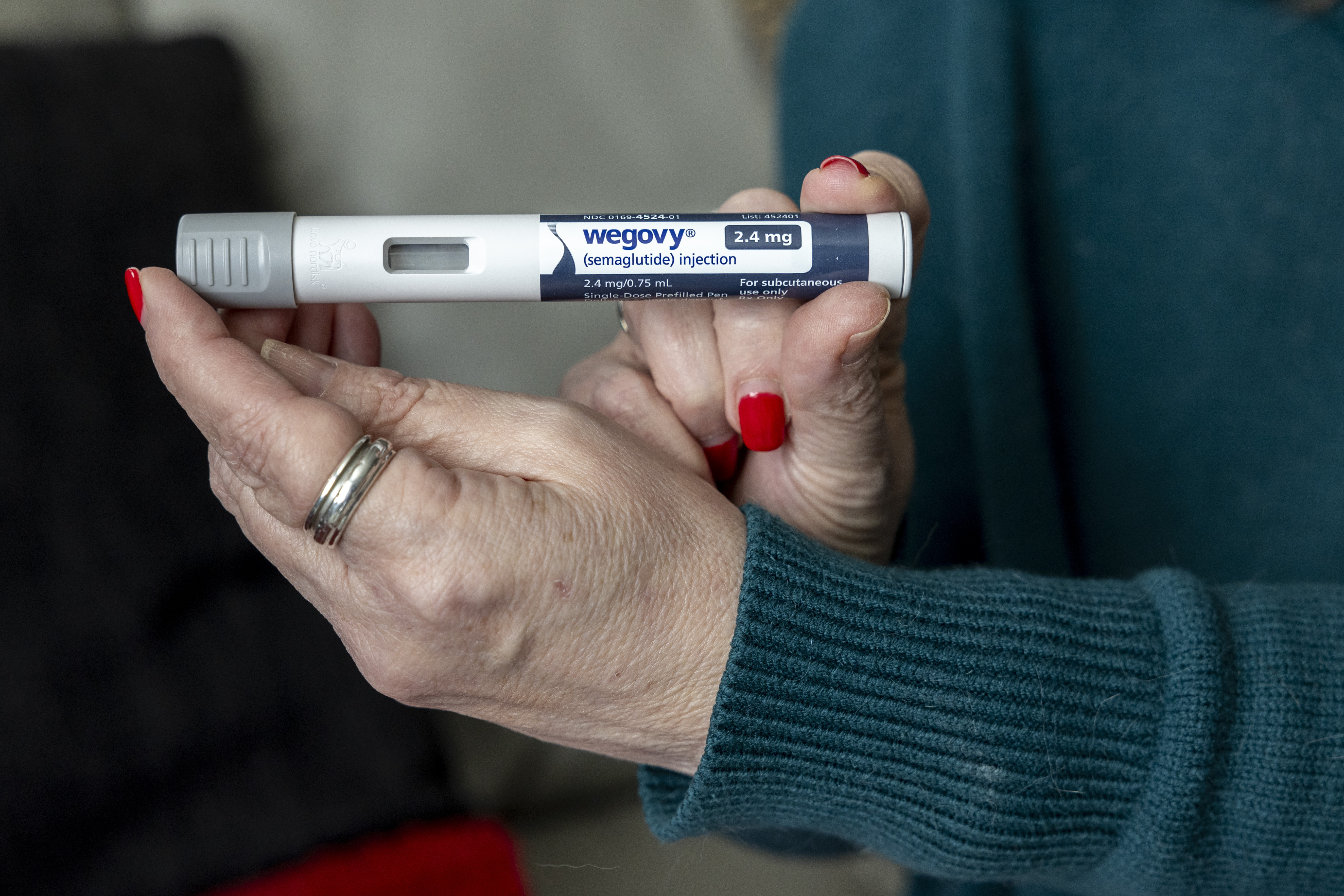
The use of weight-loss drugs like Wegovy has surged nearly 600% among adolescents and young adults aged 12 to 25 from 2020 to 2023, according to new research. These medications, known as GLP-1 receptor agonists, are increasingly prescribed to combat obesity, which affects 20% of U.S. children and adolescents. The rise in prescriptions comes amid recommendations for early and aggressive treatment of obesity in young people, including medication and surgery. Despite their effectiveness, concerns remain about the long-term safety and high costs of these drugs.

"Child Ozempic Use Skyrockets 600% Amid Safety Concerns"

Originally Published 1 year ago — by New York Post

Featured image for "Child Ozempic Use Skyrockets 600% Amid Safety Concerns"
Source: New York Post

The use of weight-loss drugs like Wegovy and Ozempic among adolescents and young adults has surged by nearly 600% from 2020 to 2023, raising questions about their long-term safety and effectiveness. New research shows that these medications are increasingly prescribed to combat obesity, with significant numbers of young people benefiting from the treatment. However, concerns remain about side effects, cost, and insurance coverage.

"Real-world Study Shows Obesity Medications Lower Multiple Sclerosis Risk"

Originally Published 1 year ago — by Multiple Sclerosis News Today

Featured image for "Real-world Study Shows Obesity Medications Lower Multiple Sclerosis Risk"
Source: Multiple Sclerosis News Today

Real-world data from the FDA suggests that obesity medications, particularly those that activate the GLP-1 receptor and lower blood glucose levels, are associated with a reduced risk of developing multiple sclerosis (MS). The study explored the potential of repurposing these medications for MS treatment, as both conditions share inflammatory components. Medications such as semaglutide, dulaglutide, liraglutide, empagliflozin, and metformin were found to significantly lower the likelihood of developing MS, hinting at the possibility of repurposing anti-diabetic drugs with weight loss-inducing effects for potential MS treatment opportunities.

"GLP-1 Diabetes Drug Slows Parkinson's Progression in Promising Trial"

Originally Published 1 year ago — by ScienceAlert

Featured image for "GLP-1 Diabetes Drug Slows Parkinson's Progression in Promising Trial"
Source: ScienceAlert

A diabetes drug, lixisenatide, has shown potential in slowing the progression of motor issues associated with Parkinson's disease in a clinical study. The drug, which belongs to a class of drugs called GLP-1 receptor agonists, demonstrated a modest effect in preventing worsening of movement symptoms in patients with early-stage Parkinson's. However, gastrointestinal side effects were common, and further research is needed to confirm its safety and efficacy before it can be considered for widespread use.

"Teens' Life-saving Weight Loss on Ozempic-like Drugs"

Originally Published 1 year ago — by New York Post

Featured image for "Teens' Life-saving Weight Loss on Ozempic-like Drugs"
Source: New York Post

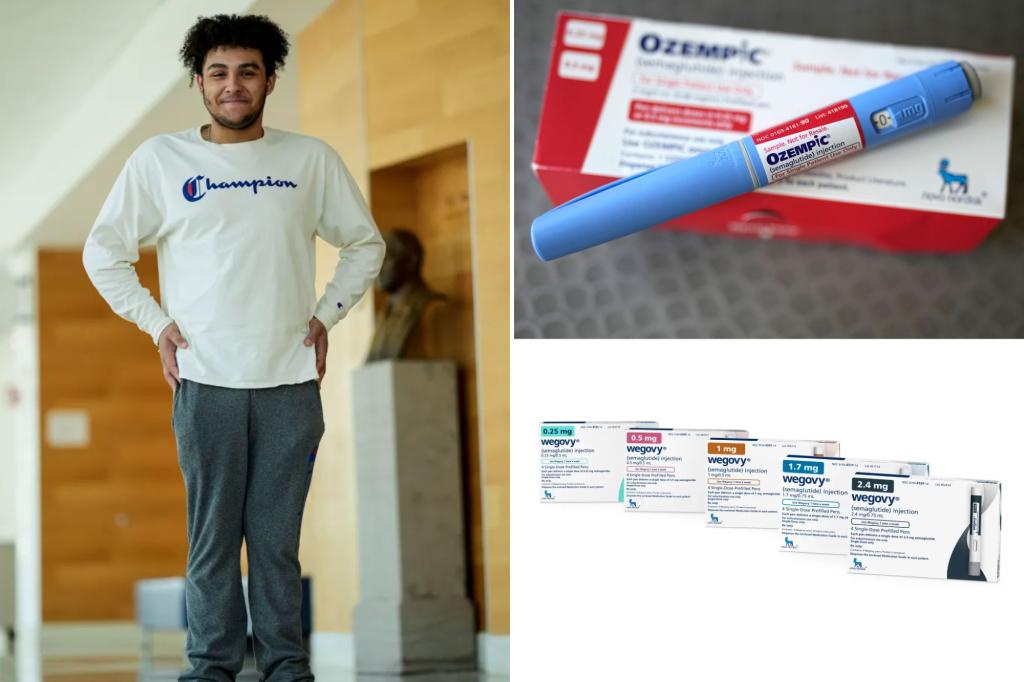
Teens struggling with obesity have found success in weight loss injections like Wegovy and Ozempic, which contain the active ingredient semaglutide. These medications have helped adolescents shed unwanted pounds and improve their overall health, with some experiencing significant weight loss and stabilization of related health conditions. While the injections come with potential side effects, they have been recommended by experts and have shown promising results in reducing weight, high cholesterol, and high blood pressure in obese teens. Some teens attribute their weight loss not only to the medication but also to lifestyle changes, emphasizing the importance of behavior and mindset shifts in achieving successful weight loss.