A neuroscience researcher shares her morning routine to boost dopamine levels and improve mood, including exposure to sunlight, solving puzzles, and texting friends, which can enhance motivation, learning, and overall well-being.
A study from McGill University challenges the traditional view of dopamine's role in Parkinson's disease, suggesting it provides the basic conditions for movement rather than directly controlling movement speed or force, which could lead to simpler and more targeted treatments.
A McGill-led study challenges the traditional view that dopamine controls movement speed and force, suggesting instead that it acts as a support system enabling movement. The research shows that restoring baseline dopamine levels, rather than fast dopamine spikes, improves movement, which could lead to simpler and more targeted treatments for movement disorders like Parkinson's disease.
A study in Nature Neuroscience reveals that estrogen enhances learning in female rats by increasing dopamine activity in the brain's reward center, with implications for understanding hormonal influences on cognition and neuropsychiatric disorders.
A study found that consuming a milkshake did not cause a significant dopamine release in the brain's reward region, challenging the idea that ultra-processed foods are highly addictive due to dopamine surges. The research showed individual variability in dopamine response, unrelated to body weight, and suggested that the reward response to such foods may be weaker than that of addictive drugs.
Michael J. Fox, diagnosed with early-onset Parkinson's at 29, reflects on his 34-year battle with the disease, expressing a wish to not wake up one day due to the progressive decline in motor skills and the impact on his life, including injuries and giving up activities like guitar playing.
A study suggests that restless legs syndrome (RLS) is associated with an increased risk of developing Parkinson's disease, but this risk decreases in patients treated with dopamine agonists, indicating a complex relationship possibly involving factors beyond the dopaminergic pathway. The findings highlight the importance of understanding the underlying mechanisms linking RLS and Parkinson's.
A five-year study supported by NSF investigates how dopamine may regulate myelin plasticity in the brain, particularly in response to social isolation, with implications for understanding and treating neuropsychiatric and neurodegenerative conditions.
A clinical trial found that the dopamine-enhancing drug tolcapone improves self-control and reduces alcohol consumption in people with alcohol use disorder by increasing activity in brain regions involved in inhibitory control, suggesting targeted dopamine modulation as a promising treatment approach.
Chinese scientists have successfully transplanted human stem cell-derived dopamine-producing neurons into mice, reducing depressive behaviors and increasing pleasure, offering potential new treatments for neuropsychiatric disorders like major depressive disorder.
Smiling not only improves mood but also boosts dopamine levels and reduces cortisol, the stress hormone, highlighting the mental health benefits of incorporating more smiles into daily life.
The article discusses 'dopamine anchoring,' a psychology technique that involves pairing enjoyable stimuli with challenging tasks to boost motivation by leveraging the brain's dopamine system, which can help improve focus and pleasure in completing tasks, especially for those with conditions like ADHD or depression. It emphasizes using simple, non-addictive rewards consistently to train the brain and enhance natural motivation, while cautioning against over-reliance on external stimuli.
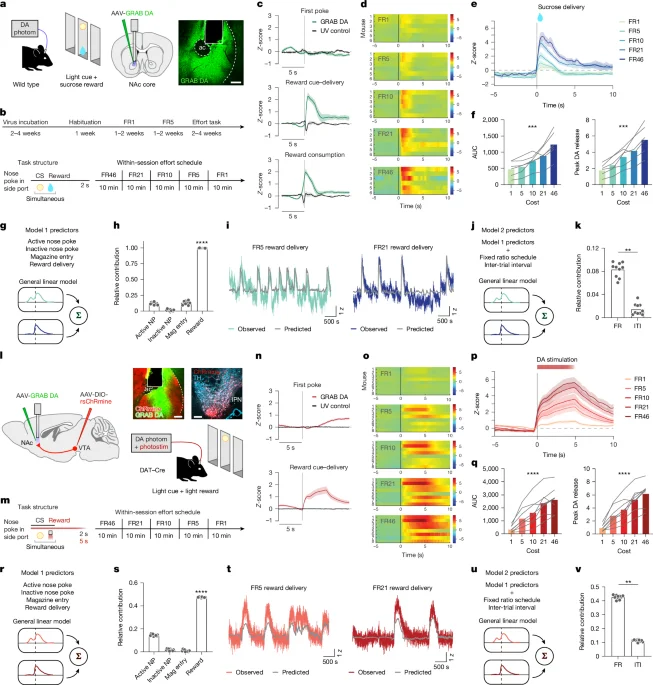
Recent research reveals that dopamine in the brain not only diffuses broadly but also sends rapid, localized signals to nearby neurons, suggesting a more complex role in regulating behaviors and neurological conditions than previously thought.
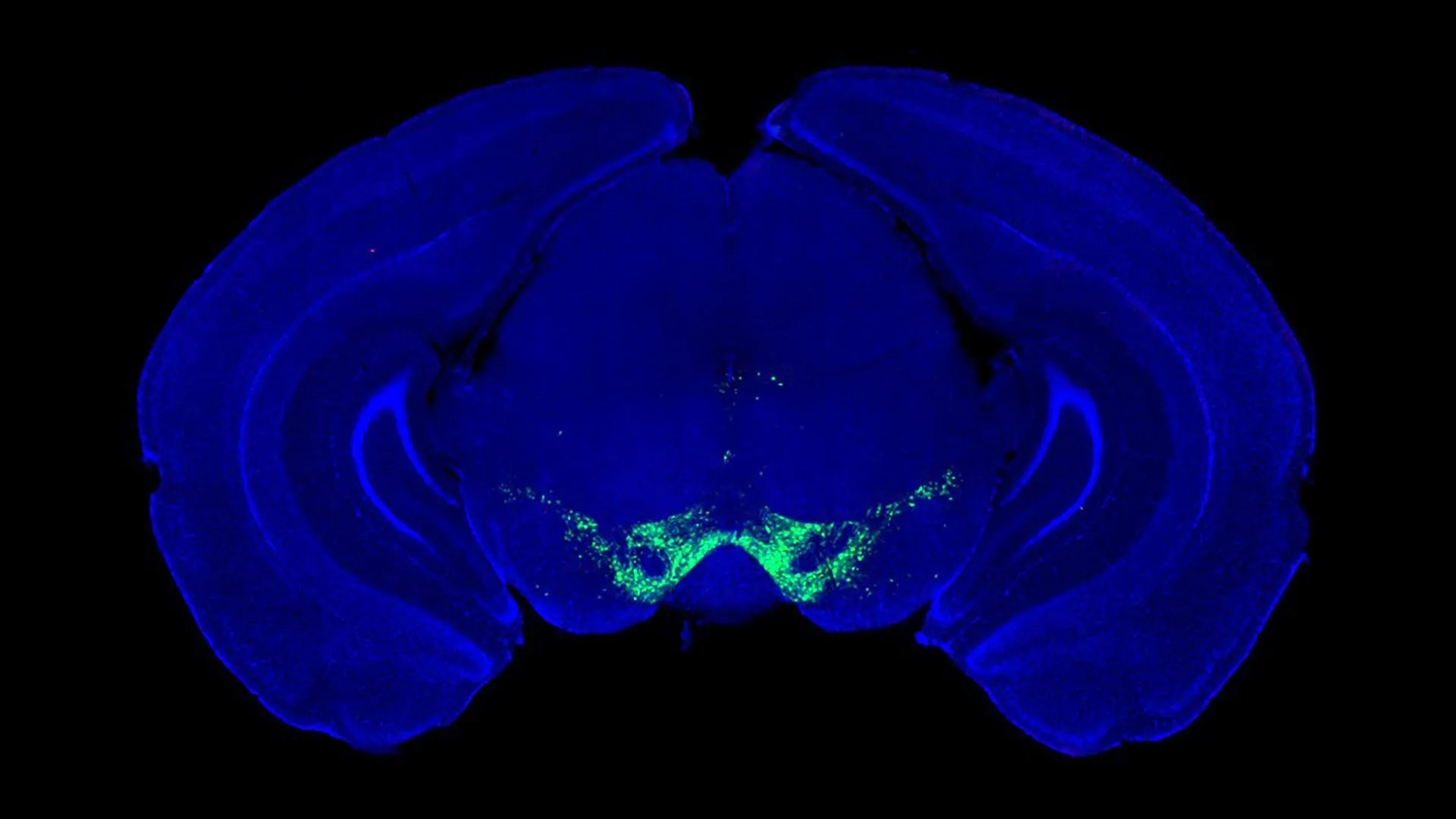
A brain imaging study in mice shows that dopamine is predominantly concentrated in the striatum rather than the cortex, challenging previous assumptions and highlighting the importance of the striatum in movement and psychiatric disorders like Parkinson's and schizophrenia.
The term 'friendslop,' a made-up label for co-op games played with friends, gained popularity online through mockery and discourse, illustrating how social media engagement often fuels outrage and misinformation rather than genuine discussion. The article explores how platform dynamics and the pursuit of likes lead to exaggerated outrage cycles, which can distort perceptions of gaming and broader issues, emphasizing the importance of critical thinking and enjoying games with friends instead of getting caught up in online outrage.