The article highlights seven practices from the 1960s and 70s—such as indoor smoking, corporal punishment, drunk driving, casual drug prescribing, unregulated workplace behavior, children roaming freely, and deceptive advertising—that would be illegal or scandalous today, illustrating how social norms and laws evolve with increased understanding of health, ethics, and safety.
The article discusses various seemingly harmless behaviors and trends, such as recording strangers, celebrity worship, vaping, and social media content involving kids, that are perceived to negatively impact society by fostering objectification, misinformation, irresponsibility, and superficiality.
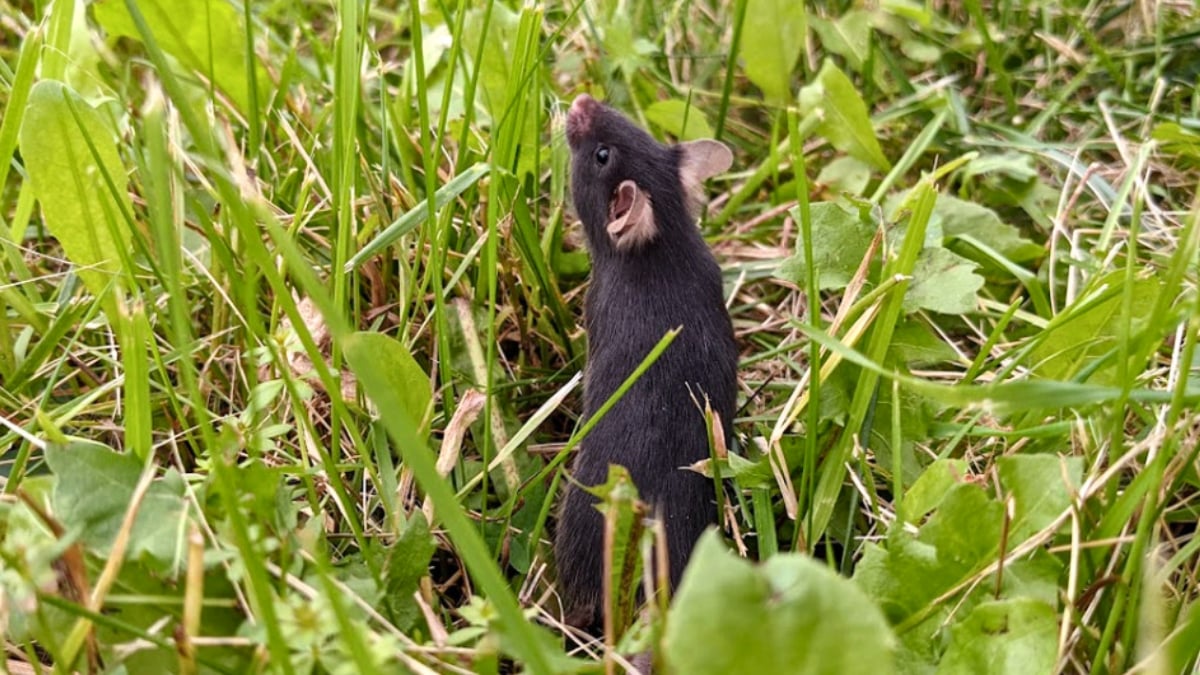
Scientists from Cornell University found that rewilding laboratory mice by releasing them into a natural outdoor environment reset their anxiety levels, suggesting that environment plays a significant role in anxiety development and that lab-based anxiety tests may need reevaluation. The study indicates that diverse experiences can help calibrate fear responses, which has implications for understanding anxiety in both animals and humans.
A woman is considering breaking up with her boyfriend after he got extremely drunk, made lewd comments, and damaged her living room, raising questions about whether this incident should be a deal breaker in their relationship.
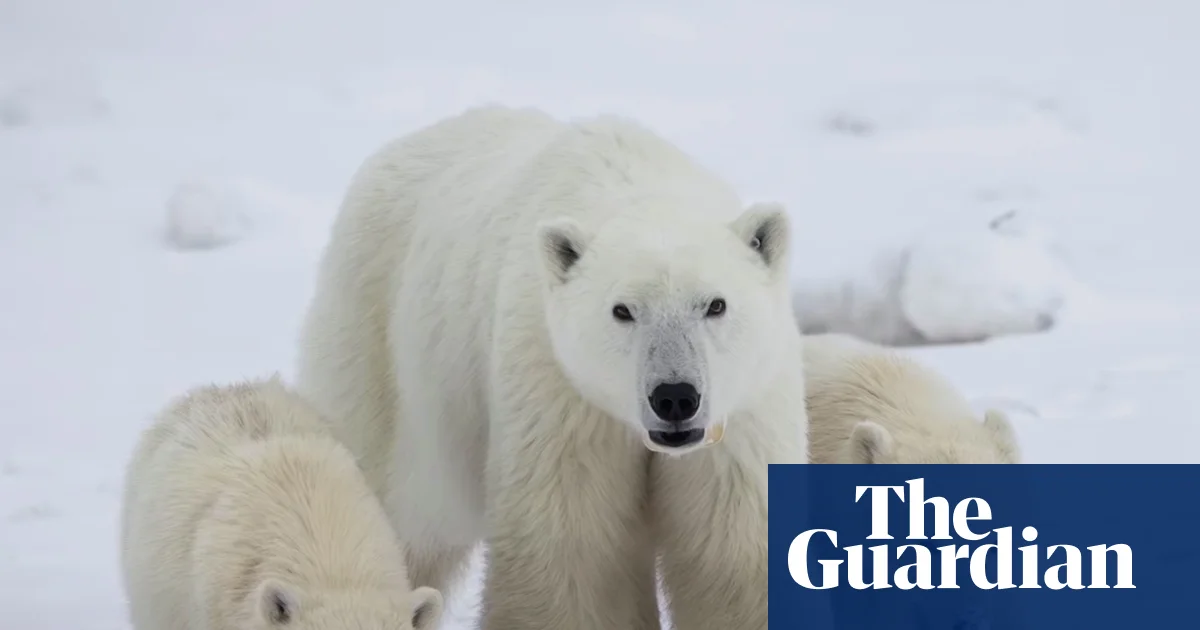
Scientists in Canada documented a rare case of a female polar bear adopting a cub, highlighting complex social behaviors among Arctic predators; only 13 such cases have been observed in decades, and survival rates for adopted cubs are low but potentially improved by maternal care.
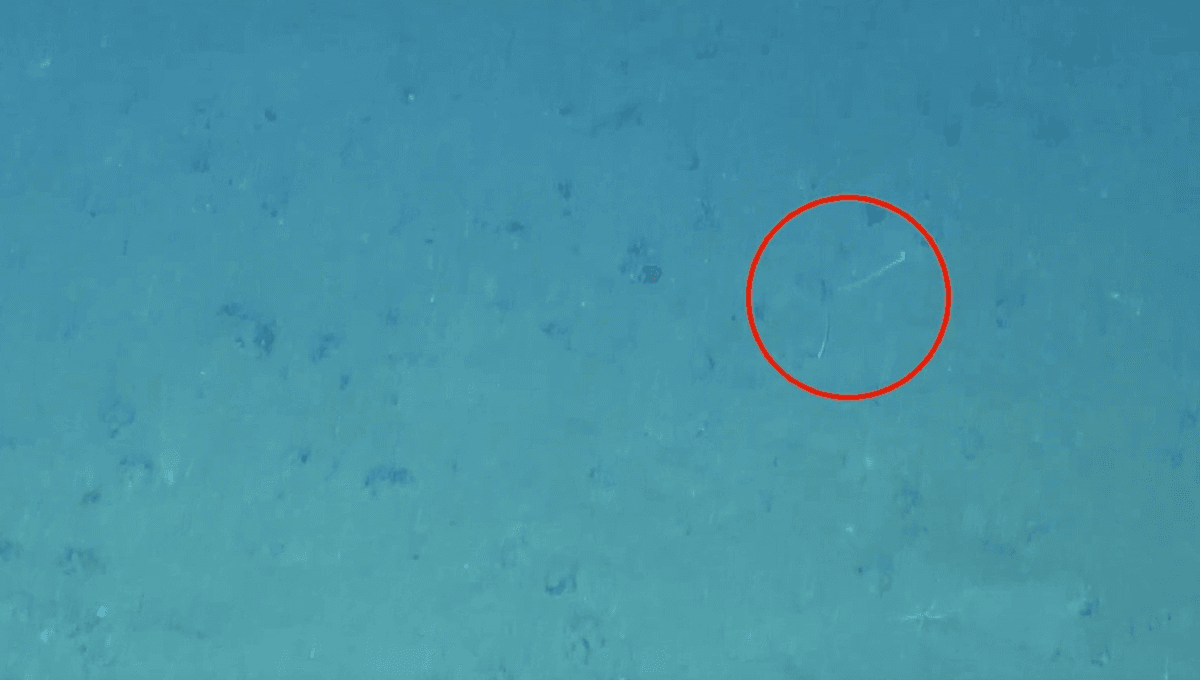
Scientists captured the first footage of an unknown deep-sea squid burying itself in the seabed, possibly for camouflage or predation, revealing complex behaviors and highlighting the vast, unexplored diversity of deep-sea ecosystems.
The article compiles 30 screenshots showcasing entitled individuals who believe everything should revolve around them, highlighting their selfish and disrespectful behavior in various situations.
Researchers found that shouting at seagulls is more effective than speaking in deterring them from stealing food, as gulls react more strongly to the urgency conveyed by loud vocalizations, suggesting that the way we say things influences their behavior.
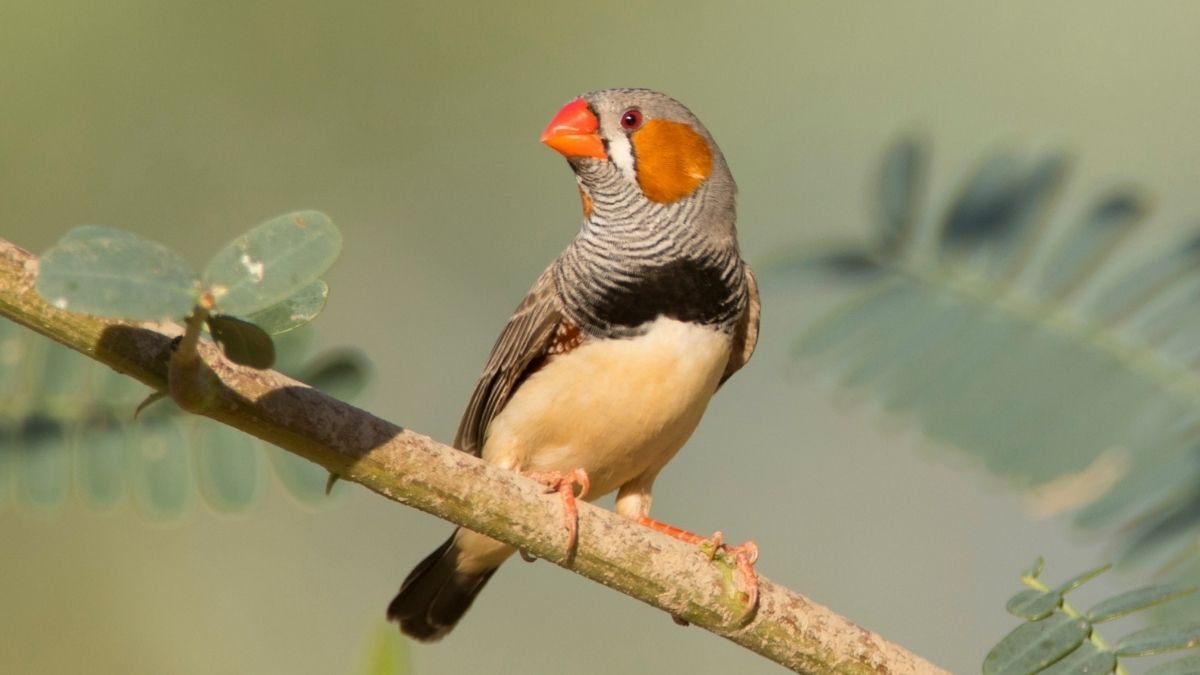
A study on captive zebra finches suggests that their dawn singing intensity is driven by anticipation of sunrise, with their vocal activity increasing in response to delayed dawn and early light triggers, possibly to warm up their vocal cords and enhance reproductive success.
A grandmother struggles with her 11-year-old granddaughter's difficult behavior during babysitting, which she attributes to differences in parenting styles and the child's manipulation. The advice suggests that the grandmother step back from babysitting duties, consider alternative caregivers, and focus on building a loving relationship through fun outings, as the challenging behavior is likely temporary and related to the child's developmental stage and family dynamics.
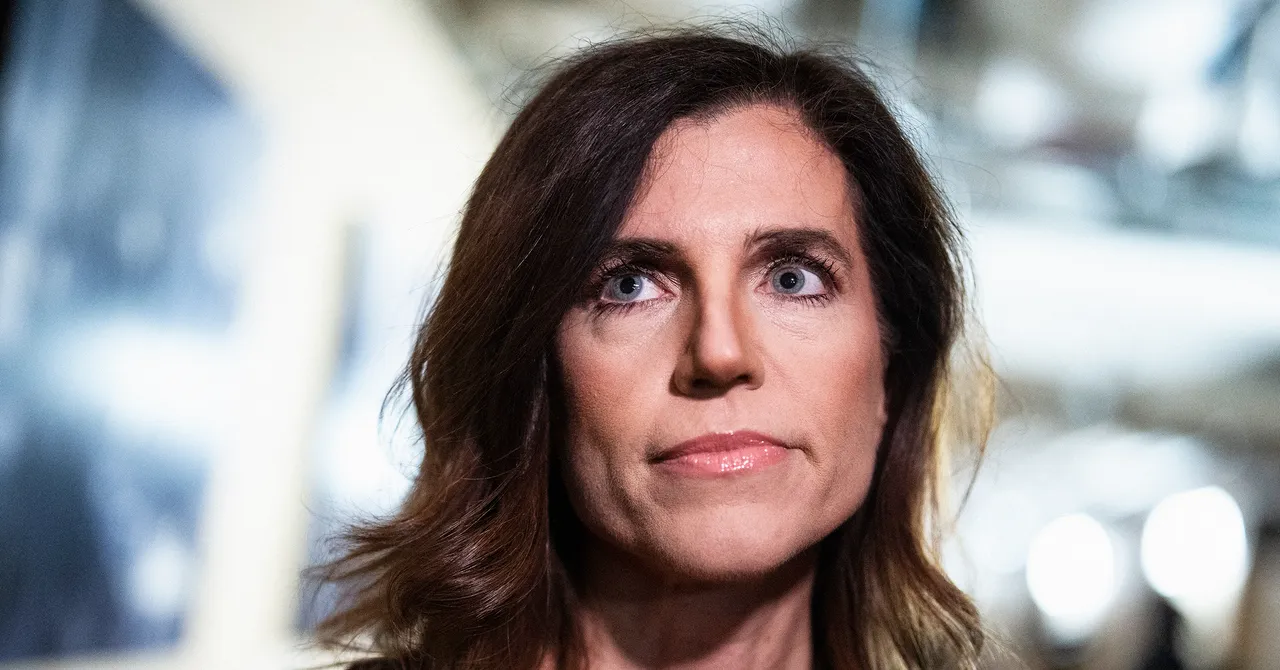
South Carolina Congresswoman Nancy Mace reportedly cursed at police and TSA officers at Charleston International Airport, criticizing their competence and bringing a colleague into the altercation, leading to reports of unprofessional behavior and security concerns.
Researchers successfully transferred a courtship behavior from one species of fruit fly to another by modifying a single gene, demonstrating that small genetic changes can lead to significant behavioral differences and contribute to species evolution.
Katie Porter, a Democratic gubernatorial candidate in California, expressed remorse for her behavior in recent videos showing her scolding a reporter and staffer, acknowledging she could have handled the situations better. Despite the controversy, she emphasized her commitment to improving and taking responsibility, while her critics worry about her temperament affecting the Democratic campaign and legislative efforts.
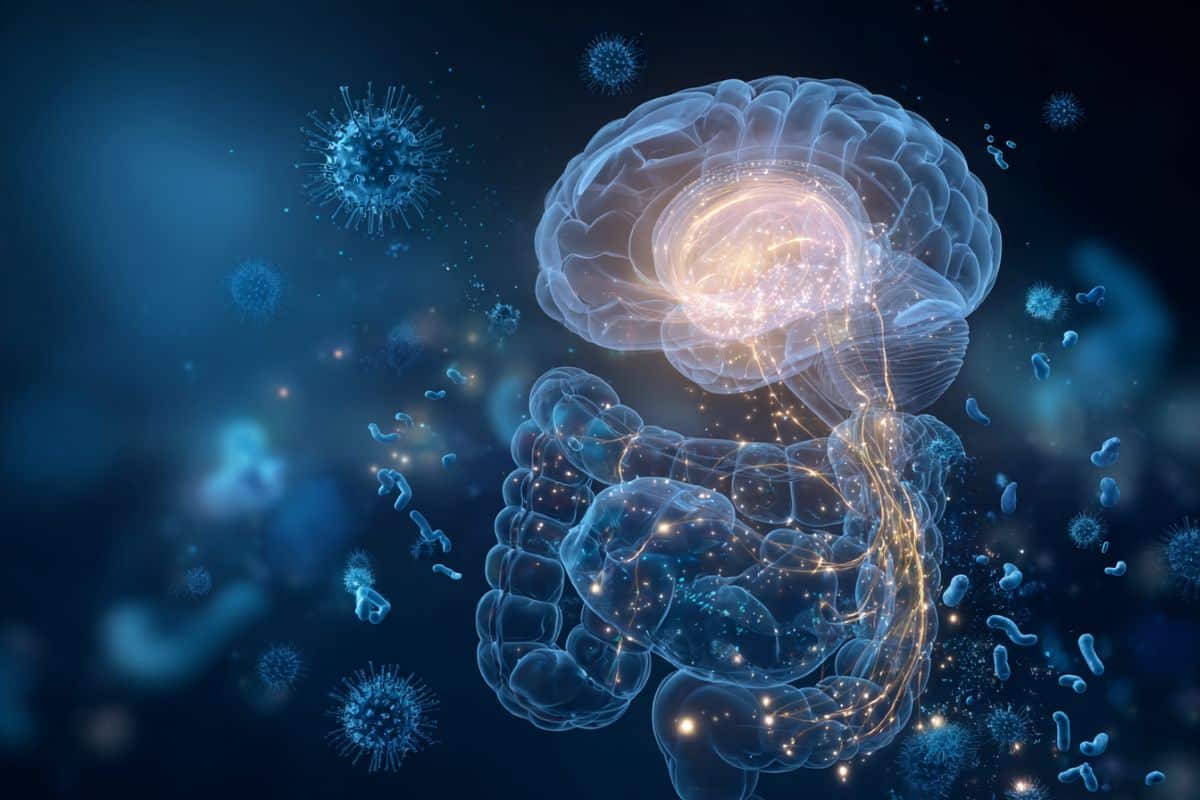
A study using Merino sheep found that tiny genetic mutations in gut microbes can influence brain-related behavior by affecting metabolites linked to neuroactivity and stress, revealing a new layer of the microbiome-brain connection and potential for targeted therapies.
Daniel Day-Lewis expressed disappointment with how Method acting is perceived today, criticizing actors who behave excessively or unpredictably in pursuit of authenticity, and emphasizing that acting should focus on internal work rather than extreme self-flagellation or discomfort.