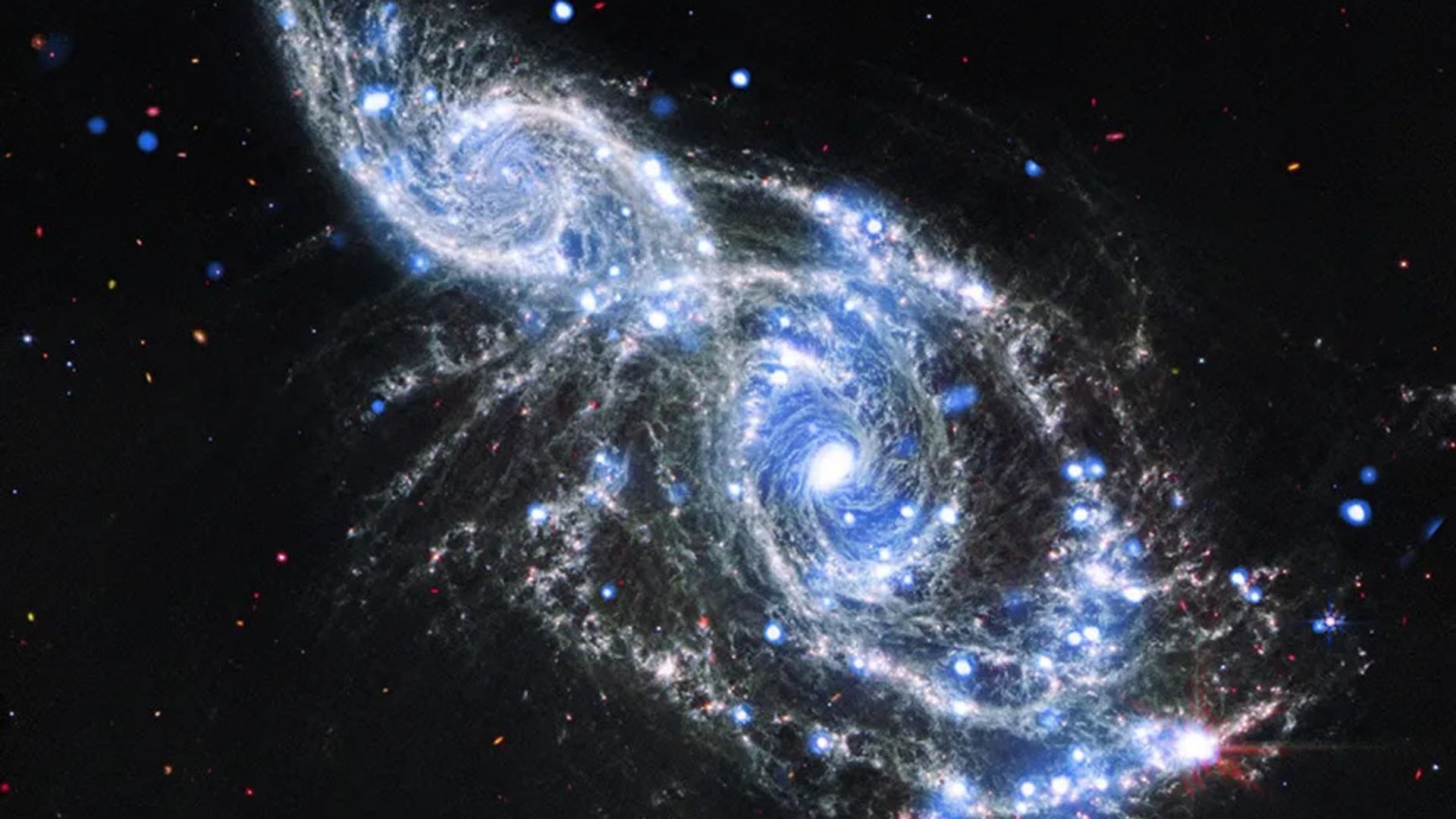
NASA's James Webb Space Telescope and Chandra X-Ray Observatory captured images of two galaxies, IC 2163 and NGC 2207, beginning to collide, providing insights into galaxy mergers and evolution over cosmic timescales.
The 247th American Astronomical Society meeting in Phoenix, dubbed the 'Super Bowl of astronomy,' features new discoveries, debates, and future plans in space science, including insights from JWST, Hubble, and ALMA, and discussions on upcoming missions like the Nancy Grace Roman Space Telescope.
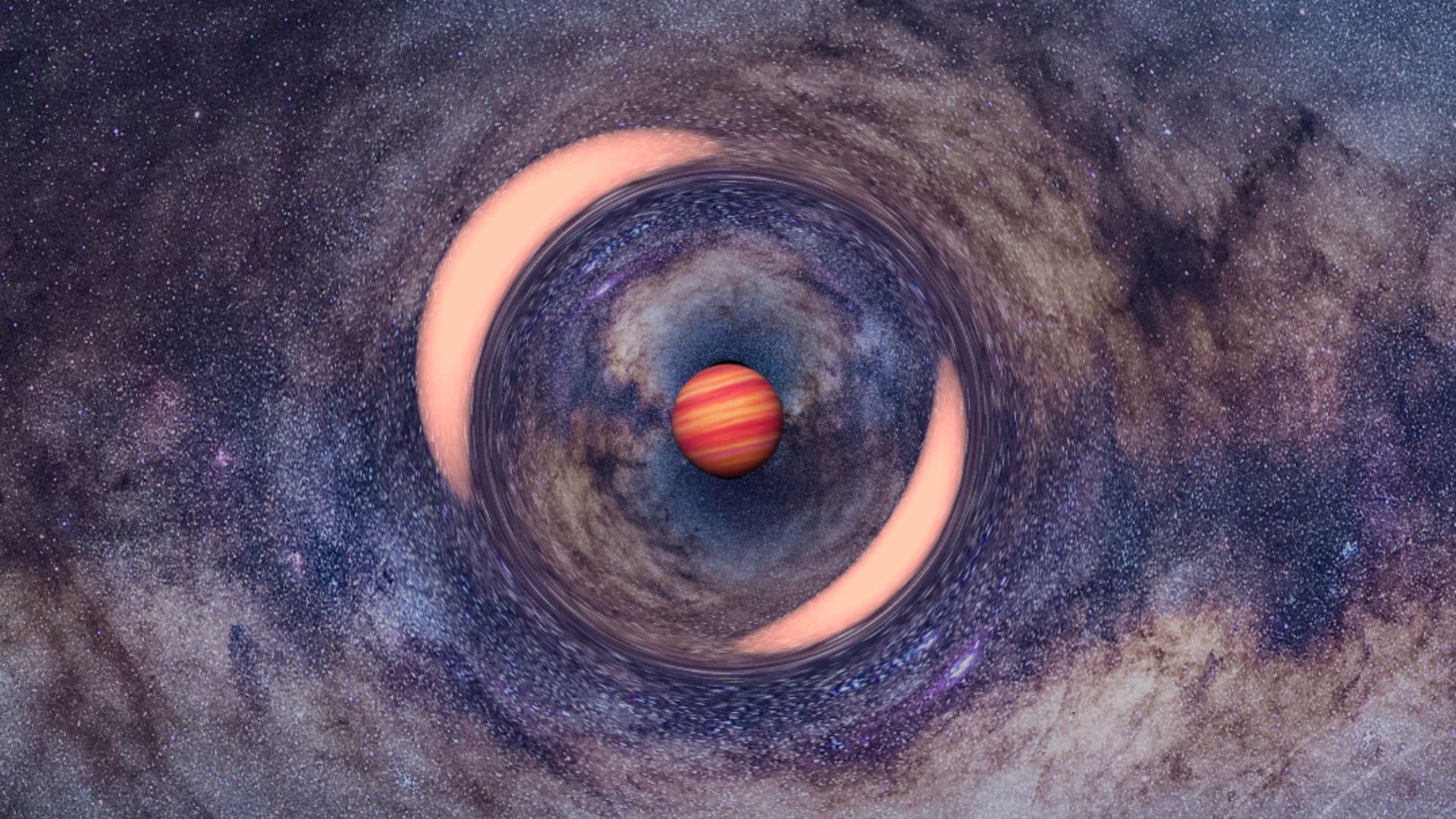
Astronomers have confirmed the existence of a rogue planet, roughly the size of Saturn, located about 10,000 light-years from Earth, using gravitational microlensing techniques that also allowed them to determine its distance and mass, providing new insights into these starless worlds.
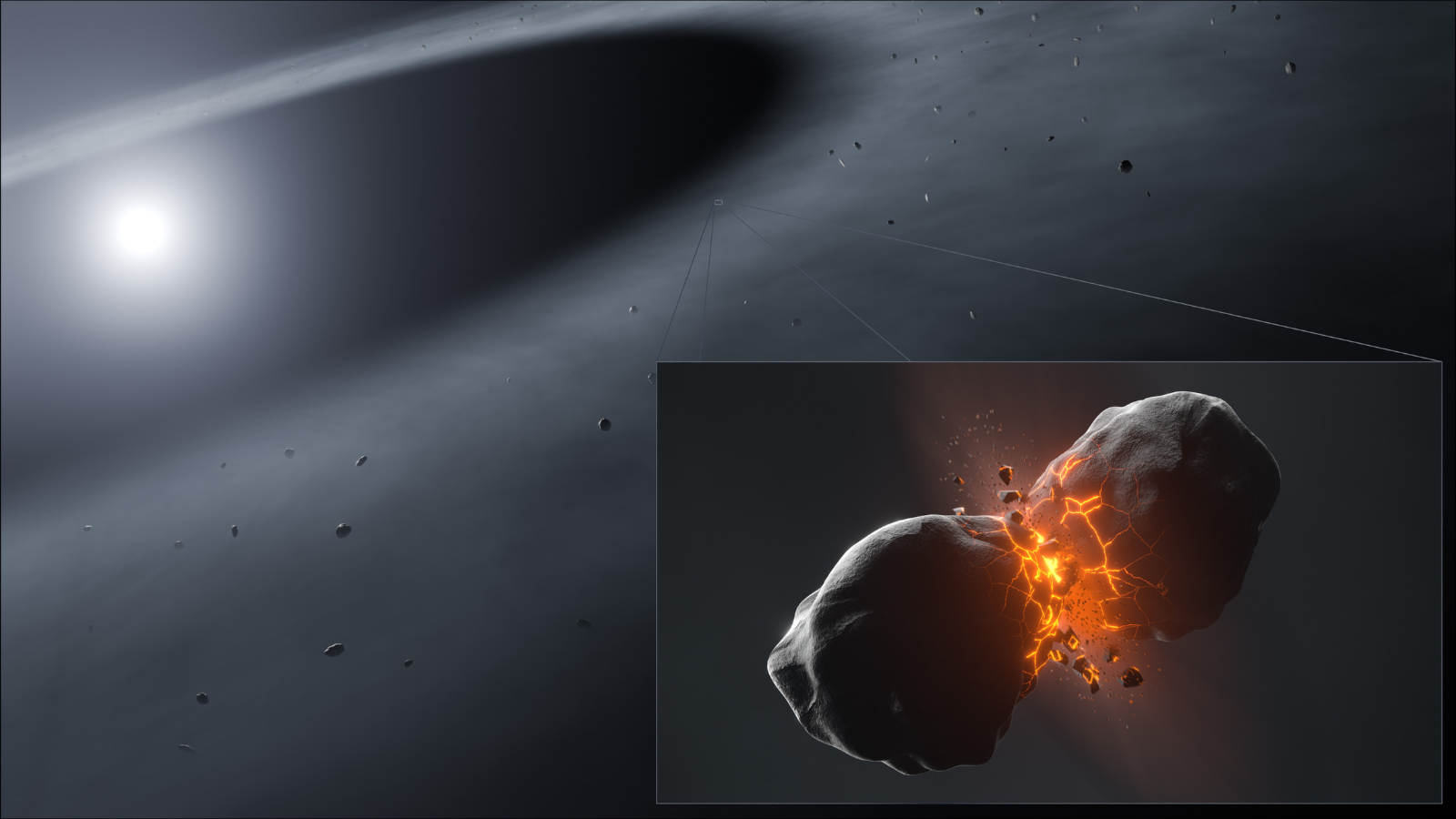
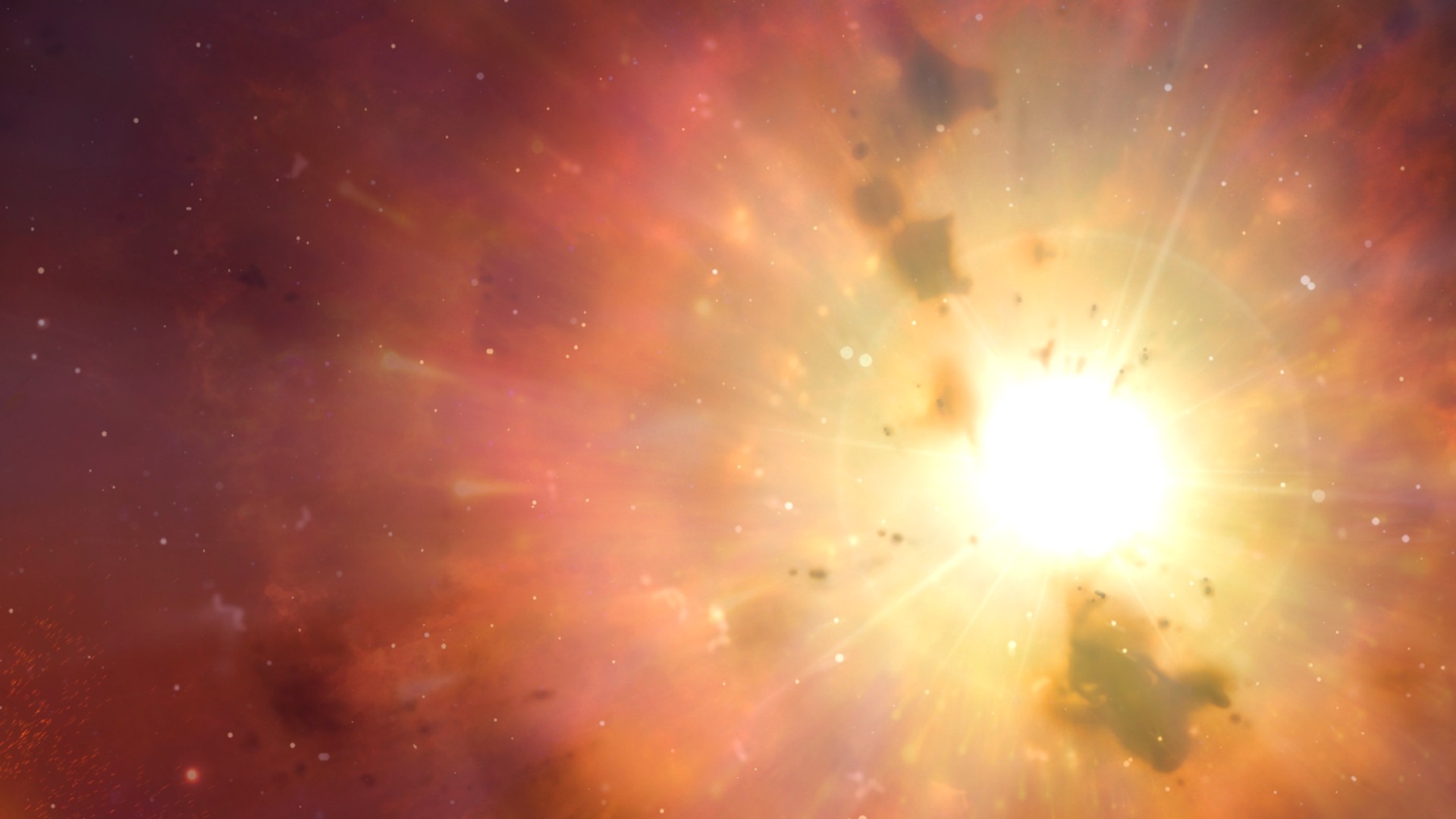
Astronomers captured the first direct images of collisions between large objects in a nearby star system, Fomalhaut, providing insights into planet formation and the behavior of planetesimals, with observations suggesting these icy bodies are similar to solar system comets. The study highlights the importance of understanding dust clouds and collisions in young planetary systems to distinguish them from planets.
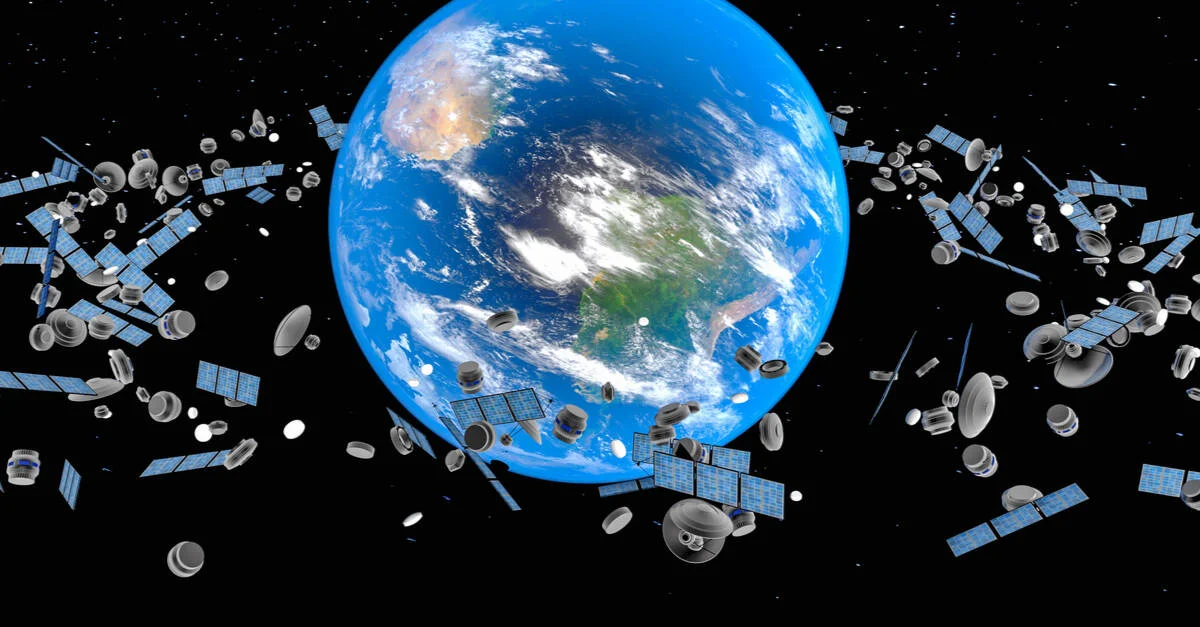
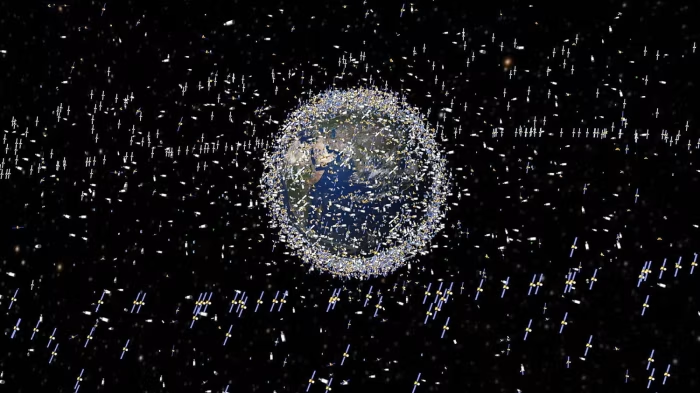
A new NASA-led study warns that the increasing number of communication satellites in low Earth orbit could significantly interfere with space telescopes like Hubble, with nearly 40% of Hubble's images and up to 96% of other telescopes' images potentially affected by satellite light pollution, prompting calls for mitigation strategies.
A surge in satellite launches is brightening the night sky and obstructing astronomers' ability to study distant galaxies, raising concerns over space regulation and the impact on scientific research, with projections of up to 500,000 satellites orbiting by the 2030s.
Scientists are exploring exoplanet atmospheres beyond the habitable zone to find clues about potential habitability and life, using upcoming advanced telescopes like NASA's Habitable Worlds Observatory to analyze atmospheric gases and planetary processes that could support life.
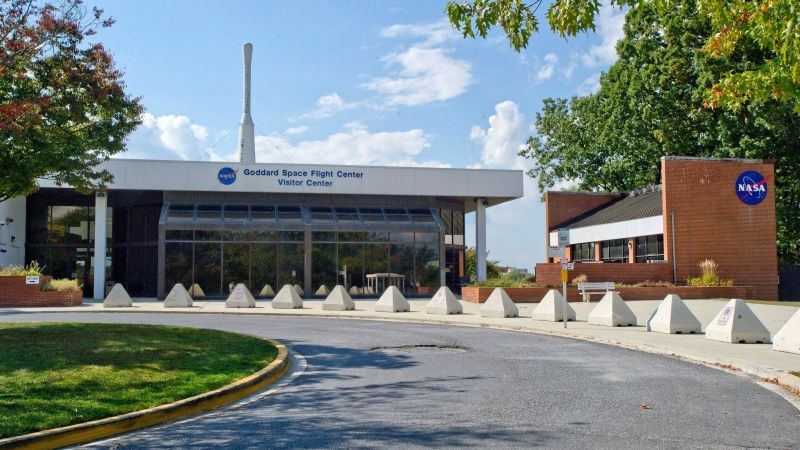
NASA's Goddard Space Flight Center faces significant concern among employees due to the sudden closure and emptying of over a dozen buildings amid a government shutdown, with fears that these actions are part of a broader effort to weaken the center's capabilities and future space missions, despite official statements citing strategic consolidation and compliance with the law.
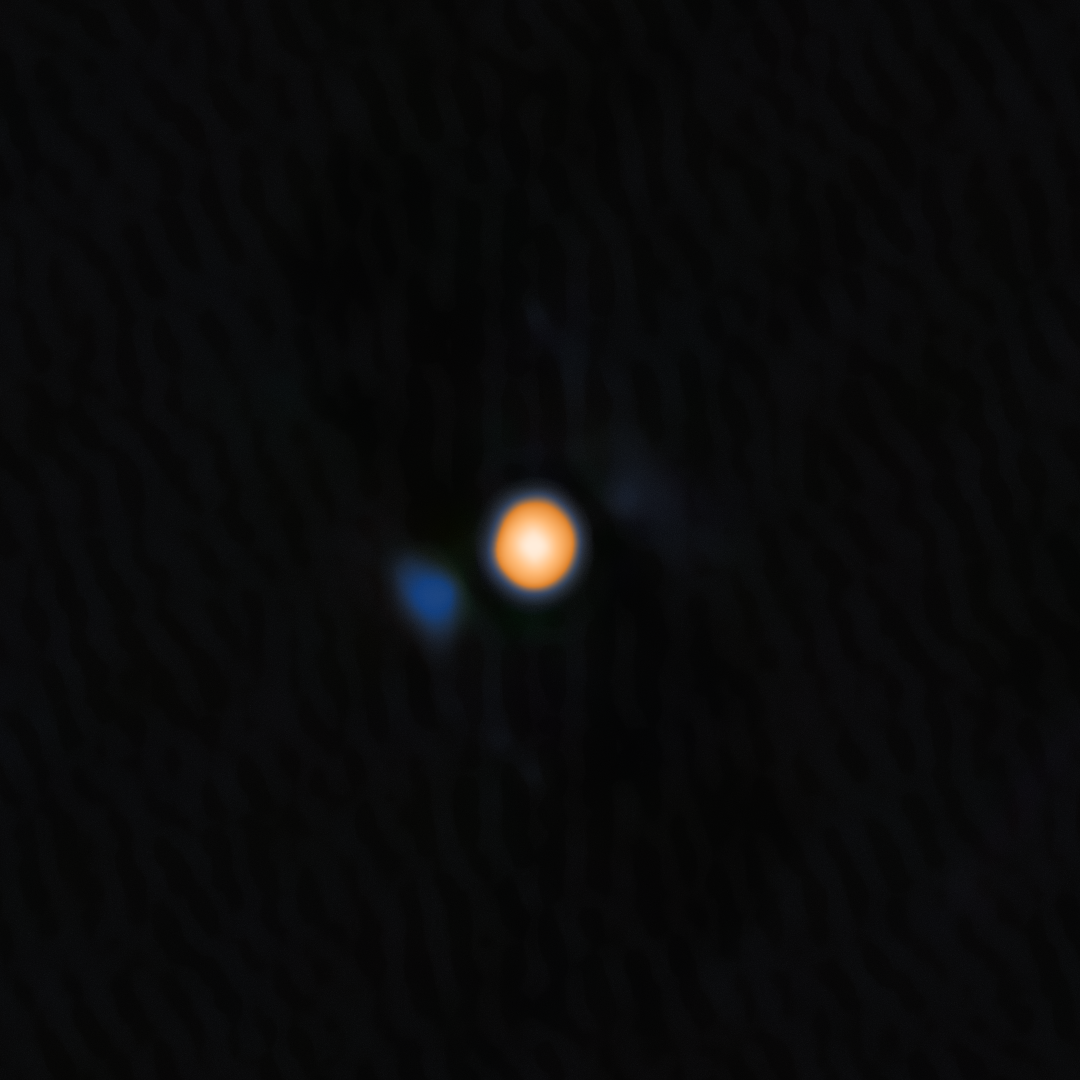
Astronomers from Carnegie Mellon University have confirmed that Betelgeuse has a hidden companion star, nicknamed 'Betelbuddy,' which is a young solar-sized star. This discovery, made using NASA's Chandra X-ray Observatory and the Hubble Space Telescope, helps explain Betelgeuse's six-year brightness cycle and challenges existing models of binary star formation due to the significant mass difference between the two stars.
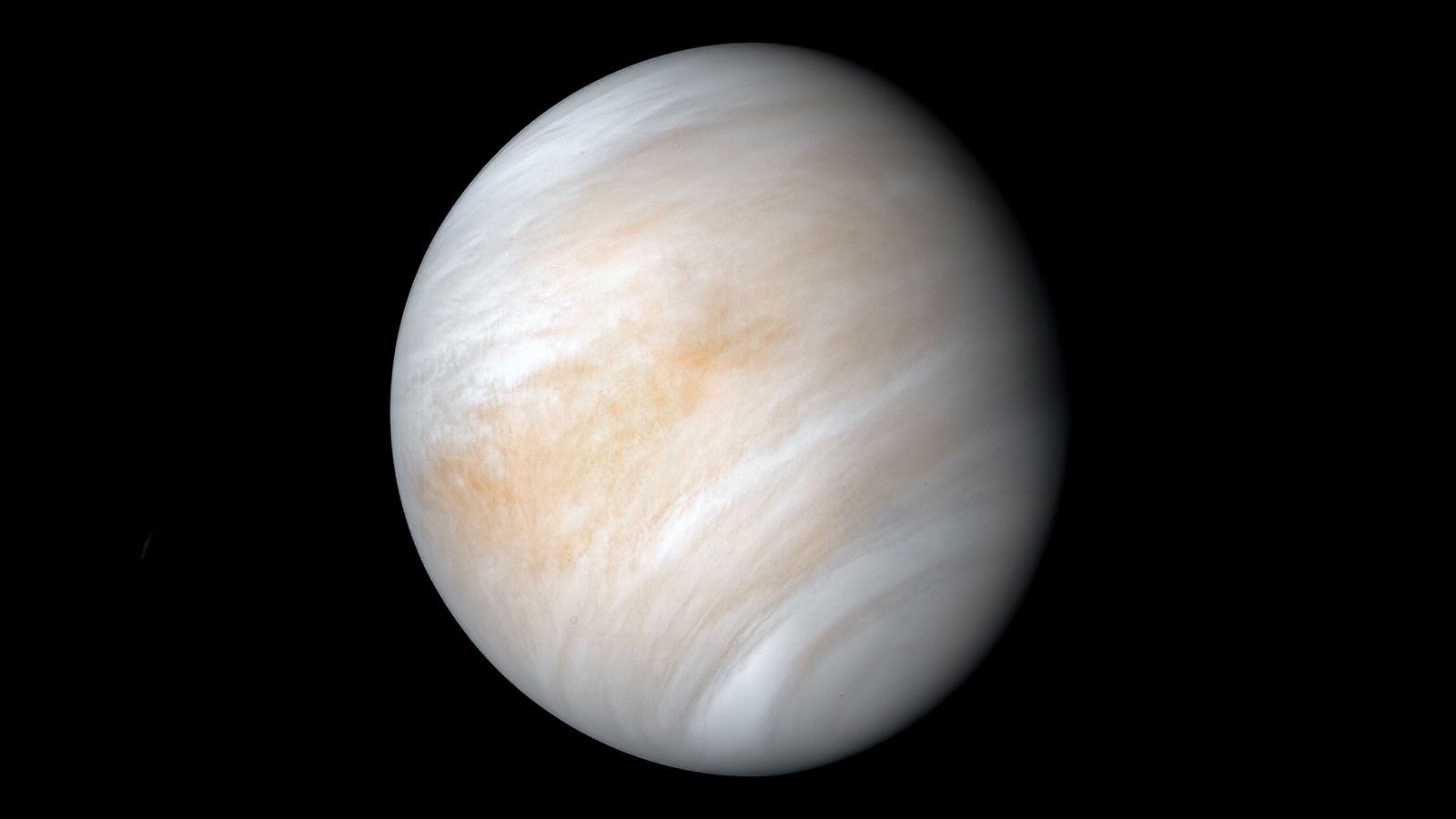
A hidden population of Venus co-orbital asteroids, which are currently undetectable with existing telescopes, could pose a threat to Earth in a few thousand years by potentially crossing Earth's orbit, highlighting the need for space-based monitoring to improve detection and planetary defense strategies.
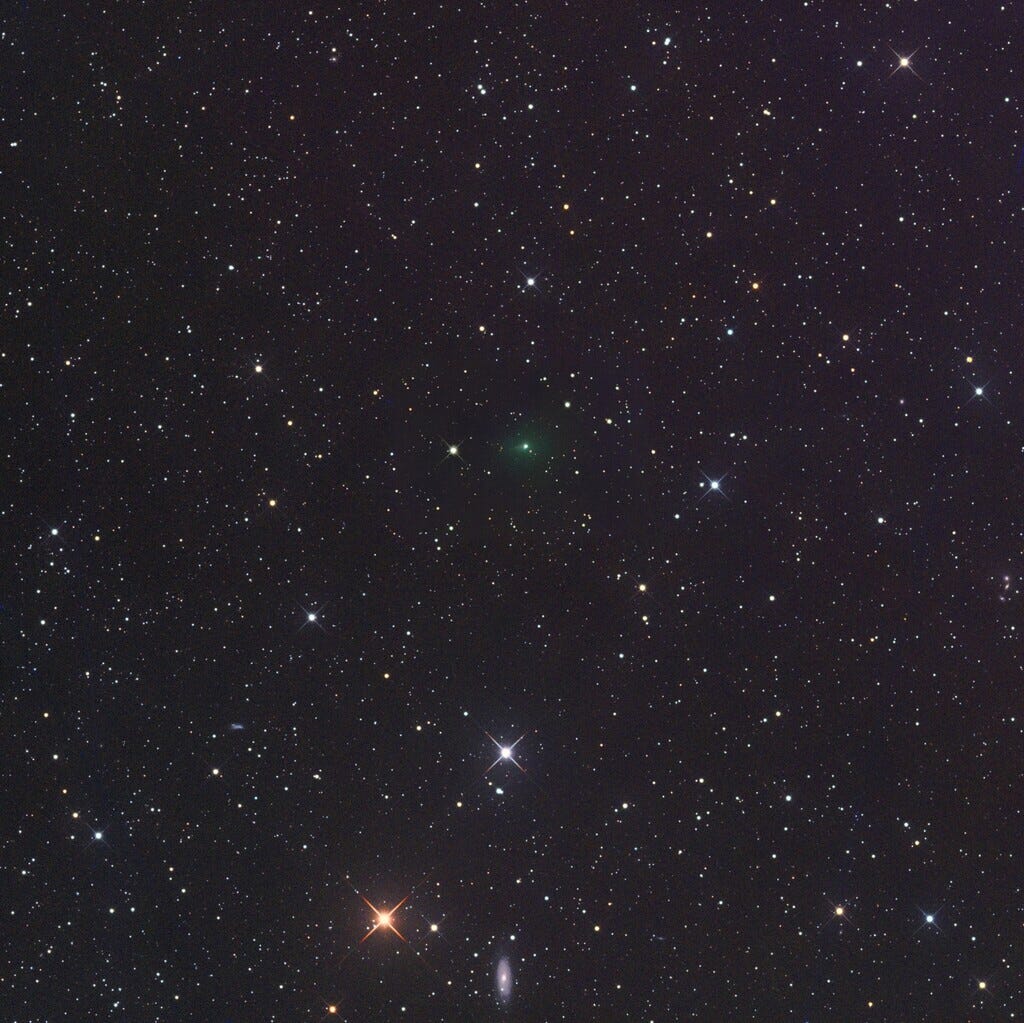
Recent observations of 3I/ATLAS reveal a surprising color change from red to green-blue, likely due to increased cyanide production and a shift in the composition of its emitted material, making it an anomalous interstellar object distinct from others like `Oumuamua and Borisov. The findings are part of ongoing research into interstellar objects and UAP phenomena, emphasizing the importance of scientific evidence in understanding cosmic neighbors.
Scientists have developed a new protocol using the Gran Telescopio de Canarias to identify supernovae within hours of explosion by analyzing their spectra, which could revolutionize early detection and understanding of these stellar events, especially with upcoming large-scale surveys like the Vera C. Rubin Observatory.
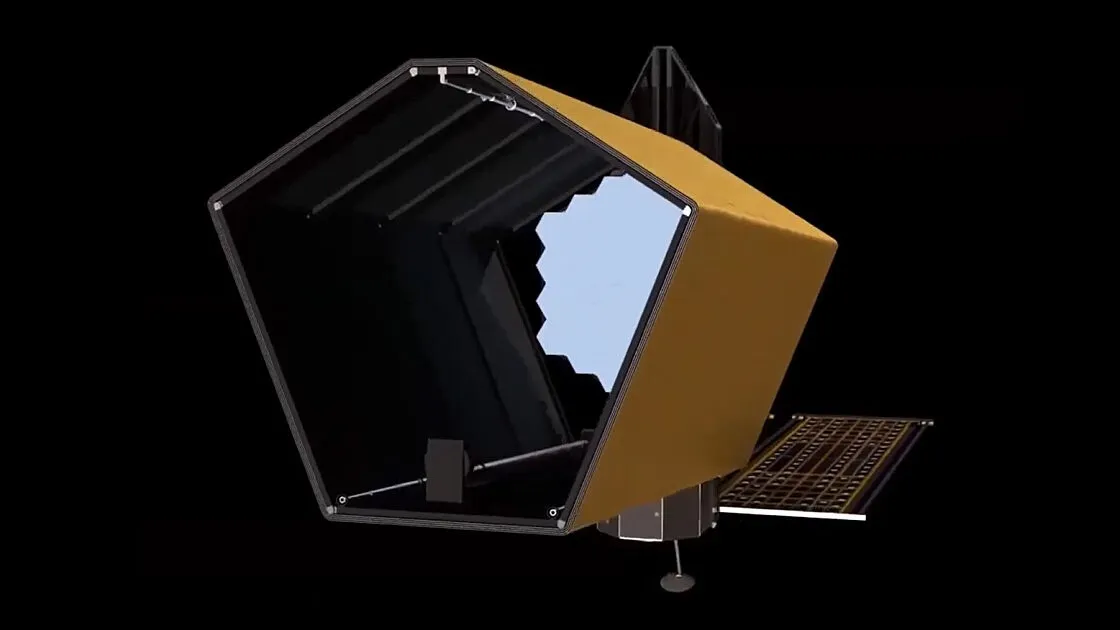
NASA's proposed Habitable Worlds Observatory aims to be a groundbreaking space telescope capable of directly imaging Earth-like exoplanets and advancing our understanding of the universe, but its future depends on securing sustained funding amidst current political and financial uncertainties.
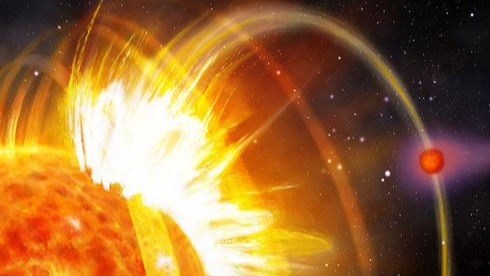
Astronomers have observed a Jupiter-sized exoplanet, HIP 67522 b, so close to its star that it triggers intense stellar flares, causing the star to explode and gradually strip away the planet's atmosphere, marking a new phenomenon in star-planet interactions.
NASA-funded research has developed a new alloy with negative thermal expansion properties that can significantly improve the stability of space telescope structures, enabling more precise detection of habitable exoplanets by maintaining ultra-stable optical systems necessary for future missions like the Habitable Worlds Observatory.