Tag

Gravitational Microlensing

All articles tagged with #gravitational microlensing

science7 days ago

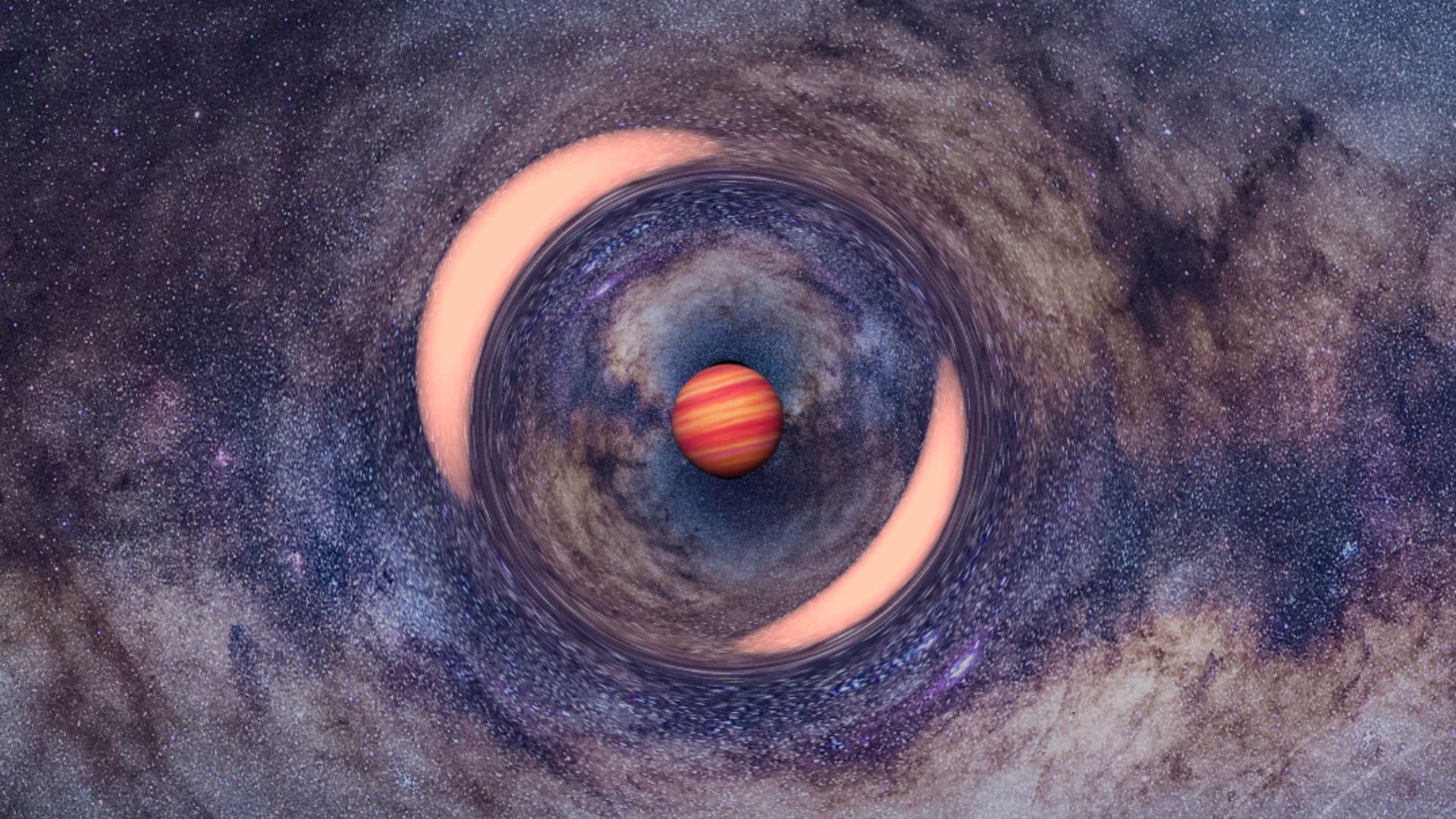
Scientists Measure Mass of Rogue Saturn-Size Planet Drifting in Space

Astronomers have directly measured the mass of a Saturn-sized rogue planet drifting in space using gravitational microlensing, marking a significant advancement in studying free-floating planets that do not orbit stars. This breakthrough was achieved through a rare cosmic alignment observed from Earth and the Gaia space telescope, demonstrating a new method to analyze these elusive celestial bodies.
science5 months ago

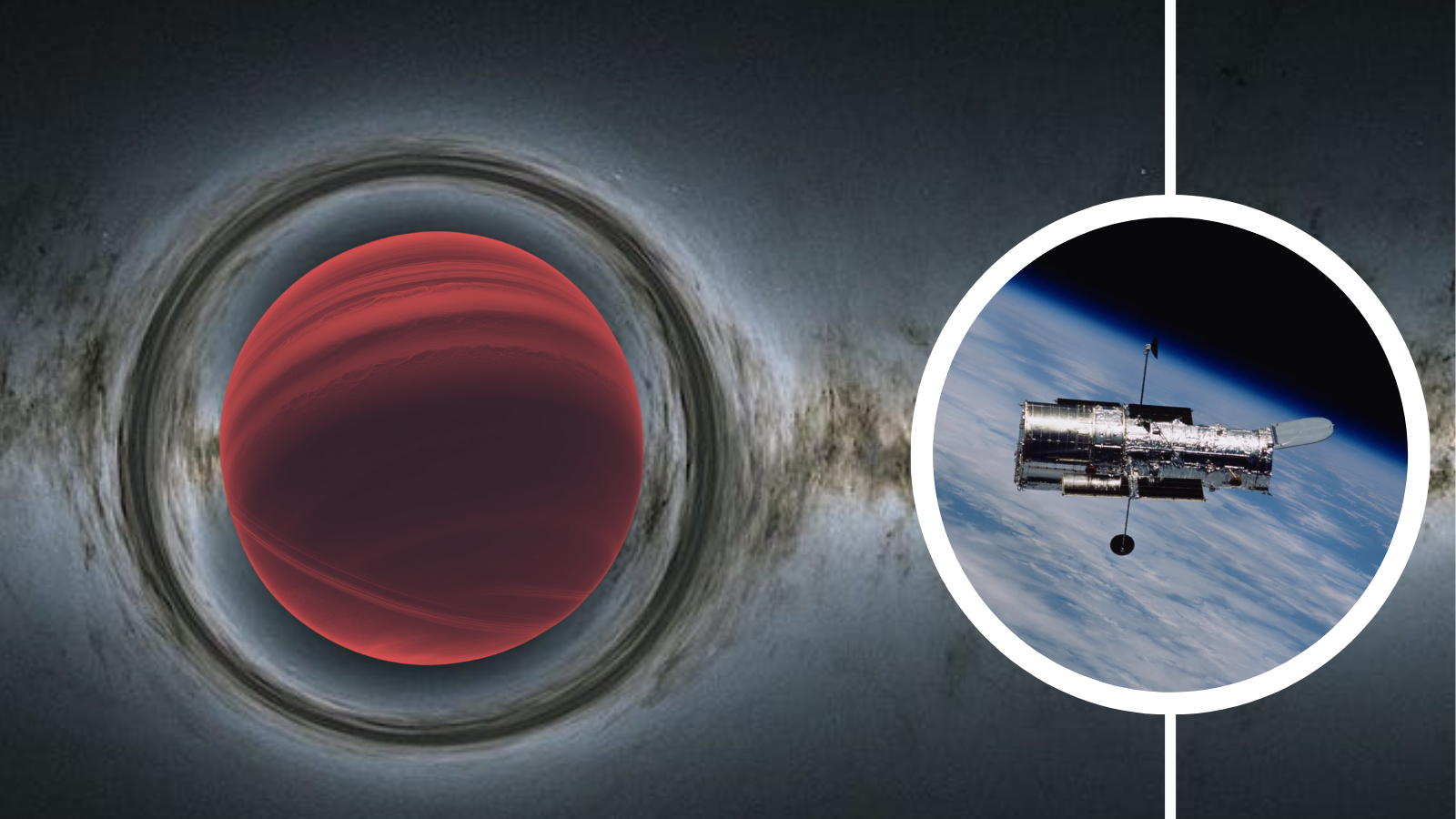
Hubble Discovers Rogue Planet Using Einstein's Help

Astronomers discovered a new rogue planet using archival data from the Hubble Space Telescope, leveraging Einstein's theory of general relativity and gravitational microlensing, with the event being one of the shortest on record, suggesting the planet is either a Neptune-mass or Saturn-mass object located thousands of light-years away, and the discovery highlights the potential for finding more such elusive worlds in existing data.

science6 months ago

Scientists Discover Rare Exoplanet in Milky Way's Outskirts Using Einstein's Space-Time Effect

Astronomers discovered a rare Jupiter-sized exoplanet, AT2021uey b, at the edge of the Milky Way using gravitational microlensing, a method based on Einstein's general relativity, challenging existing models of planetary formation and suggesting planets can form in unexpected regions of the galaxy.

space2 years ago

"Join the Hunt: Scientists Seek Volunteers to Search for Black Holes"

Scientists are enlisting the help of the public through a project called Black Hole Hunter to search for black holes using data from NASA's TESS. By analyzing changes in the brightness of light from stars, citizen scientists can identify signs of black holes through gravitational microlensing. The project aims to locate black holes that are otherwise invisible and invites anyone with an interest in space to participate in this citizen science initiative. Additionally, astronomers are using the Hubble Space Telescope to search for intermediate-sized black holes, while NASA is celebrating black hole week by sharing visualizations of supermassive black holes.

astronomy2 years ago

"Surprising Discovery: Rogue Planets Outnumber Stars in Our Galaxy"

NASA's upcoming Nancy Grace Roman Space Telescope could potentially discover at least 400 Earth-mass rogue planets in the heart of the Milky Way. Researchers from NASA's Goddard Space Flight Center and Osaka University used data from the Microlensing Observations in Astrophysics survey to estimate the number of rogue planets that could be revealed through gravitational microlensing. Rogue planets, which orbit no star and have been kicked out of their star systems, are difficult to detect due to their small size and lack of association with a star. However, gravitational microlensing can amplify their visibility by bending spacetime. The Roman telescope, set to launch in 2027, will search for these rogue planets and could potentially find trillions of them, outnumbering stars in our galaxy.

space-exploration2 years ago

Unveiling the Secrets of Wandering Worlds: Exploring Rogue Planets

Astronomers have conducted a feasibility analysis on exploring rogue planets, which are planets that have been kicked out of their star systems and are adrift in space. These rogue planets, which could potentially support life, may be more easily explored than planets still bound to their stars. The study suggests that there could be hundreds of rogue planets in our cosmic neighborhood, and deep space missions using laser sails are considered the most promising method for reaching these nomadic worlds. The upcoming Nancy Grace Roman Space Telescope is expected to detect Earth-like rogue planets, confirming their existence and providing targets for future exploration missions. Exploring rogue objects can provide valuable insights into the formation and evolution of planetary systems and serve as pathfinder missions for interstellar voyages.

astronomy2 years ago

Discovery of Rogue Planets with Potential Life-Sustaining Moons

Scientists have discovered two rogue planets, including the second-ever terrestrial mass free-floating planet, using data from the Microlensing Observations in Astrophysics (MOA) II Gravitational Microlensing Survey. The survey aimed to study dark matter, exoplanets, and stellar atmospheres in the Milky Way's bulge and the Magellanic Clouds. The discovery of these planets signals the existence of a terrestrial mass free-floating planet population, which is poorly understood due to the difficulty in detecting them. The upcoming Nancy Grace Roman Space Telescope and the ESA's Euclid infrared space telescope are expected to aid in the search for more free-floating planets.