Tag

Fomalhaut

All articles tagged with #fomalhaut

science11 days ago

NASA's Hubble Reveals Violent Collisions and a Vanishing Planet

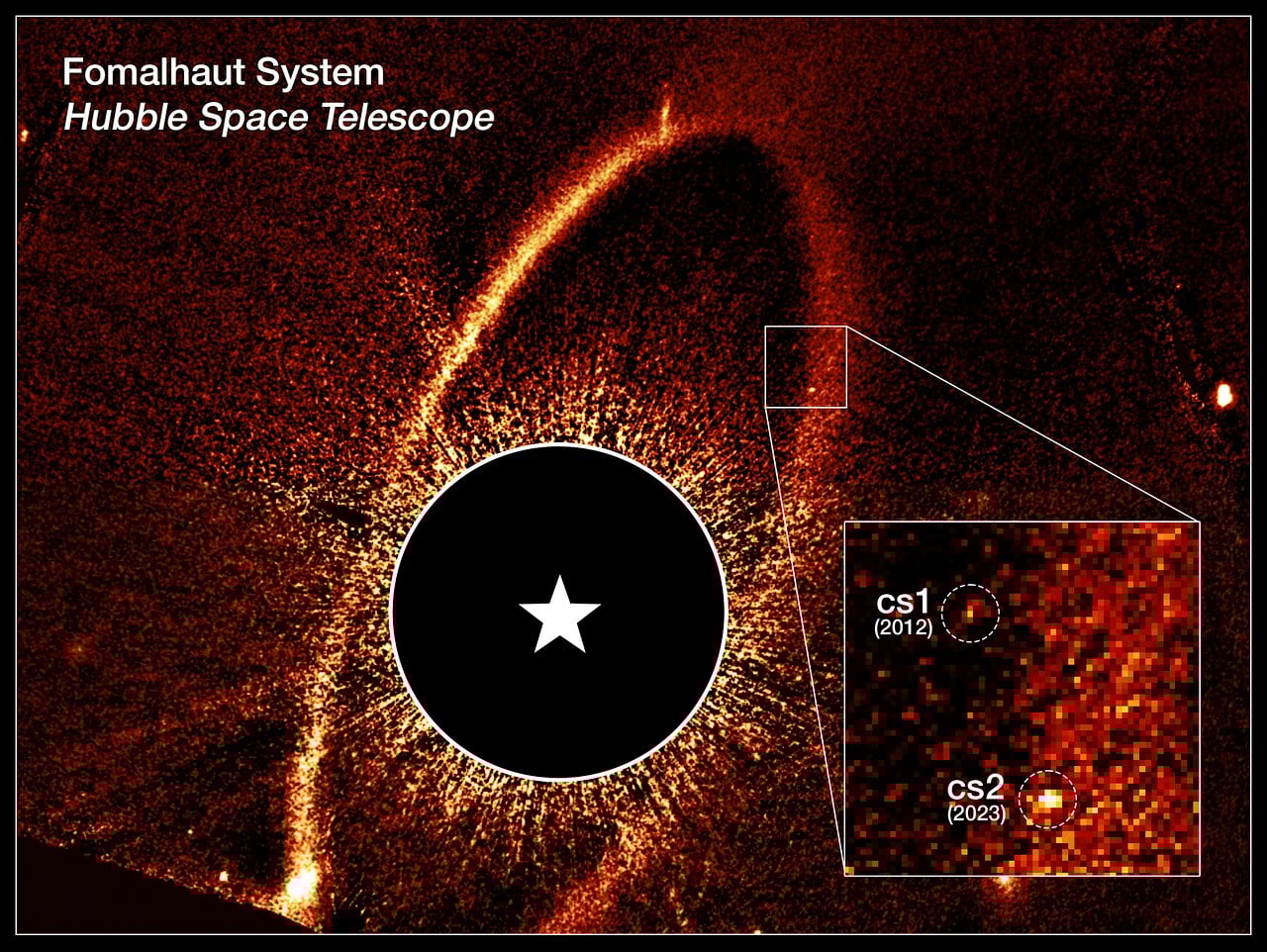
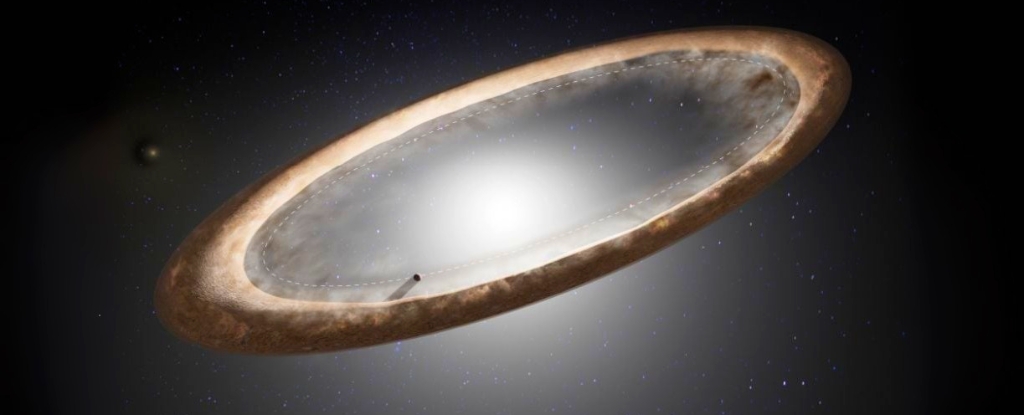
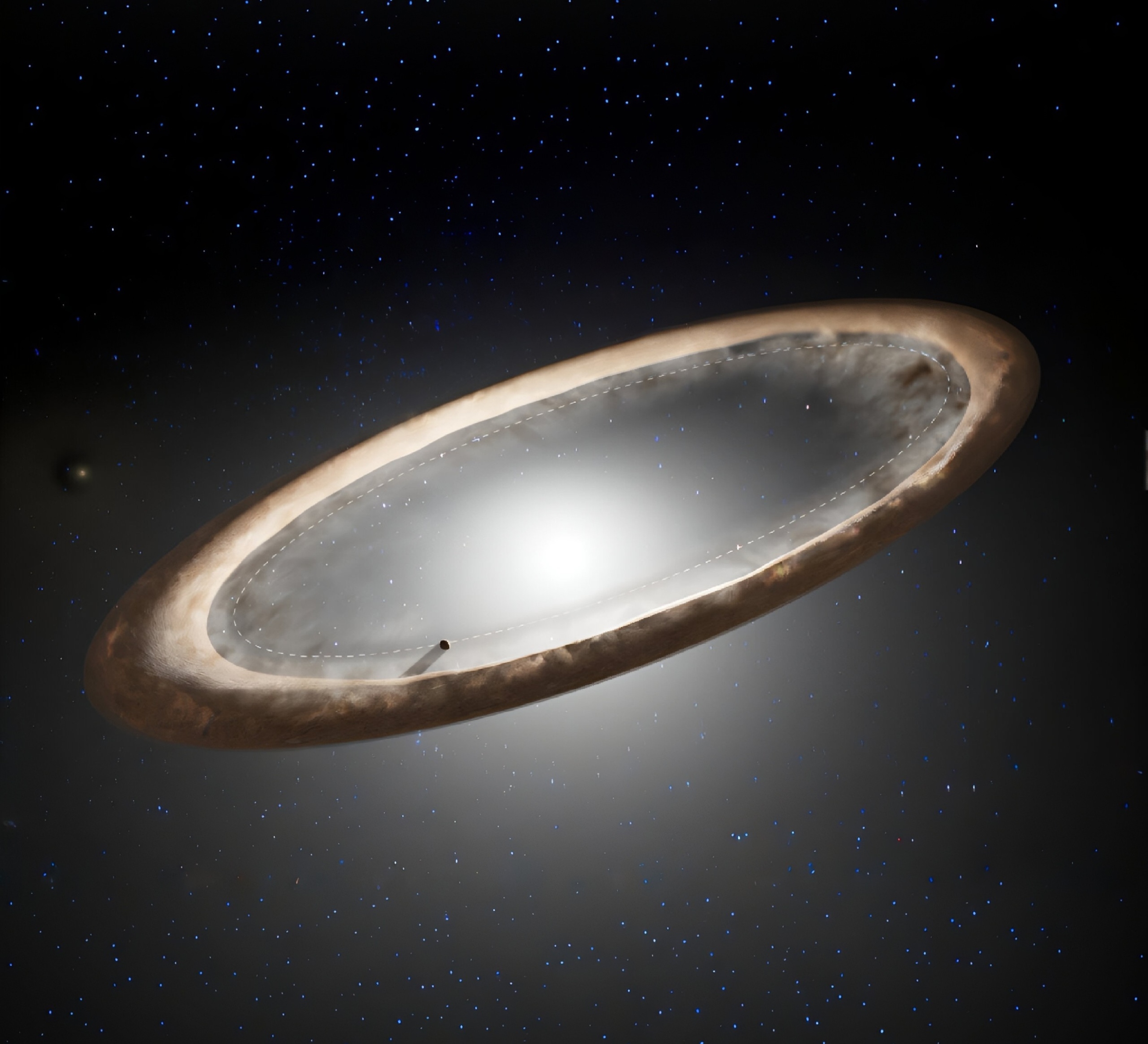
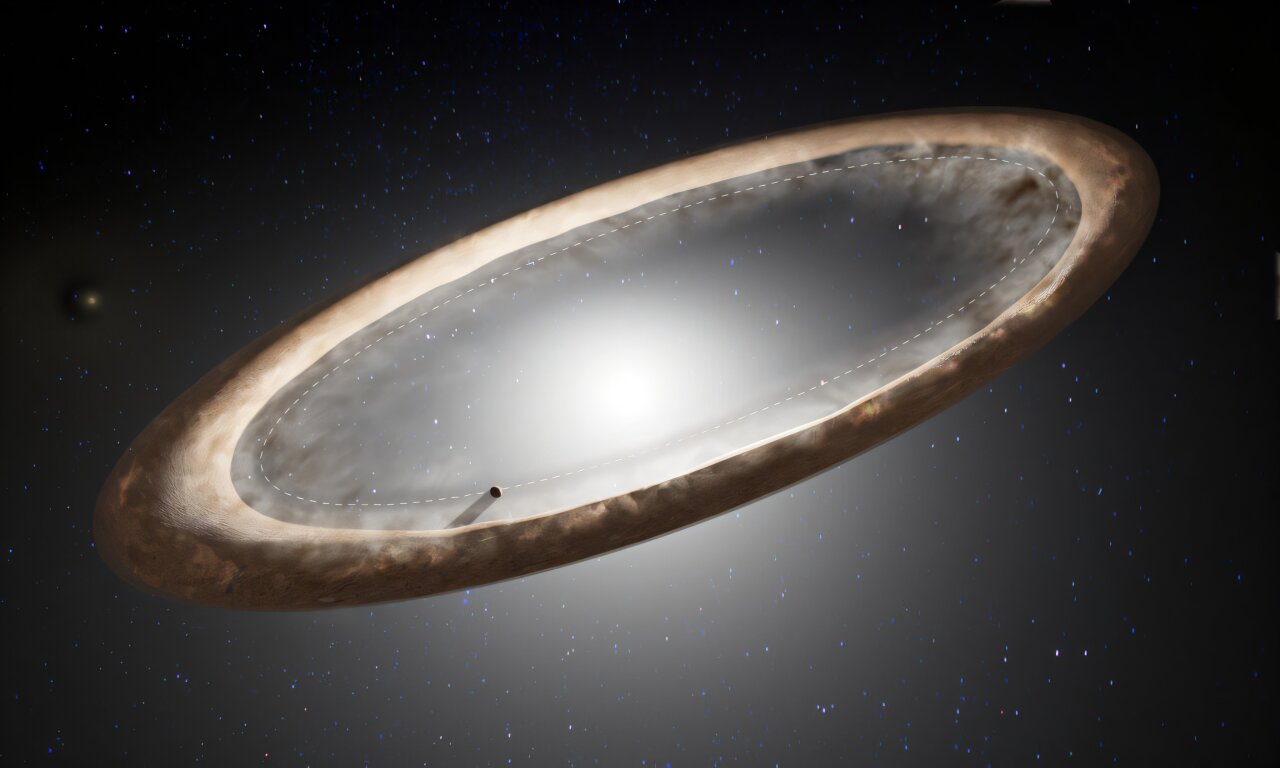
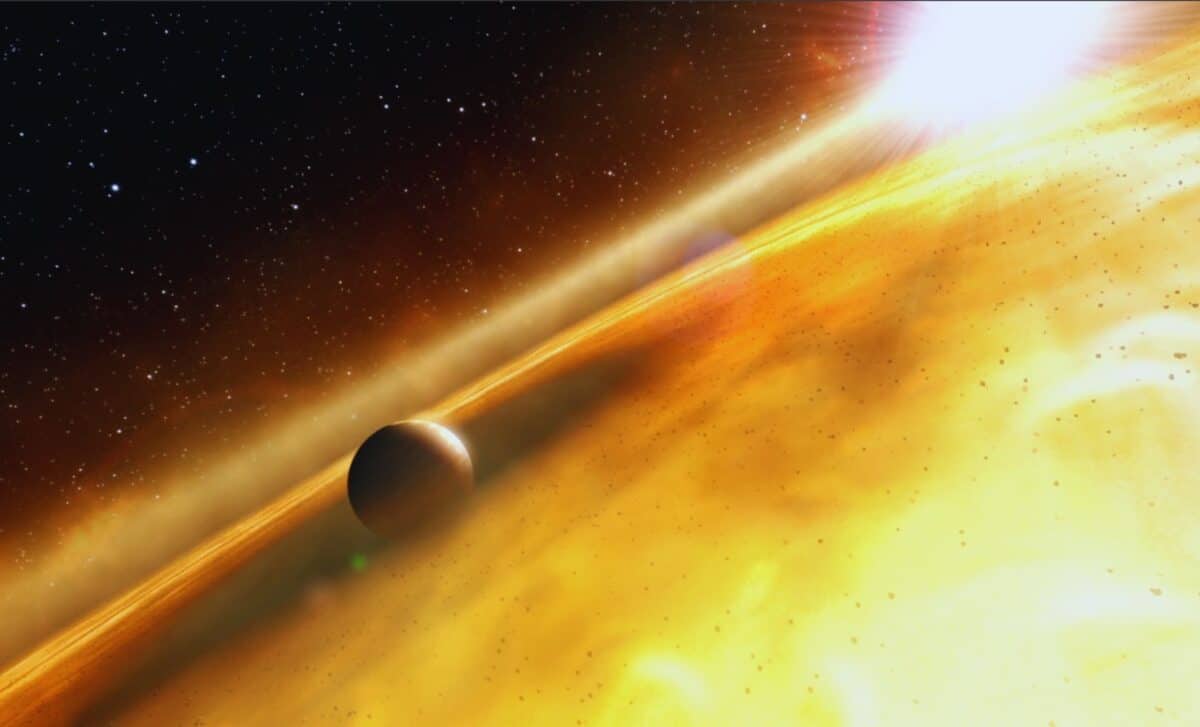
Astronomers observed what they thought was a planet around star Fomalhaut, but it vanished due to a collision between asteroid-sized bodies, creating a debris cloud. A second similar object appeared nearby, indicating violent impacts rather than a new planet, challenging existing models of planetary formation and raising concerns for future exoplanet detection methods.
science23 days ago

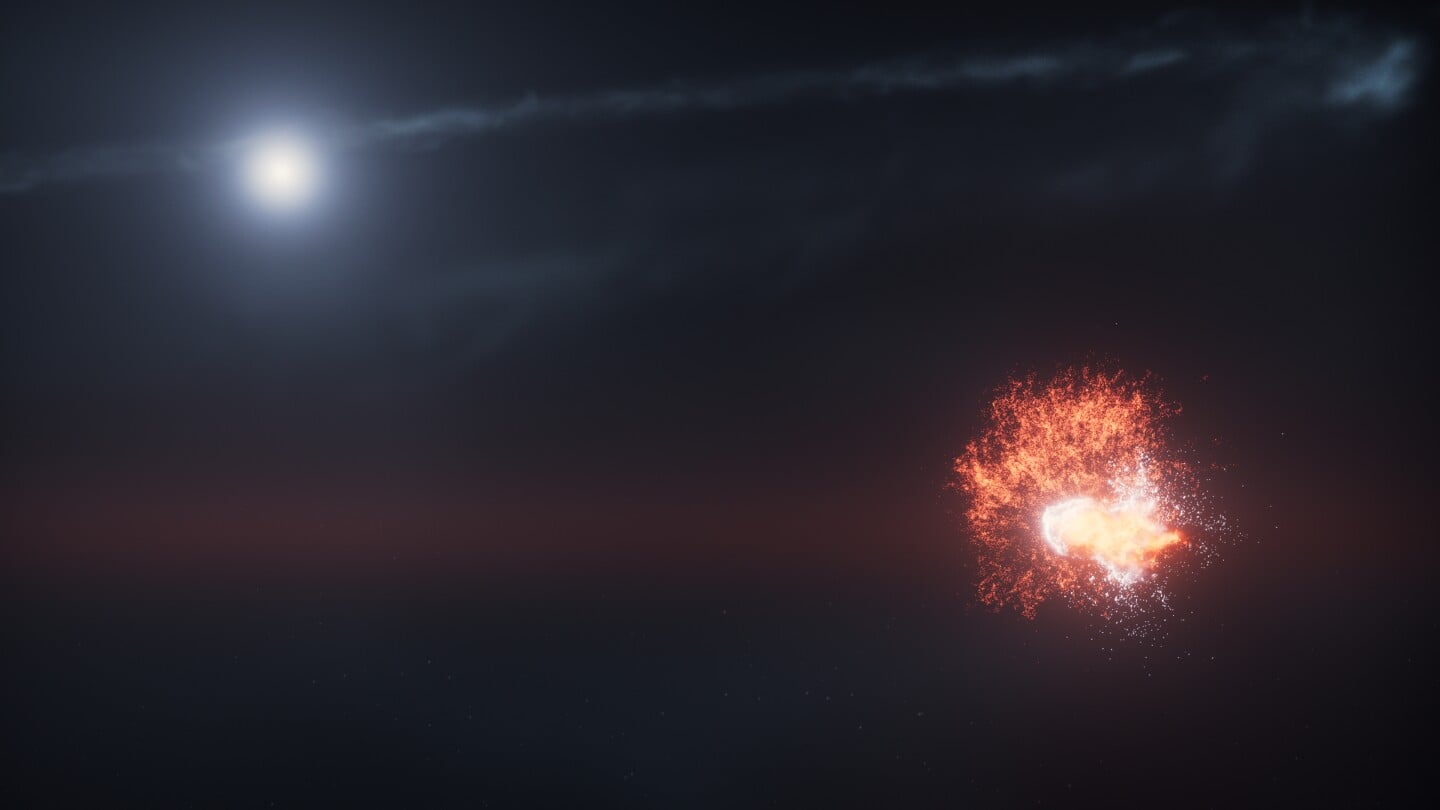
Hubble Captures First Direct Images of Asteroid Collisions Near Earth

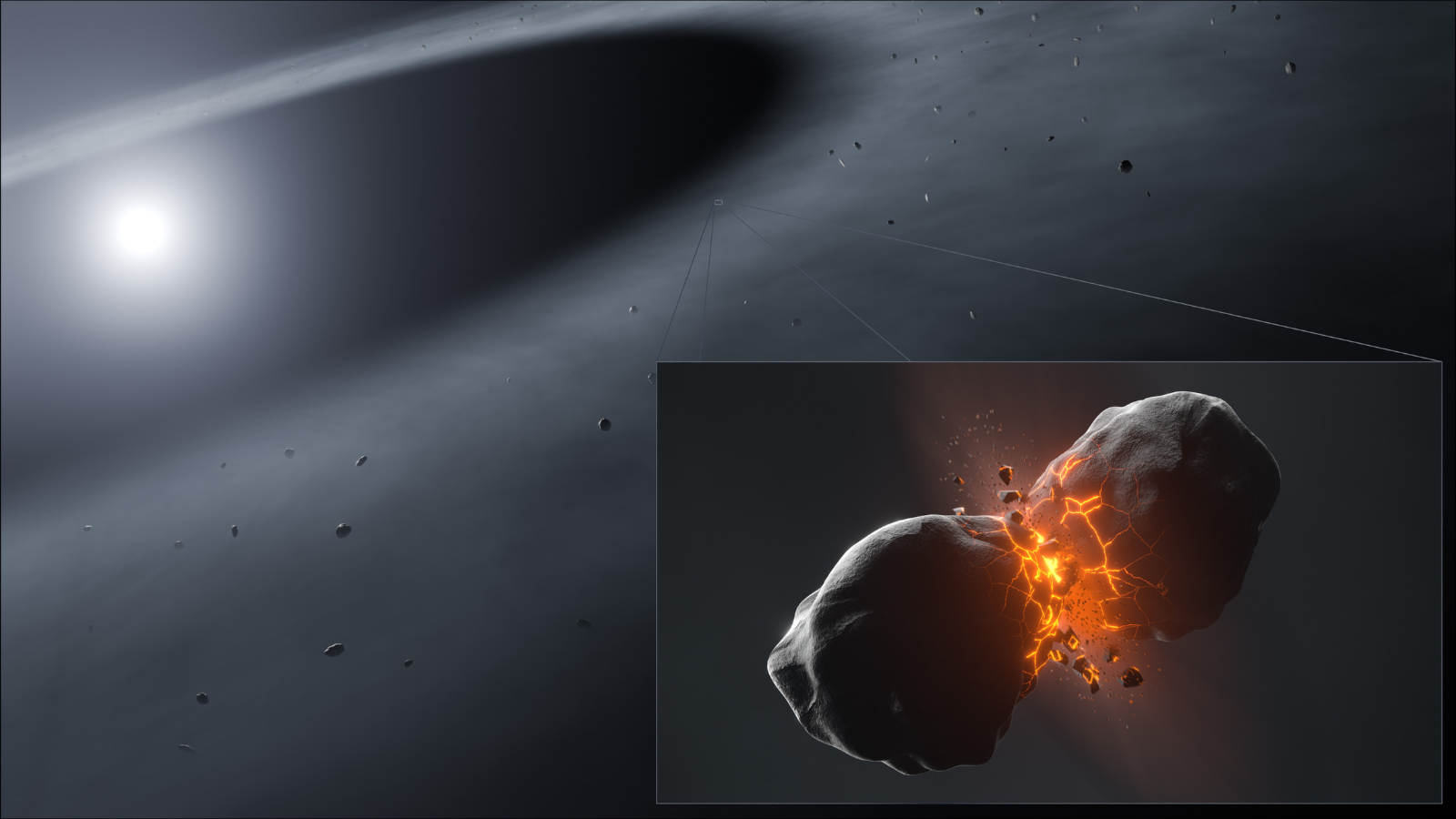
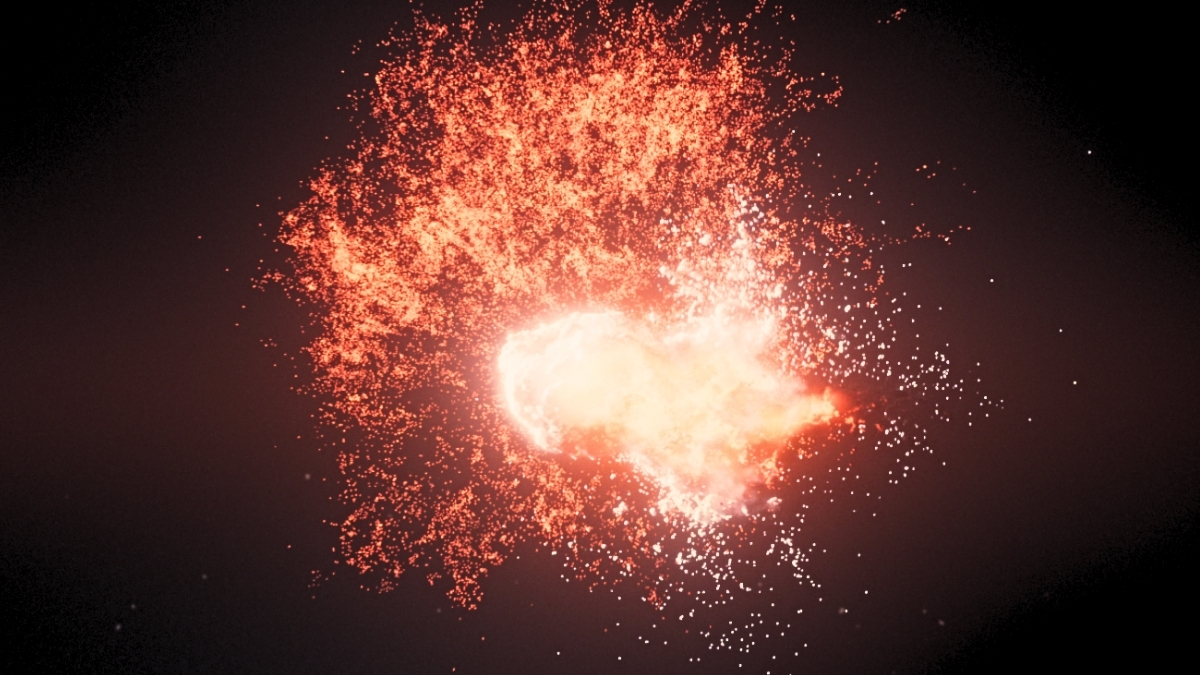
Astronomers observed a rare collision between two asteroids around the star Fomalhaut, providing insights into planet formation processes and highlighting the dynamic and collision-rich environment of this nearby star system. The event also helped distinguish between actual planets and dust clouds, refining methods for exoplanet detection.

science26 days ago

Hubble Captures First Direct Images of Cosmic Collisions in Nearby Star System

Astronomers captured the first direct images of collisions between large objects in a nearby star system, Fomalhaut, providing insights into planet formation and the behavior of planetesimals, with observations suggesting these icy bodies are similar to solar system comets. The study highlights the importance of understanding dust clouds and collisions in young planetary systems to distinguish them from planets.

science26 days ago

Hubble Captures First Direct Images of Asteroid and Protoplanet Collisions Near Earth

NASA's Hubble Space Telescope has captured the first direct images of asteroid collisions in a nearby star system, Fomalhaut, revealing rapid and violent planetary system evolution, with debris clouds that could be mistaken for planets, providing valuable insights into planetary formation and the dynamics of planetesimals.

astronomy2 months ago

Fomalhaut Signals Autumn's Arrival in the Night Sky

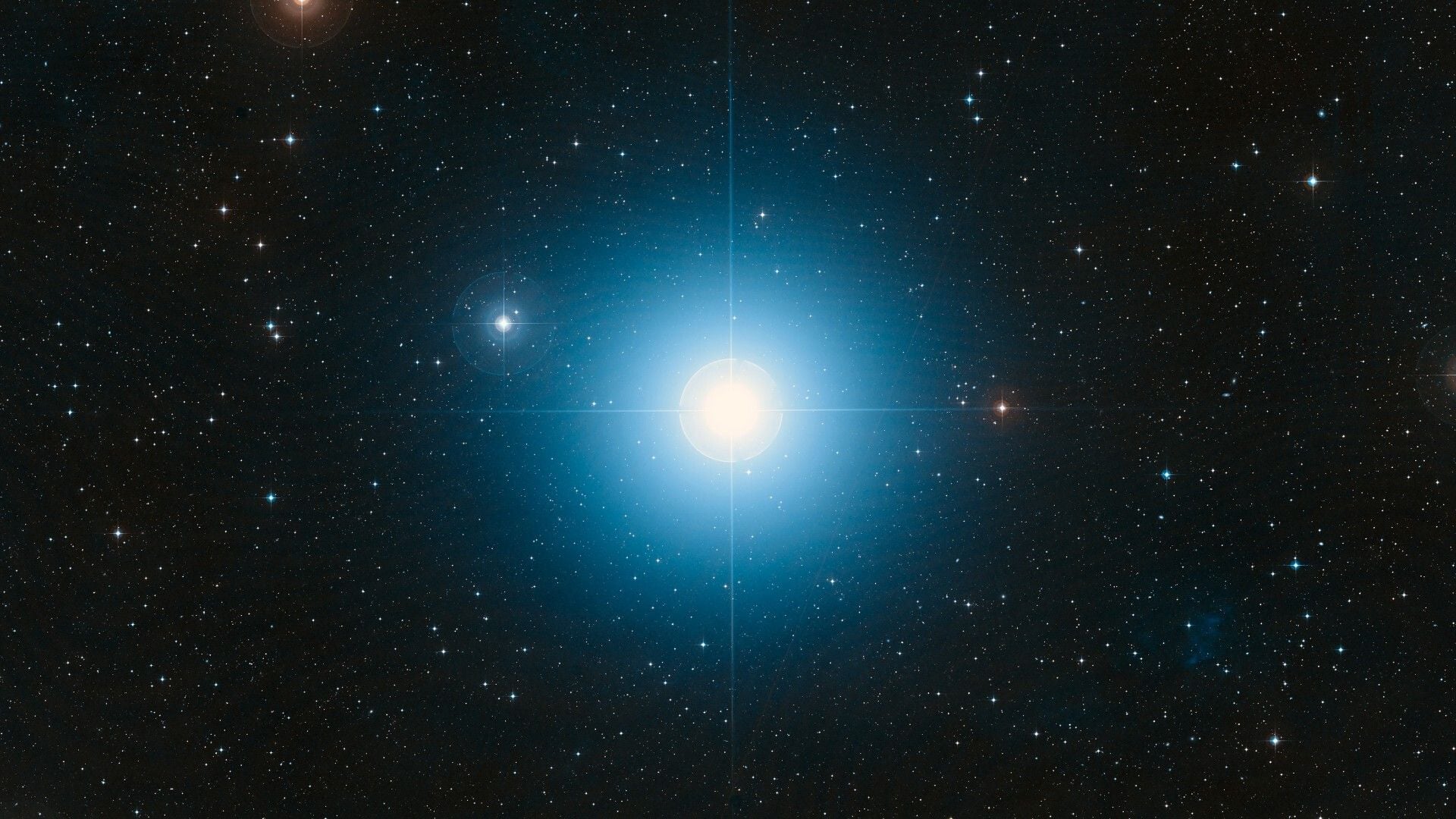
Fomalhaut, known as 'The Solitary One,' marks the arrival of autumn in the night sky, especially visible low in the southeast during October evenings. It is a bright, bluish-white star located in the constellation Piscis Austrinus, about 25 light-years away, and historically significant as one of the 'Royal Stars.' Its prominence and solitude make it a notable celestial marker for the season.

astronomy2 years ago

Reevaluating a Star's Asteroid Belt: Surprising Discoveries Uncovered.

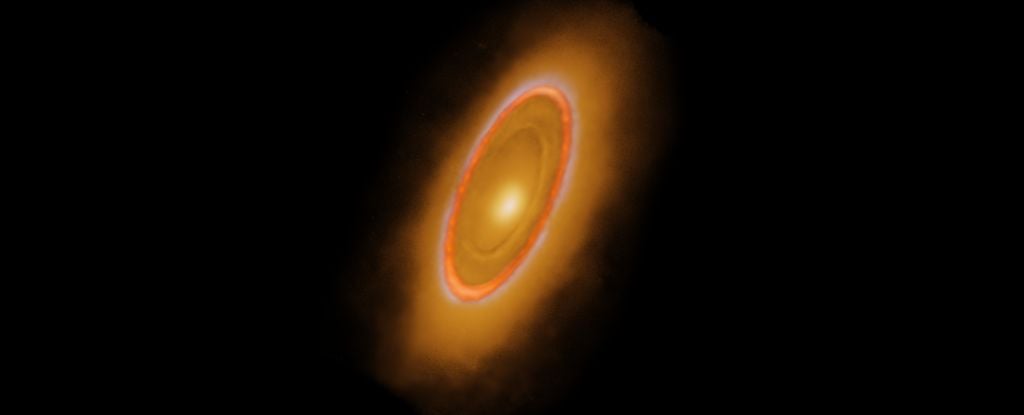
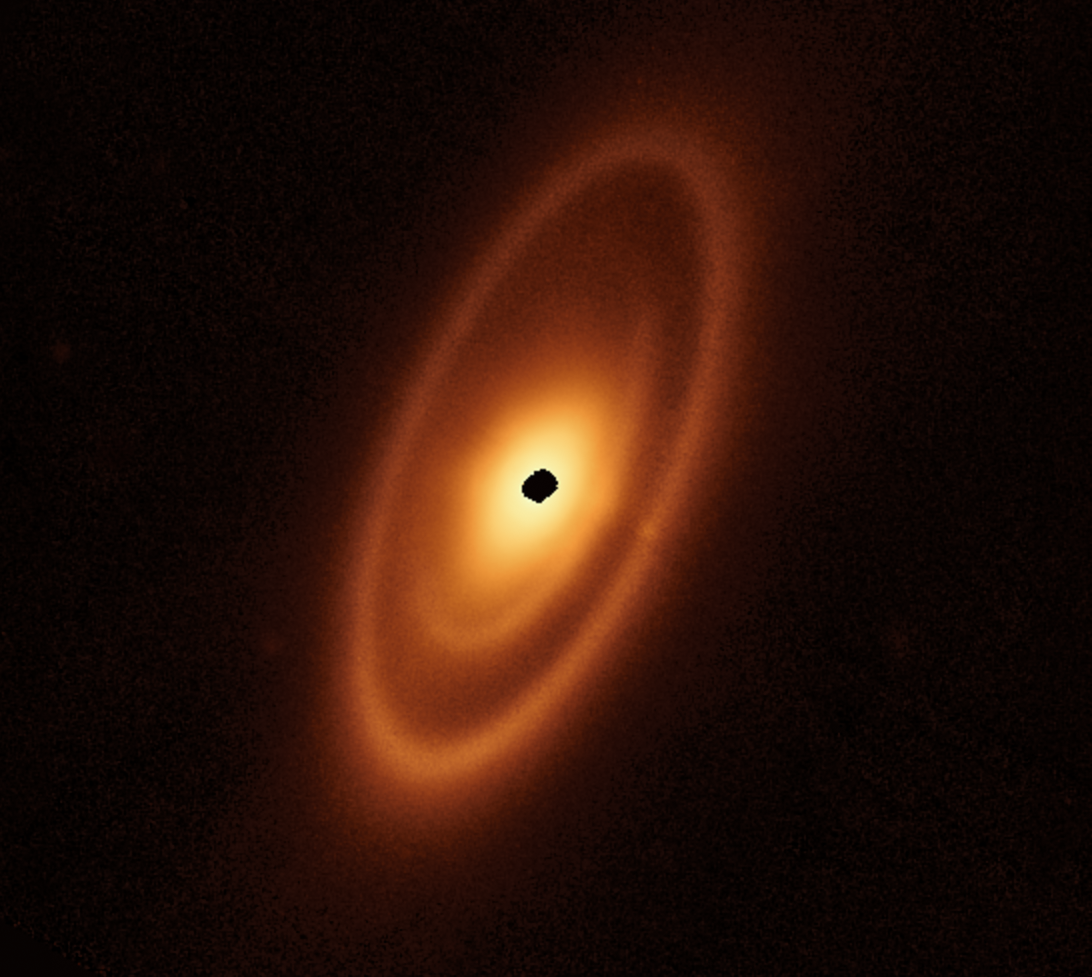
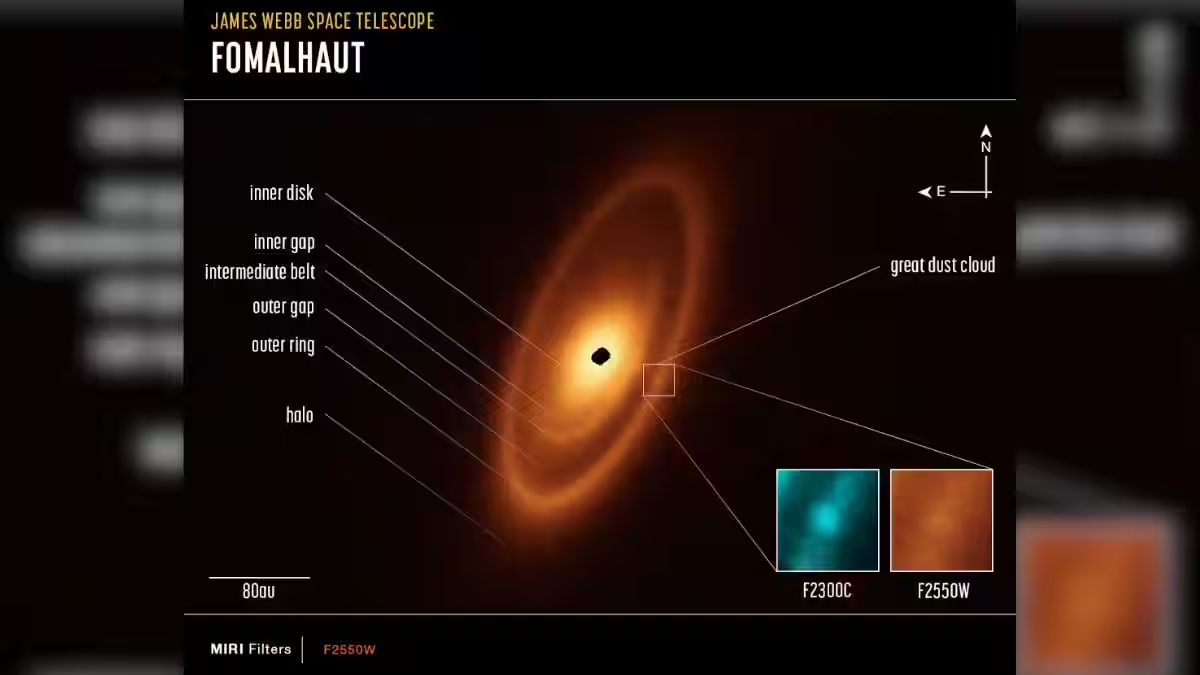
Using the James Webb Space Telescope, astronomers have discovered that the star Fomalhaut, which is home to one of the first asteroid belts discovered outside the Solar System, is actually orbited by a nested series of three concentric belts, extending out to a distance of 150 astronomical units. These debris fields around the young star could help astronomers piece together the processes involved in planetary formation and the dynamics of a young planetary system, leading to a better understanding of how our own Solar System came into being.

astronomy2 years ago

James Webb Telescope Uncovers Surprising Discoveries in Space

The James Webb Space Telescope has directly imaged three dusty disks surrounding a young star called Fomalhaut, including an asteroid belt and two previously undiscovered inner disks. The disks were created from collisions between large bodies of gas, rock, and other cosmic material and serve as places for left-over material from the formation of the star to clump together and potentially form planets or asteroids. Webb's observations allowed scientists to measure the sizes of the disks and compare their characteristics to that of our own asteroid and Kuiper belts. Astronomers believe that the disks were likely carved out by the gravitational forces of planets orbiting Fomalhaut.

astronomy2 years ago

"Webb Telescope Uncovers Secrets of Fomalhaut's Planetary System and Debris Disk"

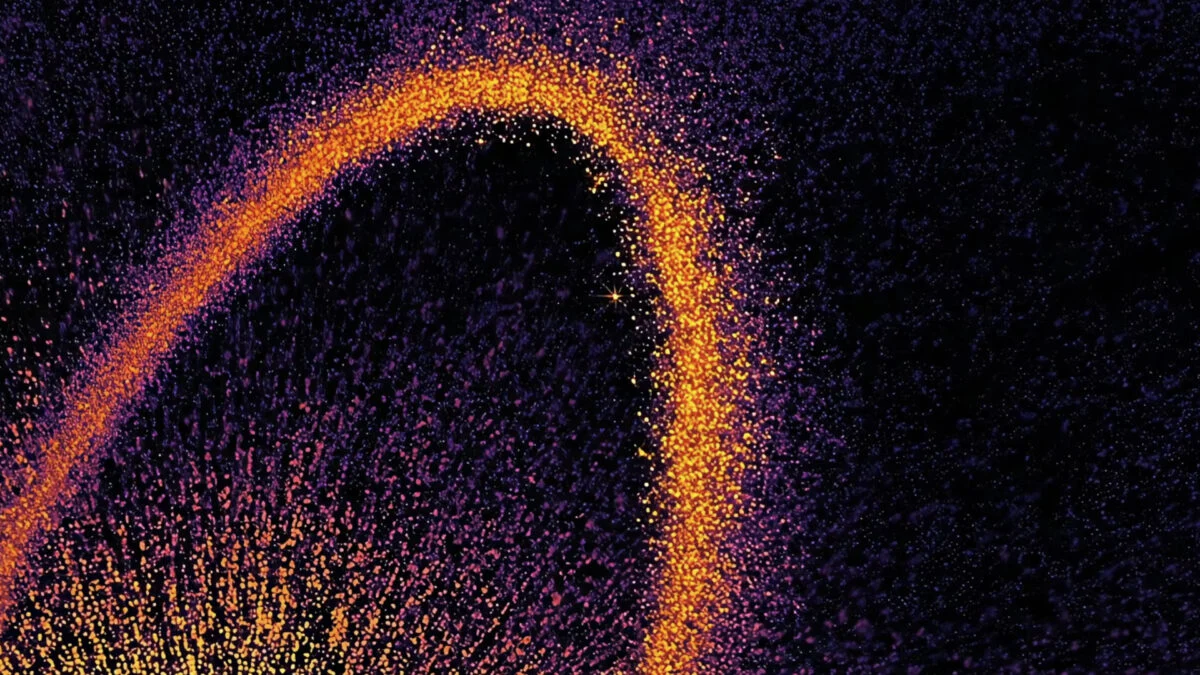
NASA's James Webb Space Telescope captured a sharp infrared image of Fomalhaut's debris disk, revealing details never seen before, including a large dust cloud in the outer ring that is possible evidence for colliding bodies, and an inner dust disk and gap likely shaped and maintained by embedded but unseen planets. The debris belts stretch across a gargantuan amount of space, nearly 14 billion miles (23 billion km) from Fomalhaut. The telescope used its Mid-Infrared Instrument (MIRI) to capture the image.