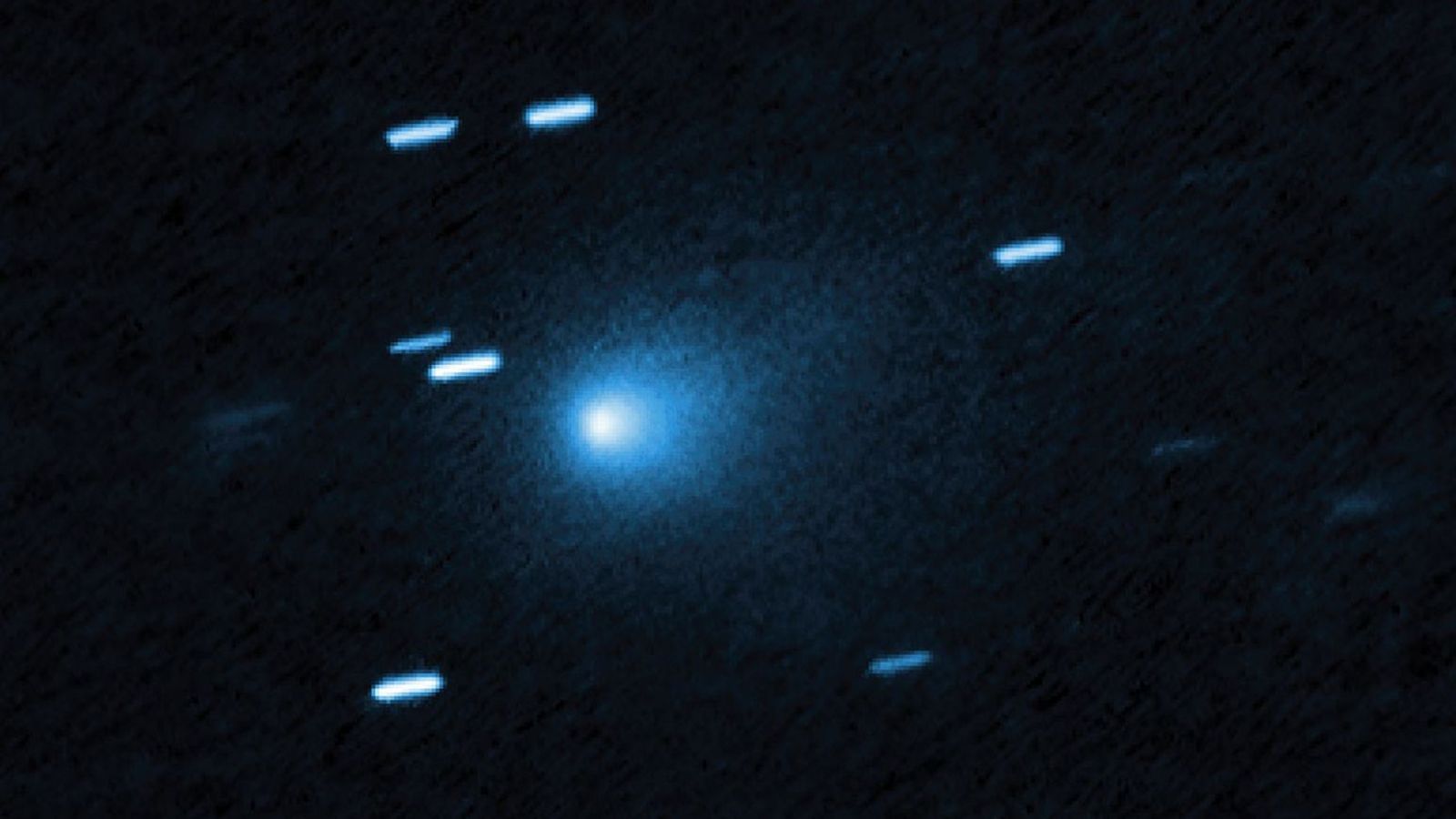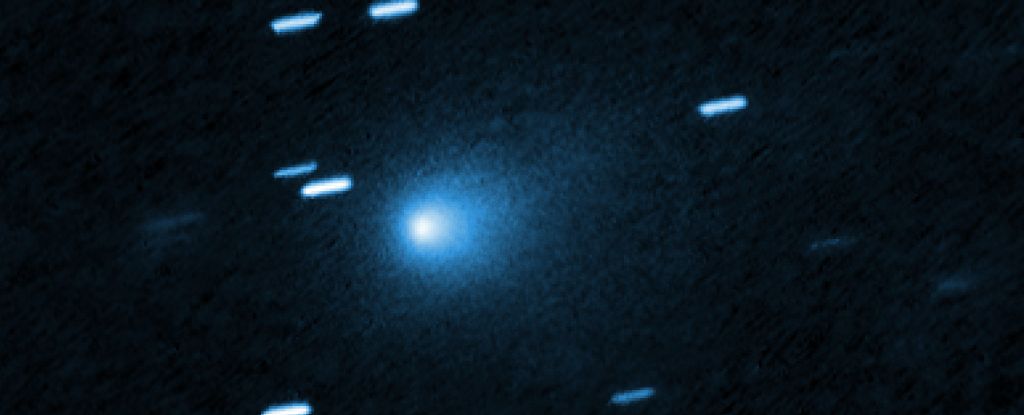
Astronomers using the VLT captured detailed spectra of interstellar comet 3I/ATLAS, detecting atomic nickel and cyanogen gas, revealing its dust-rich composition and unique physical processes, which provide insights into material from other star systems.
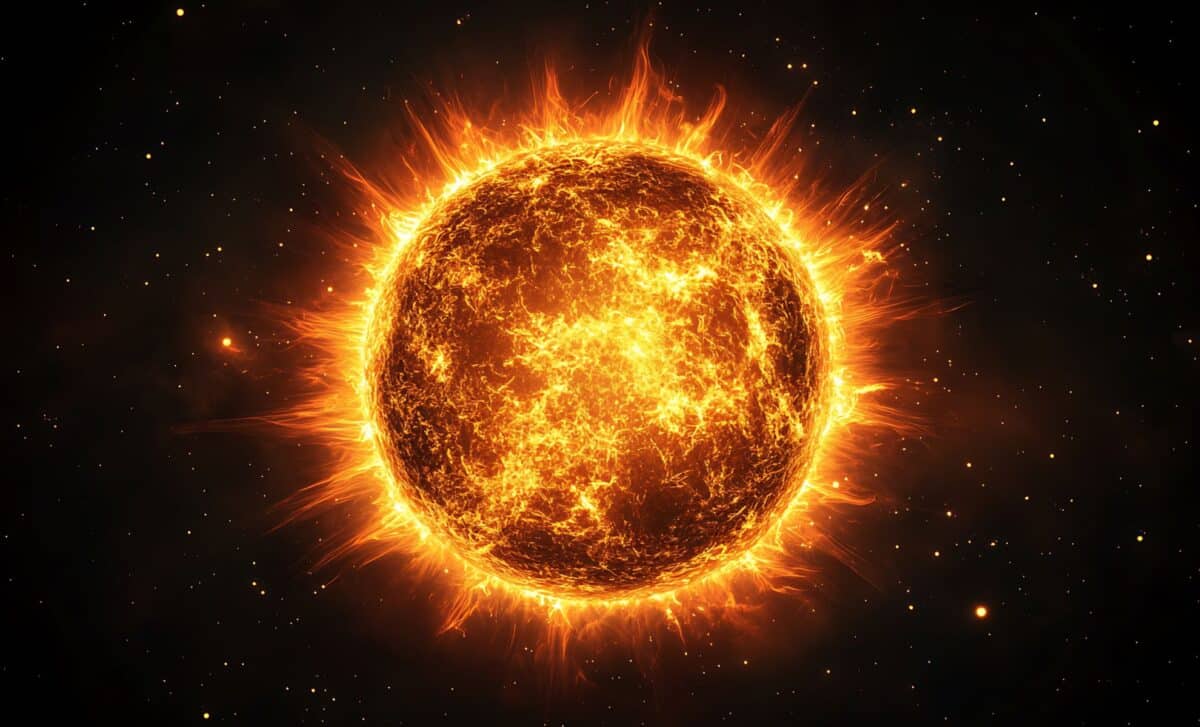
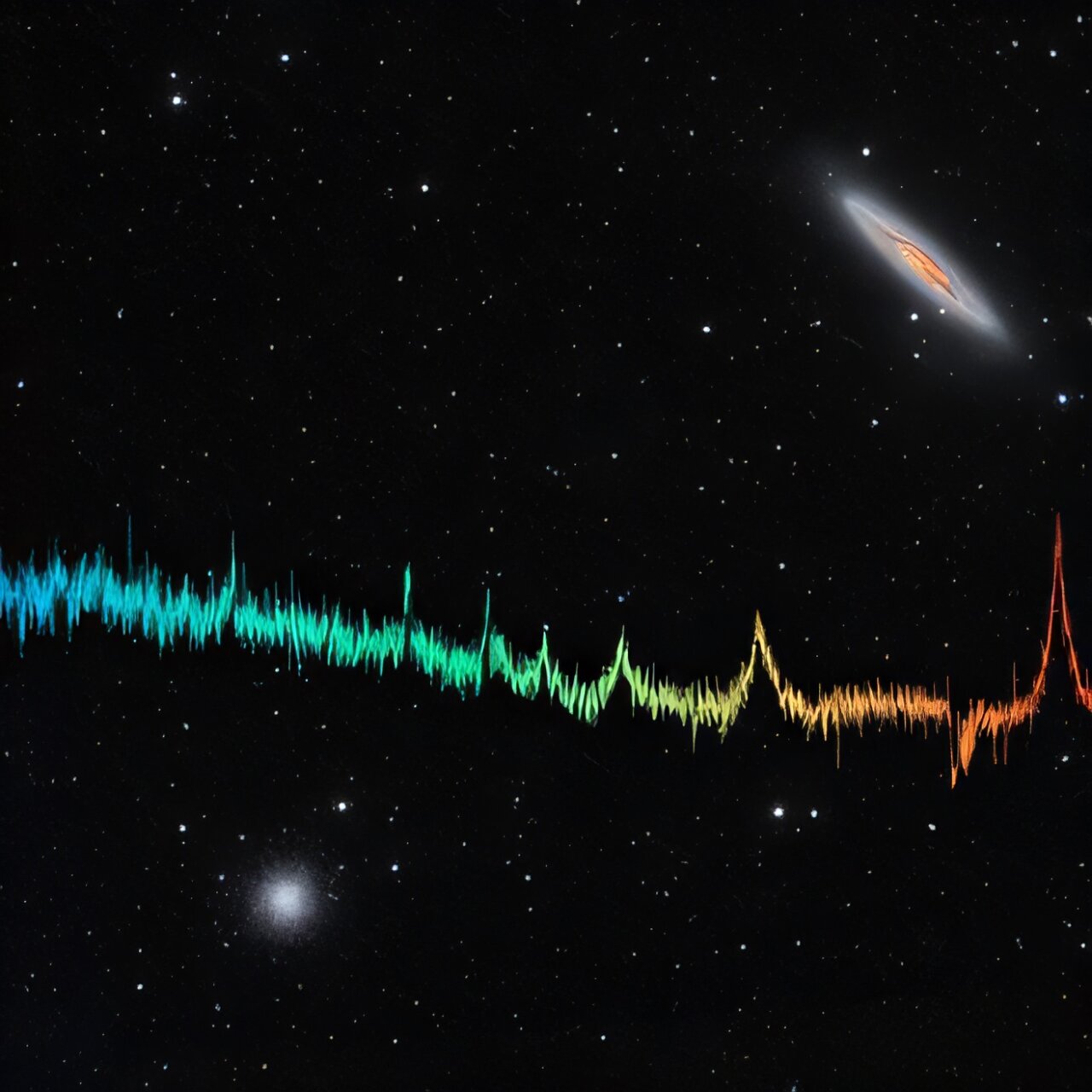
Scientists have discovered hundreds of mysterious missing wavelengths in the Sun's spectrum that remain unexplained despite over 200 years of study, highlighting gaps in current atomic data and the complex, dynamic nature of the Sun's atmosphere.
Interstellar comet 3I/ATLAS may be a primitive carbon-rich object experiencing cryovolcanic activity, similar to outer solar system bodies, based on spectral analysis and comparisons with NASA Antarctic meteorite samples, providing insights into planetary formation and interstellar material.
Scientists used a hyperspectral camera to measure the blue aurora's altitude over Sweden, finding it occurs higher than previously thought—about 124 miles above Earth—due to chemical reactions and ionospheric changes during dawn, providing new insights into upper atmospheric physics.
Astronomers using the VLT detected unexpected nickel vapor in interstellar comet 3I/ATLAS at large distances from the sun, suggesting unique chemical processes and providing insights into the composition of material from another star system, which may differ from typical solar system comets.
The 4MOST telescope at ESO's Paranal Observatory in Chile captured its first light on October 18, 2025, marking a significant milestone. It can simultaneously observe 2,400 objects and analyze their spectra across 18,000 color components, enabling detailed studies of stars, galaxies, and the universe's evolution. Its capabilities will support numerous scientific programs over the next 15 years, including understanding galaxy formation, dark matter, and cosmic history.
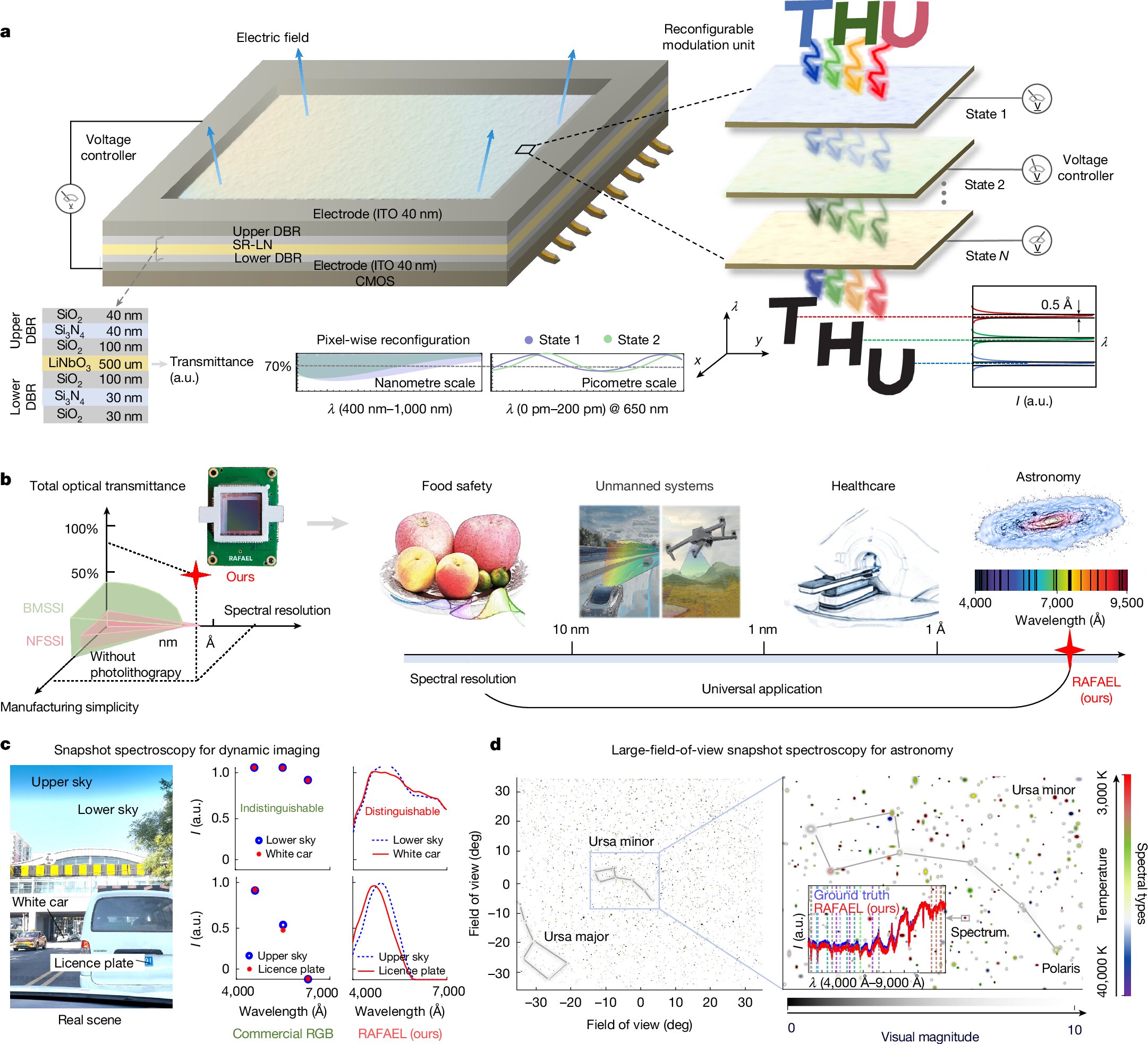
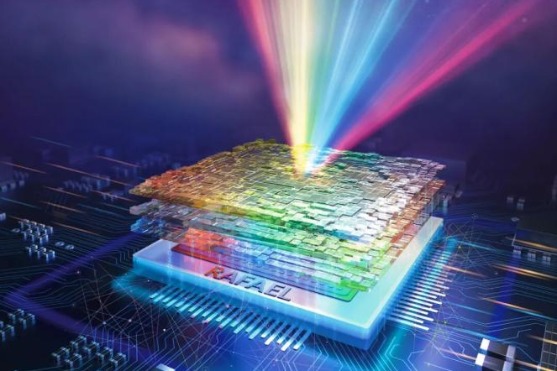
Researchers at Tsinghua University have developed RAFAEL, a tiny, high-efficiency spectroscopic chip that can capture detailed images of space and analyze materials more quickly and accurately than current methods, though it is still in the prototype stage.
A Chinese research team from Tsinghua University has developed RAFAEL, a revolutionary spectroscopic imaging chip that overcomes traditional limitations by providing high-resolution, high-throughput snapshot spectroscopy, enabling more efficient observation of celestial phenomena such as dark matter and black holes.
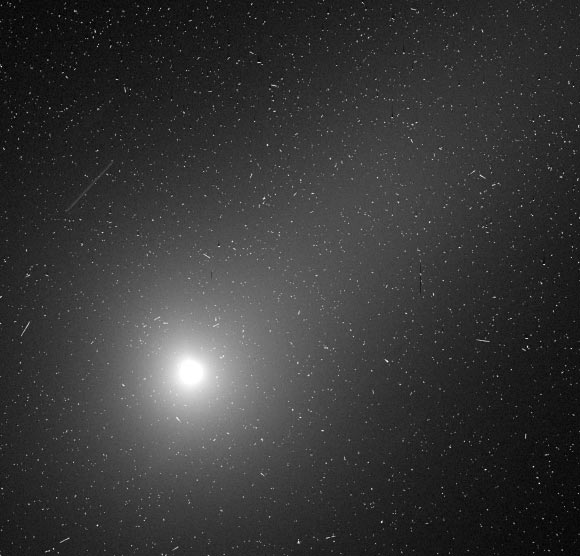
Multiple powerful telescopes including Hubble, TESS, JWST, and SPHEREx have observed interstellar comet 3I/ATLAS, revealing it to be unusually active at a greater distance from the Sun than typical comets and possessing a high proportion of carbon dioxide in its coma, suggesting unique formation conditions or composition. The comet's trajectory and activity provide valuable insights, with further observations expected after perihelion and as it leaves the Solar System.
The Webb Telescope's initial observations of interstellar object 3I/ATLAS reveal a CO2-rich coma with minimal water and dust, suggesting a large, CO2-dominated nucleus around 46 km in diameter, challenging existing models of interstellar objects and their composition.
Astronomers have discovered a new type of supernova, SN2021yfj, providing unprecedented insights into the internal structure of massive stars before explosion, revealing a star stripped down to its core with heavy elements like silicon and sulfur expelled just before the explosion, challenging existing theories of stellar evolution.
Scientists have developed a new protocol using the Gran Telescopio de Canarias to identify supernovae within hours of explosion by analyzing their spectra, which could revolutionize early detection and understanding of these stellar events, especially with upcoming large-scale surveys like the Vera C. Rubin Observatory.
Scientists have discovered the oldest and most distant black hole, formed over 13 billion years ago, which may serve as a portal to the universe's first days, providing insights into early cosmic evolution and black hole formation.
A detailed new image of the Sculptor galaxy, obtained through advanced spectroscopic techniques, provides valuable insights into star formation processes by revealing the distribution of stars, gas, and dust, aiding astronomers in understanding galaxy evolution.
NASA's EMIT satellite, initially launched to map minerals, has been used to detect and monitor massive wastewater pollution off the California coast, providing detailed spectral data that can help identify contaminated areas and improve water quality monitoring. The study highlights EMIT's potential to complement traditional sampling methods and enhance environmental protection efforts.