The article discusses the discovery of a remarkable anti-tail jet in the interstellar object 3I/ATLAS, observed by the Hubble Space Telescope, which challenges conventional understanding of cometary behavior and suggests the need for further scientific investigation into its unusual features and alignment with the Sun.
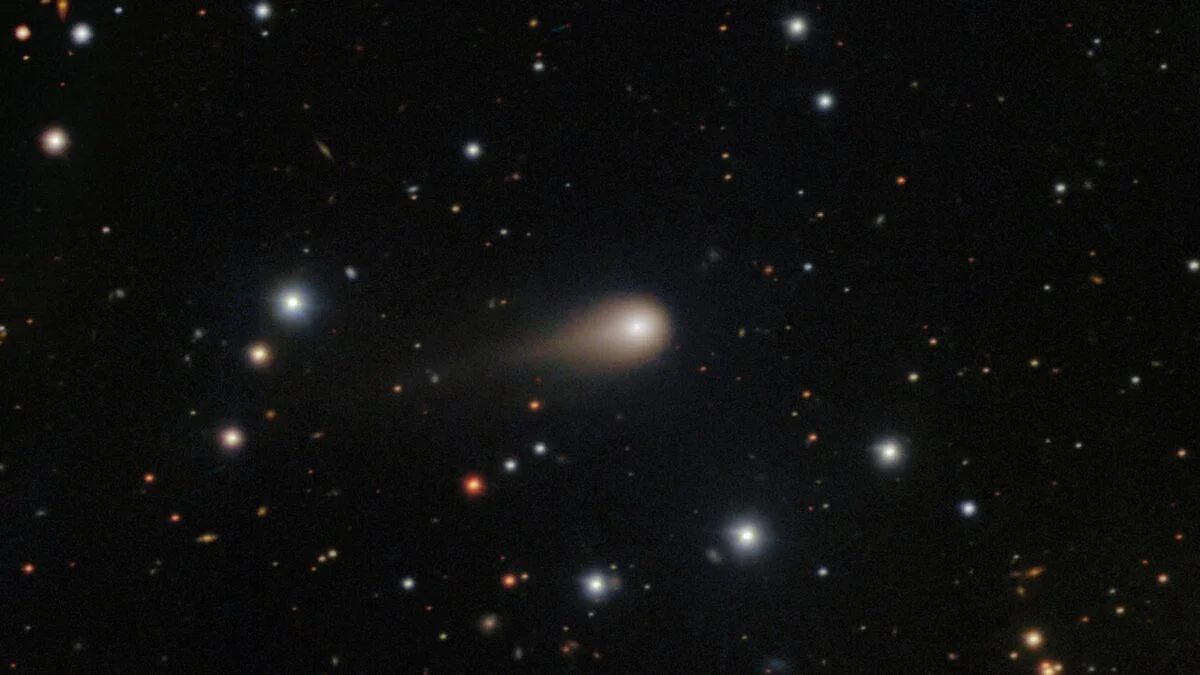
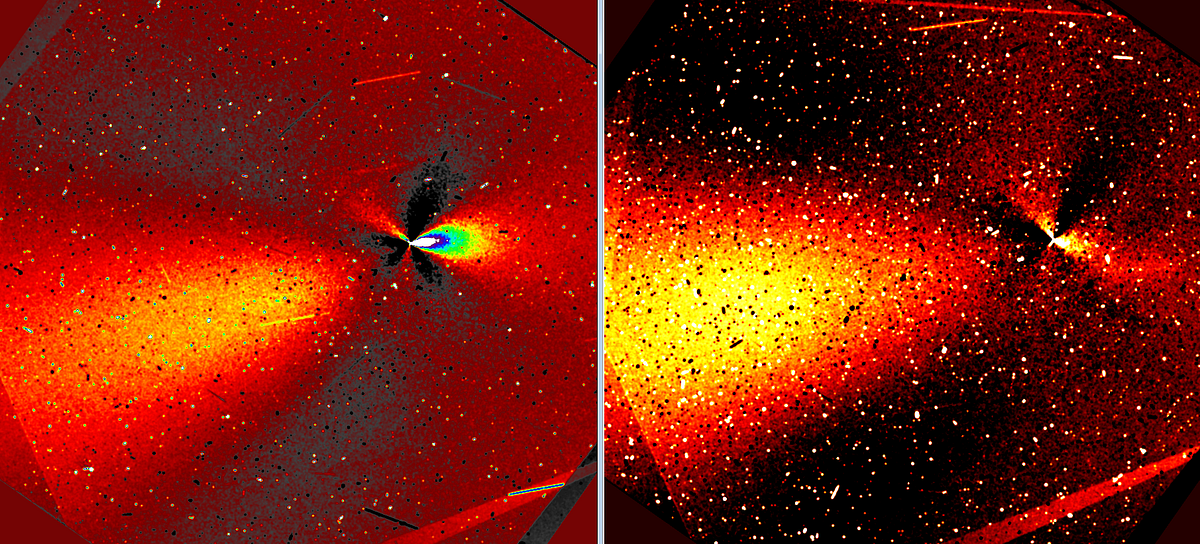
New Hubble data reveals that interstellar object 3I/ATLAS is exhibiting unexpected organized behavior, including a stable anti-tail and emerging jet structures, challenging typical comet explanations and suggesting a more complex system.
Scientists have scanned the interstellar object 3I/ATLAS for alien signals using the Green Bank Telescope but found no evidence of artificial radio emissions, supporting the idea that it is a natural comet. Despite ongoing investigations and some anomalies noted by Avi Loeb, current data suggest 3I/ATLAS is likely a natural icy body rather than an alien probe.
Scientists conducted a technosignature search on interstellar object 3I/ATLAS using the Green Bank Telescope and found no evidence of alien signals, supporting the consensus that it is a natural comet from beyond our solar system, though ongoing studies continue to analyze its unique properties.
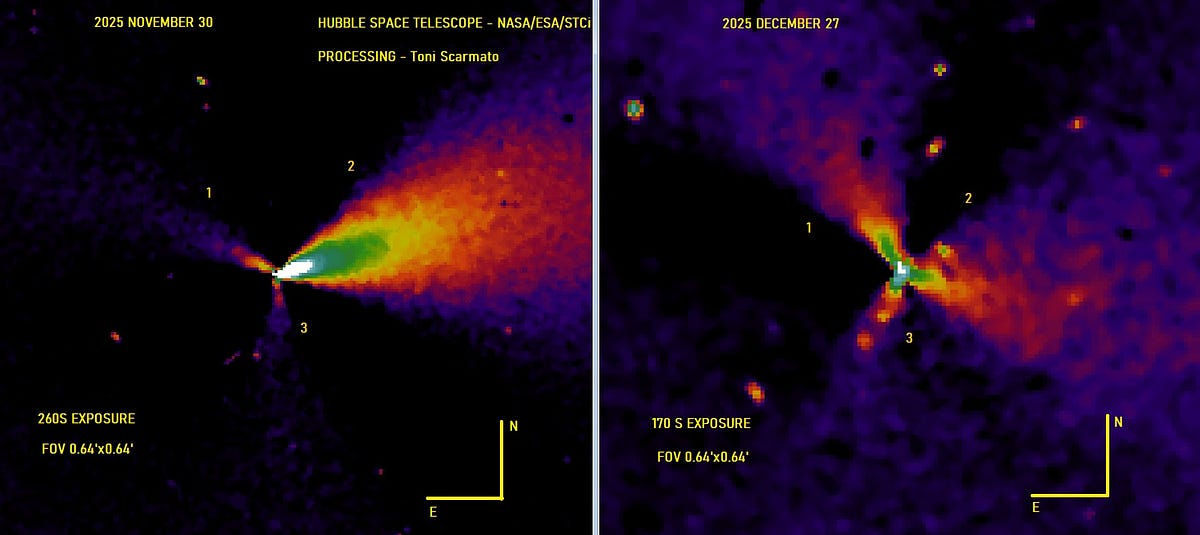
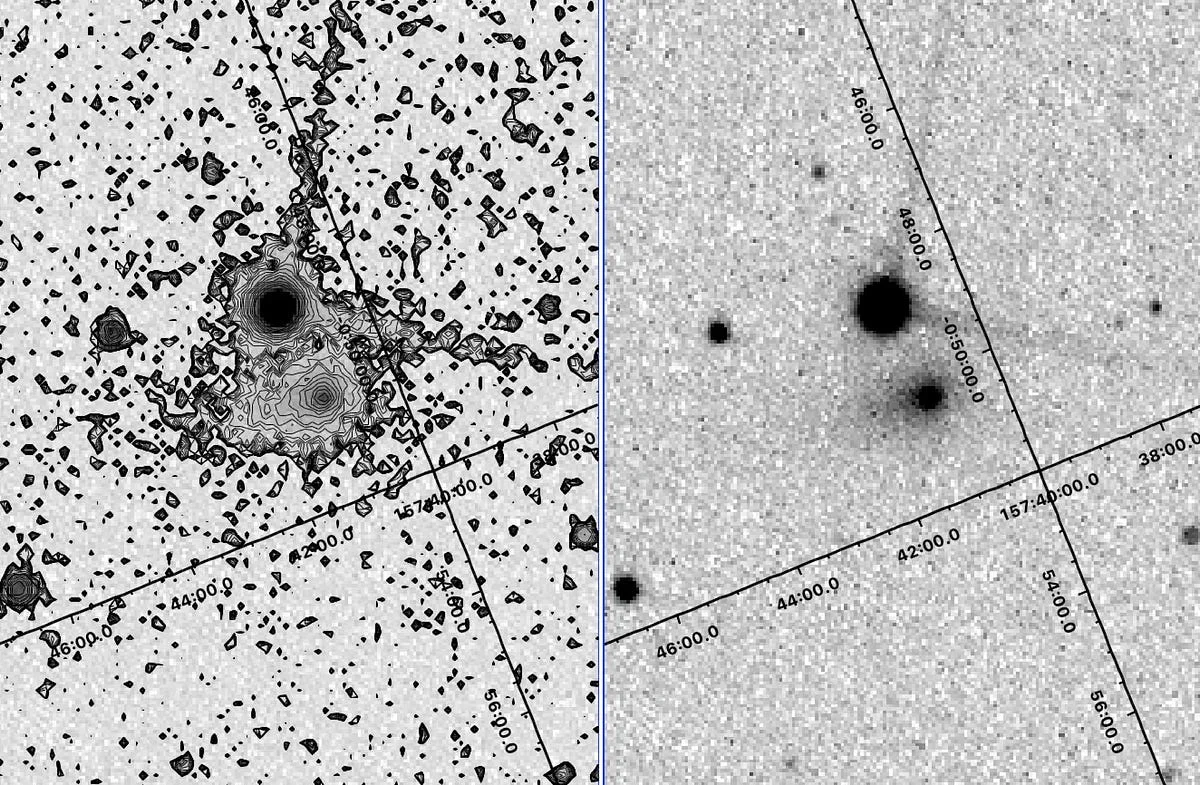
Images from the Hubble Space Telescope reveal a complex, evolving jet structure in the interstellar object 3I/ATLAS, including a prominent anti-tail jet aligned with the Sun and three other jets with a symmetric angular arrangement, raising questions about their natural or technological origins.
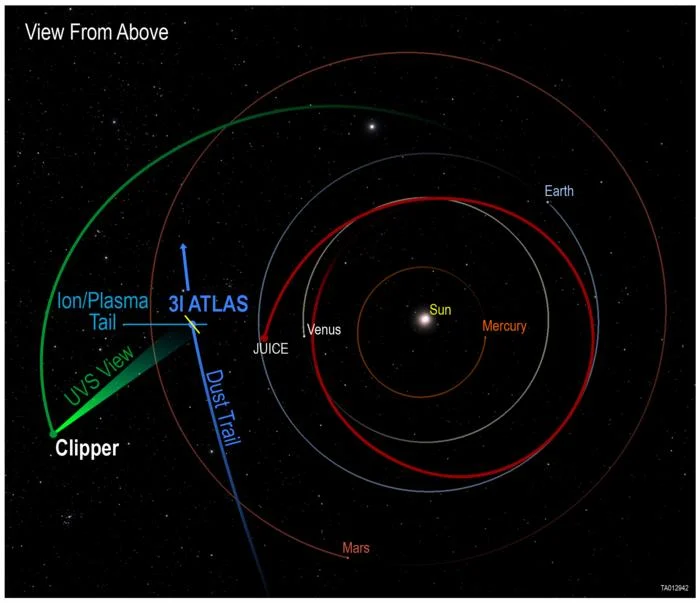
NASA's Europa Clipper spacecraft, during its journey to Jupiter, observed interstellar comet 3I/ATLAS from a unique vantage point, capturing detailed images of its tails and gaining insights into its composition and behavior as it passes close to the Sun, with additional observations from ESA's JUICE spacecraft enhancing the data.
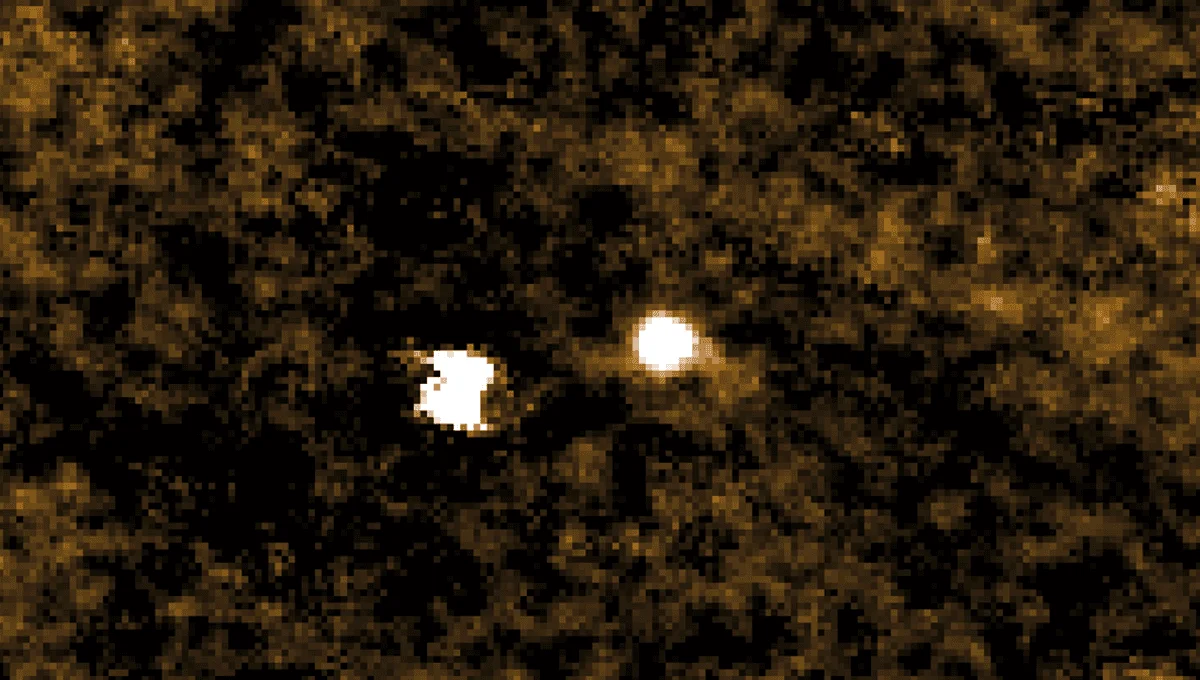
Hubble images from December 2025 reveal that the interstellar object 3I/ATLAS is emitting two stable, narrow jets in different directions, challenging simple explanations and suggesting complex internal activity or delayed heating effects as it exits the solar system, raising questions about its rotation, structure, and behavior beyond typical comet models.
New Hubble images of interstellar object 3I/ATLAS reveal a double-jet structure with varying brightness, suggesting possible rotational wobble or source variability, and providing insights into its activity post-perihelion and the nature of its jets.
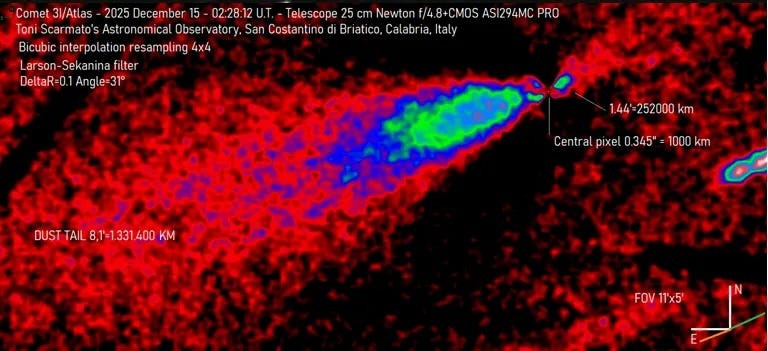
The article discusses the dust veil surrounding the interstellar object 3I/ATLAS, suggesting it may be either a natural comet with a nucleus larger than 2 km or an artificial object with a smaller nucleus, and explores the implications of its dust and gas properties, including the possibility of artificial origin.,
Recent observations of interstellar object 3I/ATLAS reveal unexpected behaviors that challenge current models, highlighting the need for cautious reassessment of planetary defense strategies ahead of Apophis's close Earth flyby in 2029, as its behavior could be more unpredictable than previously thought.
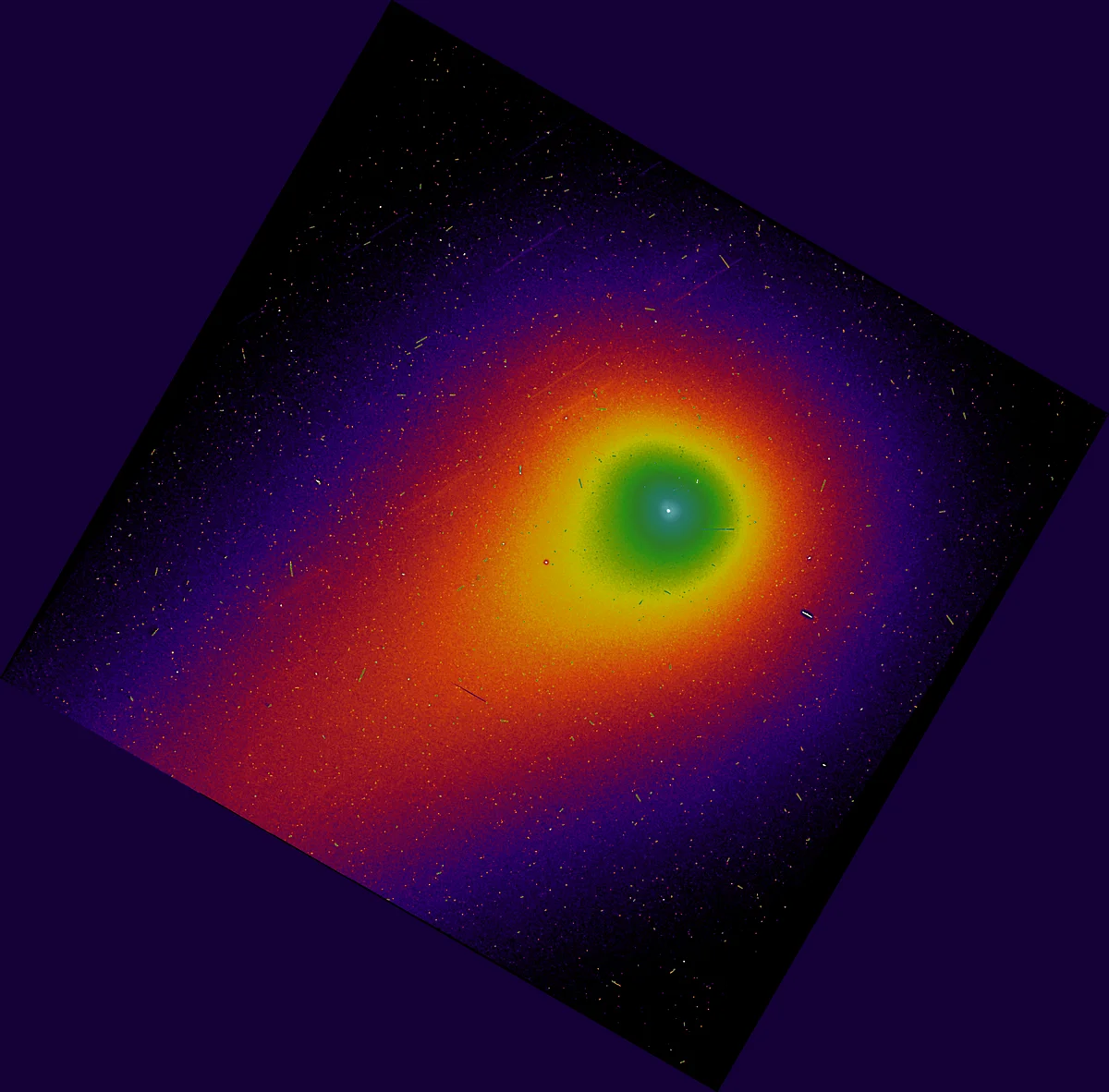
Recent observations of interstellar object 3I/ATLAS reveal a sunward jet with particles larger than typical dust, suggesting the presence of bigger particles than those usually found in comets, which explains the jet's unusual length and collimation.
Scientists' recent radio observations of interstellar object 3I/ATLAS found no signals, while updated measurements reveal it is larger than previously thought and exhibits unusual non-gravitational motion, raising questions about its nature and activity, but no definitive conclusions have been reached.
During its closest approach to Earth, the interstellar comet 3I/ATLAS was observed by the Breakthrough Listen project for signs of alien technosignatures, but no credible signals were detected. Simultaneously, another team estimated the comet's size to be around 1 km based on its non-gravitational acceleration, confirming its natural cometary nature. The efforts highlight ongoing searches for extraterrestrial signals and detailed studies of interstellar objects.
Recent studies of 3I/ATLAS using radio telescopes and other data suggest its nucleus is about 1 kilometer in diameter, with no significant radio signals detected, and provide insights into its non-gravitational acceleration and mass loss, highlighting ongoing efforts to understand this interstellar object.
The article discusses the likelihood of material shed by the interstellar object 3I/ATLAS reaching Earth, concluding that due to solar wind and radiation pressure, any large particles or objects are unlikely to pose a threat or reach the ground, with the risk of impact being negligible.