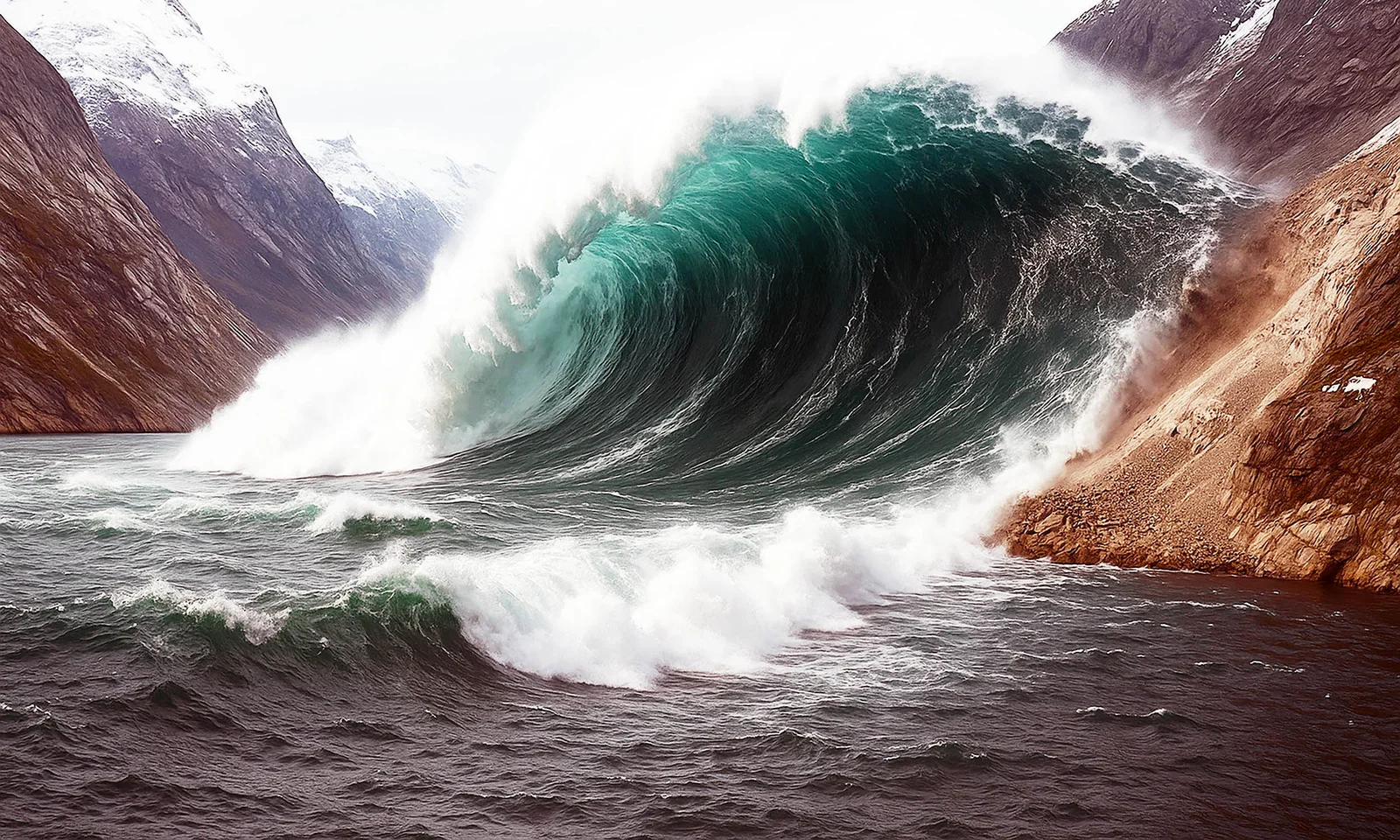
A September 2023 landslide in Greenland’s Dickson Fjord unleashed a 650-foot mega-tsunami that produced a nine‑day, worldwide seismic pulse detected across oceans; satellite data and models linked the event to fjord geometry and ice loss, highlighting how next‑gen satellites like SWOT can improve Arctic warning systems.
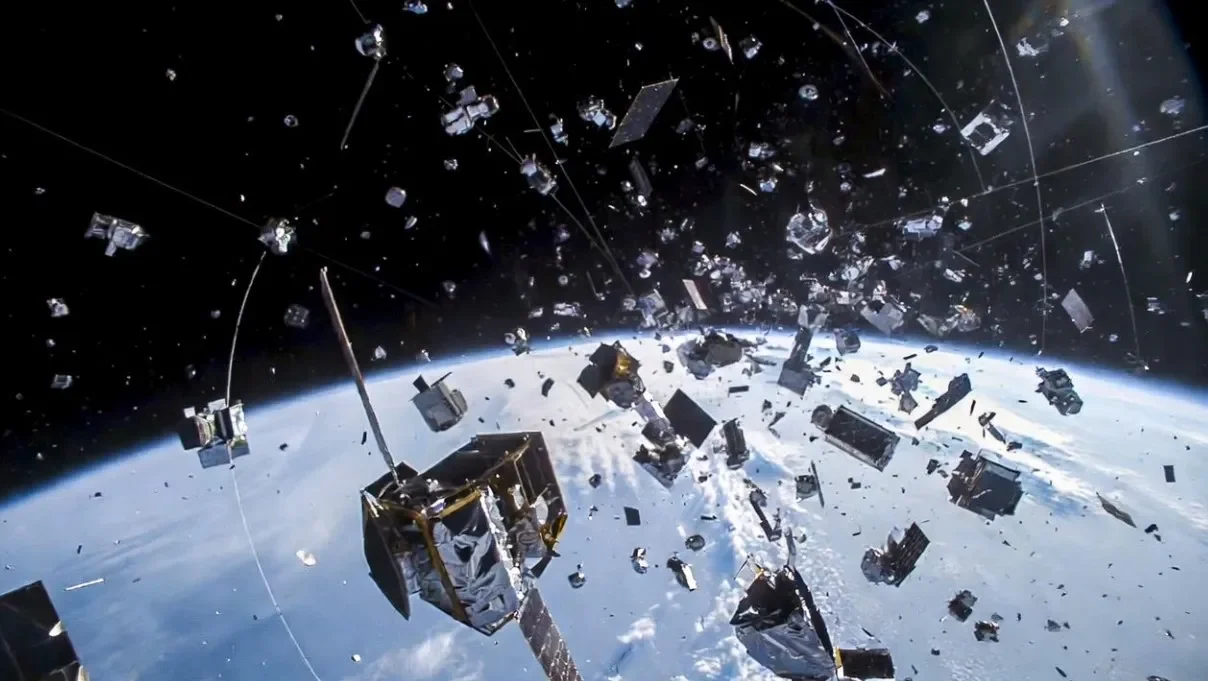
SpaceX has asked for permission to launch up to one million satellites to provide global internet, but researchers warn that an already crowded orbit could become messier as climate-change–driven changes in the upper atmosphere cause space debris to linger longer; by century’s end, only about half as many satellites may safely fit in orbit, even as SpaceX accounts for roughly two-thirds of all satellites launched to date (about 15,000).
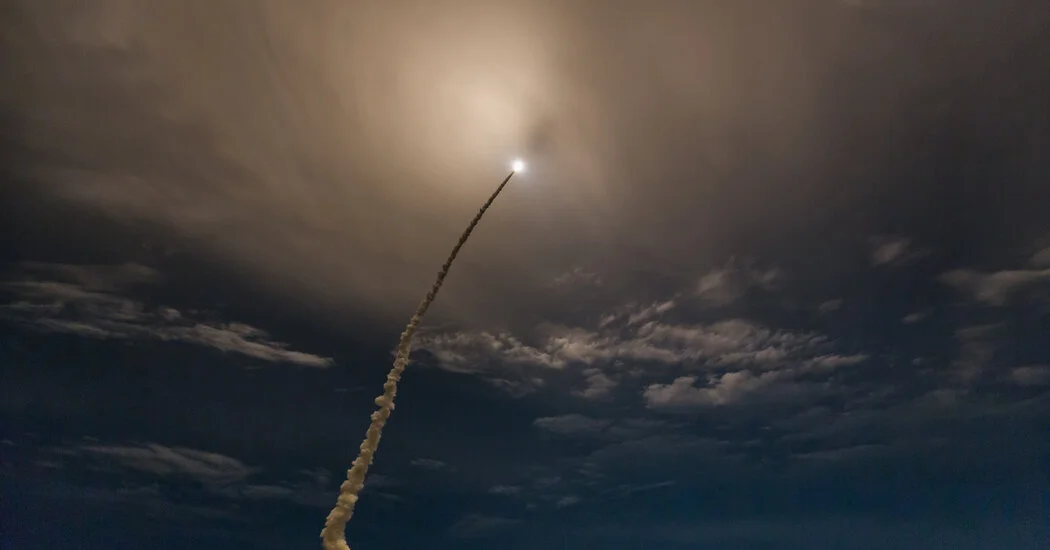
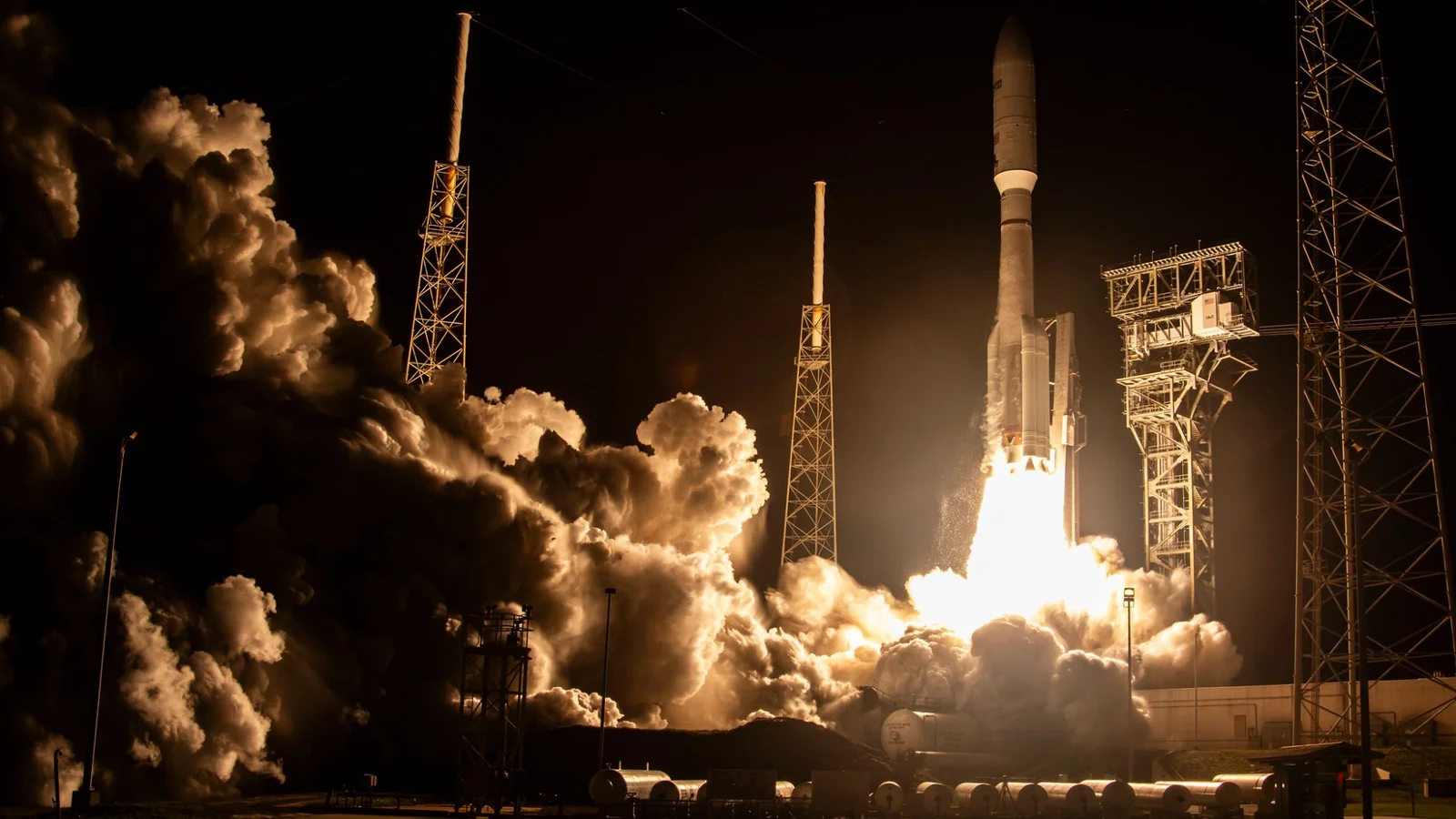
SpaceX launched a twilight Falcon 9 from Cape Canaveral, deploying 29 Starlink satellites (Starlink 6-110) into low Earth orbit; the first stage then landed on the drone ship Just Read the Instructions.
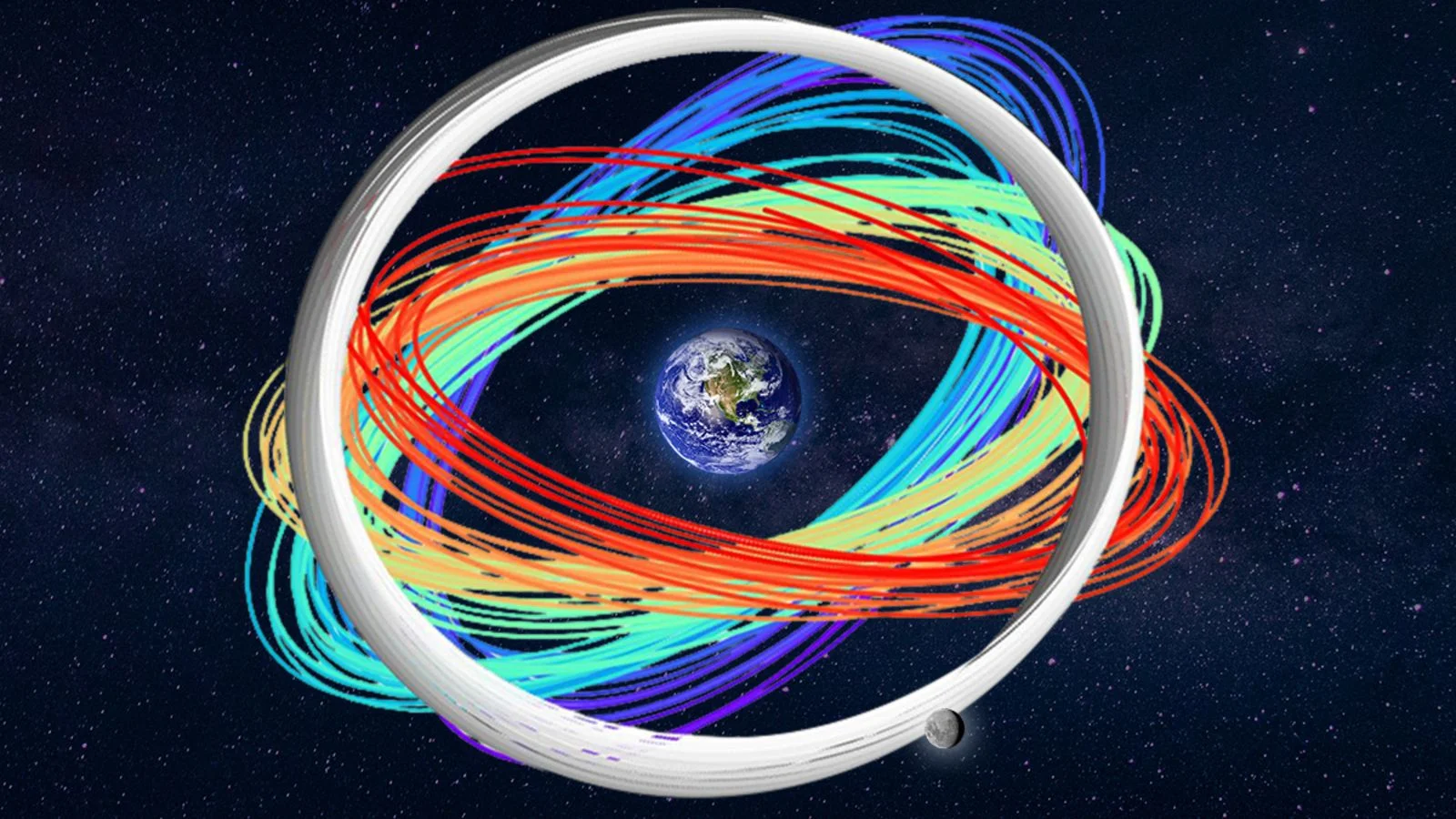
Lawrence Livermore National Laboratory scientists used two supercomputers to simulate about 1 million trajectories of cislunar satellites between Earth and the Moon. While roughly 54% remained stable for at least a year, only about 9.7% stayed stable over a six-year span — amounting to around 97,000 stable orbits. The results, published in 2025 in Research Notes of the AAS and shared on arXiv, underscore the complexity of predicting cislunar dynamics due to the Moon’s and Earth’s gravitational influences and solar effects, but the data are open for future research on space infrastructure and orbit selection.,
SpaceX launched the Starlink 6-103 mission from Cape Canaveral before dawn on President’s Day, deploying 29 Starlink satellites into low Earth orbit with a Falcon 9 booster that landed on a droneship; weather concerns were monitored but did not prevent liftoff. It marks SpaceX’s 14th Starlink launch this year, expanding the constellation to about 9,600 satellites, and logging the 142nd drone-ship landing and the 572nd booster landing to date.
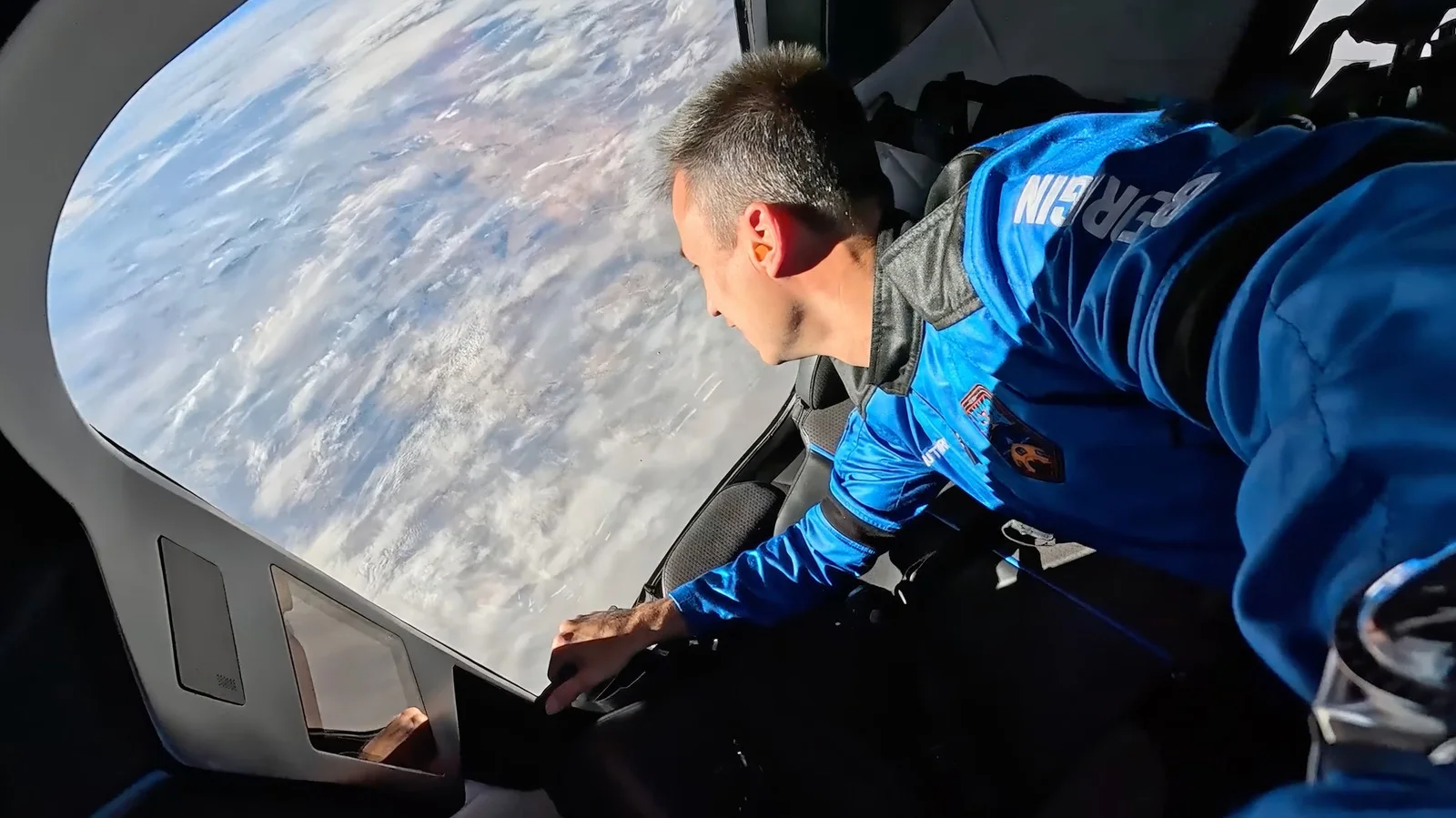
Blue Origin says it will pause New Shepard flights for at least two years to accelerate lunar capabilities and shift resources toward orbital launches and satellite networks, leveraging the larger New Glenn rocket for payloads and satellites. The move positions the company as a stronger rival to SpaceX, with NASA's Artemis program and future lunar lander contracts in play, while expanding its Leo Kuiper constellation and a new Terawave network aimed at enterprise and government customers, signaling a broader pivot beyond tourist spaceflight.
Elon Musk is merging SpaceX with X AI to create a vast, IPO-bound tech group spanning rockets, AI compute and a plan for space-based data centers via a constellation of satellites; analysts see potential synergies and a major valuation lift driven by SpaceX, but the space-based compute concept remains speculative and would require years, regulatory approvals and a broader Musk consolidation narrative (including Tesla).
European officials say a Russian spy spacecraft intercepted Europe’s key satellites, highlighting concerns over the security of space assets and potential intelligence activity in space.
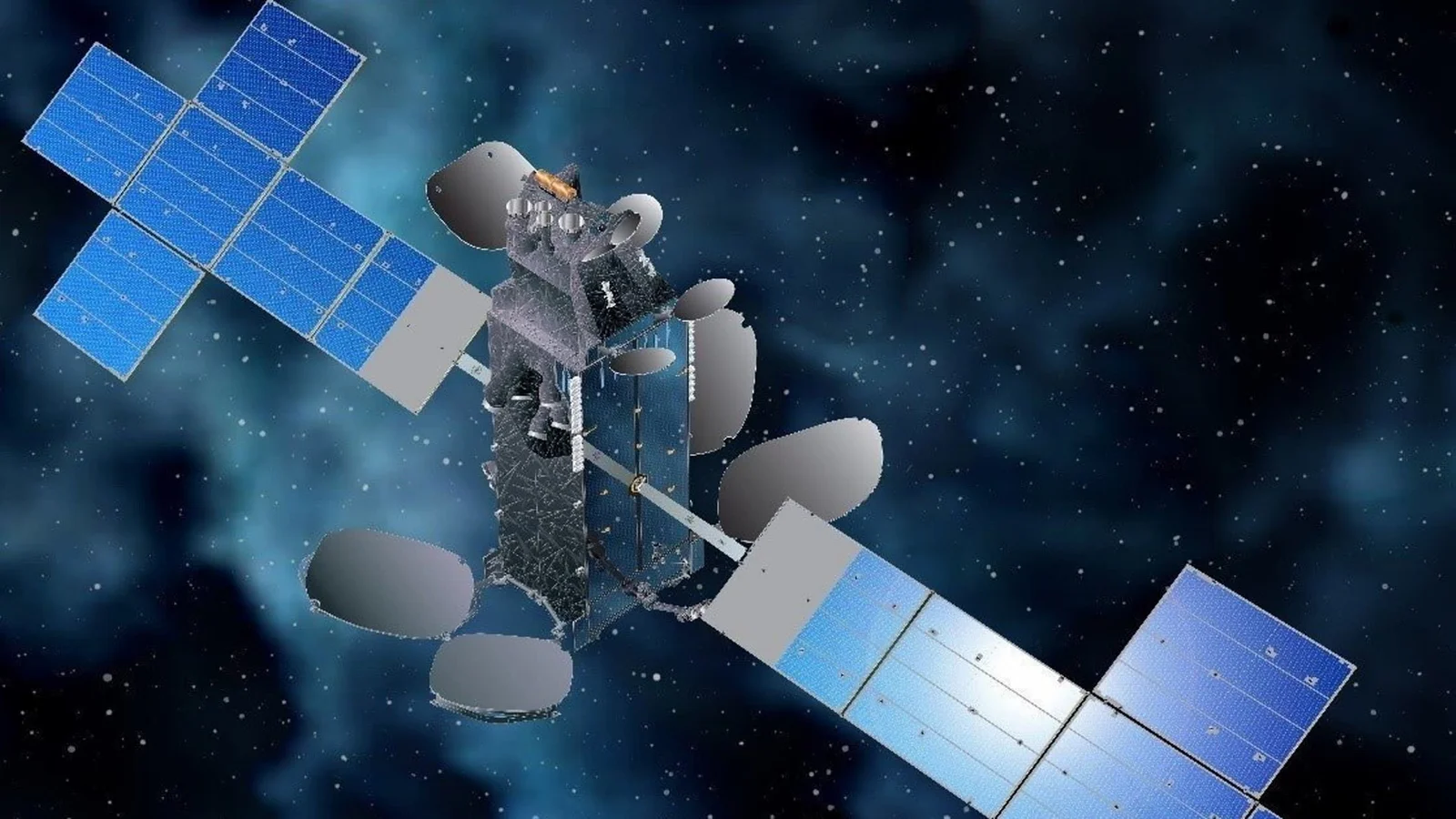
SpaceX has filed with the FCC to deploy a constellation of up to 1 million solar-powered data-center satellites in low Earth orbit, linked by lasers and intended to power AI workloads. SpaceX frames the project as cheaper and more environmentally friendly than land-based data centers, but the plan would greatly increase orbital debris and collision risk, sparking regulatory and scientific concerns even as the company uses large-satellite numbers as a negotiation starting point. The piece notes the project’s sci‑fi framing (Kardashev II) and includes a correction about the current number of active Starlink satellites.
SpaceX has filed with the FCC to launch up to one million solar-powered satellites in low-Earth orbit to create 'orbital data centres' that would provide AI computing power for billions of users, claiming a greener alternative to terrestrial data centres, though the plan risks increased space congestion and debris.
SpaceX filed with the FCC to deploy up to one million satellites forming orbital data centers for large-scale AI compute, operating in 500–2,000 km orbits and using laser links to Starlink; the plan could be funded by an upcoming IPO and is expected to face regulatory scrutiny.
A report claims SpaceX’s Starlink constellation was cut by about 4,400 satellites and its orbit lowered by roughly 70 km after a near collision with Chinese satellites, signaling a strategic retreat in response to a tense space environment.
A study posted to arXiv analyzed about 2,000 observations of Amazon's Leo internet satellites and found they are bright enough to interfere with astronomical research, though not visible to the naked eye on average (avg magnitude ~6.28). About a quarter of observations showed brightness that could be seen without a telescope, exceeding the International Astronomical Union's recommended brightness limit for coexistence with astronomy. The satellites orbit ~630 km up, with future Amazon Leo deployments planned around 590 km, which could increase brightness. The research highlights potential impacts on ground- and space-based observatories and notes that Amazon has been engaging with astronomers to reduce brightness (e.g., reflective undersides, orientation). SpaceX's Starlink is discussed as another, brighter network, but similar mitigation efforts are underway.
Kyoto University researchers are building satellites encased in magnolia wood to cut costs and pollution, with the LignoSat prototype launching from the ISS in 2024 to test wood’s resilience in space; though its communications ultimately failed, the project marks a promising move toward timber-based space hardware.
New analysis warns that solar storms could trigger a rapid, near-term collapse of Earth’s LEO satellite mega-constellations if command-and-control for avoidance is lost. The study introduces the CRASH Clock, estimating a catastrophic collision could occur in about 2.8 days as of mid-2025 (versus 121 days in 2018), and a 24-hour outage carries roughly a 30% chance of seeding long-term debris cascades. Solar storms heat the atmosphere, increasing drag and degrading orbit predictions while possibly disabling satellite navigation and communications, leaving many satellites unable to dodge each other. Authored by Sarah Thiele and colleagues and posted on arXiv, the work argues for real-time tracking and control to prevent a “house of cards” collapse of space infrastructure, a risk underscored by the 2024 Gannon storm and the historic Carrington Event.