Tag

Planet Formation

All articles tagged with #planet formation

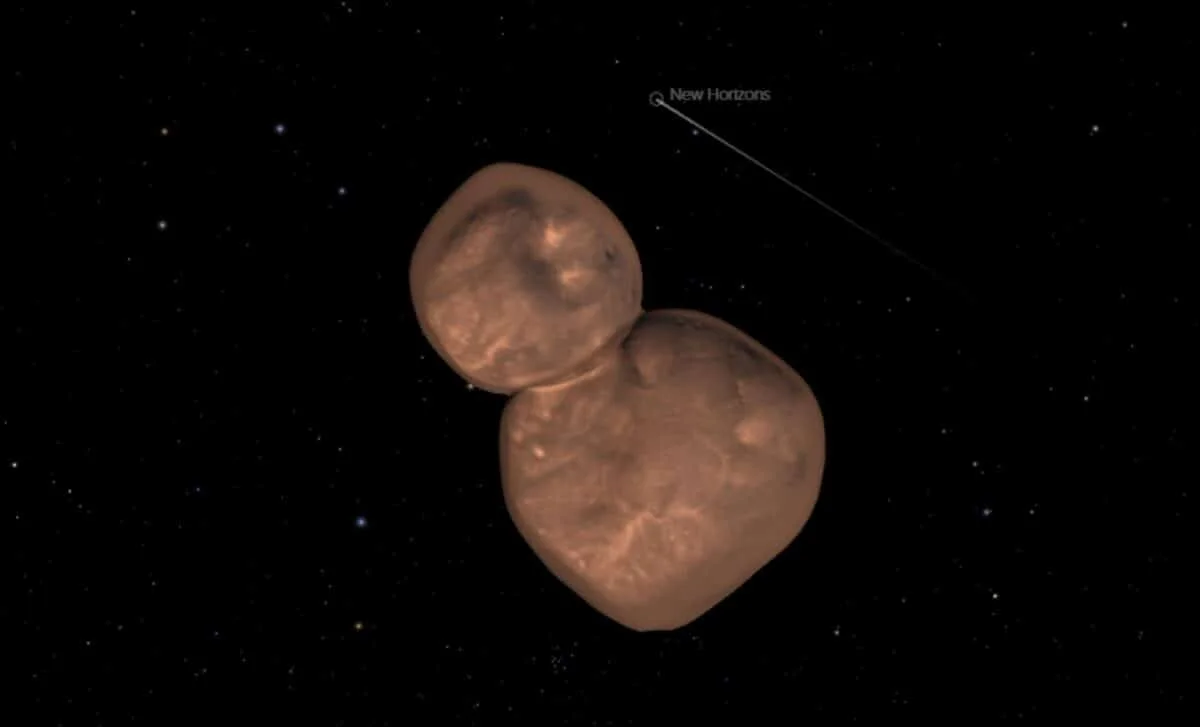
Snowman-Shaped Kuiper Belt Object Reveals a Quiet Route to Planet Formation
space2 days ago

Snowman-Shaped Kuiper Belt Object Reveals a Quiet Route to Planet Formation

A new study shows Arrokoth-like bilobed objects can form directly from the gravitational collapse of small pebbles in the early solar system, producing the snowman shape without violent mergers and suggesting such binaries may be more common in the Kuiper Belt; simulations found several instances of this outcome, supporting a calmer path to planet formation.
JWST Discovers Hydrogen Sulfide on Distant Super-Jupiters, Illuminating Planet-Formation Paths
science8 days ago

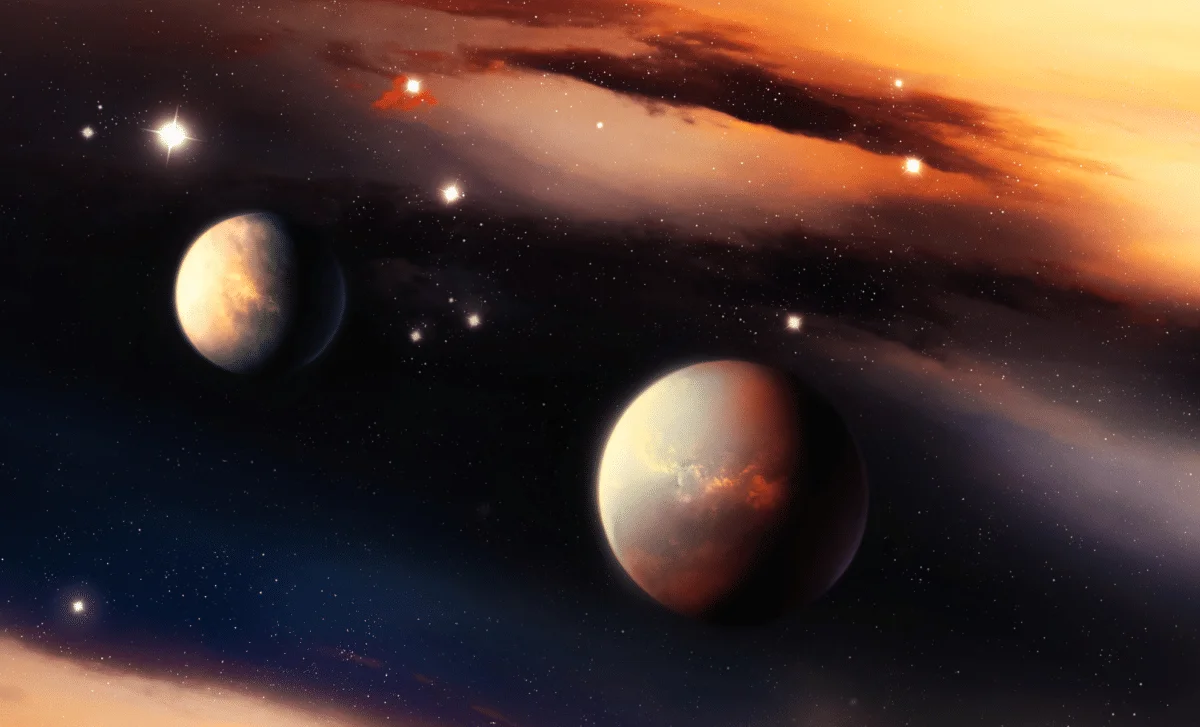
JWST Discovers Hydrogen Sulfide on Distant Super-Jupiters, Illuminating Planet-Formation Paths

Using the James Webb Space Telescope, astronomers detected hydrogen sulfide in the atmospheres of HR 8799’s inner gas giants (c, d, e), suggesting sulfur came from solid material in their birth disks and signaling a universal pattern of heavy-element enrichment during planet formation. The study also showcases a direct-imaging technique that could, in time, help study Earth-like worlds for biosignatures.

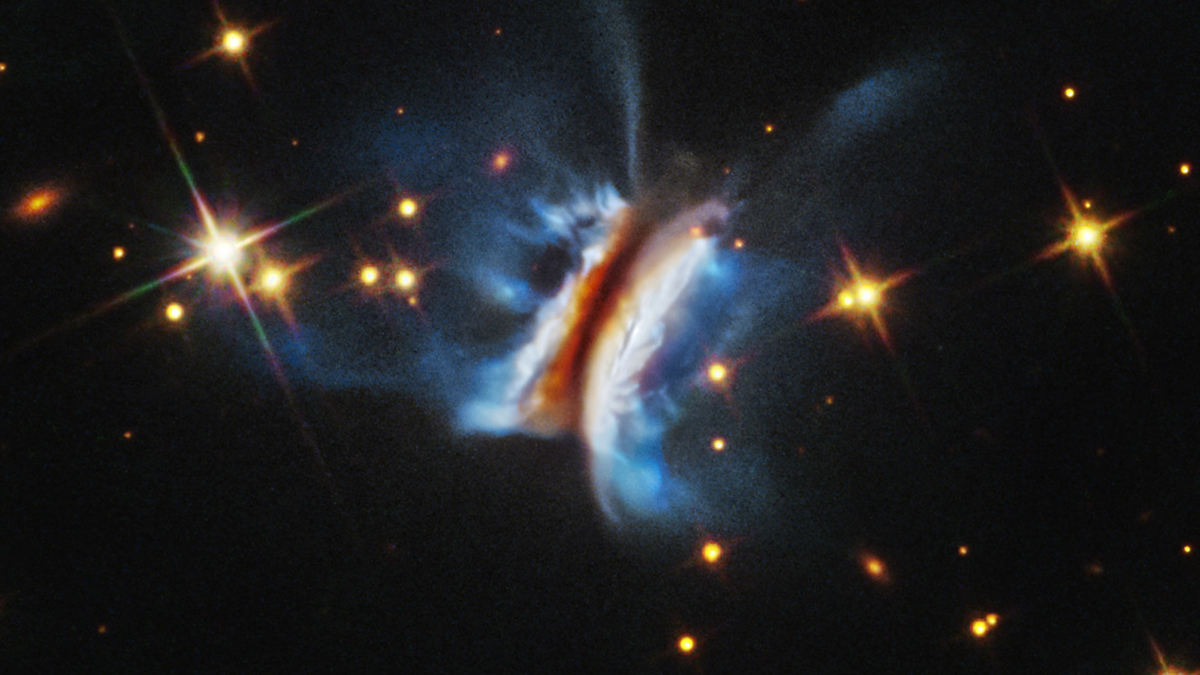
Hubble Spots Giant, Turbulent Planet-Forming Disk 40 Times Wider Than Our Solar System
astronomy18 days ago

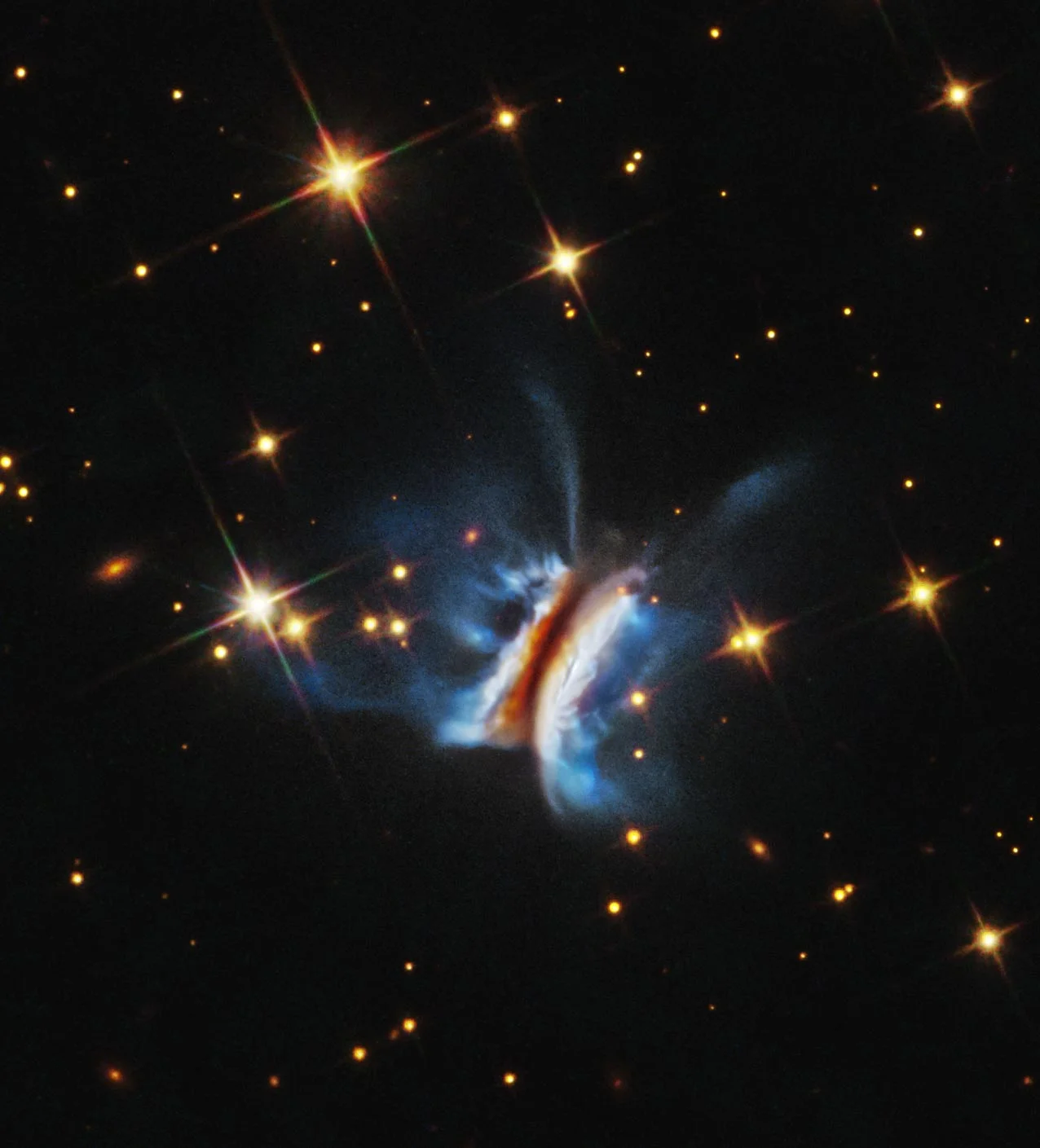
Hubble Spots Giant, Turbulent Planet-Forming Disk 40 Times Wider Than Our Solar System

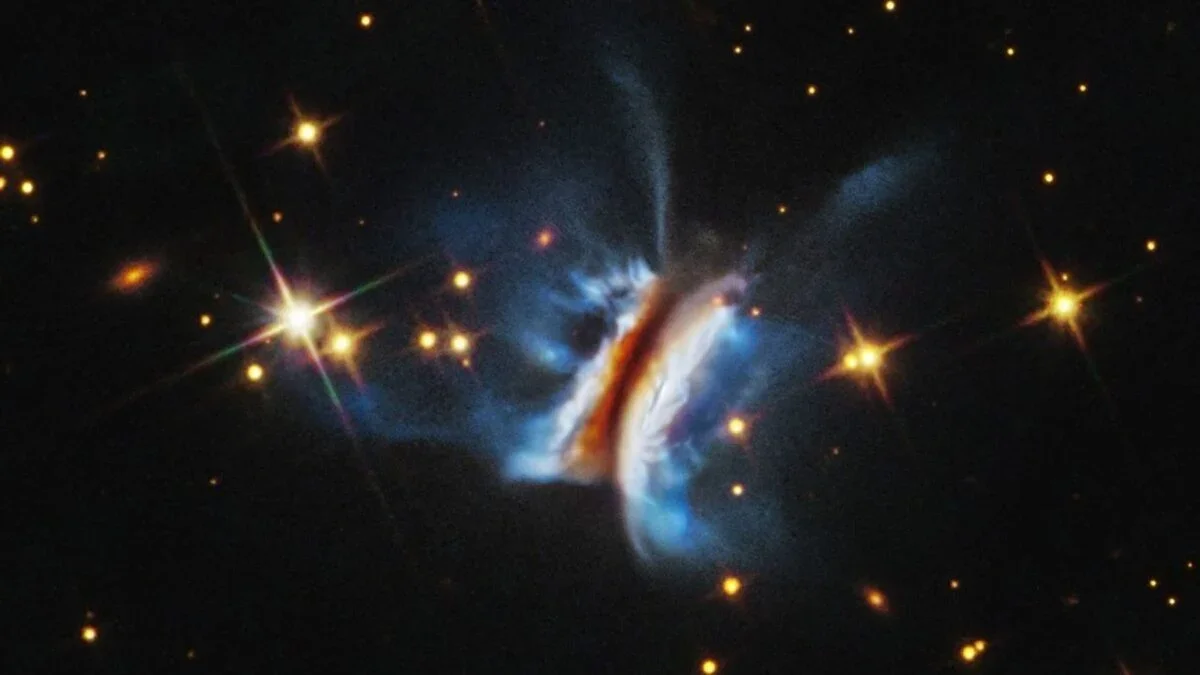
NASA’s Hubble Space Telescope has captured the largest known protoplanetary disk around the young star IRAS 23077+6707 (nicknamed Dracula’s Chivito), extending about 400 billion miles—roughly 40 times the Solar System’s diameter. Seen nearly edge-on in visible light, the disk is unusually turbulent and asymmetric, with filament-like features on one side and a sharp edge on the other, hinting at dynamic infall of material and environmental interactions. With an estimated mass 10–30 times Jupiter’s, the system may host a large planetary system and provides a valuable laboratory for understanding planet formation in extreme conditions.

ALMA reveals the chaotic teenage years of growing planets
space1 month ago

ALMA reveals the chaotic teenage years of growing planets

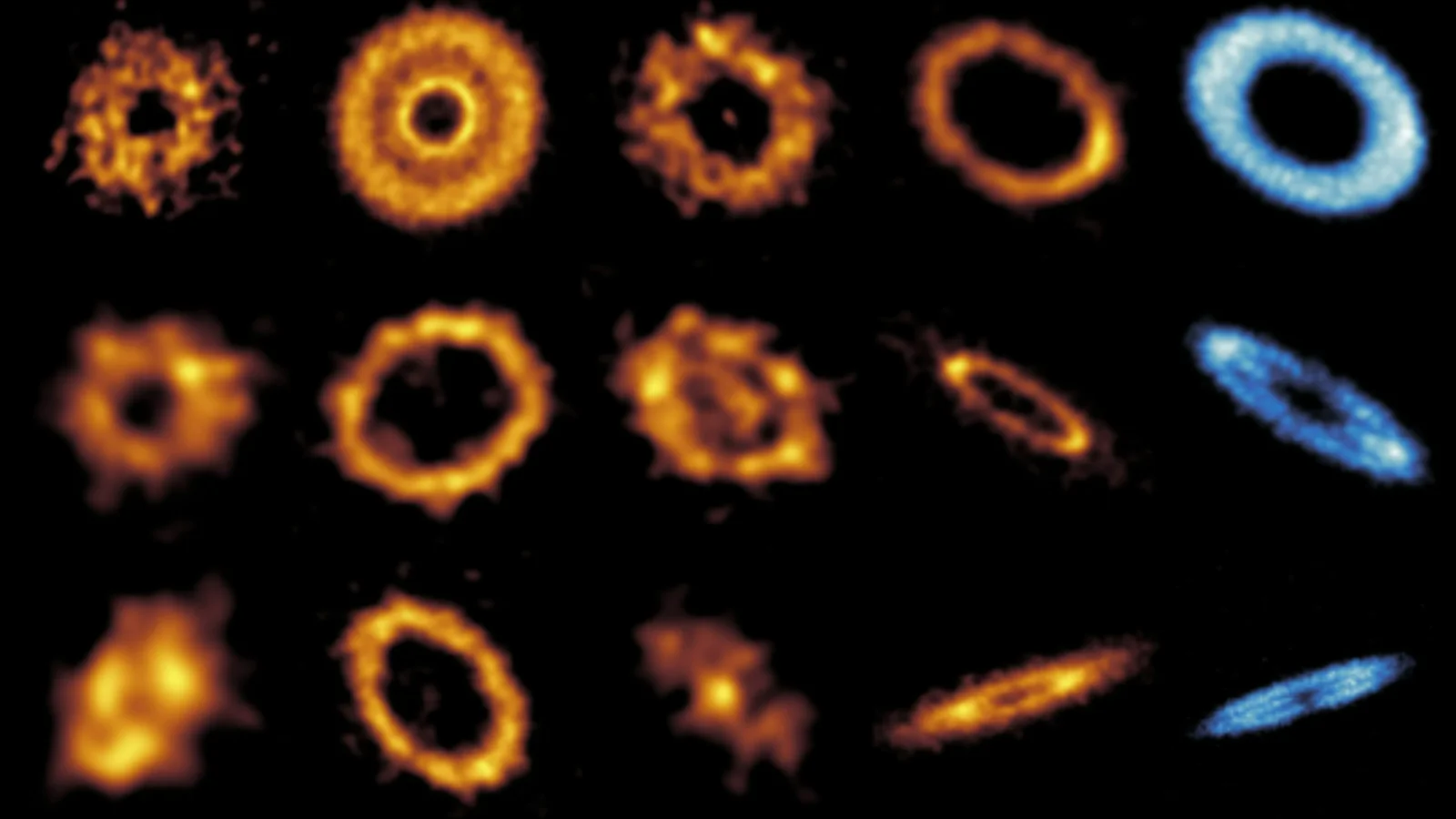
Astronomers using the Atacama Large Millimeter/submillimeter Array (ALMA) as part of the Resolve exoKuiper belt Substructures (ARKS) survey captured 24 disks around young stars, showing complex rings, halos and asymmetries that indicate a turbulent, collision‑driven “teenage” phase of planet formation and offering new clues to how planetary systems evolve—including hints about our Solar System’s early history.

Webb Discovers Crystalline Silicates Forged in Inner Disk of Young Star, Flung to Disk Edges
space1 month ago

Webb Discovers Crystalline Silicates Forged in Inner Disk of Young Star, Flung to Disk Edges

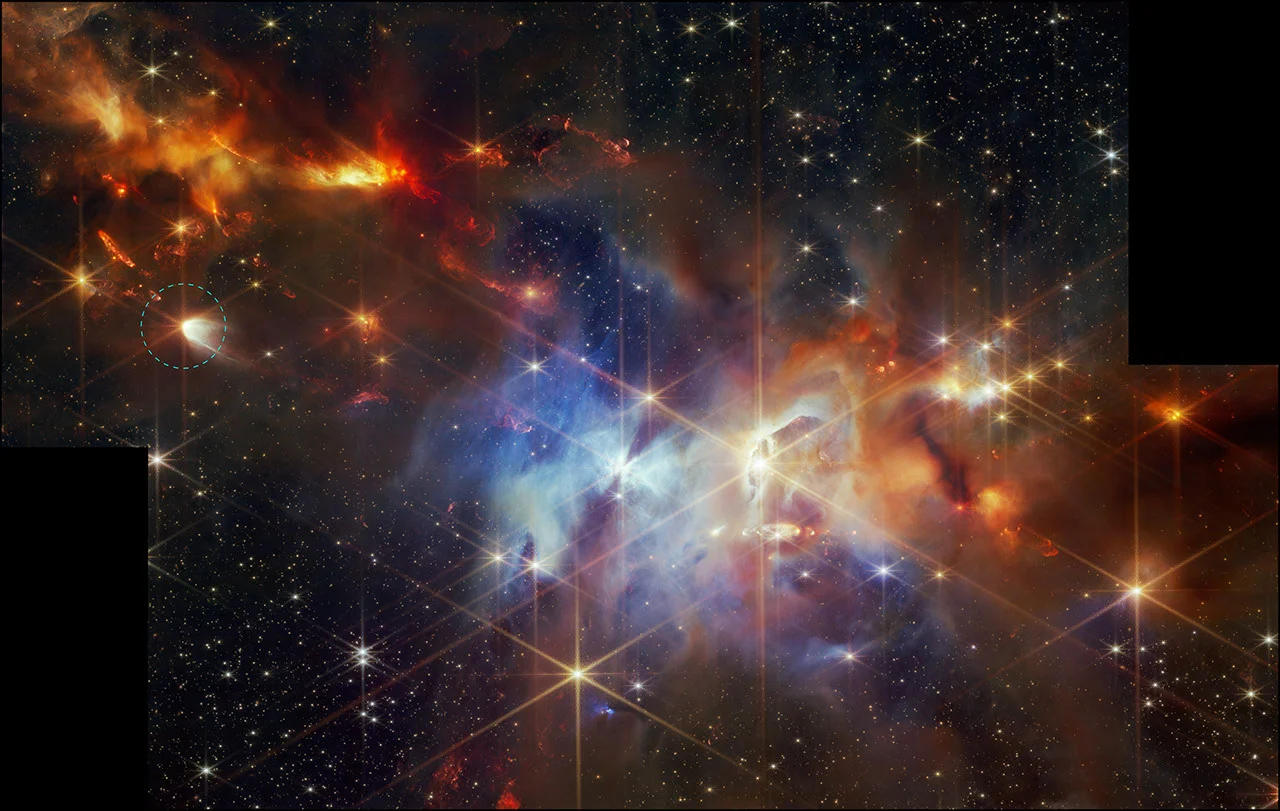
NASA’s James Webb Space Telescope observed protostar EC 53 in the Serpens Nebula and confirmed that crystalline silicates form in the hot inner disk, with MIRI spectra identifying minerals like forsterite and enstatite. The star’s strong disk winds and periodic outbursts appear to launch these crystals outward toward the disk’s edges, offering a mechanism for crystalline silicates found in comets and potentially seeding planet formation during the system’s ongoing evolution.

Cosmic Hamburger Disk Reveals Birthplace of Distant Giant Planets
space1 month ago

Cosmic Hamburger Disk Reveals Birthplace of Distant Giant Planets

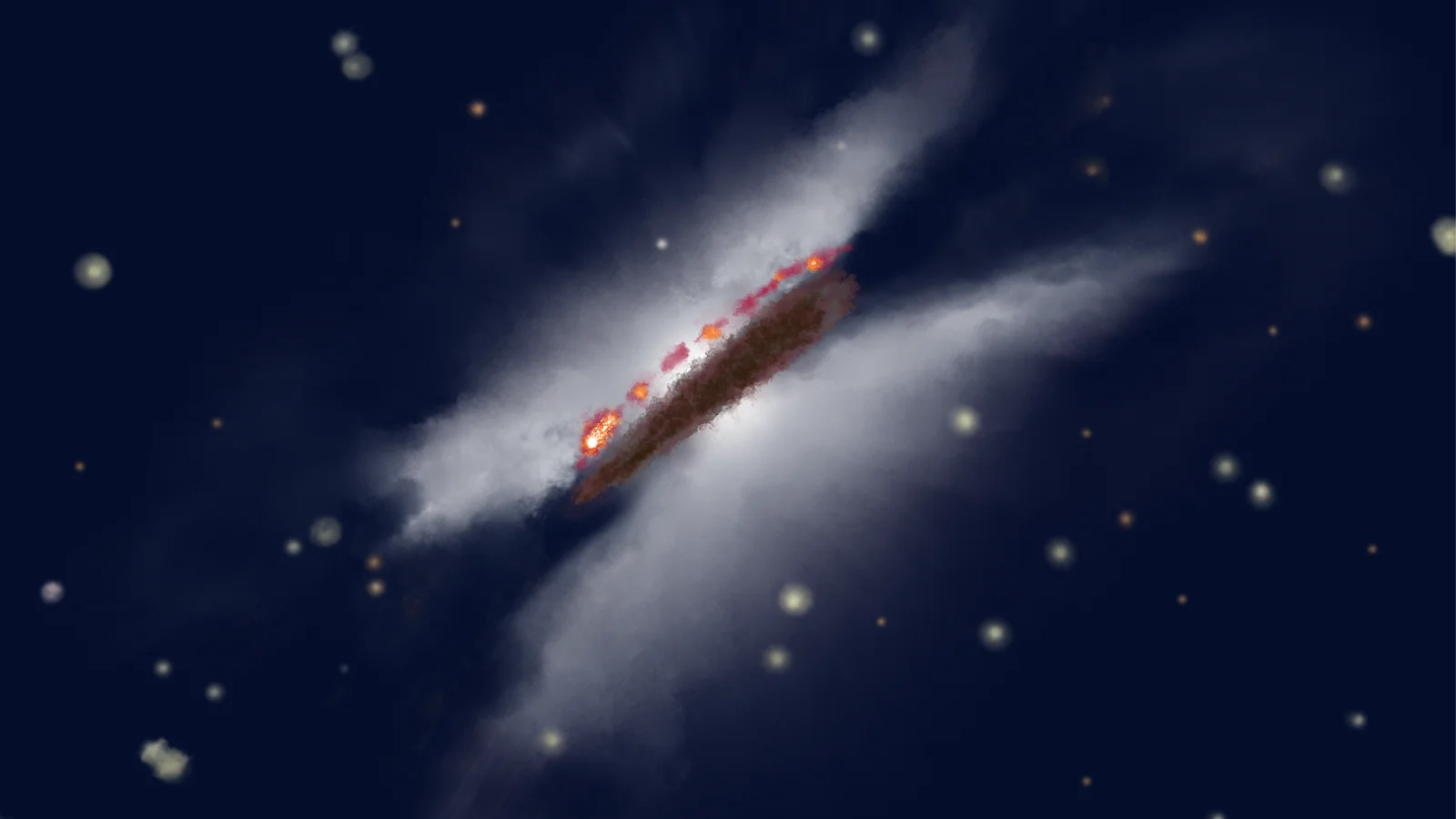
Astronomers using ALMA have imaged Gomez’s Hamburger (GoHam), one of the largest edge-on protoplanetary disks, finding a stratified arrangement of gas and dust and signs of ongoing planet formation, including a potential giant-planet core or clump dubbed GoHam b in the outer disk. The disk’s sheer size and uneven features—such as a bright, lopsided region and a northern wind—make it an ideal laboratory to study how giant planets can form far from their star and how such planets shape their surroundings.

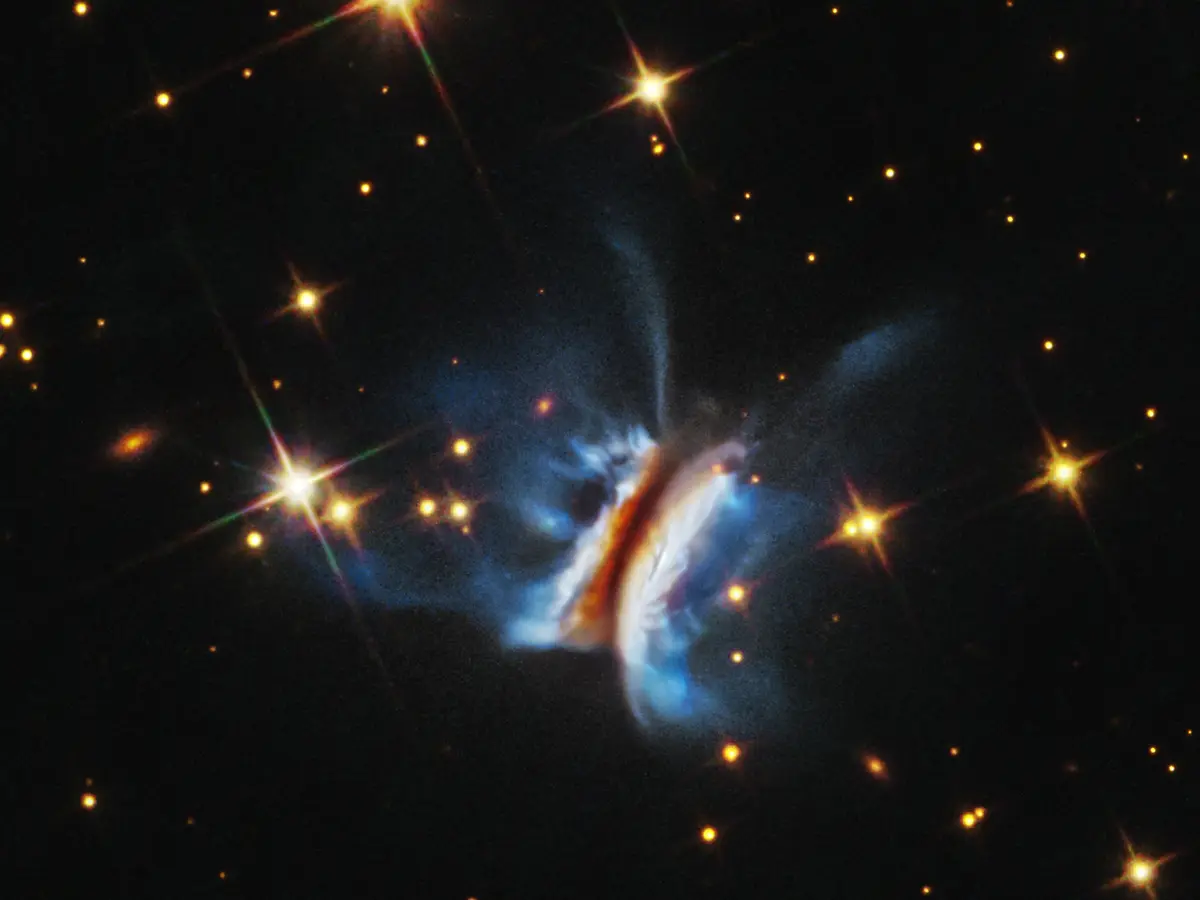
Hubble Unveils the Largest and Most Chaotic Planet Nurseries
science1 month ago

Hubble Unveils the Largest and Most Chaotic Planet Nurseries

Astronomers have captured the first visible-light image of 'Dracula’s Chivito,' the largest and most chaotic planet-forming disk ever observed, located about 1,000 light-years away. This massive, asymmetric disk exhibits unusual features like extended filaments on one side, challenging previous assumptions about the serenity of planet nurseries. It serves as a scaled-up model of early solar system conditions, offering new insights into the complex processes of planet formation.

The Enigma of Mercury's Existence
science2 months ago

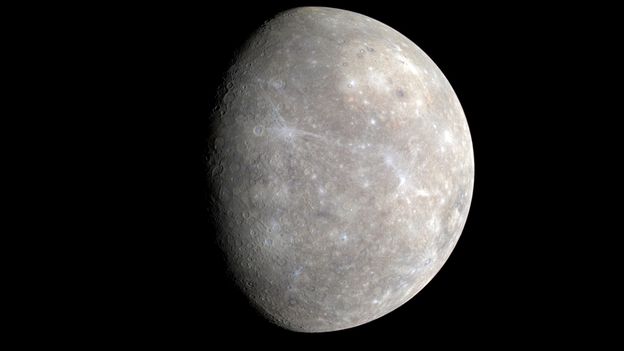
The Enigma of Mercury's Existence

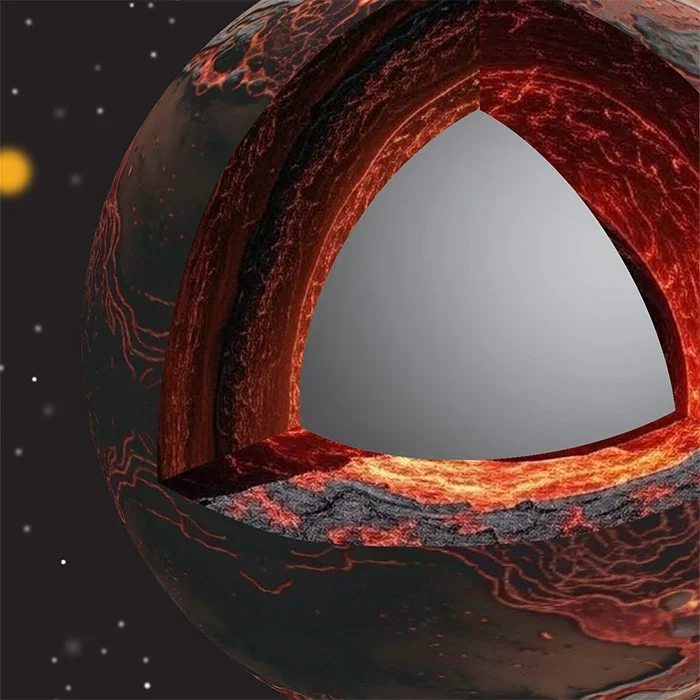
Mercury's unusual characteristics and orbit challenge current understanding of planet formation, with theories including giant impacts and migration. The upcoming BepiColombo mission aims to uncover its origins by studying its surface and internal structure, potentially solving one of the Solar System's biggest mysteries.

Hubble Captures First Direct Images of Asteroid Collisions Near Earth
science2 months ago

Hubble Captures First Direct Images of Asteroid Collisions Near Earth

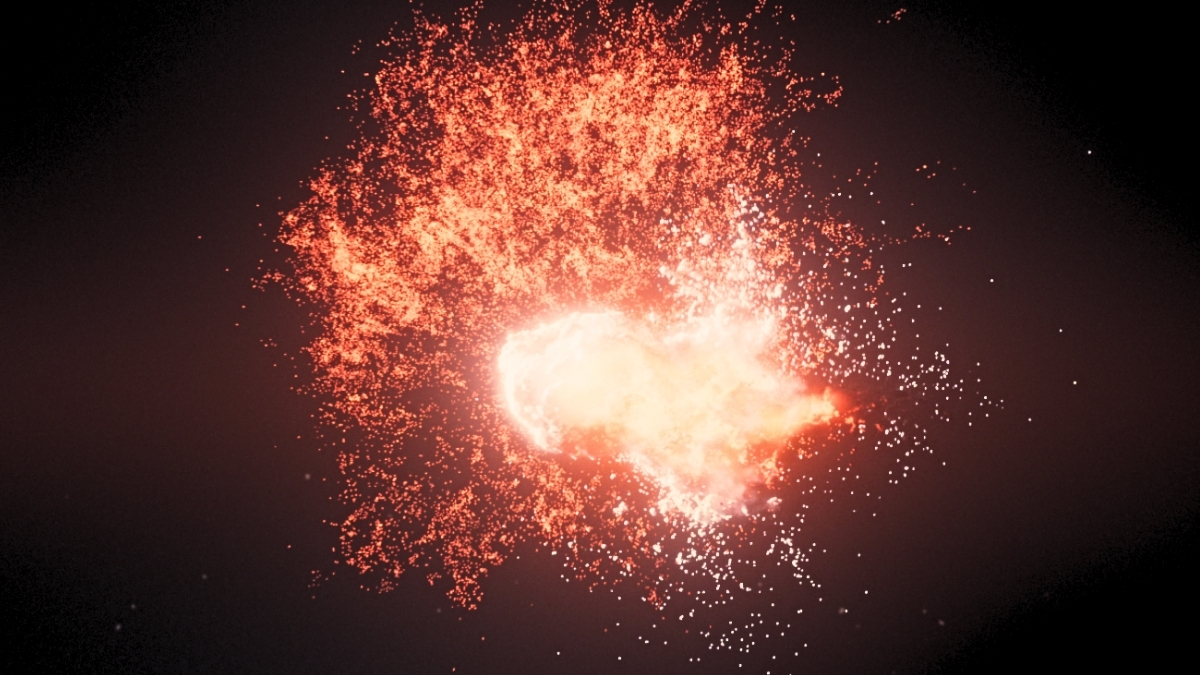
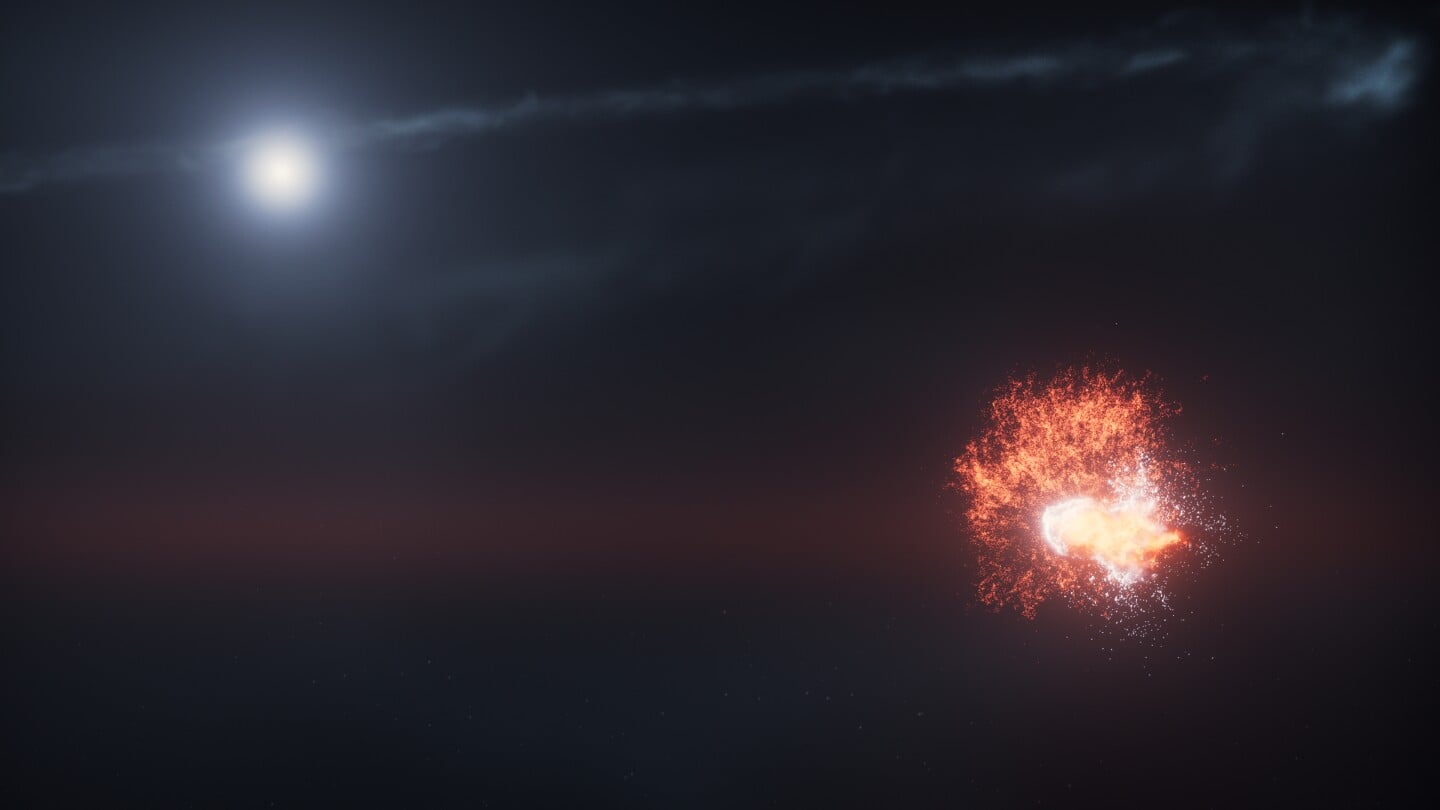
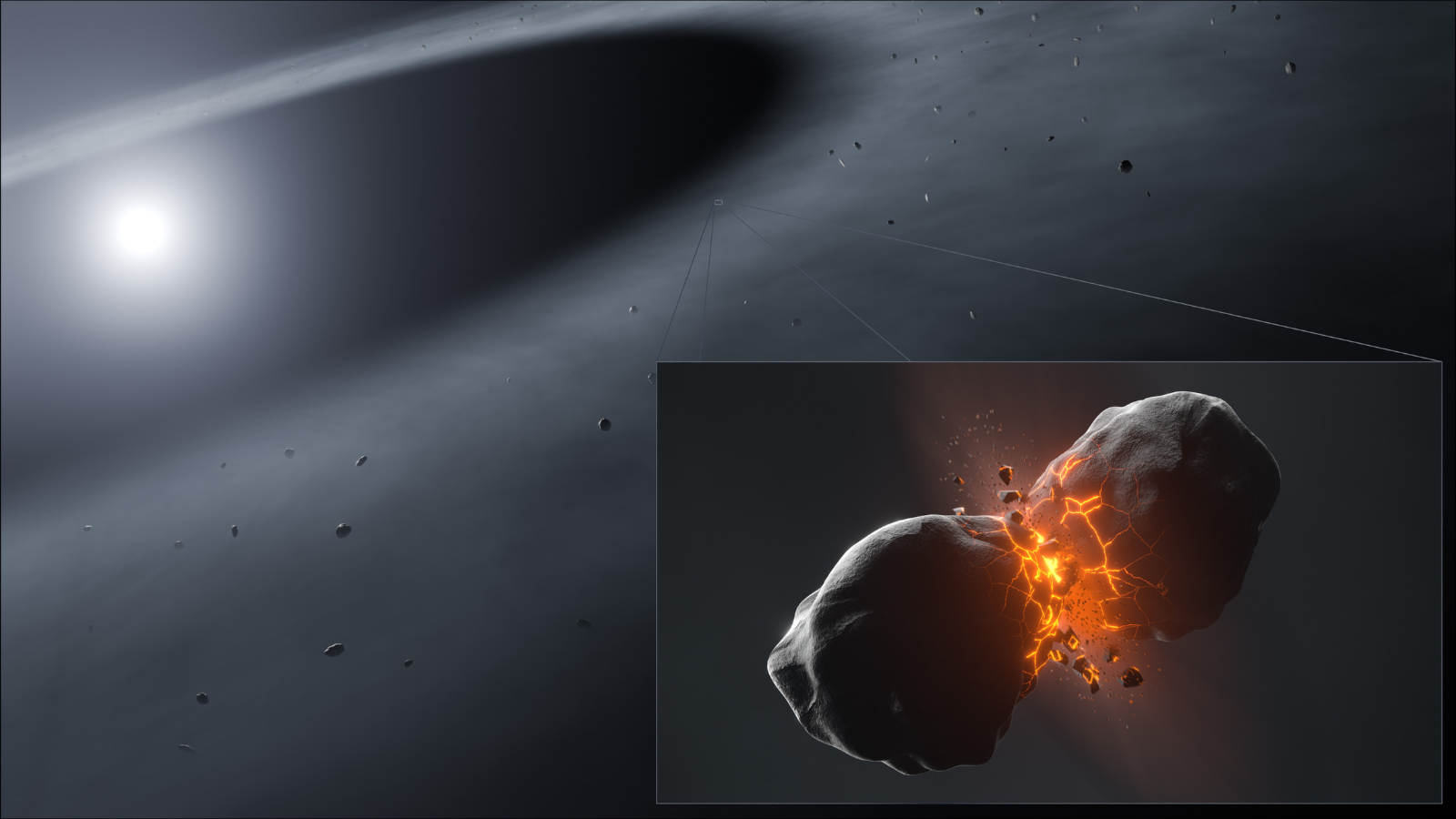
Astronomers observed a rare collision between two asteroids around the star Fomalhaut, providing insights into planet formation processes and highlighting the dynamic and collision-rich environment of this nearby star system. The event also helped distinguish between actual planets and dust clouds, refining methods for exoplanet detection.

Hubble Captures First Direct Images of Cosmic Collisions in Nearby Star System
science2 months ago

Hubble Captures First Direct Images of Cosmic Collisions in Nearby Star System

Astronomers captured the first direct images of collisions between large objects in a nearby star system, Fomalhaut, providing insights into planet formation and the behavior of planetesimals, with observations suggesting these icy bodies are similar to solar system comets. The study highlights the importance of understanding dust clouds and collisions in young planetary systems to distinguish them from planets.