SpaceX is set to launch NASA's Pandora exoplanet satellite on January 11 from Vandenberg, aiming to study exoplanet atmospheres and star-planet interactions using multiwavelength observations to better understand worlds beyond our solar system.
The Hubble Space Telescope, launched in 1990, is nearing the end of its operational life due to orbital decay accelerated by solar activity, with potential reentry as early as 2029. NASA has attempted to extend its lifespan, but without intervention, Hubble may soon be lost, creating a gap in space observation. However, the upcoming Lazuli telescope, funded by private sources and planned for launch in 2028, aims to succeed Hubble with advanced capabilities.
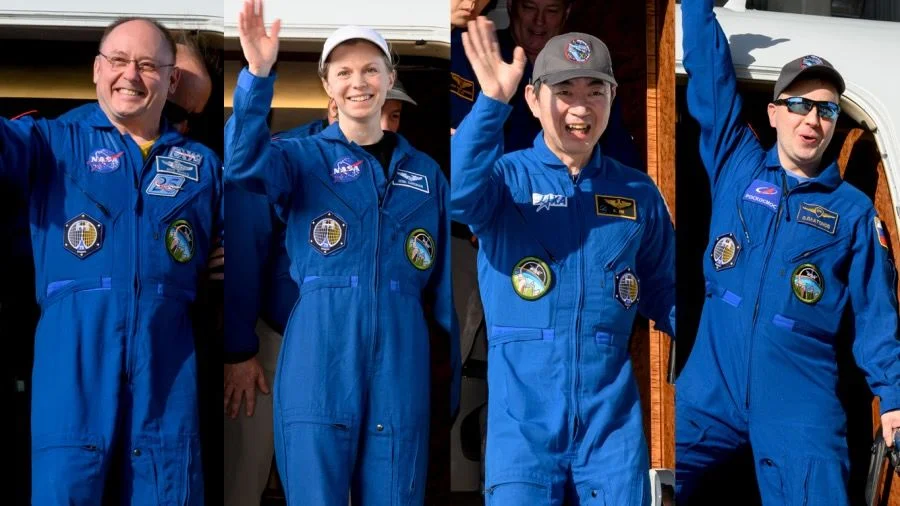
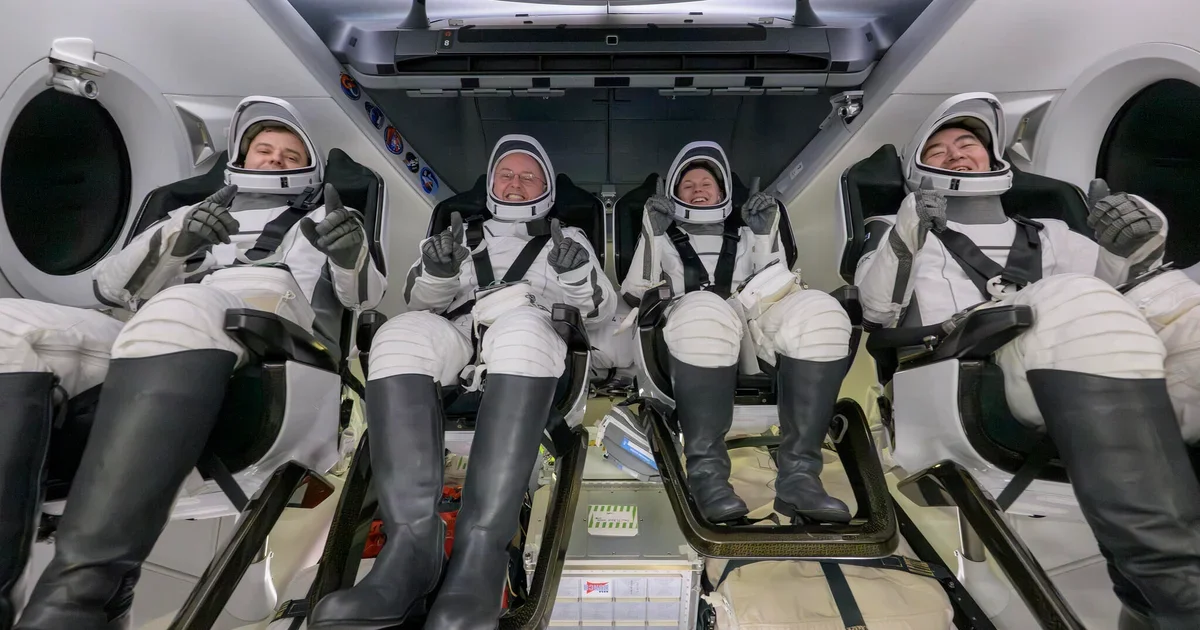
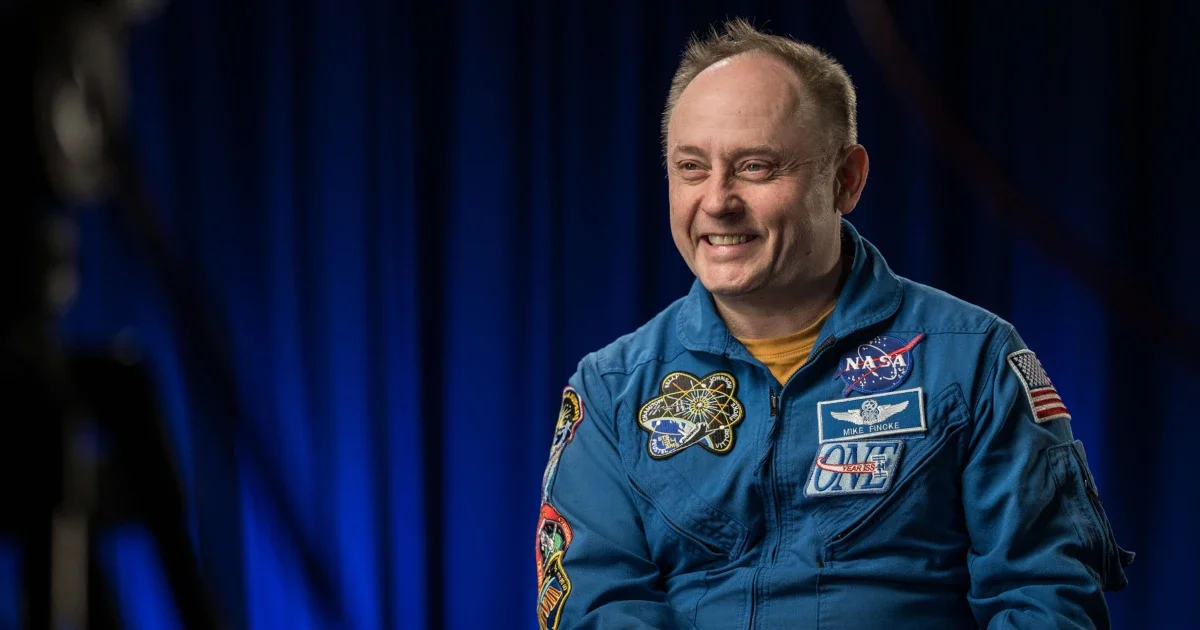
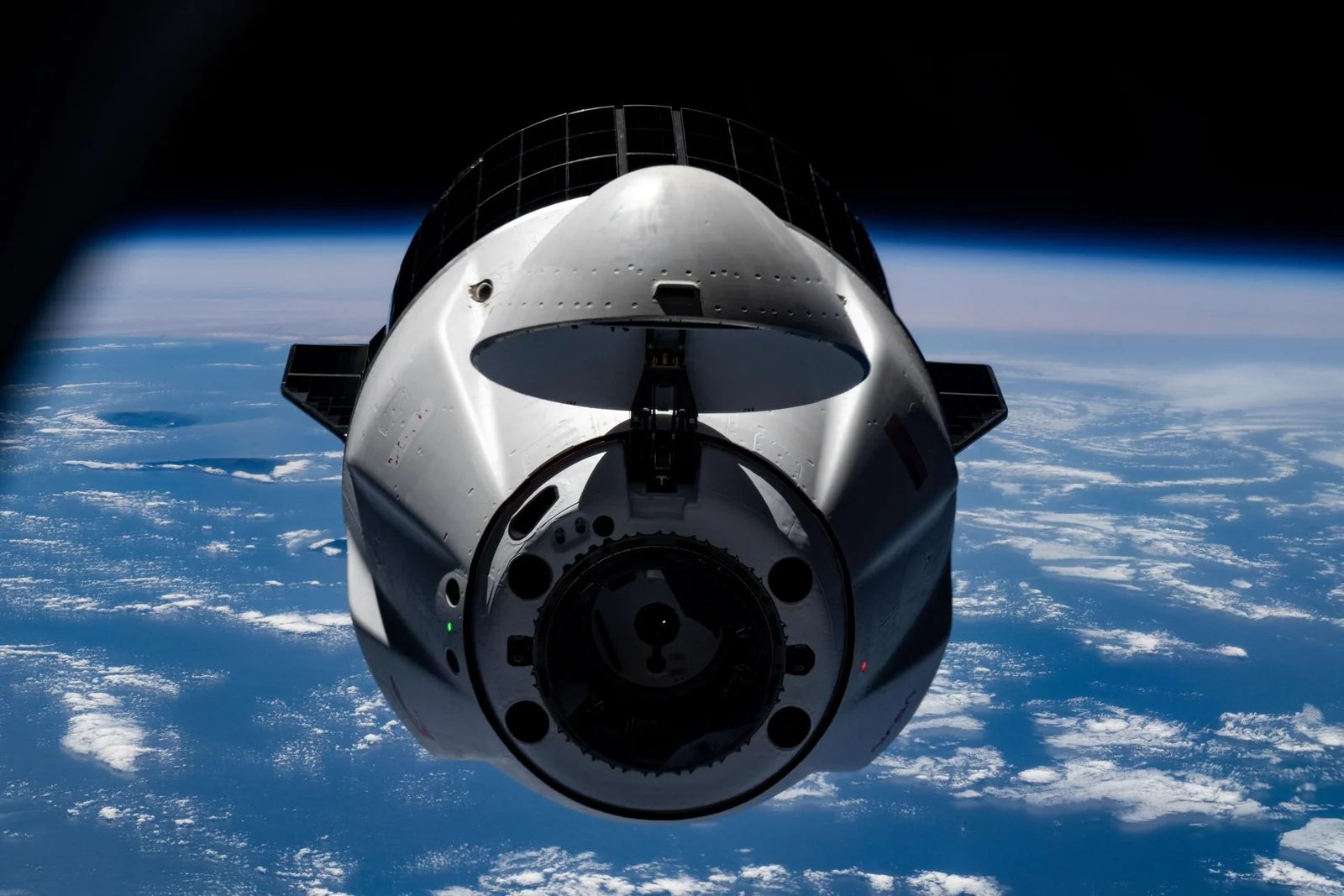
NASA announced an early evacuation of SpaceX's Crew-11 astronauts from the ISS on Jan. 14 due to a medical concern affecting one crew member, marking the first medical evacuation in the station's history. The crew, which arrived on Aug. 2, will be replaced by Crew-12 in mid-February, leaving only three astronauts aboard temporarily.
NASA reports that the massive iceberg A-23A, one of the largest and oldest tracked, is on the verge of complete disintegration after losing significant mass, and could break apart within days or weeks as it drifts in the South Atlantic.
NASA's sensors on the International Space Station detected a previously unknown atmospheric phenomenon, called atmospheric waves, at 55 miles above Earth during Hurricane Helene, revealing new insights into how severe storms can influence the upper atmosphere and potentially impact satellite operations.
NASA's Mars Sample Return program, which aimed to bring Martian samples to Earth for detailed analysis, has been canceled due to high costs and lack of a concrete plan, resulting in the loss of valuable scientific opportunities, including the analysis of potentially biosignature-bearing rocks like Cheyava Falls.
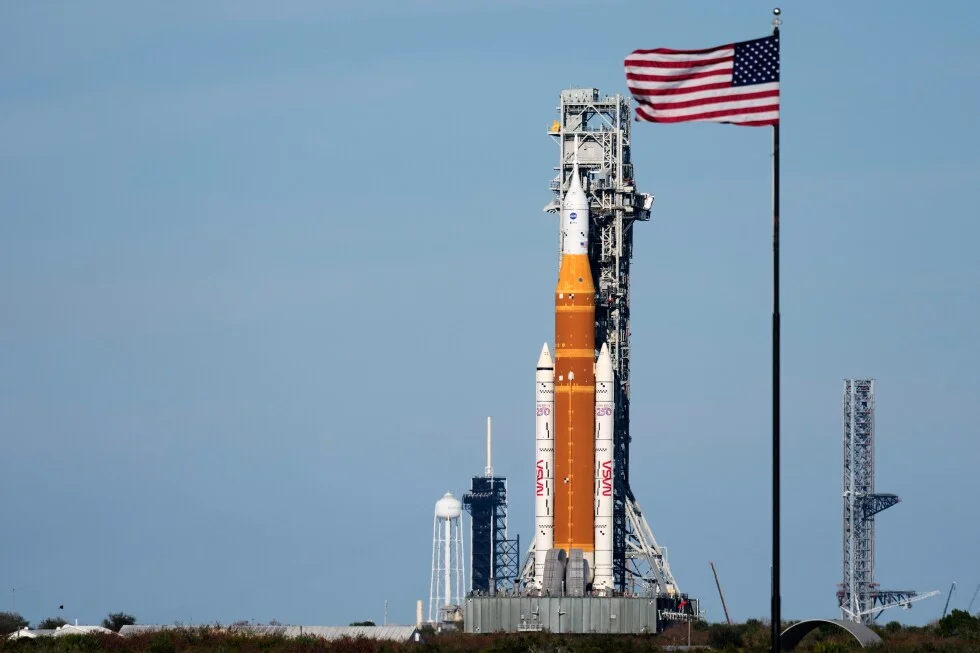
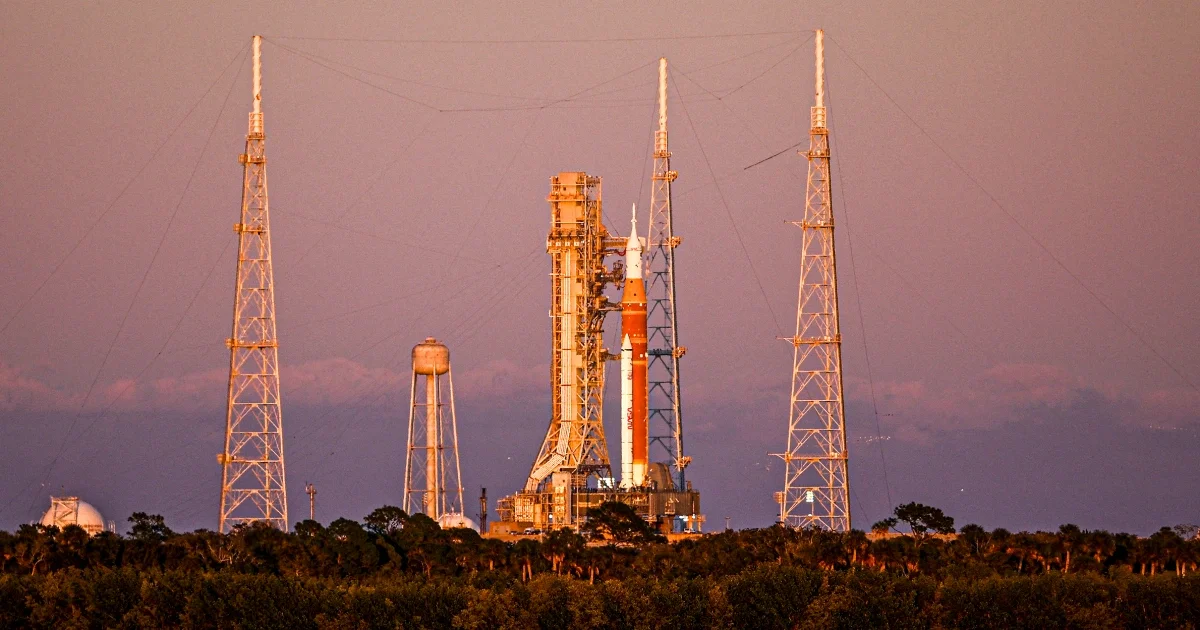
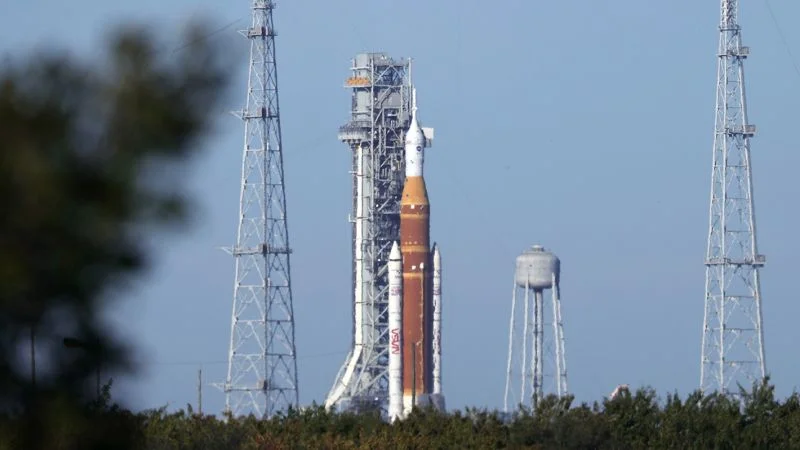
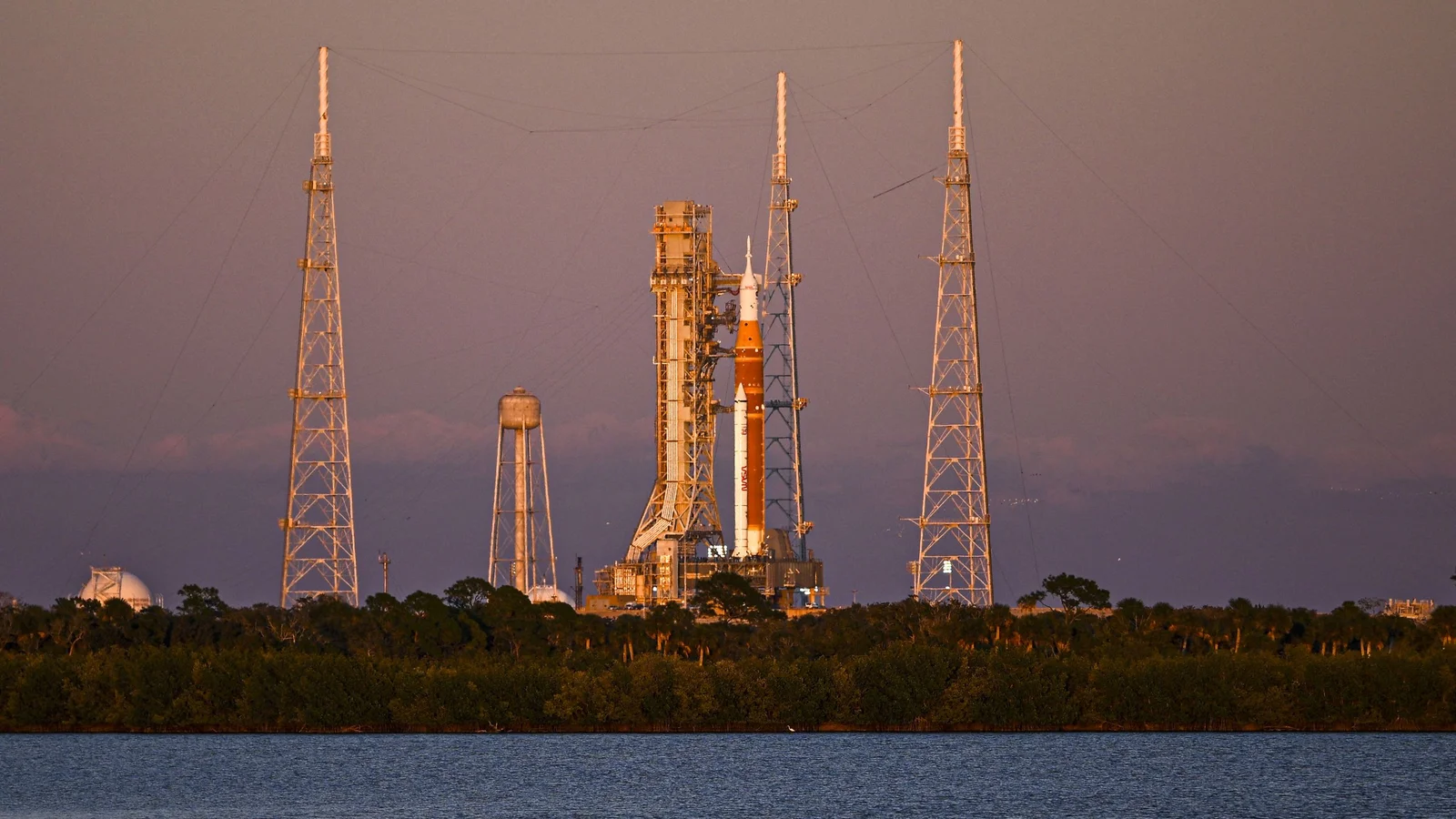
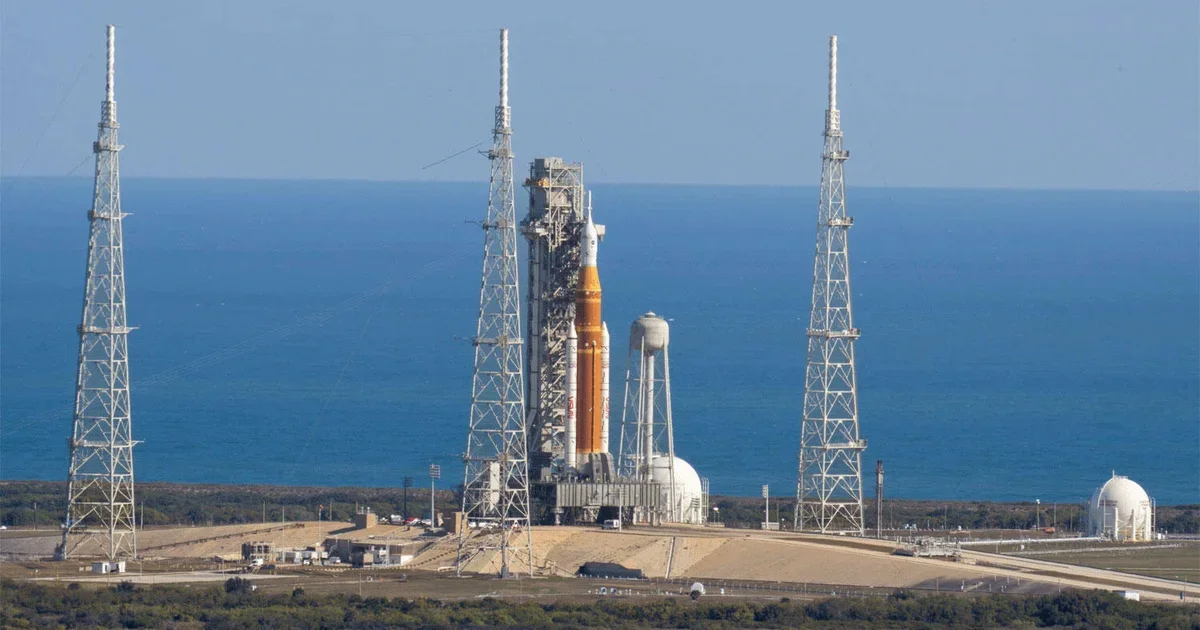
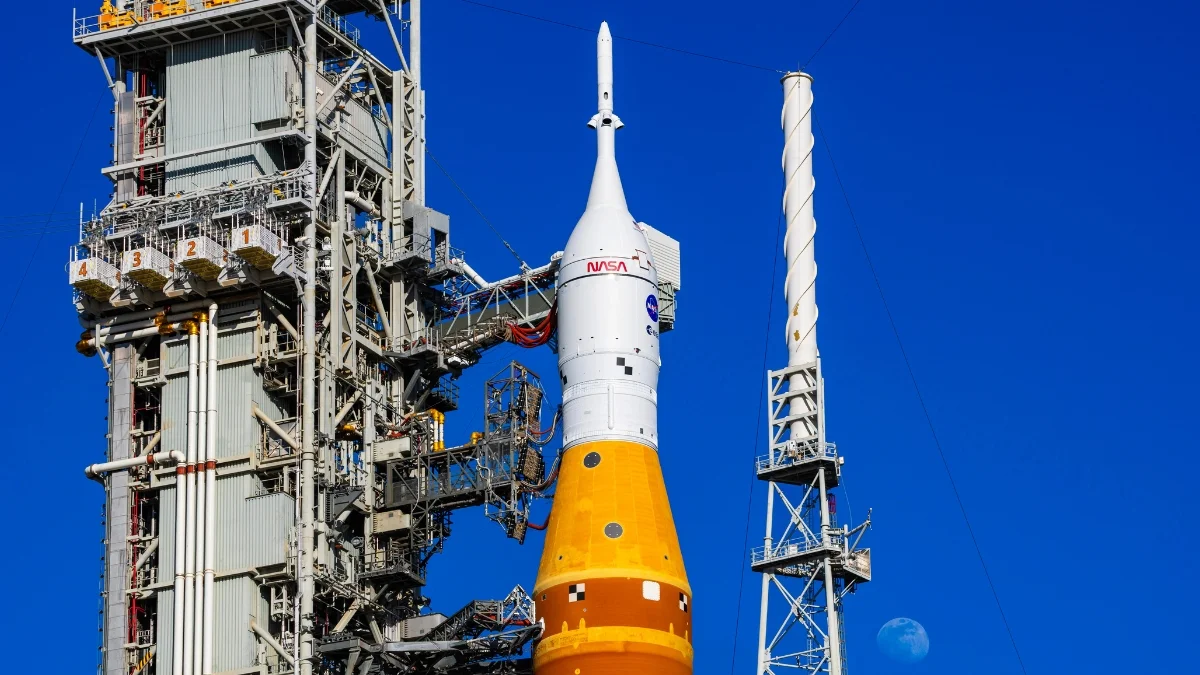
NASA's Artemis II mission, the first crewed Moon mission in over 50 years, is scheduled to launch between February 6 and April 2023 from Kennedy Space Center, with a crew of four astronauts testing spacecraft systems and preparing for future lunar landings, but it will not land on the Moon itself.
NASA's Dragonfly mission, set to launch in 2028, involves a car-sized rotorcraft designed to explore Saturn's moon Titan. Extensive testing, including aerodynamic and structural assessments at NASA's Langley Research Center, has validated the rotor design, which is crucial for the mission's success. The project is a collaborative effort involving multiple institutions, aiming to study Titan's diverse environments and potentially find conditions suitable for life.
NASA images reveal that iceberg A-23A, which has been floating since 1986 and was once over 4,000 square kilometers, is now bright blue and showing signs of imminent disintegration, likely within weeks, due to melting and structural failure.
NASA has decided to end the Crew-11 mission early due to a medical emergency involving an astronaut aboard the International Space Station, marking the first time such a decision has been made in the station's history.
NASA reports that the massive Antarctic iceberg A23a has turned blue due to meltwater and is nearing complete disintegration, likely within weeks, as it drifts into warmer waters and shows signs of structural failure.
NASA is demolishing two historic test stands at Marshall Space Flight Center used for testing Saturn V rockets and Space Shuttle components, as part of a broader effort to modernize its facilities and reduce maintenance costs, while preserving their legacy through digital documentation.
NASA's Nancy Grace Roman Space Telescope is on track for a September 2026 launch, ahead of schedule and within budget, marking a successful flagship mission that demonstrates NASA's improved project management after previous delays with missions like the James Webb Space Telescope.
A NASA timelapse video showcases 25 years of expansion of Kepler's Supernova remnant, revealing rapid changes in the explosion's debris, which helps astronomers understand supernova dynamics and element distribution in the universe.
NASA has successfully powered on the Power and Propulsion Element for the Gateway lunar orbit station, demonstrating its capability to generate 60 kilowatts of power, support communications, attitude control, and orbital maneuvers, marking a significant milestone in lunar exploration technology.