Tag

Habitable Zone

All articles tagged with #habitable zone

Nearby Earth-Sized World HD 137010 b Sparks Habitability Debate
space19 days ago

Nearby Earth-Sized World HD 137010 b Sparks Habitability Debate

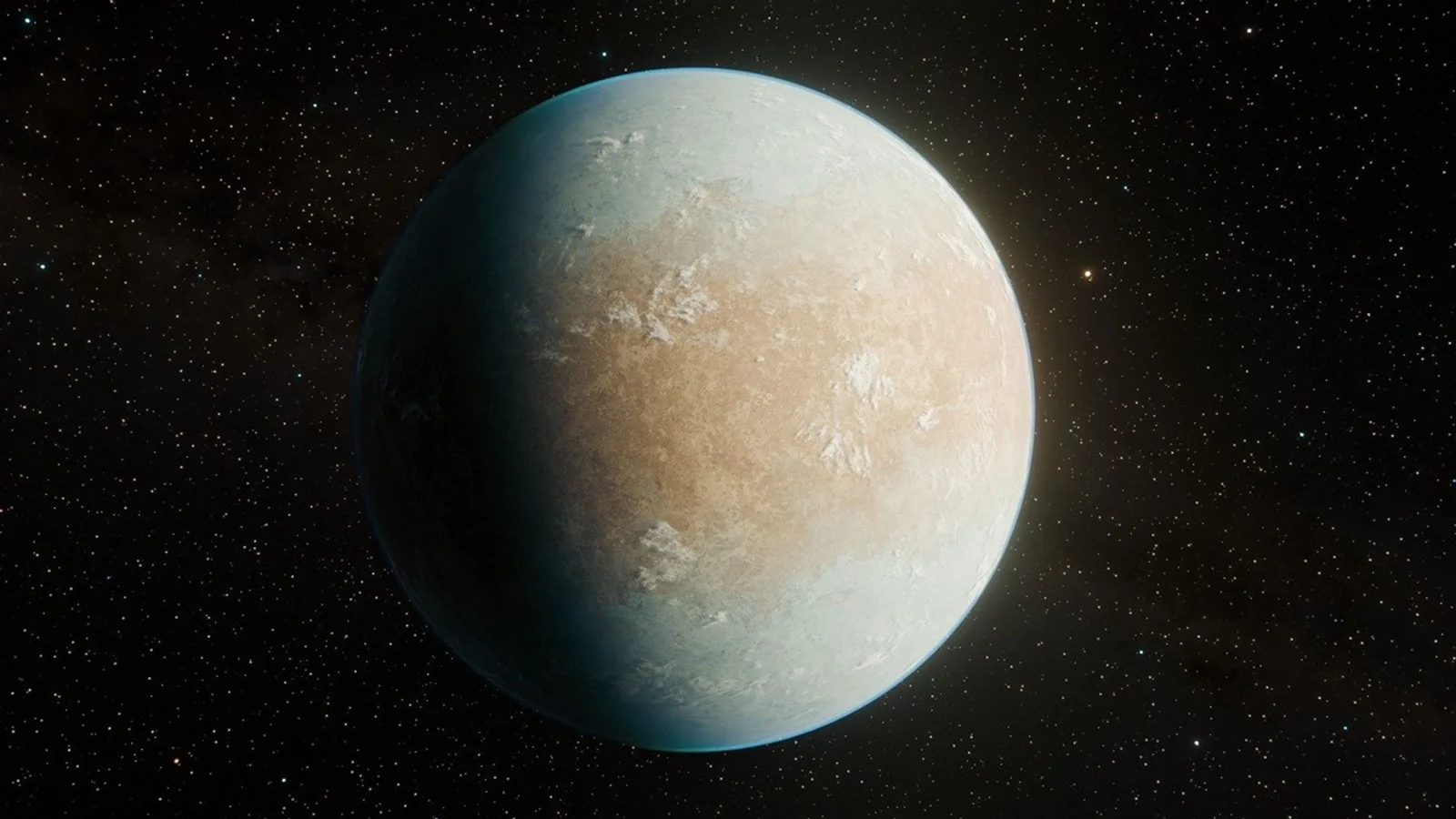
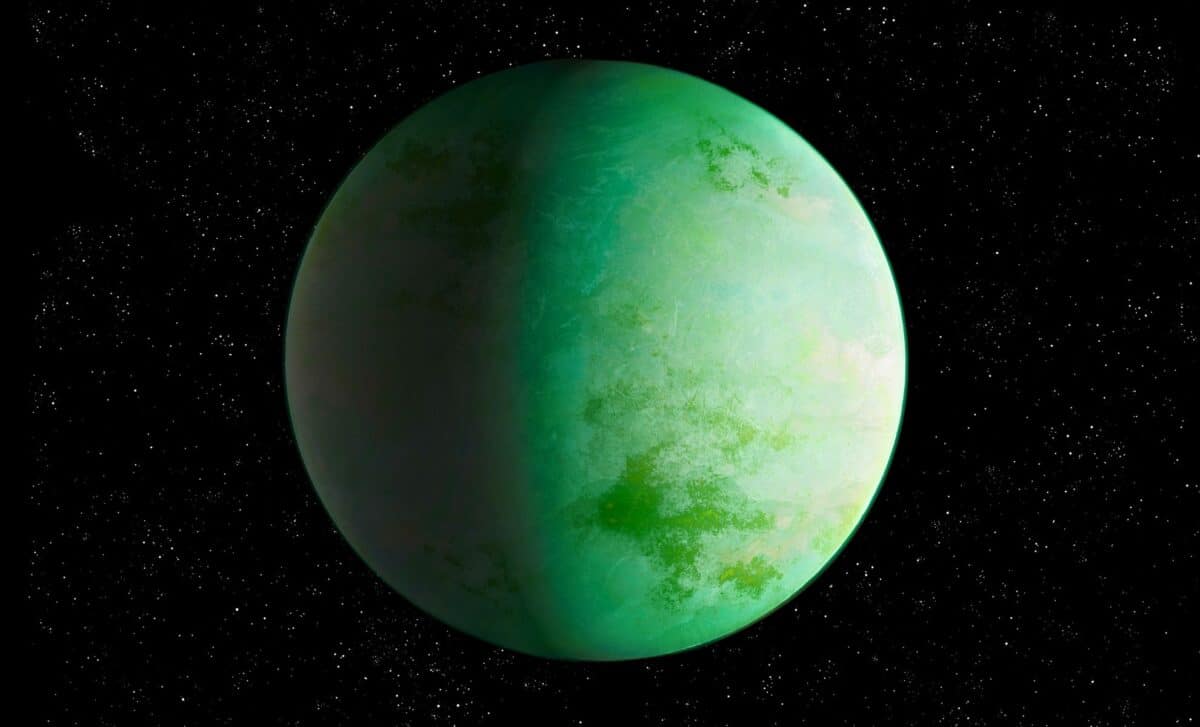
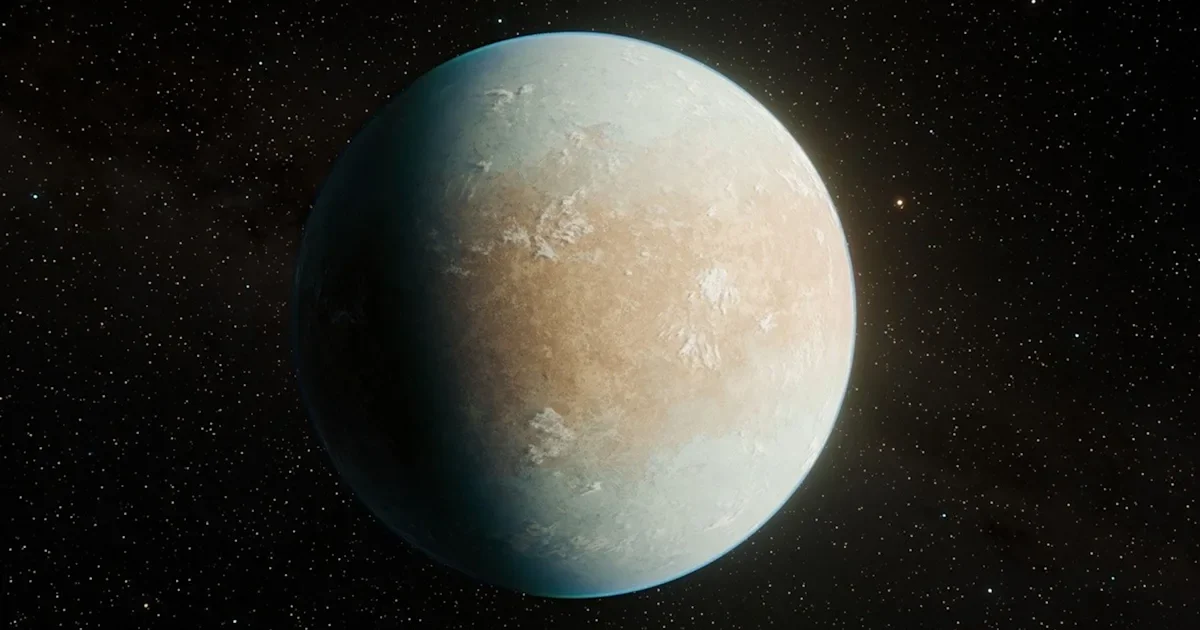
Astronomers using Kepler data have identified an Earth-sized exoplanet, HD 137010 b, orbiting a Sun-like–type star about 150 light-years away, with an orbital period of roughly 355 days. The host star is a cooler K-type orange dwarf, meaning the planet may receive less than a third of Earth’s sunlight and could be very cold (below −90°F), though a CO2-rich atmosphere might help trap heat and allow a temperate, potentially watery climate. The candidate was inferred from a single transit in 2017, and follow-up observations (multiple transits) are needed to confirm its habitability and true nature.
Nearby Earth-Sized Exoplanet HD 137010 b Sparks Habitability Debate
space20 days ago

Nearby Earth-Sized Exoplanet HD 137010 b Sparks Habitability Debate

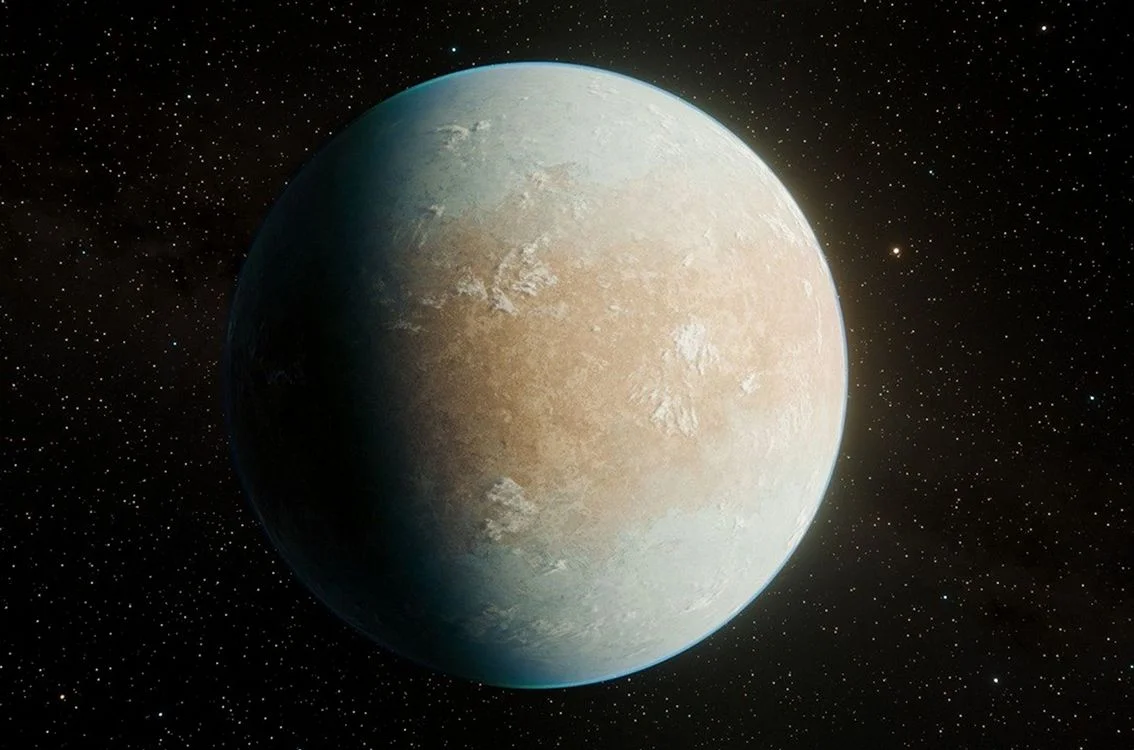
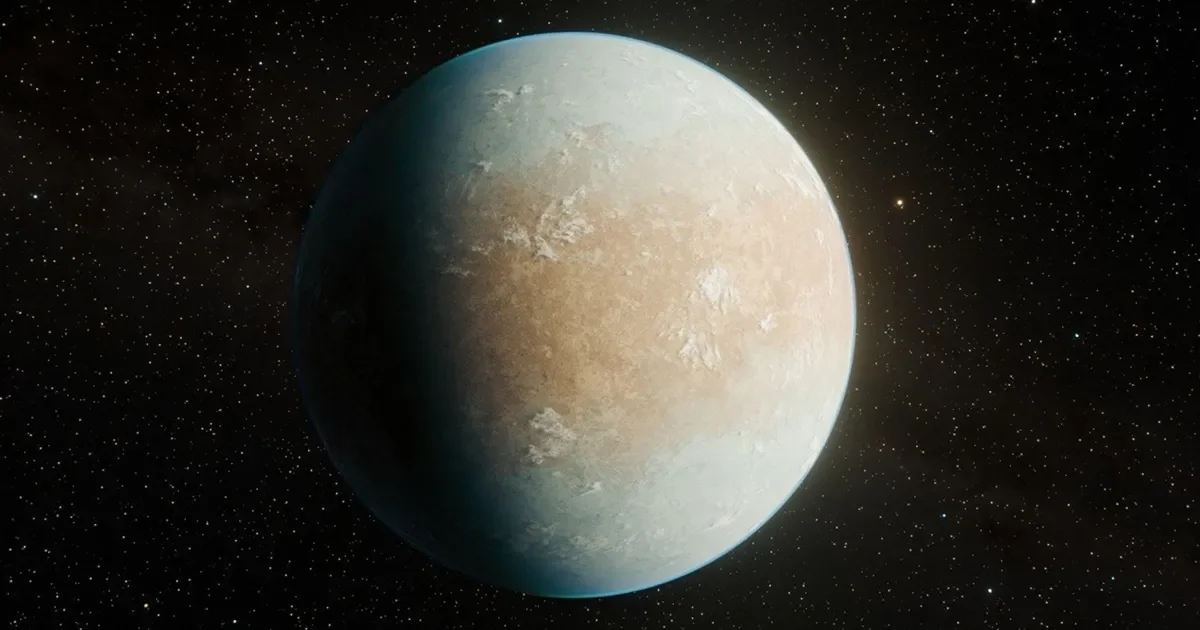
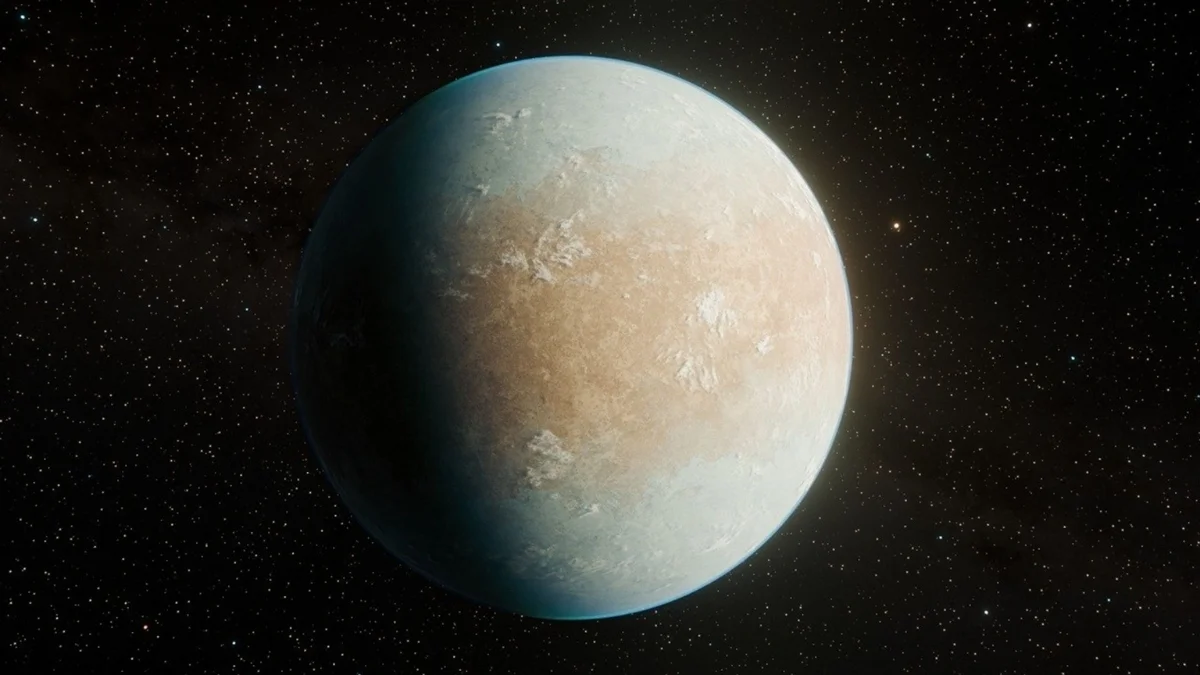
Astronomers analyzing Kepler data have identified HD 137010 b, a rocky, Earth-sized exoplanet orbiting a nearby K-type orange-dwarf star about 150 light-years away, with a 355-day year. Its Earth-like size and orbit make it a compelling habitability candidate, potentially aided by a CO2-rich atmosphere, but the planet’s temperature is expected to be very cold and only a single transit was observed. Follow-up observations—ideally three transits—are needed to confirm its existence and assess habitability, especially given potential tidal locking around cooler stars.

Ice-Cold Earth-Sized Exoplanet in Habitable Zone Sparks Debate
science21 days ago

Ice-Cold Earth-Sized Exoplanet in Habitable Zone Sparks Debate

Astronomers identify HD-137010 b, an Earth-sized exoplanet about 1.2 times Earth’s mass in a 355-day orbit around a cool K-dwarf star (HD-137010). It may lie just inside its star’s habitable zone and receives less than a third of the energy Earth gets, suggesting surface temperatures around -68 to -85 °C. The planet has only a single observed transit from Kepler, so confirmation requires multiple transits and follow-up with future observatories (e.g., PLATO). A moderately CO2-rich atmosphere could allow liquid water, though a snowball climate is possible. The system could host additional planets, hinting at a solar-system-like architecture, and this discovery shows temperate, Earth-sized worlds around Sun-like stars can be detected via single transits; but further observations are needed to confirm HD-137010 b’s status.

Distant 'cold Earth' candidate HD 137010b teeters on the edge of its star's habitable zone
space23 days ago

Distant 'cold Earth' candidate HD 137010b teeters on the edge of its star's habitable zone

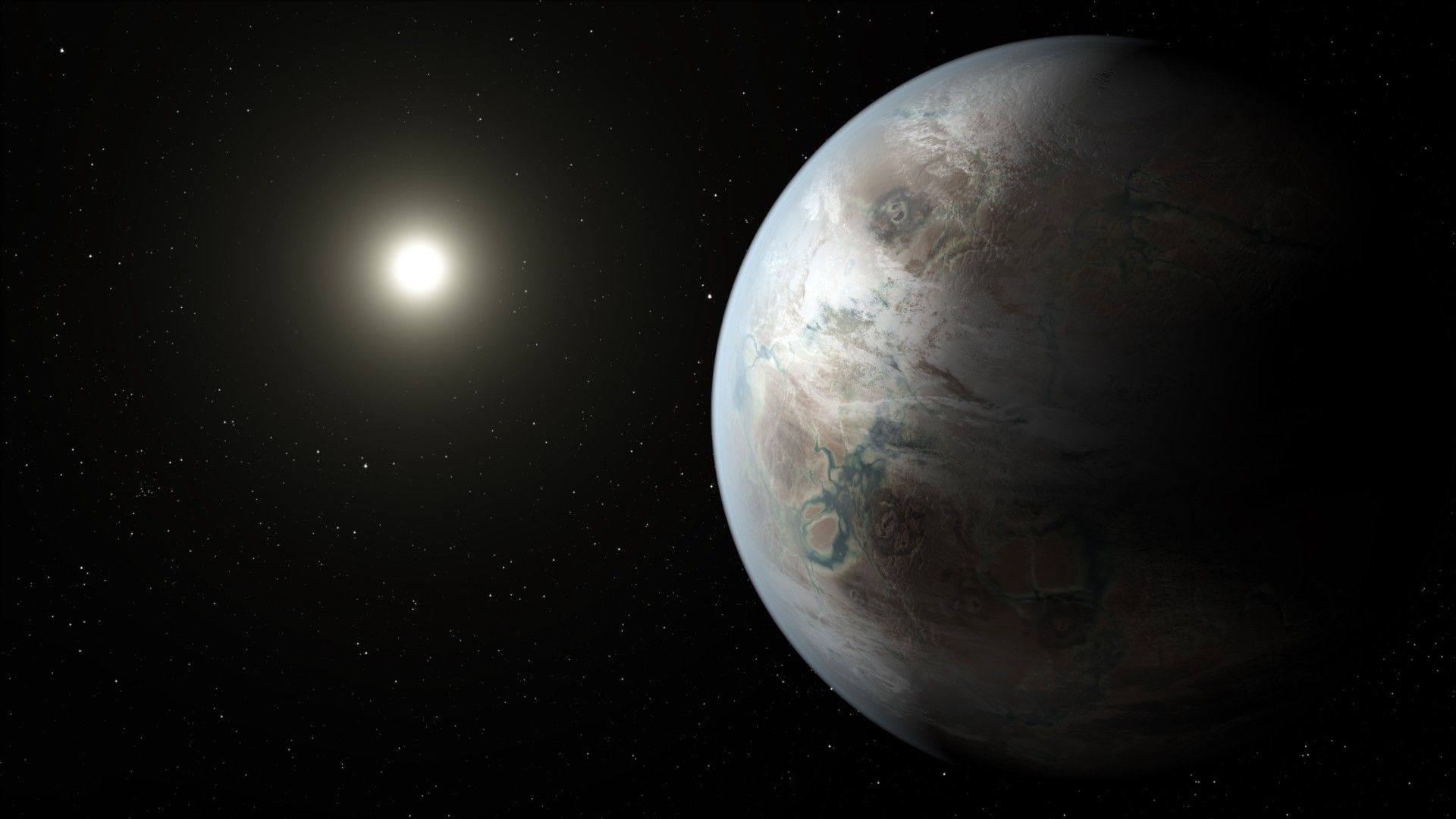
Astronomers analyzing Kepler/K2 data have identified a possible rocky exoplanet, HD 137010b, orbiting a K-type dwarf about 146 light-years away. It is expected to be about 1.06 times the diameter of Earth and complete an orbit roughly every 355 days, receiving around 29% of the Sun-like energy Earth gets. This places it at the outer edge of the star’s habitable zone, meaning its surface could be frozen unless it has a thick atmosphere. Only one transit has been observed, so the planet’s existence and exact conditions remain unconfirmed, but future observations by missions such as CHEOPS, TESS, PLATO, and JWST could help determine its reality and assess any atmosphere. The discovery paper notes a 40% chance of being in the conservative HZ, a 51% chance in the optimistic HZ, and a 50/50 chance of not being in the HZ at all.

Citizen Scientist Discovers Earth-sized Exoplanet, Paving Way for Next-Gen Telescopes to Study It
science28 days ago

Citizen Scientist Discovers Earth-sized Exoplanet, Paving Way for Next-Gen Telescopes to Study It

A citizen scientist analyzing Kepler data identified an Earth-sized exoplanet, HD 137010b, orbiting a nearby K-dwarf star HD 137010 (about 146 light-years away). The discovery, made by Alexander Venner, was noted for having been missed by automated searches and will guide upcoming telescope campaigns (ESA’s PLATO and Terra Hunting Experiment) to scrutinize a potentially habitable world.

Earth-sized exoplanet HD 137010 b hints at a Mars-like world in its star’s habitable zone
space29 days ago

Earth-sized exoplanet HD 137010 b hints at a Mars-like world in its star’s habitable zone

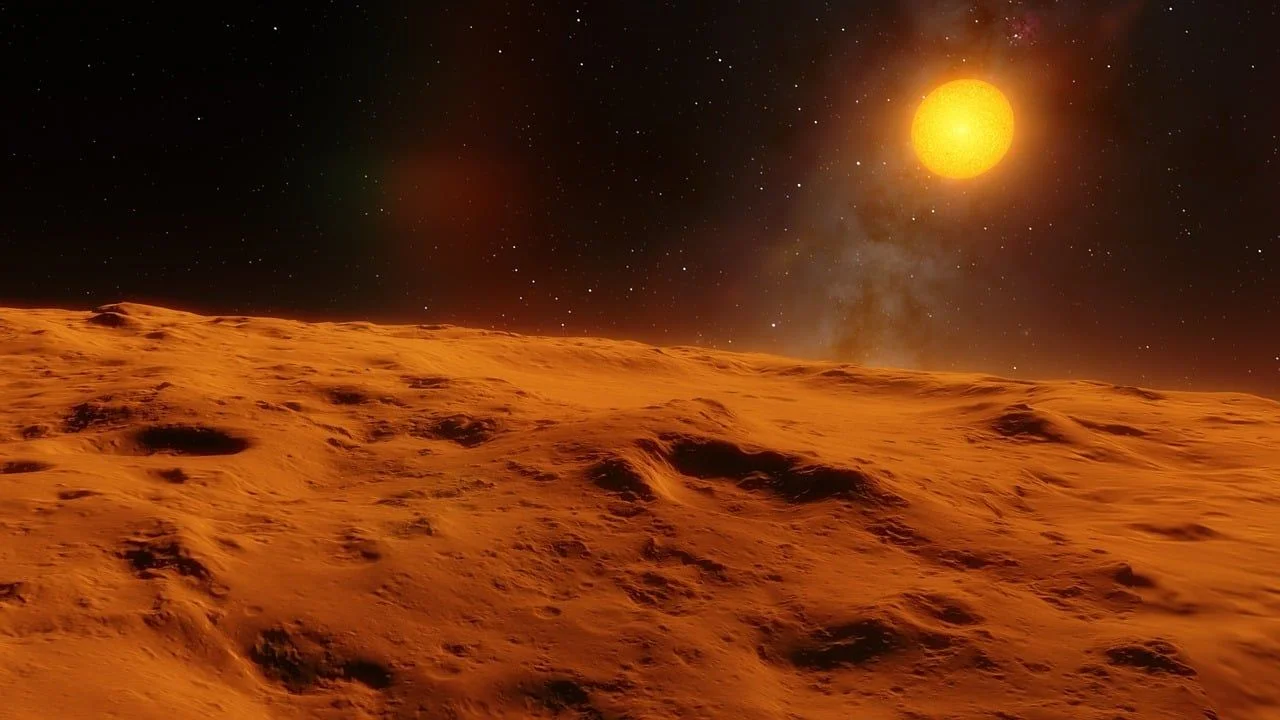
An Earth-sized planet HD 137010 b, about 6% larger than Earth and 146 light-years away, orbits a sun-like star every ~355 days and has roughly a 50% chance of residing in its star's habitable zone. Its surface temperature would be more Mars-like due to the cooler, dimmer star, potentially below −70°C. The planet was detected via a transit captured by NASA's Kepler K2 mission and initially flagged by citizen scientists; confirmation requires additional transits, and its proximity makes it a prime target for future telescopes.

science1 month ago

Earth-sized exoplanet candidate found near the habitable zone of a sun-like star

An international team led by Australian astronomers identified HD 137010 b, an Earth-sized exoplanet candidate about 146 light-years away that orbits a sun-like star near the outer edge of its habitable zone; the detection came from a single transit in archival Kepler/K2 data and the candidate has an estimated 50% chance of habitability, being roughly 6% larger than Earth.

Nearby Super-Earths with Water and Life Potential
science4 months ago

Nearby Super-Earths with Water and Life Potential

Scientists have discovered a super-Earth called GJ 251 c, located just 18 light-years away, which resides in its star's habitable zone where liquid water could exist, making it a promising candidate in the search for extraterrestrial life. The discovery was made using advanced radial velocity techniques and state-of-the-art instruments, highlighting the potential for future direct imaging and the possibility of finding life beyond Earth.