Tag

Habitable Worlds Observatory

All articles tagged with #habitable worlds observatory

NASA's Habitable Worlds Observatory: The Future of Space Exploration

Originally Published 5 months ago — by Big Think

Featured image for NASA's Habitable Worlds Observatory: The Future of Space Exploration
Source: Big Think

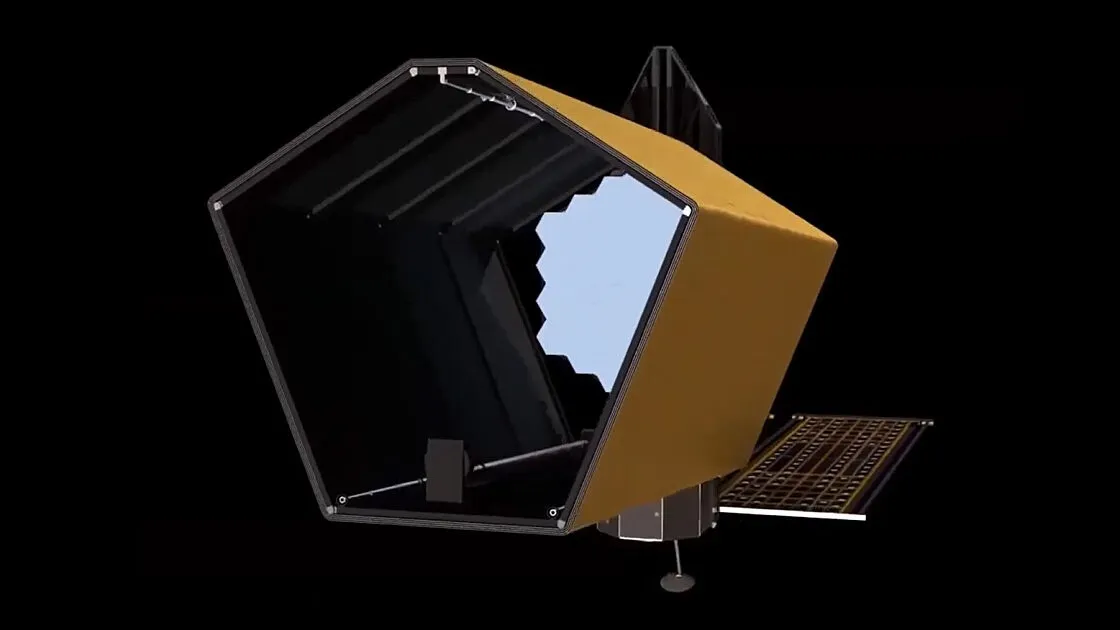
NASA's proposed Habitable Worlds Observatory aims to be a groundbreaking space telescope capable of directly imaging Earth-like exoplanets and advancing our understanding of the universe, but its future depends on securing sustained funding amidst current political and financial uncertainties.

NASA's New Alloy Enhances Exoplanet Detection and Habitability Research

Originally Published 6 months ago — by theregister.com

Featured image for NASA's New Alloy Enhances Exoplanet Detection and Habitability Research
Source: theregister.com

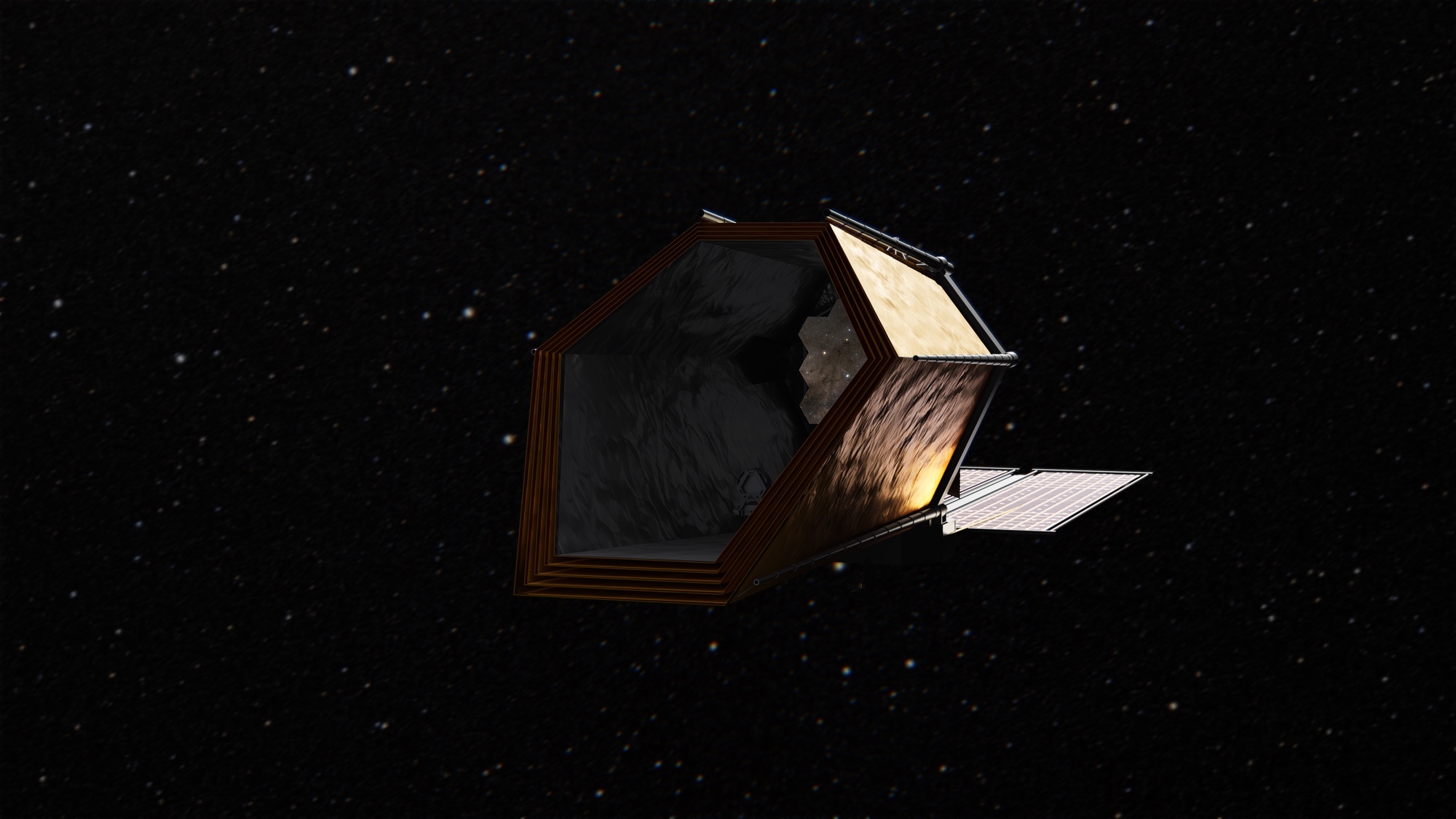
NASA is researching a negative thermal expansion alloy called Alloy 30 that shrinks when heated, to improve the stability of future space telescopes like the Habitable Worlds Observatory, which aims to detect exoplanets by observing faint signals near bright stars. Tests show Alloy 30 can offset the expansion of other materials, potentially enhancing the precision and stability of space instruments critical for exoplanet research.

NASA Advances Tech to Discover Earth-Like Planets

Originally Published 1 year ago — by SpaceNews

Featured image for NASA Advances Tech to Discover Earth-Like Planets
Source: SpaceNews

Congressional language in the fiscal year 2024 omnibus spending bill has forced NASA to disband the Science, Technology, Architecture Review Team (START) for the Habitable Worlds Observatory, a large space telescope planned for the early 2040s. The bill mandates NASA to spend at least $10 million on the project this year and establish a project office at the Goddard Space Flight Center, complicating the agency's initial plans for early development. Despite this, NASA will continue its efforts through volunteer working groups and maintain a broad, inclusive program.

NASA Funds Innovations for Future Habitable Worlds Mission

Originally Published 1 year ago — by NASA

Featured image for NASA Funds Innovations for Future Habitable Worlds Mission
Source: NASA

NASA has awarded three industry proposals to advance technologies for the future Habitable Worlds Observatory mission, aimed at directly imaging Earth-like planets and studying their atmospheres for signs of life. The selected projects, with a combined value of $17.5 million, will focus on ultra-stable optical systems, integrated modeling infrastructure, and maturing telescope support technologies. This initiative builds on previous large space telescope technologies and aims to close technology gaps for this ambitious mission.

"Astronomers Discover 164 Potential Habitable Worlds"

Originally Published 2 years ago — by Universe Today

Featured image for "Astronomers Discover 164 Potential Habitable Worlds"
Source: Universe Today

A team of researchers from UC Berkeley and UC Riverside has compiled a database of 164 exoplanets that could be prime targets for NASA's upcoming Habitable Worlds Observatory (HWO) mission, which aims to search for potentially habitable exoplanets and biosignatures. The database includes measurements of stellar element abundance, photometric values, flare rates, variability estimates, and X-ray emissions, collected from publicly available sources such as Gaia, TESS, and WISE. This catalog will help define the scientific and technical goals for the HWO, and is freely available for further exploration and potential contributions to future work.

NASA Prepares for Launch of Next Generation Space Telescope

Originally Published 2 years ago — by Phys.org

Featured image for NASA Prepares for Launch of Next Generation Space Telescope
Source: Phys.org

NASA is in the early planning stages for its next flagship space telescope, the Habitable Worlds Observatory (HWO), which aims to study exoplanets, stars, and galaxies for signs of life. The telescope will utilize advanced technologies such as coronagraphs and starshades to block out starlight and analyze exoplanet atmospheres. The Technical Assessment Group (TAG) for HWO, consisting of 56 experts, will focus on developing the necessary technologies and design requirements for the mission. The HWO is expected to launch in the late 2030s or early 2040s.

NASA Prepares for Launch of Next Generation Flagship Space Telescope

Originally Published 2 years ago — by Universe Today

Featured image for NASA Prepares for Launch of Next Generation Flagship Space Telescope
Source: Universe Today

NASA is already planning for its next flagship space telescope, the Habitable Worlds Observatory (HWO), which could serve as the successor to the James Webb Space Telescope (JWST). The HWO aims to study exoplanets, stars, galaxies, and other celestial objects for signs of life beyond Earth. The Technical Assessment Group (TAG) for HWO, consisting of 56 individuals, will focus on developing key technologies and design requirements. The HWO is expected to launch in the late 2030s or early 2040s and will utilize a coronagraph to block out starlight and analyze exoplanet atmospheres for potential biosignatures.

"Searching for Alien Life: The Quest for Extraterrestrial Civilizations"

Originally Published 2 years ago — by Caltech

Featured image for "Searching for Alien Life: The Quest for Extraterrestrial Civilizations"
Source: Caltech

Scientists and engineers at Caltech are discussing the development of the Habitable Worlds Observatory (HWO), a proposed space telescope that aims to detect signs of life on exoplanets. The HWO would be the next powerful astrophysics observatory after NASA's James Webb Space Telescope and would have the ability to study stars, galaxies, and exoplanets. The telescope's ability to characterize exoplanet atmospheres and search for biosignatures depends on advanced technologies such as coronagraphs, which block the glare from distant stars. The HWO mission is expected to launch in the late 2030s or early 2040s, and scientists hope to have a catalog of at least 25 Earth-like planets to explore by then.