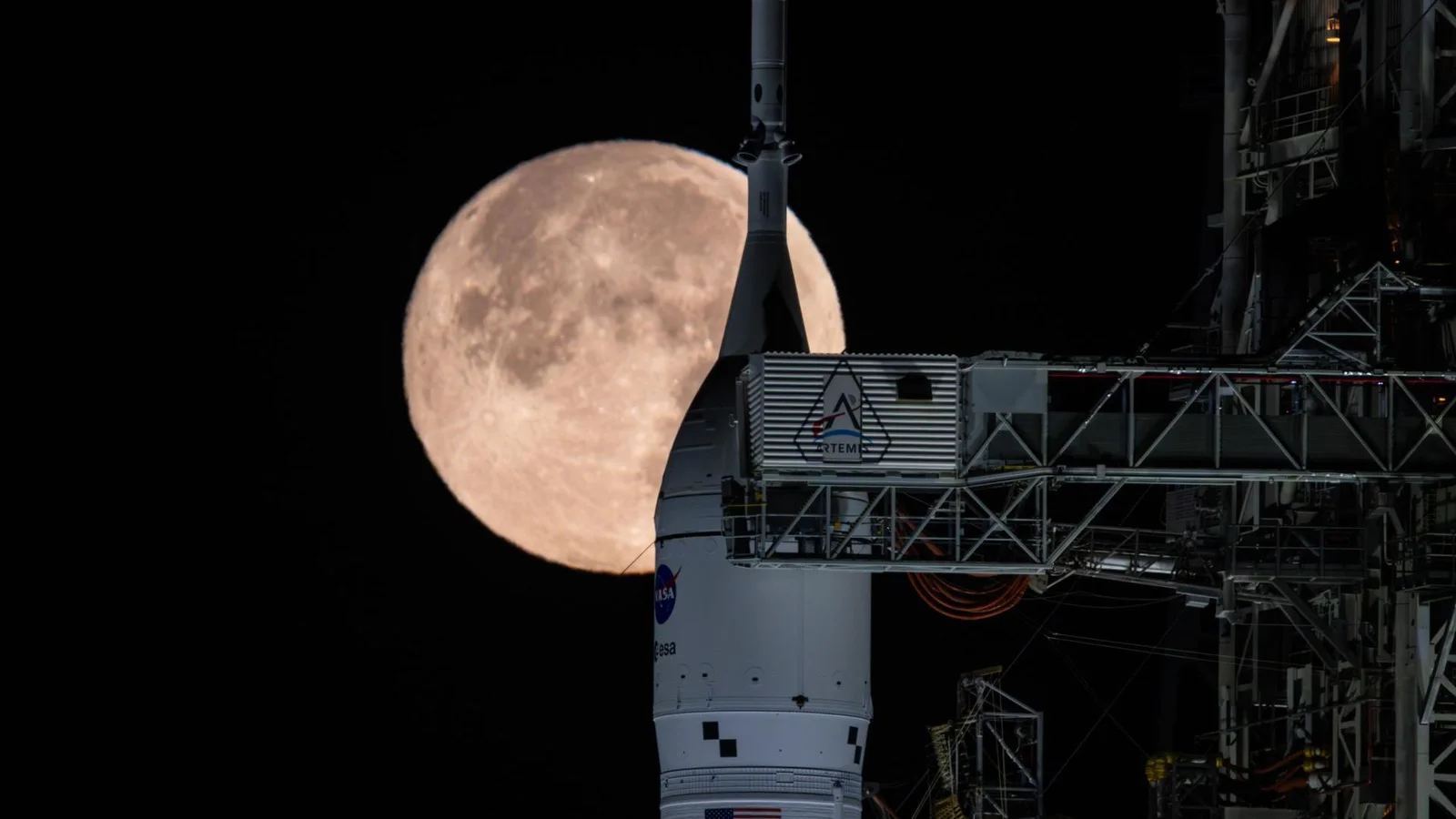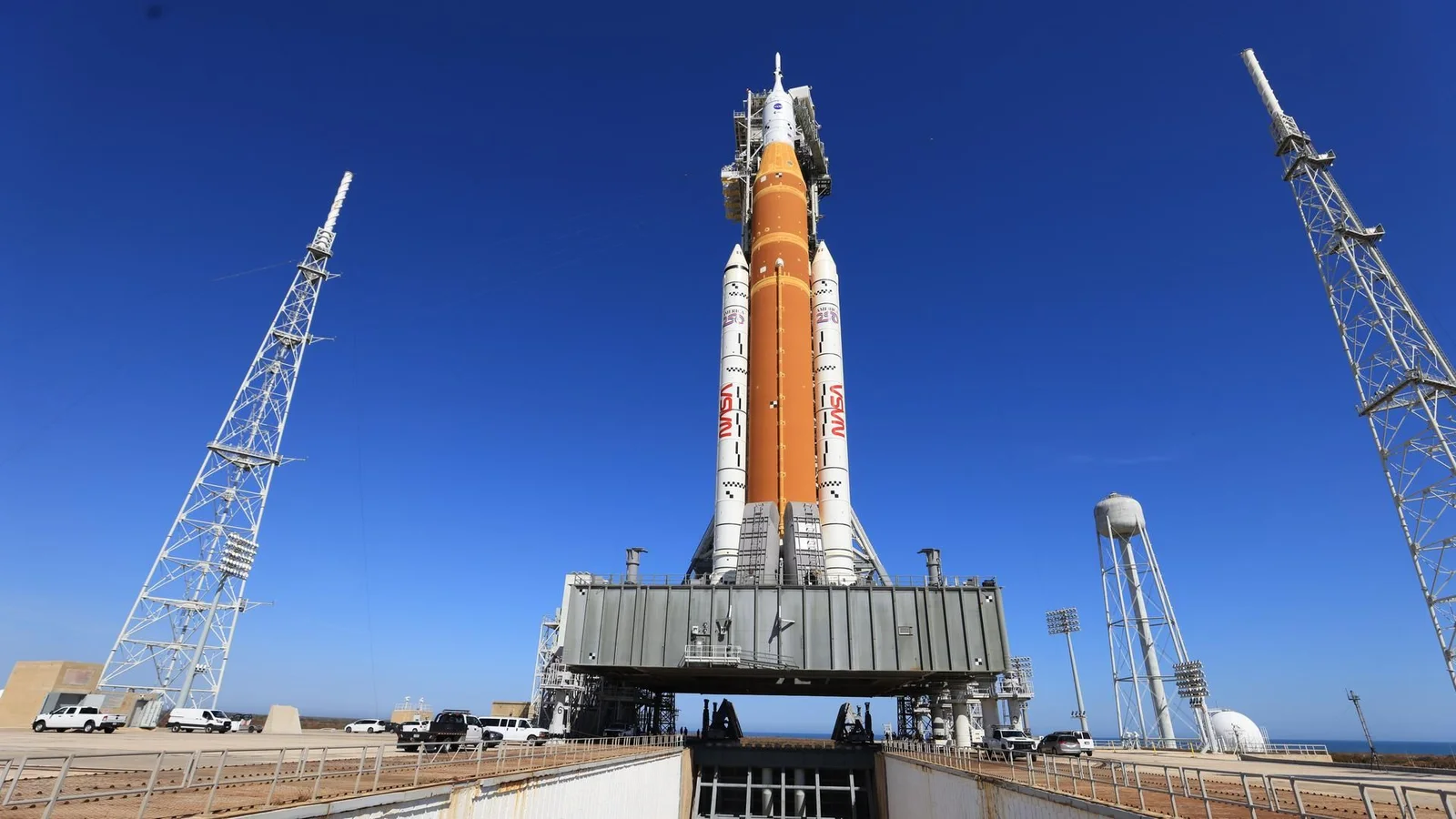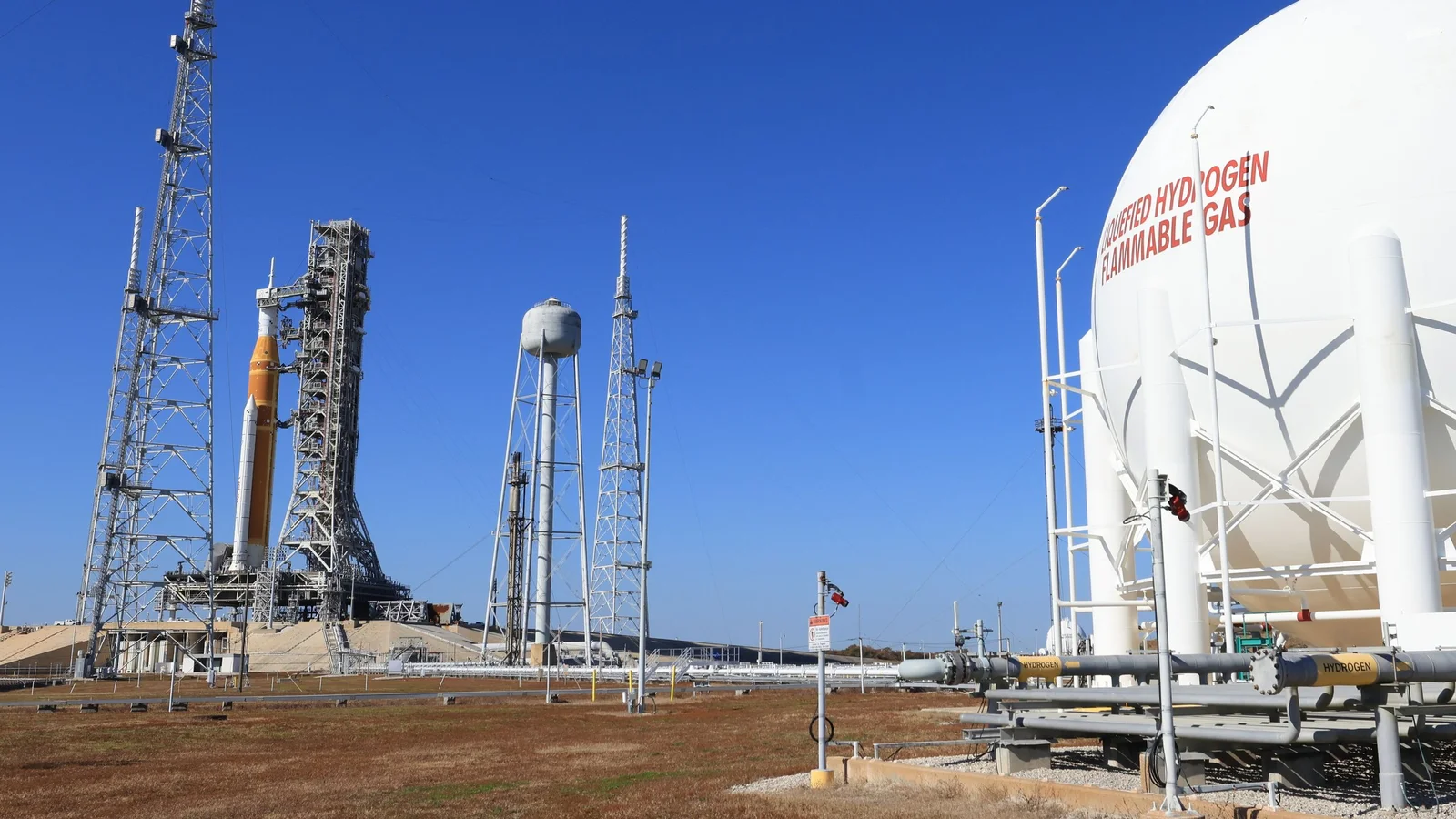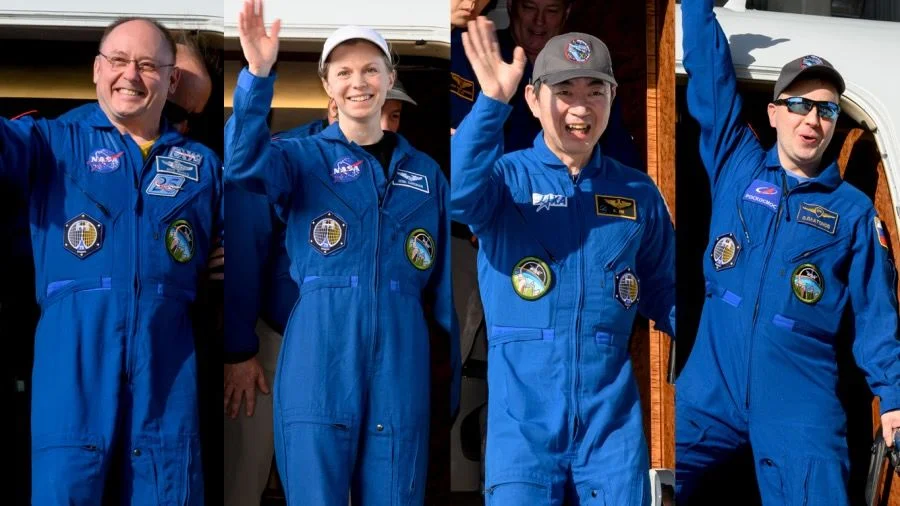
NASA's Artemis II mission, the first crewed Moon mission in over 50 years, is scheduled to launch between February 6 and April 2023 from Kennedy Space Center, with a crew of four astronauts testing spacecraft systems and preparing for future lunar landings, but it will not land on the Moon itself.
Apollo 16 astronaut Charles Duke left a family photograph and personal items on the Moon in 1972, including a heartfelt message, as a tribute to his loved ones and his career, creating a lasting personal legacy on the lunar surface.
Scientists have discovered a mysterious hole on Mars that could be a skylight leading to lava tubes, which may serve as protective habitats for future human explorers by shielding them from radiation and harsh environmental conditions. The hole's exact nature is still under investigation, but it represents a promising avenue for exploring underground refuges on Mars, similar to lunar lava tubes, and could be crucial for sustainable colonization.
NASA is demolishing two historic test stands at Marshall Space Flight Center used for testing Saturn V rockets and Space Shuttle components, as part of a broader effort to modernize its facilities and reduce maintenance costs, while preserving their legacy through digital documentation.
The article advocates for shifting planetary exploration from costly, slow government-led missions to a more agile, industry-led operational model that leverages commercial capabilities, enabling faster, more frequent, and affordable missions to advance science and U.S. leadership in space by 2026.
NASA is preparing for the Artemis 2 mission, aiming for a February launch window, with key milestones like rocket rollout scheduled for mid-January. Despite limited public updates, recent tests and internal preparations suggest the mission is progressing, marking the first crewed lunar trip since 1972.
Astronomers used the Green Bank Telescope to search interstellar comet 3I/ATLAS for signs of extraterrestrial technology but found no technosignatures, confirming it is a natural comet and not an alien spacecraft. The study highlights the importance of continued searches for interstellar objects that might harbor technological signals in the future.
NASA's Artemis 2 mission, set for launch in 2026, will send four astronauts on a 10-day lunar flyby to test systems for future lunar landings, marking a significant step toward establishing a sustained human presence on the Moon, with European contributions playing a key role.
New analysis of NASA's Cassini data reveals that Kraken Mare, Titan's largest sea, may reach depths of up to 300 meters, making it the deepest known sea on Titan and a significant surface reservoir, which raises new questions about the moon's geophysical processes and potential habitability.
China's upcoming Chang'e 7 lunar mission, scheduled for 2026, aims to explore the moon's south pole, search for water ice, and support future lunar base plans, featuring international payloads and advanced scientific instruments.
Elon Musk claims his new rocket, Starship, is as significant as the origin of life in its potential impact on humanity's future, despite ongoing test failures and NASA's hesitations, positioning it as a revolutionary step towards multi-planetary civilization.
A study in MNRAS reveals that most asteroids, especially carbon-rich ones, contain low precious metals, making mining for gold unviable. Instead, water-rich asteroids are identified as more practical resources for future space exploration, providing water for fuel and life support, while also aiding planetary defense efforts. Technological challenges remain significant for actual mining operations, emphasizing the need for further research and development.
NASA's twin ESCAPADE probes were launched into a loiter orbit near Earth's Lagrange point 2 to analyze solar wind interactions with Mars' atmosphere. They will use Earth's gravity for a slingshot to Mars in late 2026, with a planned orbit insertion in 2027. The extra year in space adds some wear but is deemed manageable, serving as a template for future Mars missions and colonization efforts.
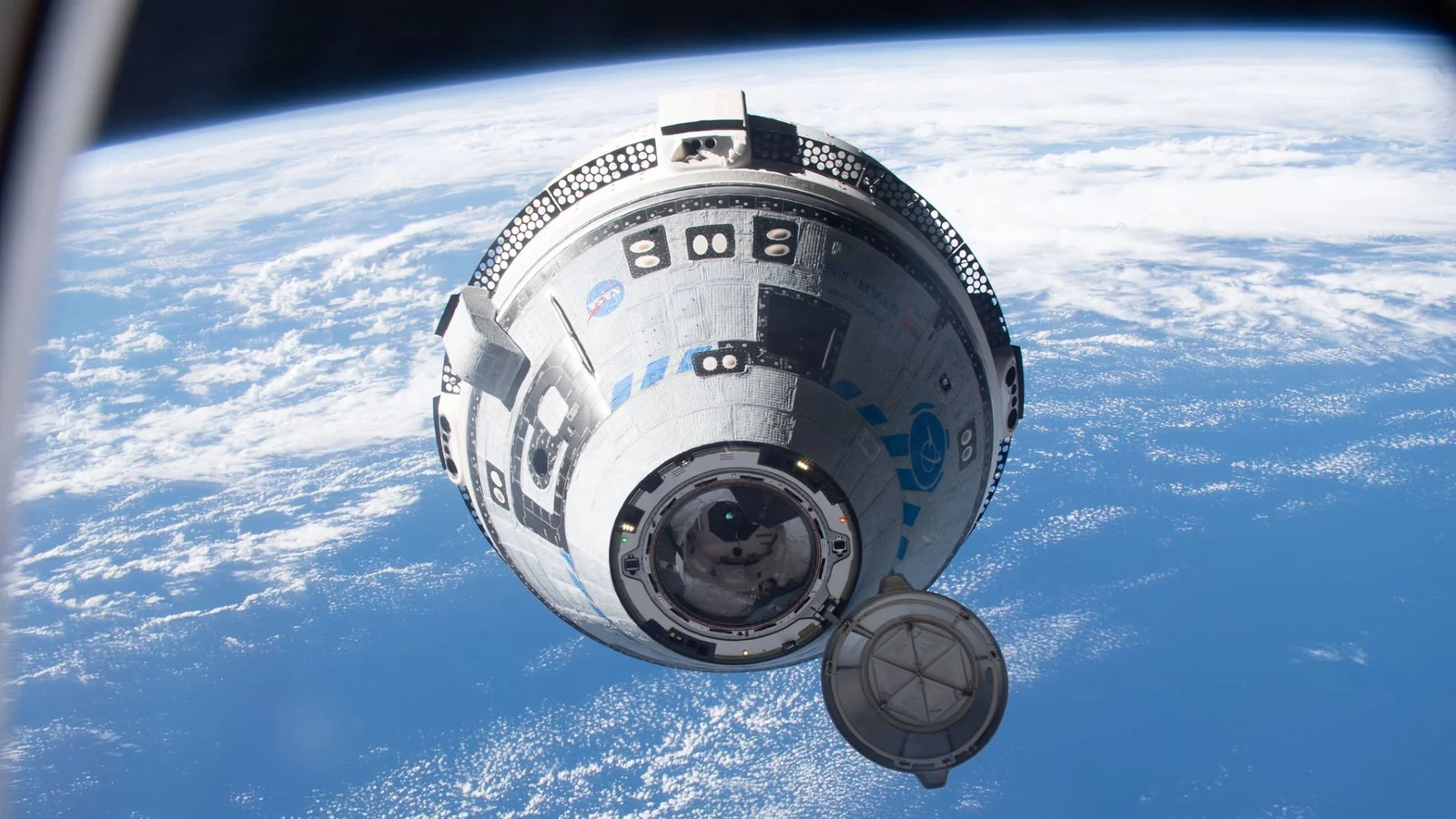
The article highlights six major space events in 2026, including NASA's Artemis II moon mission, India's Gaganyaan-1 crew capsule, the Pandora exoplanet hunter, the Haven-1 space station, the Boeing Starliner return to flight, and lunar rover missions, marking significant advancements in human space exploration and scientific discovery.
A recent study suggests that while mining undifferentiated asteroids may not be feasible, certain water-rich and mineral-rich asteroids could be valuable sources of raw materials, supporting future space resource exploitation and exploration efforts. The research emphasizes the need for further missions and technological development to realize asteroid mining's potential, which could benefit humanity by providing resources and reducing Earth's environmental impact.