Astronomers are watching what appears to be a star being shredded by a black hole, offering a rare real-time view of a tidal disruption event and the extreme physics of how black holes feed on stars, with signals expected across the electromagnetic spectrum.
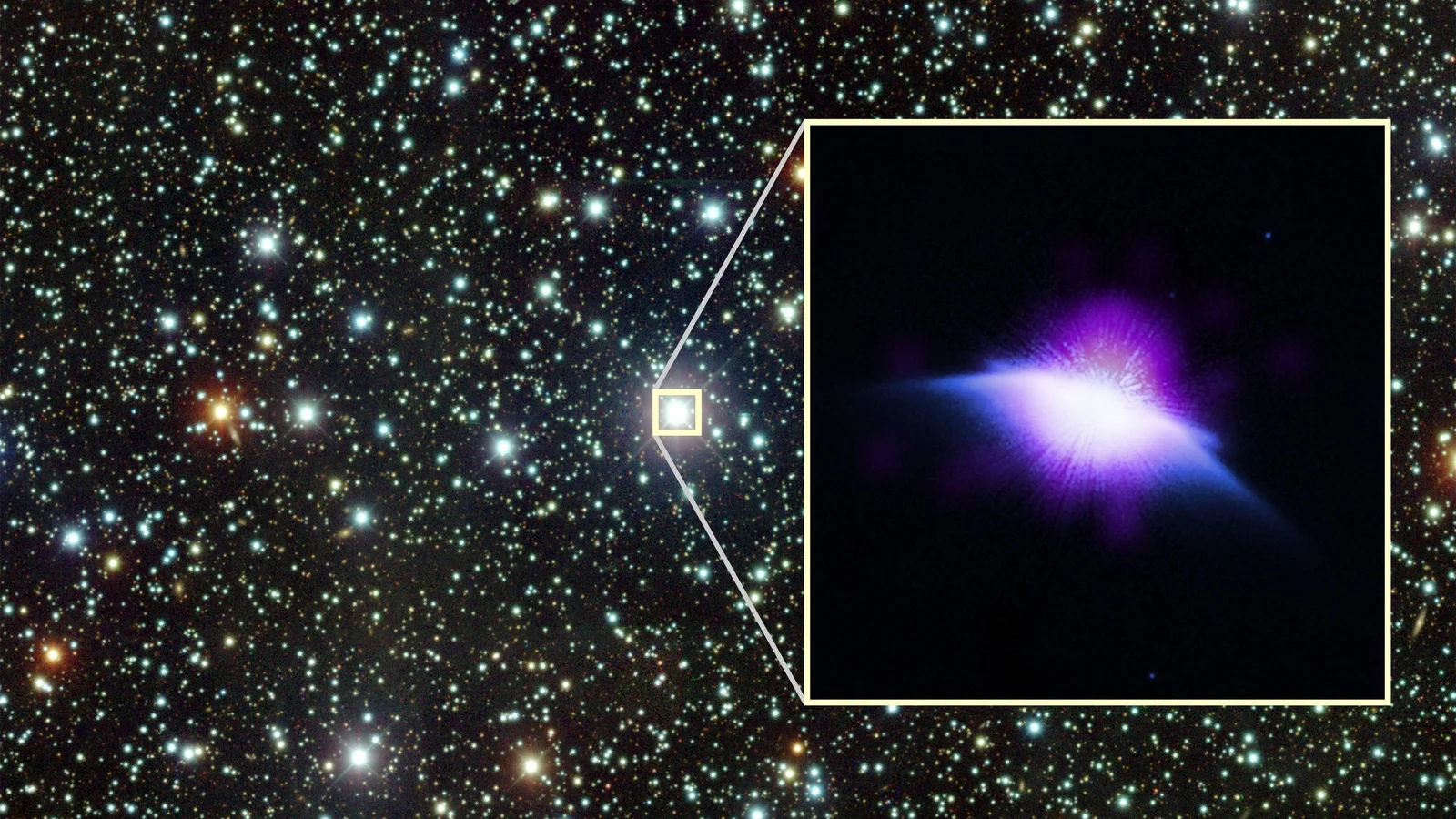
Astronomers using ESO’s Very Large Telescope observed a glowing bow shock around the white dwarf RXJ0528+2838 in a binary system, even though the star shows no accretion disc or obvious outflow. The shock, visible in red, green, and blue, appears to have been powered for about 1,000 years, challenging standard models of how matter moves in such systems. A strong magnetic field could be funneling material from the companion directly onto the dead star without forming a disc, but this mechanism, if real, would only partly explain the phenomenon, leaving the exact origin of the outflow a mystery as reported in Nature Astronomy.
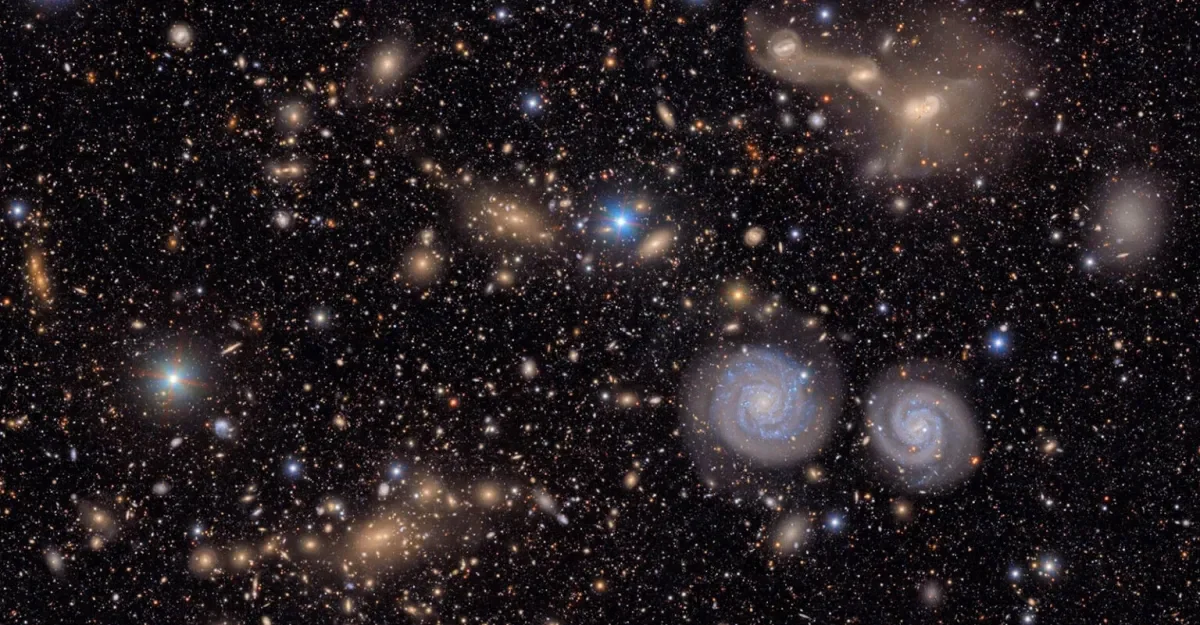
Astronomers are studying a newly identified ultra-massive object (~1 million solar masses) whose core appears to be a black hole, a discovery that challenges current models of extreme gravity and the formation of massive cosmic structures.
The Royal Astronomical Society announced its 2026 award winners, including Professor Shrinivas Kulkarni for astronomy and Professor Andrew Jackson for geophysics, recognizing groundbreaking contributions in their fields, along with other medals honoring achievements in astrophysics, instrumentation, outreach, and history of astronomy.
Astronomers have confirmed that Betelgeuse has a hidden companion star, Siwarha, which creates a dense gas wake as it moves through the star's atmosphere, explaining long-standing variability and behavior changes in this red supergiant, with future observations planned for 2027.
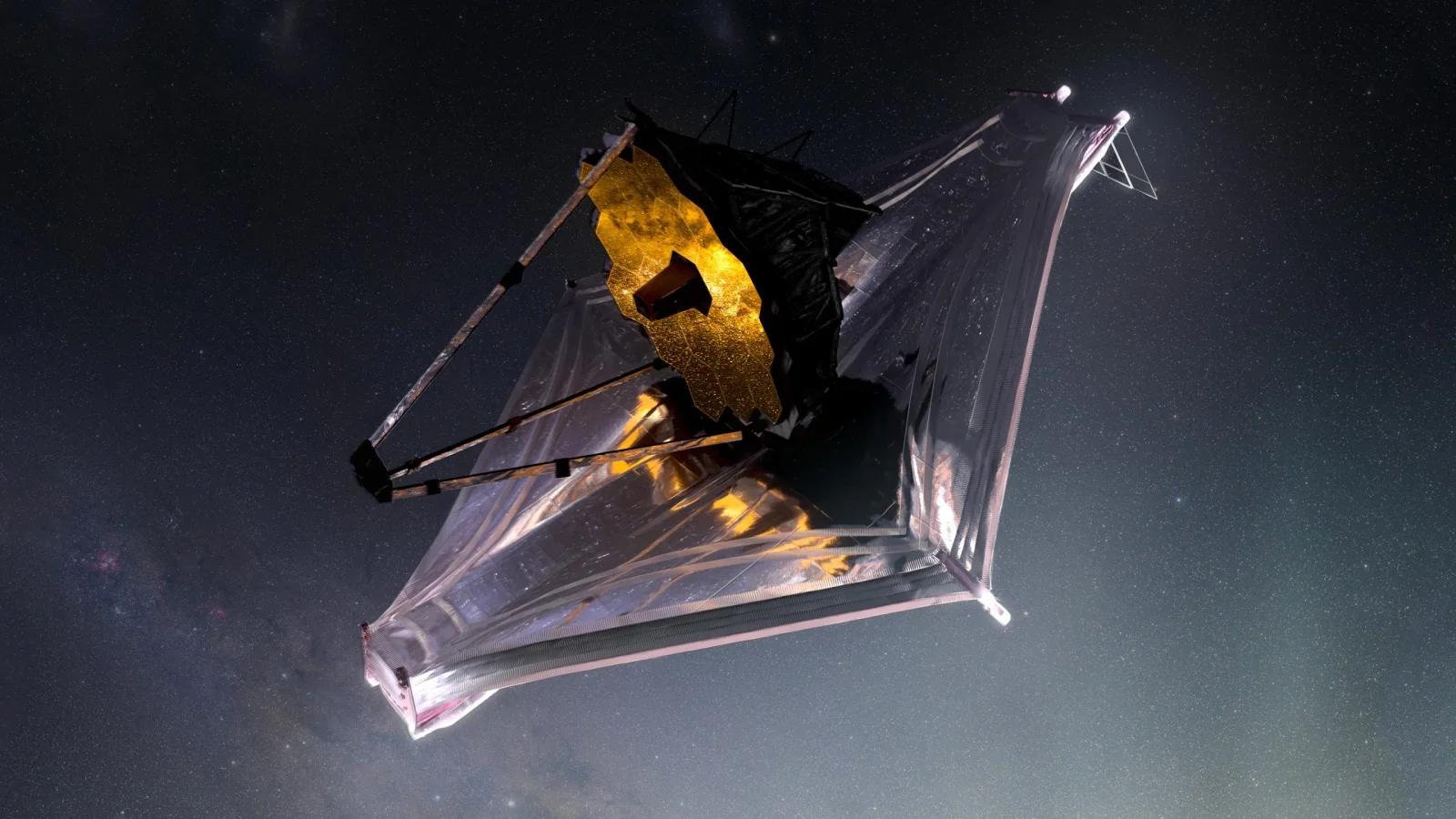
Strange cosmic objects observed by the James Webb Space Telescope may be young 'platypus' galaxies or a new class of active galactic nuclei, providing insights into galaxy formation in the early universe. These objects exhibit mixed features of stars and galaxies, challenging existing classifications and hinting at unique formation processes.
NASA's Chandra X-ray Observatory has released a 25-year time-lapse video showing the expansion of Kepler’s Supernova Remnant, providing valuable insights into the aftermath of a Type Ia supernova and its interaction with the surrounding environment, highlighting the importance of supernovae in cosmic evolution.
China's Chinese Space Station Telescope (CSST), also known as Xuntian, has completed a high-quality scientific data simulation, marking a key step toward its 2026 launch. The telescope features advanced optical systems with a 2-meter aperture, designed for wide-field, multi-color imaging to study galaxies, stars, and exoplanets, promising significant contributions to astrophysics and cosmology. It will operate independently and dock with China's space station for maintenance, supporting long-term space-based scientific exploration.
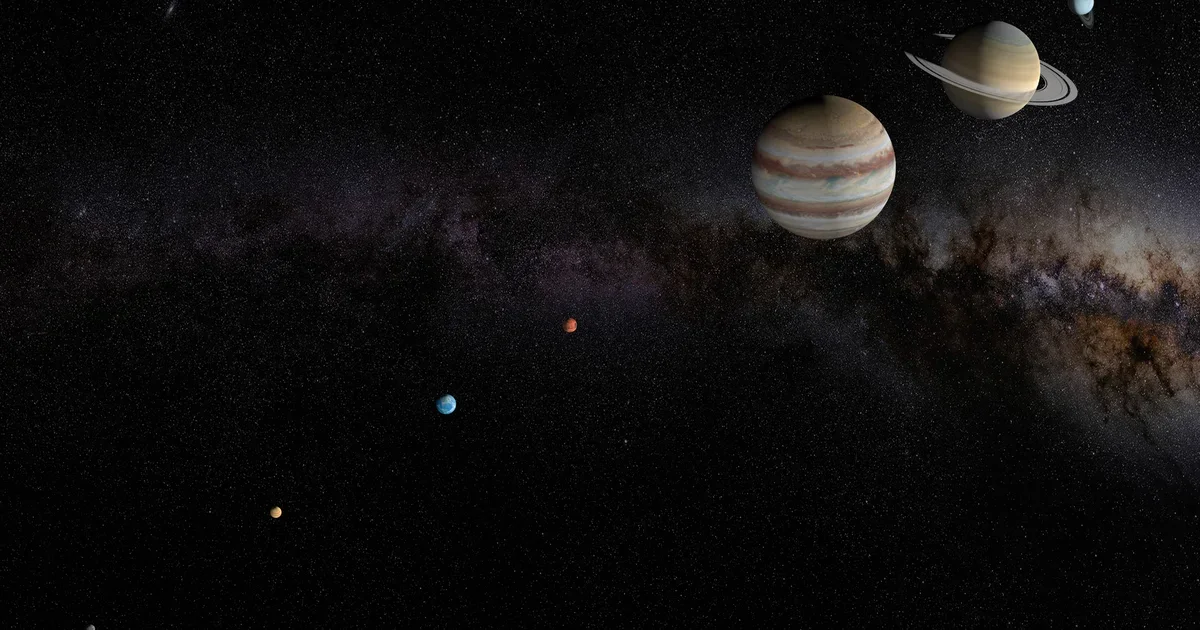
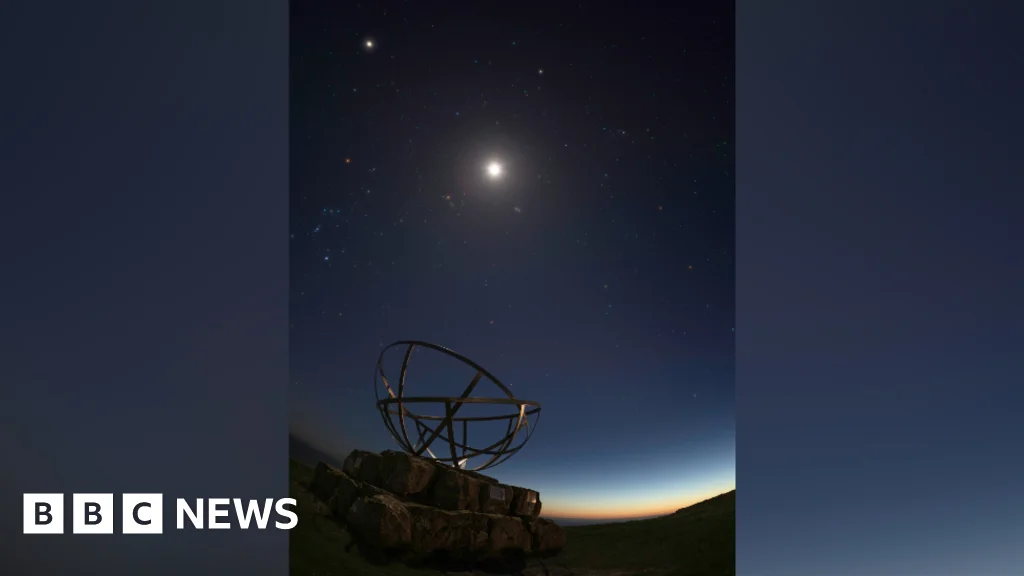
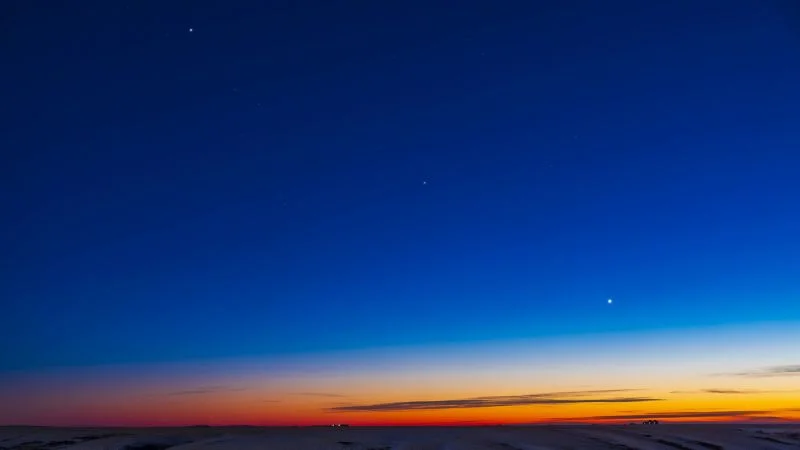
This weekend, Jupiter reaches opposition, making it the brightest and most visible in the night sky all year, especially near the constellation Gemini, offering a prime viewing opportunity with binoculars or telescopes to see its moons and cloud bands, and it will remain visible throughout January and into February.
A NASA timelapse video showcases 25 years of expansion of Kepler's Supernova remnant, revealing rapid changes in the explosion's debris, which helps astronomers understand supernova dynamics and element distribution in the universe.
The world's largest camera has detected the fastest-spinning asteroid with a diameter of over 0.3 miles, highlighting advancements in space observation technology.
A new study using NASA's James Webb Space Telescope has identified the mysterious 'little red dots' as massive, short-lived stars, providing insights into the formation of the universe's first supermassive black holes and advancing our understanding of early cosmic history.
Comet 24P/Schaumasse will reach its closest approach to the sun on January 8, but its current brightness level makes it invisible to the naked eye, requiring a telescope for observation, especially under dark sky conditions.
Astronomers observed 'the Whippet,' a powerful Tidal Disruption Event where a super-sized star was shredded by a black hole, releasing energy equivalent to 400 billion suns, providing new insights into black hole behavior and star destruction processes.
NASA released a detailed video of Kepler's Supernova remnant, created from 25 years of Chandra X-ray data, showcasing the explosion's debris moving at different speeds and providing insights into the supernova's environment and its role in cosmic evolution.