Tag

Space Debris

All articles tagged with #space debris

Shenzhou-20 Window Crack Far More Severe Than First Reported, Prompting Emergency Measures
science8 hours ago

Shenzhou-20 Window Crack Far More Severe Than First Reported, Prompting Emergency Measures

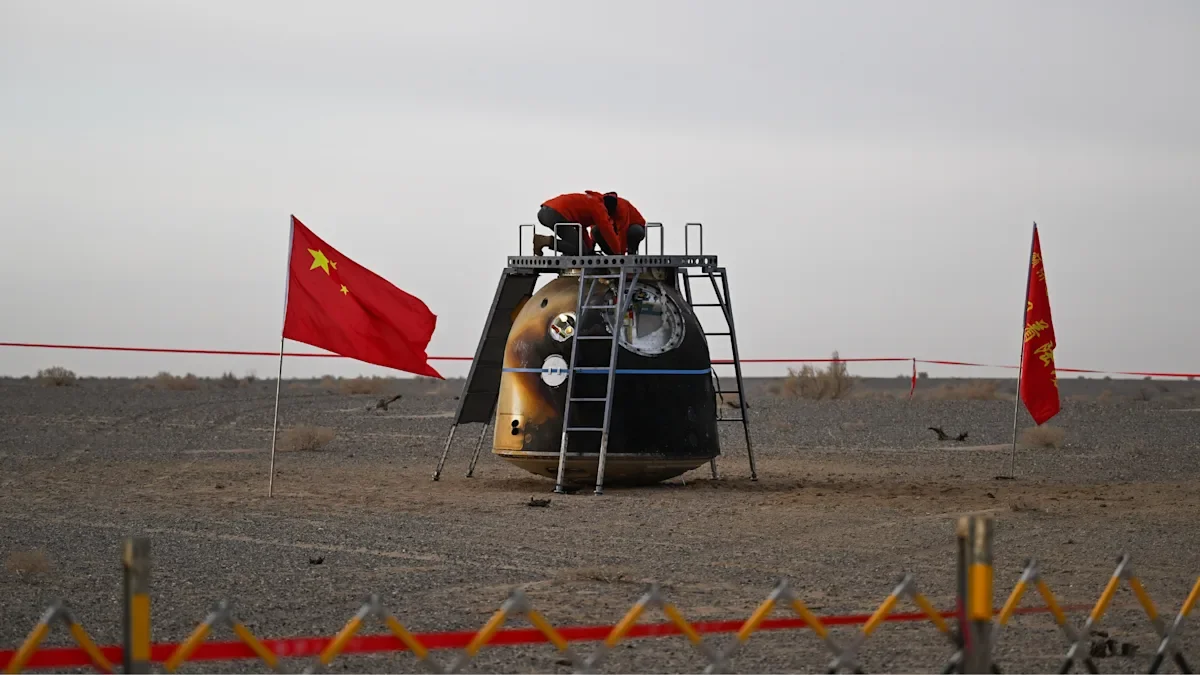
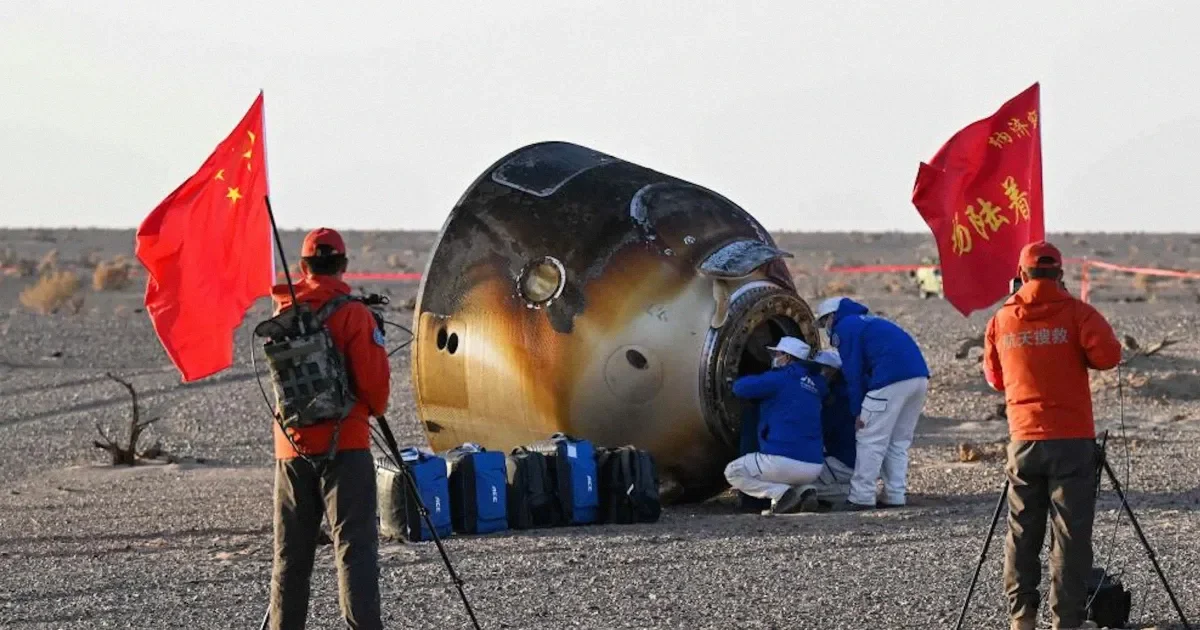
New revelations show that Shenzhou-20’s viewport cracks were far more serious than initially reported, triggering an uncrewed rescue mission, the use of a port-hole crack repair device during re-entry, and rapid ground-team actions—including cutting the main parachute to prevent dragging after landing when no crew member could detach it.
Megaconstellations Could Turn Earth's Atmosphere Into a Crematorium
science-tech1 day ago

Megaconstellations Could Turn Earth's Atmosphere Into a Crematorium

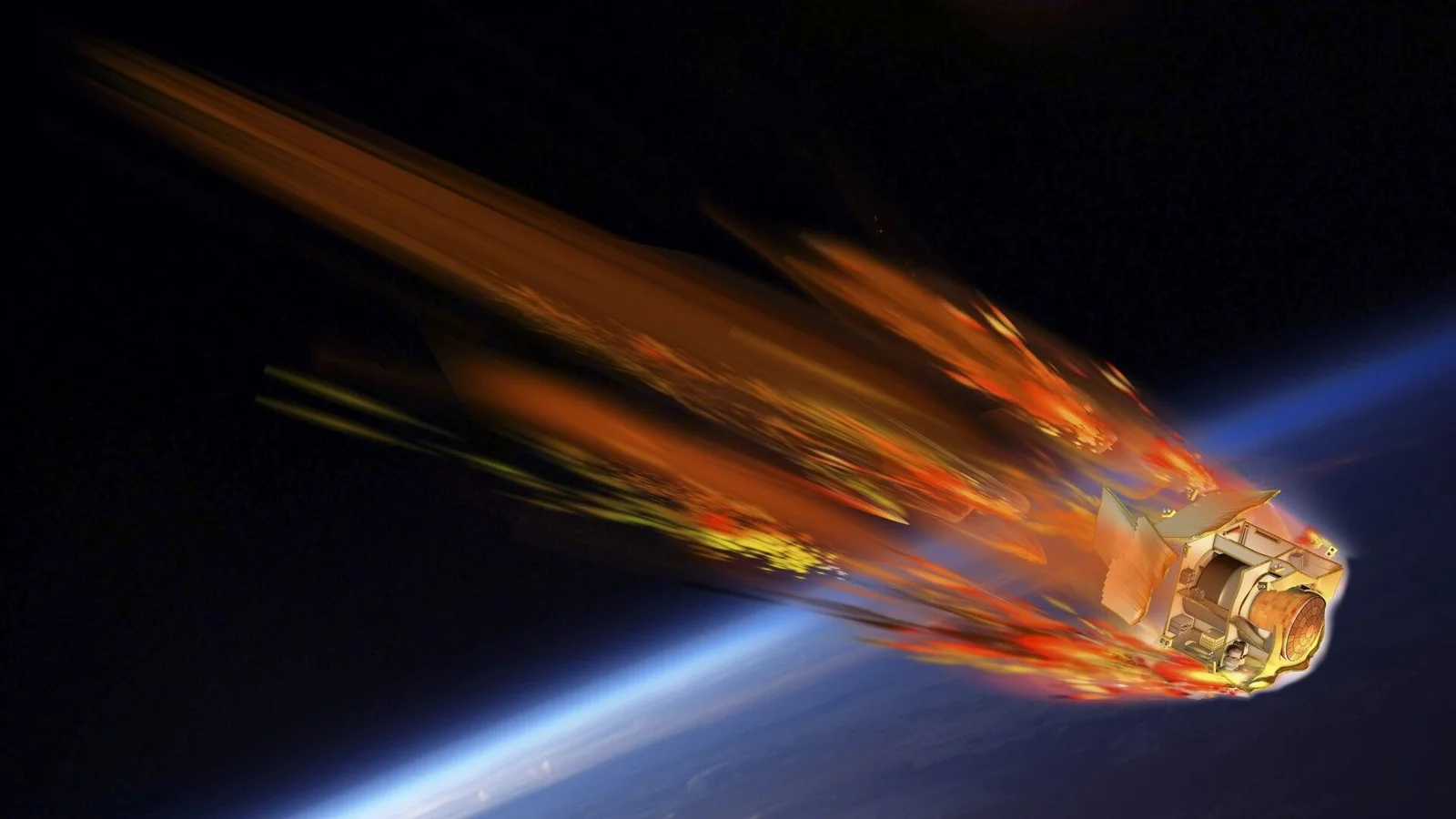
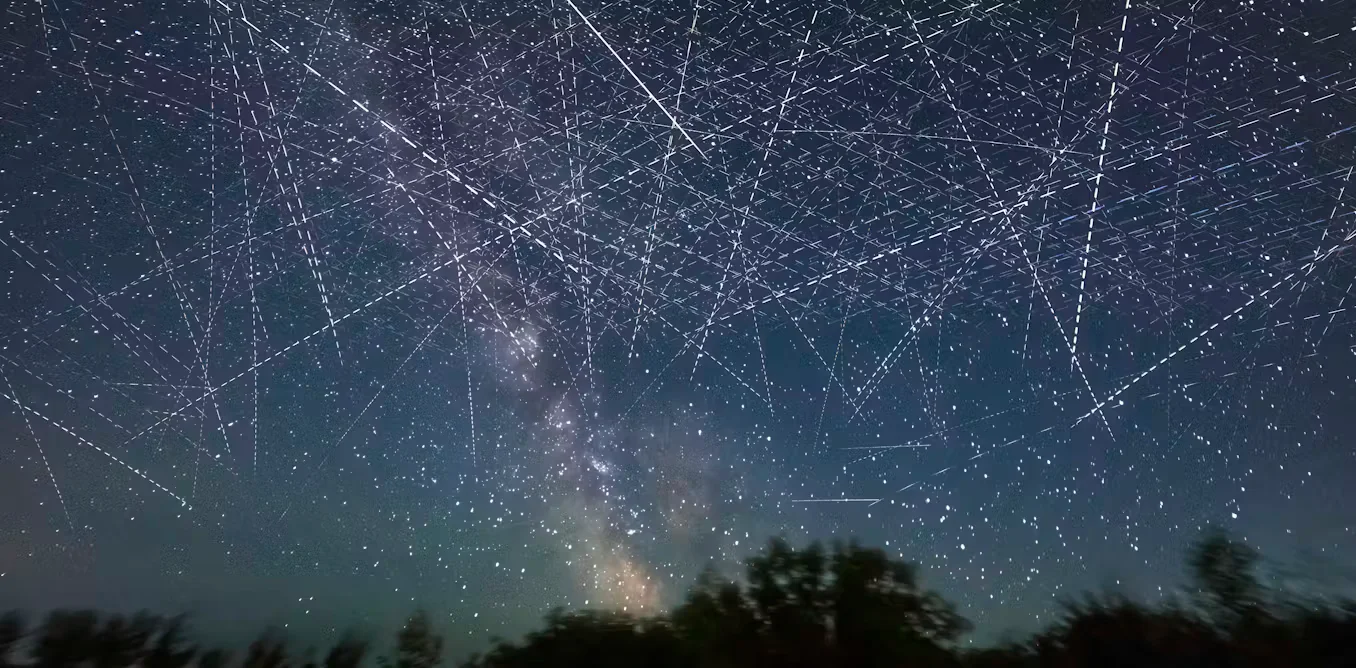
Researchers warn that the rapid push to satellite mega-constellations—SpaceX and other operators planning up to a million satellites—could cause vast amounts of debris to re-enter and burn up in the upper atmosphere, releasing alumina and other particulates that heat the atmosphere and deplete ozone, with potentially lasting climate impacts. Ground debris and casualty risks rise as more satellites are launched, and a million-satellite scale could significantly alter atmospheric chemistry. The piece calls for global regulation and a defined atmospheric carrying capacity for launches and re-entries, plus full lifecycle environmental assessments, urging SpaceX to take a leadership role.

Cracks in Shenzhou Window Expose Greater Space-Junk Risk
space1 day ago

Cracks in Shenzhou Window Expose Greater Space-Junk Risk

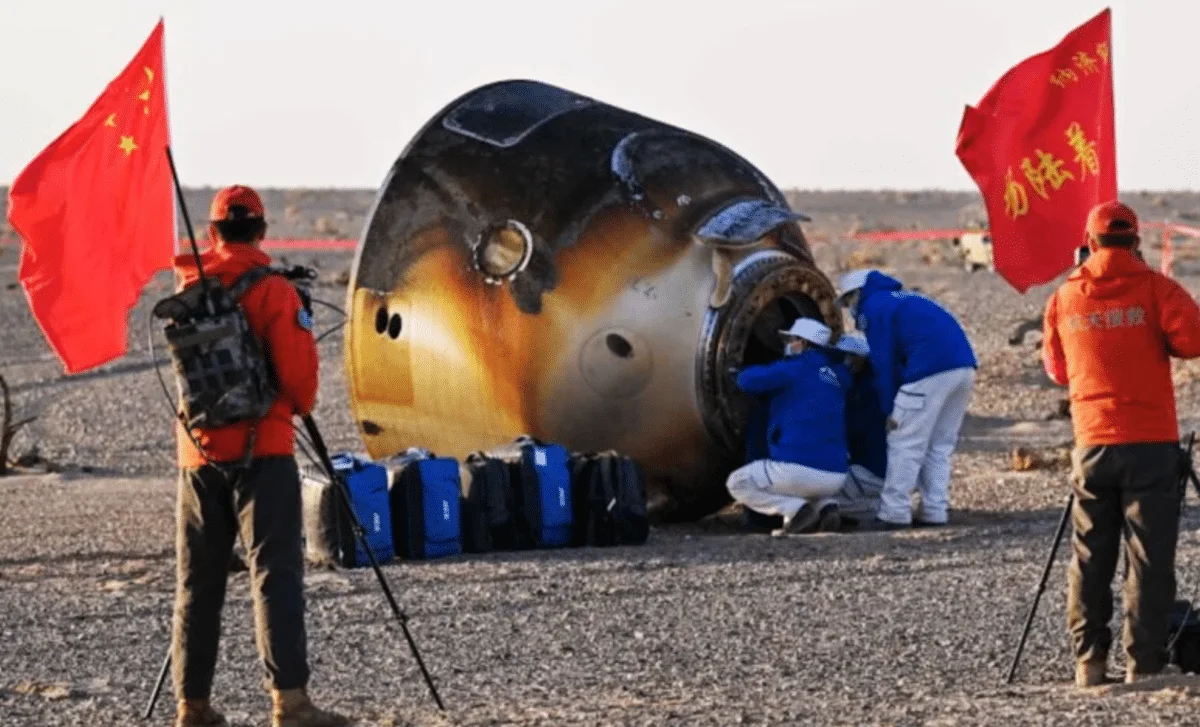
New details show cracks in the Shenzhou return capsule’s viewport penetrated the window, likely from space debris, with astronauts using a pen-shaped microscope to inspect them. A porthole crack repair device was deployed, a replacement crewless capsule was sent, and the damaged capsule landed in Mongolia on Jan 19. The incident underscores growing space-junk hazards as satellite megaconstellations expand.

Crack in Orbit: Chinese Taikonauts Survive Space Debris Hit
science1 day ago

Crack in Orbit: Chinese Taikonauts Survive Space Debris Hit

An anomaly on China’s Shenzhou 20 mission left three taikonauts temporarily stranded in space after a tiny piece of space debris cracked the viewport. After inspection, ground crews ferried them back to Earth using the Shenzhou 21 capsule that had been sent to retrieve the relief crew, leaving Shenzhou 20 docked. The empty Shenzhou 20 was later brought back to Earth as the Shenzhou 21 crew returned in another capsule. The crew landed in Inner Mongolia on Jan. 19, 2026. The incident highlights the dangers of orbital debris and showcases China’s space program’s safety and resilience.

Taikonauts recount discovering window cracks on Shenzhou-20 during return prep
space2 days ago

Taikonauts recount discovering window cracks on Shenzhou-20 during return prep

Chinese taikonauts aboard Shenzhou-20 described spotting a triangular mark on the return capsule’s window—suggesting cracks likely from a space‑debris impact—during routine checks at the Tiangong space station. The finding delayed their departure, with ground teams and the Shenzhou-21 relief crew working to assess the damage. The crew ultimately returned to Earth nine days later aboard Shenzhou-21 after a 204‑day in‑orbit stay, in what CCTV and officials describe as China’s first spaceflight emergency.

Lithium Trail in Upper Atmosphere Traced to SpaceX Re-entry
science5 days ago

Lithium Trail in Upper Atmosphere Traced to SpaceX Re-entry

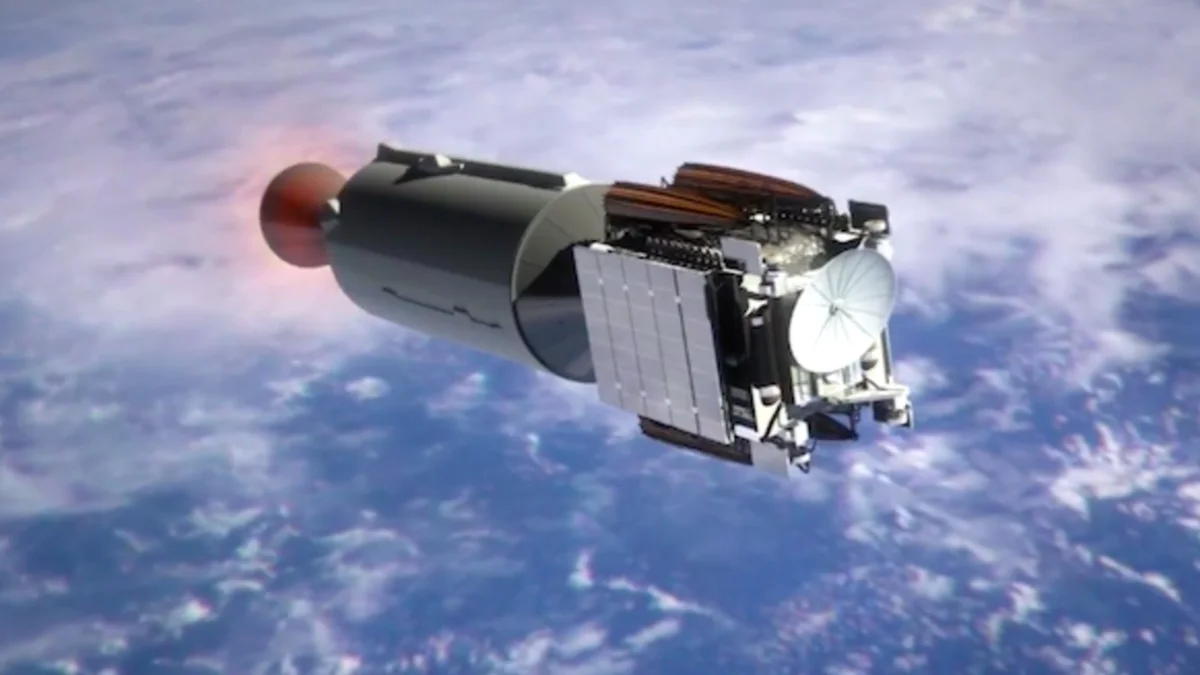
Researchers using sensitive lasers detected a rapid lithium plume in the mesosphere–lower thermosphere and traced it to the February 2025 re-entry of a discarded SpaceX Falcon 9 upper stage, marking the first ground-based observation that re-entering space debris leaves a detectable chemical fingerprint. With orbital activity rising and megaconstellations planned, the study underscores the need for monitoring networks and regulatory action to understand and manage potential impacts on the upper atmosphere and ozone.

First real-time lidar capture of space debris pollution from a rocket re-entry
space-exploration7 days ago

First real-time lidar capture of space debris pollution from a rocket re-entry

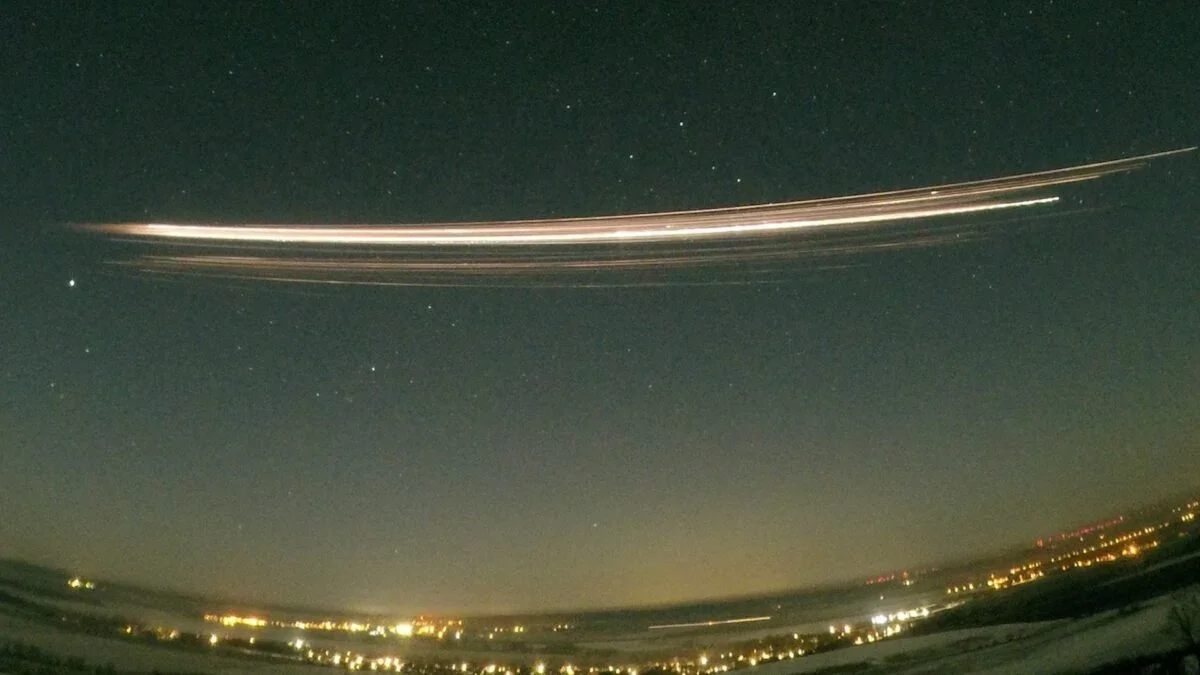
Scientists used a ground-based LiDAR to observe in near real time the air-pollution plume produced when SpaceX Falcon 9 debris burned up on re‑entry. The lithium signal peaked at about 60 miles altitude, and the plume moved across Western Europe (Ireland to Germany) over roughly a day, while the debris crossed from Ireland to Poland in about 2.5 minutes. Lithium is a rare tracer in the atmosphere; the team estimates about 80 grams of lithium enter Earth's atmosphere daily globally, with a Falcon 9 contributing roughly 30 kilograms of aluminum‑lithium hull and batteries per vehicle. Aluminum oxide formation could affect ozone and climate, and researchers plan to measure additional metals in future campaigns; the study was published February 19, 2026 in Communications Earth & Environment.

Space-Based AI Data Centers Face Tough Trade-Offs for Earth and Orbit
science-space-and-astronomy8 days ago

Space-Based AI Data Centers Face Tough Trade-Offs for Earth and Orbit

SpaceX and xAI reportedly plan a million-satellite constellation to run AI data centers in orbit. While proponents cite solar efficiency and lower terrestrial costs, experts warn it could trigger debris cascades (Kessler syndrome), overheating and radiation risks for space hardware, brightening the night sky and harming astronomy, and disruption to Earth observation and climate monitoring; even if feasible, AI training would still require Earth-based resources, and governance gaps could complicate implementation.

Uncontrolled Falcon 9 Reentry Deposits Lithium into Upper Atmosphere, Study Finds
science8 days ago

Uncontrolled Falcon 9 Reentry Deposits Lithium into Upper Atmosphere, Study Finds

Researchers using lidar near Saxony, Germany, detected a lithium plume 58–60 miles up about 20 hours after an uncontrolled Falcon 9 reentry, with lithium concentrations roughly tenfold above background; the study, published in Nature, notes that metals from spacecraft (lithium and other alloys) may alter upper-atmosphere chemistry, but the environmental impact remains uncertain and warrants further research.

Starlink Debris Risk Surges as Megaconstellations Multiply and Ground Impacts Grow
science13 days ago

Starlink Debris Risk Surges as Megaconstellations Multiply and Ground Impacts Grow

As megaconstellations push tens of thousands of satellites into orbit, researchers warn that debris reentries are no longer rare. A study estimates a 40% chance that debris from major megaconstellations could hit someone, with ground fragments already found from older Starlink designs and heavier new satellites raising uncertainty about complete burn‑up. In addition, reentries release aluminum oxide that could affect the ozone layer over decades, underscoring a regulatory gap that still evaluates satellites individually rather than by total constellation risk.

ESA choreographs Cluster satellites for rare reentry observations
space23 days ago

ESA choreographs Cluster satellites for rare reentry observations

ESA is adjusting the trajectories of its Cluster satellites Samba and Tango so they re-enter the Earth’s atmosphere in close succession (Aug. 31 and Sept. 1, 2026) over a remote South Pacific region, enabling observations from a plane to capture rare data on how they heat, break up, and survive reentry. This data will improve reentry models and guide the design of safer, “design-for-demise” satellites. The effort builds on the 2024 Salsa observation and aims to inform a future Draco mission (2027) that will image reentry from the inside, contributing to safer space debris disposal and better predictive capabilities.

ESA's Draco mission to watch a satellite burn up for science
space-exploration27 days ago

ESA's Draco mission to watch a satellite burn up for science

ESA has greenlit the Draco Destructive Reentry Assessment Container Object mission to deliberately reenter a small, instrumented satellite (about 150–200 kg) into Earth's atmosphere. Packed with around 200 sensors and four cameras, Draco will record temperatures, pressures, ablation products and other data as it burns up, with roughly a 20‑minute telemetry window before splashdown. The goal is to validate reentry models and advance “design for demise” concepts to fully disintegrate satellites, helping reduce debris and atmospheric pollution and guiding future demisable spacecraft by 2030.