Wildfires in Victoria, Australia, have burned nearly 900,000 acres, destroyed homes, and caused one death, driven by record heat and lightning strikes amid a severe heat wave, marking the worst fire conditions since the 2019-2020 Black Summer fires.
A severe heatwave in southeastern Australia has caused devastating bushfires, resulting in one death, over 300 structures destroyed, and 350,000 hectares burned, with ongoing emergency efforts and significant property and environmental damage. The government has announced disaster recovery funding, and residents are urged to stay safe amid active fires and poor air quality, as climate change continues to exacerbate such extreme weather events.
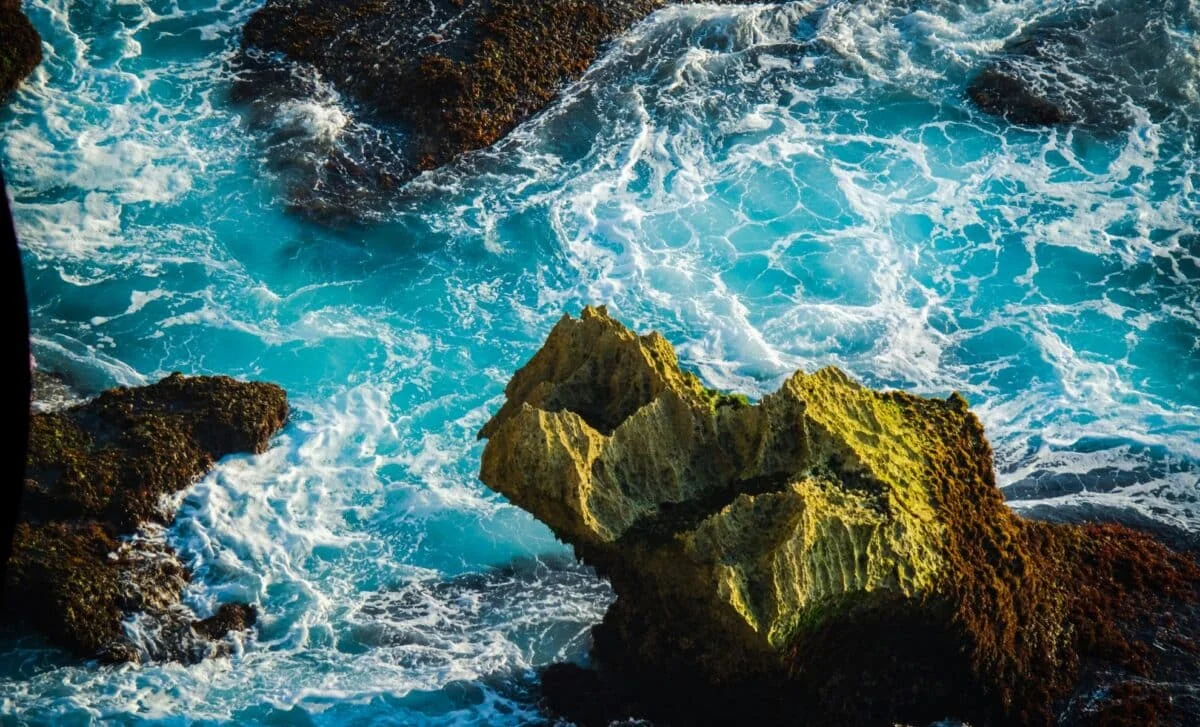
The world's oceans experienced record-breaking heat for the ninth consecutive year in 2025, driven by rising greenhouse gas emissions, leading to severe weather events, melting ice sheets, and threats to marine life, with no end in sight unless global emissions are drastically reduced.
Oxfam reports that the world's richest 1% have already used up their fair share of carbon emissions for 2026, with the top 0.1% exhausting their budget in just three days, highlighting the disproportionate impact of the wealthy on climate change and urging tax reforms to address this imbalance.
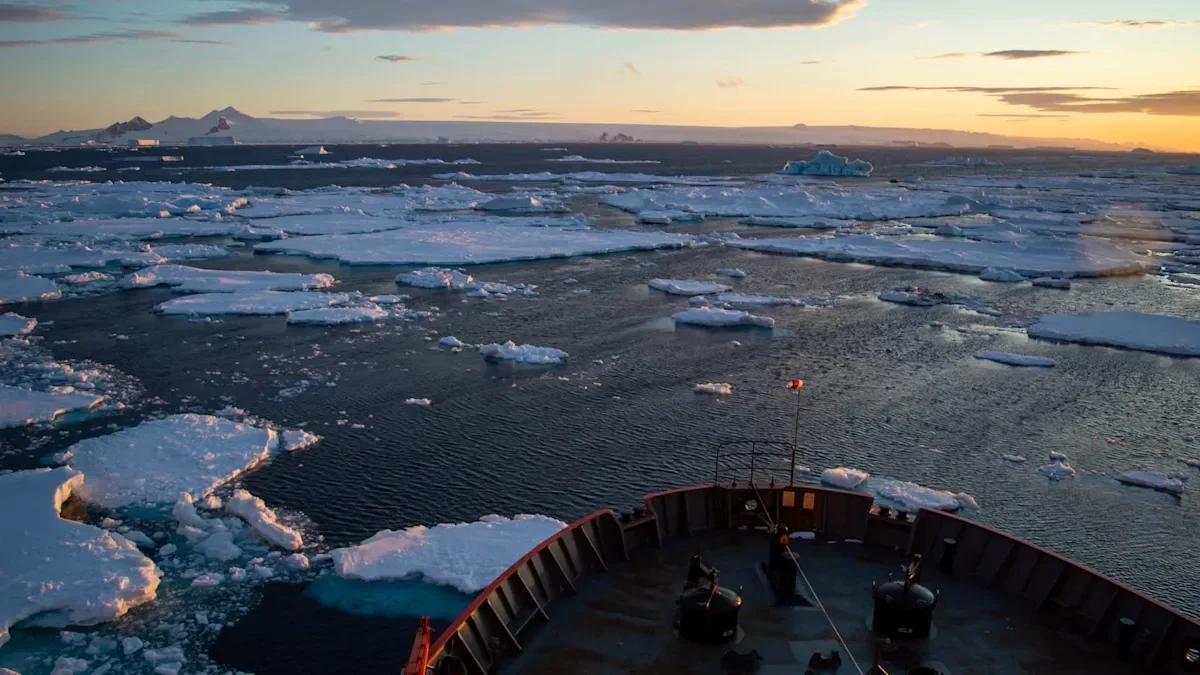
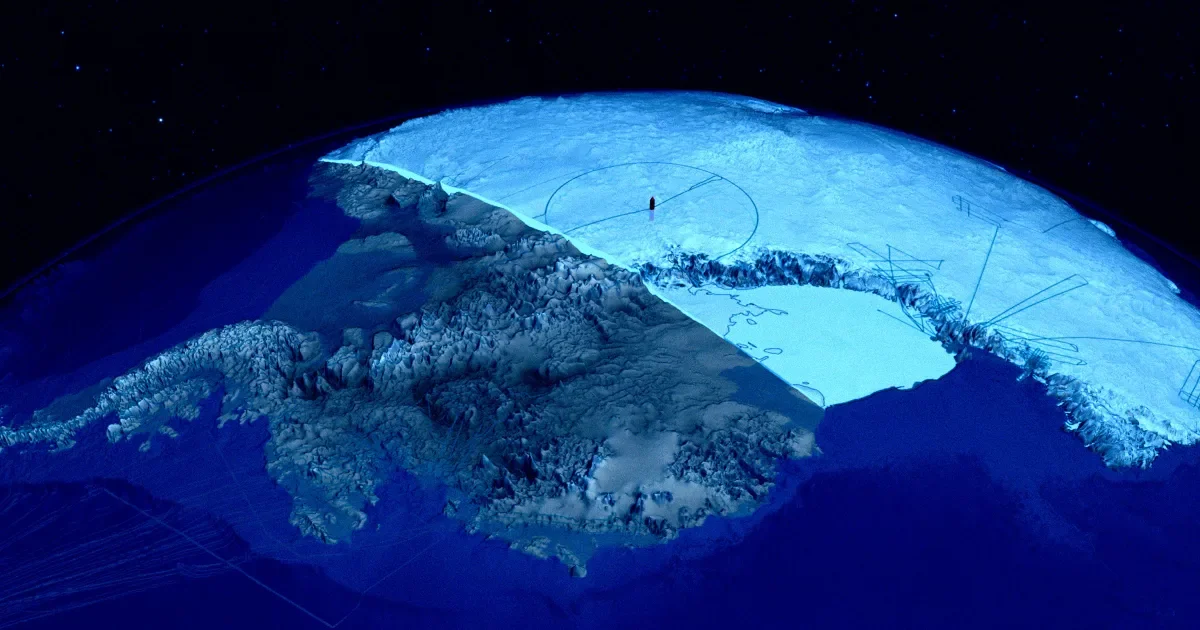
Scientists warn that the 'Doomsday Glacier' in Antarctica is nearing a critical breaking point, which could significantly raise sea levels by about 65 centimeters if it collapses. The glacier's structural integrity has been compromised due to ongoing fracturing, and its potential collapse could accelerate sea level rise, impacting global communities and ecosystems. Arctic ice is melting at an alarming rate, driven by human activities and climate change, with efforts underway to monitor and mitigate these effects through satellite data and behavioral changes.
The US plans to withdraw from several UN bodies involved in climate, development, and other global issues, which could impact international cooperation and progress in these areas, although the full effects remain uncertain as funding and participation are being reviewed.
A recent snowstorm in the Netherlands, a country unaccustomed to heavy snow due to climate change, has caused widespread chaos, highlighting the nation's lack of preparedness and the impacts of a warming climate on traditional winter conditions.
In 2025, the world's oceans absorbed record amounts of heat, intensifying climate disasters such as hurricanes, floods, and marine heatwaves, and contributing to sea level rise. This ongoing ocean warming, which is likely the hottest in at least 1,000 years, underscores the urgent need to reduce emissions to mitigate future climate impacts.
California has experienced a rare period of no abnormal dryness for the first time in 25 years, thanks to recent heavy rains and atmospheric rivers, reducing wildfire risk and water supply concerns, though climate change is expected to cause more extreme weather swings in the future.
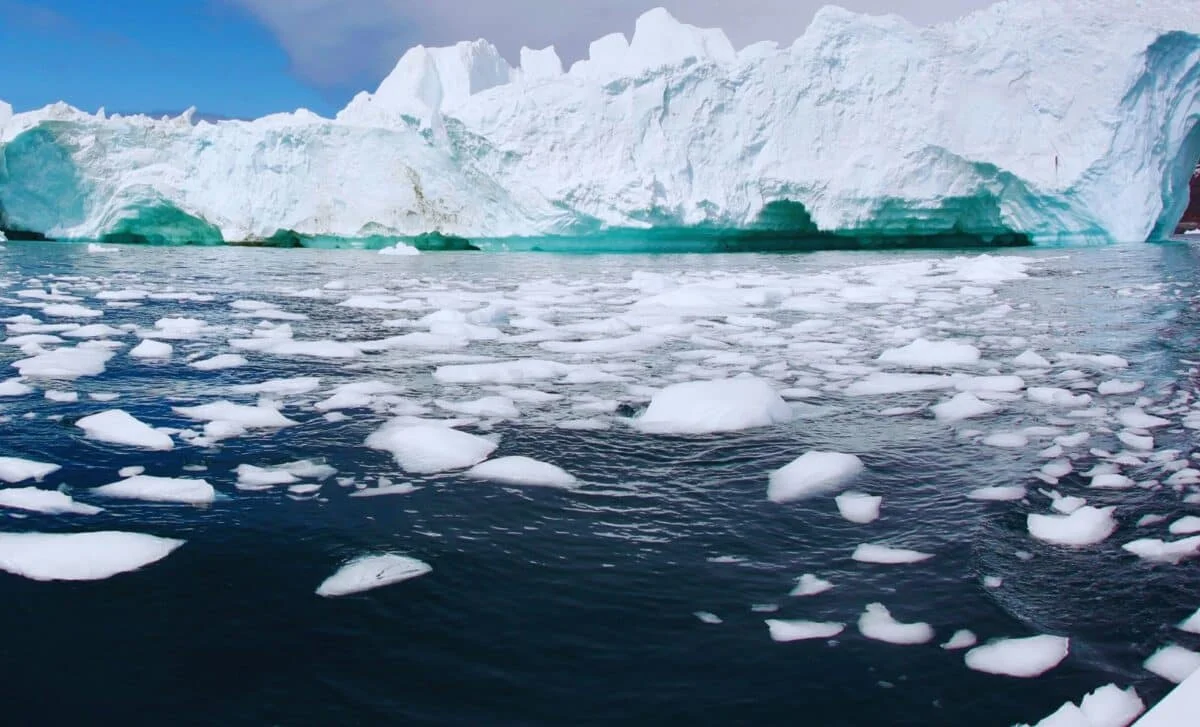
NASA images reveal that iceberg A-23A, which has been floating since 1986 and was once over 4,000 square kilometers, is now bright blue and showing signs of imminent disintegration, likely within weeks, due to melting and structural failure.
The Earth's oceans have warmed for the ninth consecutive year in 2025, absorbing vast amounts of heat that contribute to climate change, extreme weather, and threats to marine ecosystems like coral reefs, with the warming penetrating as deep as 2,000 meters and likely to persist for centuries. Immediate action to reduce greenhouse gases could stabilize or reverse this trend.
In his 2026 letter, Bill Gates expresses cautious optimism about the future, emphasizing the importance of innovation in health, climate, and education, while highlighting challenges such as rising child mortality, economic disparities, and the disruptive potential of AI. He advocates for increased generosity, scaling technological solutions for equality, and careful management of AI risks to ensure long-term progress.
NASA reports that the massive Antarctic iceberg A23a has turned blue due to meltwater and is nearing complete disintegration, likely within weeks, as it drifts into warmer waters and shows signs of structural failure.
The western US is experiencing a severe snow drought due to record-high temperatures and lack of snowfall, threatening water supplies, increasing wildfire risks, and impacting outdoor industries, with experts warning that ongoing climate shifts could worsen long-term drought conditions and affect future events like the 2034 Winter Olympics in Utah.
Scientists used autonomous underwater vehicles to map the underside of Antarctica's Dotson Ice Shelf, revealing complex terrain and uneven melting patterns driven by warm ocean currents. During a follow-up mission in 2024, the vehicle disappeared, raising concerns about the stability of ice shelves and their role in sea level rise, as melting accelerates in specific areas.