Experts say outdoor lighting disrupts nocturnal wildlife and pollination, so dimming or using motion-activated, warmer lights can protect insects, birds, bats and plants. Embracing evening gardening with moon gardens or night-blooming plants keeps the outdoors usable after sunset, boosting biodiversity and garden health.
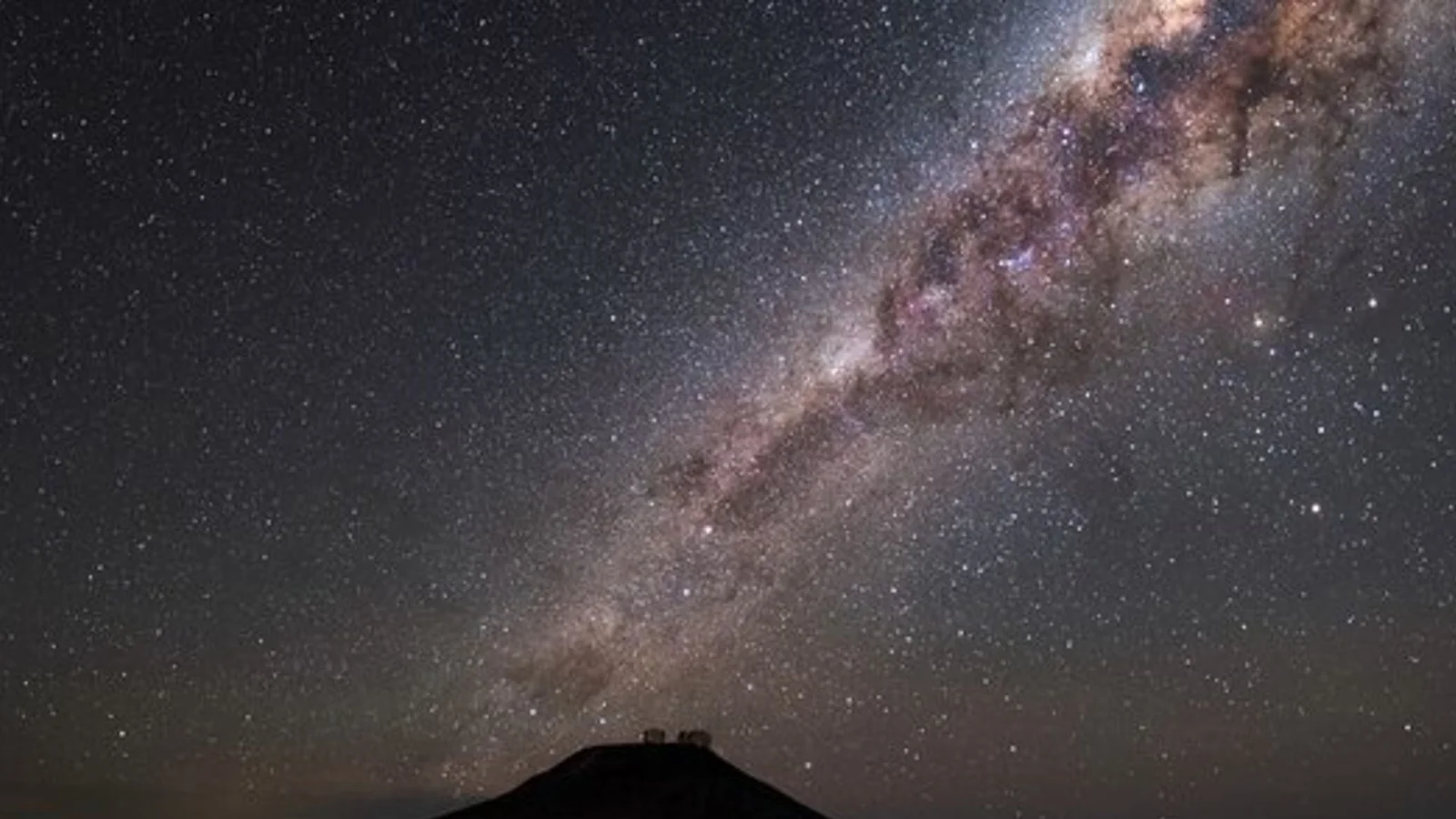
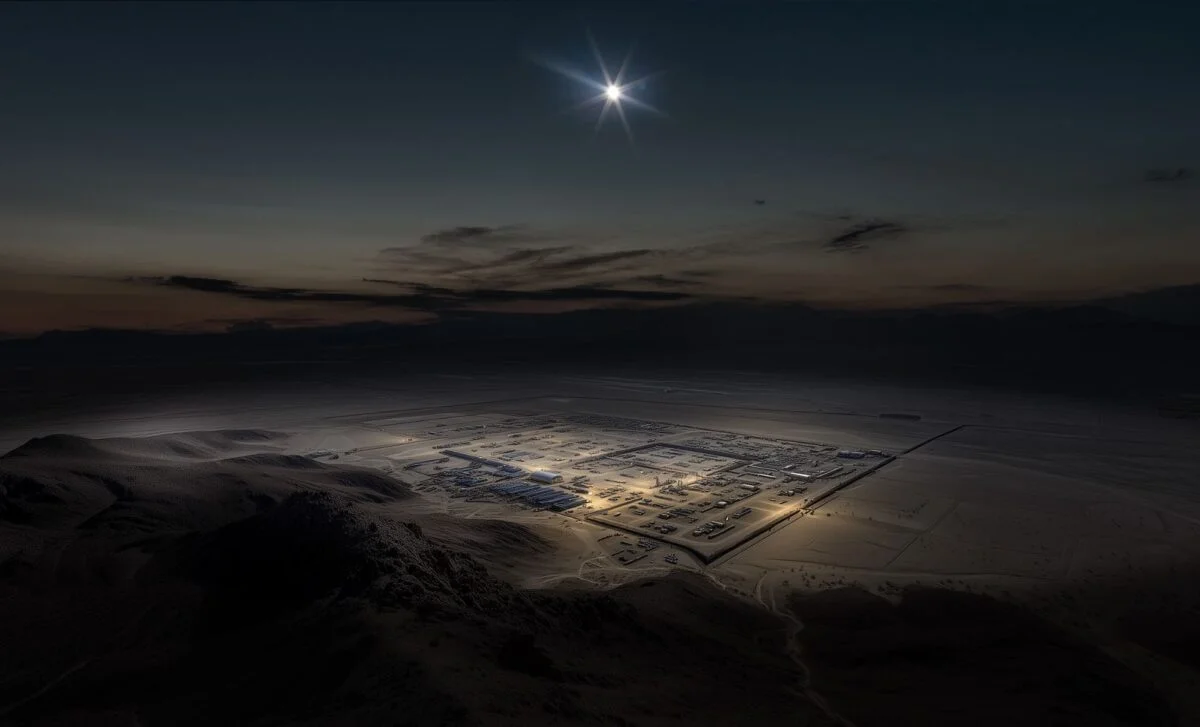
A $10 billion plan to build a light-polluting green hydrogen plant near ESO’s Cerro Paranal observatory in Chile has been cancelled by AES Andes, relieving astronomers who warned the project would degrade the world-renowned dark skies and threaten facilities like the VLT and ELT. ESO calculations suggested up to a 35% increase in light pollution, which could undermine cutting-edge observations, prompting widespread concern in the astronomy community. The cancellation allows Paranal and Atacama-region telescopes to continue operating under optimal sky conditions while AES Andes shifts focus to renewable energy projects.
A California startup, Reflect Orbital, plans to deploy about 4,000 55-meter-wide mirrors in low Earth orbit to reflect sunlight back to Earth at night, with Earendil-1 launching in April 2026 to illuminate nighttime solar-power sites and other critical areas. The project has sparked backlash from astronomers, environmentalists, and sleep researchers due to potential sky brightness and telescope interference, as well as concerns about wildlife disruption and governance since private entities would control illumination. Simulations suggest beams could be bright enough to affect observations, and atmospheric scattering could spread light beyond the target zone, raising questions about data loss and fairness across borders.**
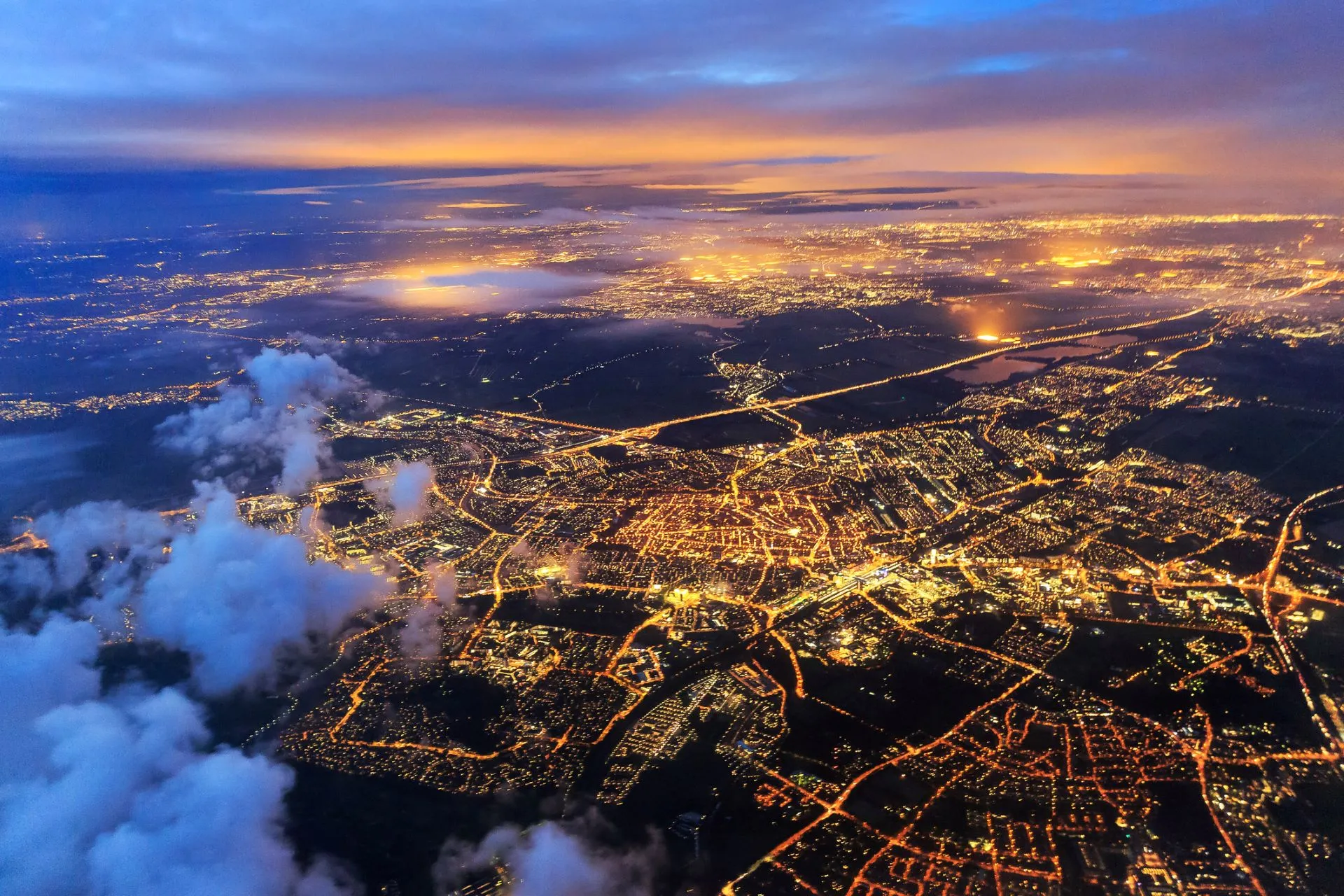
NASA’s Earth Observatory uses Landsat 8 imagery to show Leamington, Ontario, expanding to about 8 square kilometers of greenhouses—the largest concentration in North America—producing year-round LED-lit glows visible at distances of tens of kilometers. A 2022 bylaw requires light-blocking curtains to reduce night-sky brightness, and studies indicate these curtains help when properly deployed, though cloud cover and the Moon still affect brightness. The growing glow also intersects with ecological concerns for migratory birds near Point Pelee.
A study reveals that artificial city lights cause bats to take longer, energy-expensive detours to avoid illuminated areas, highlighting the negative impact of light pollution on nocturnal wildlife and emphasizing the need for reducing artificial lighting in urban planning.
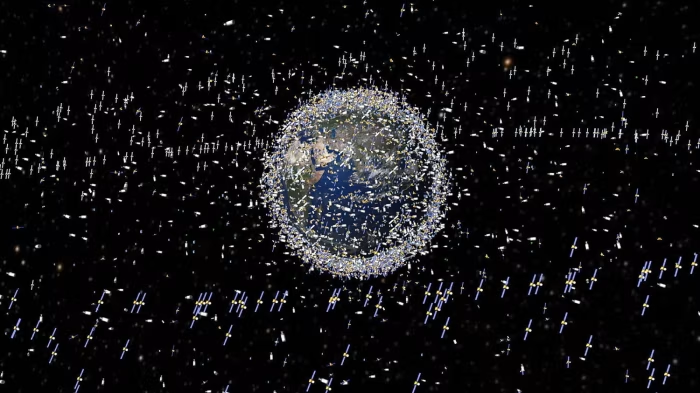
The increasing number of satellites, especially from megaconstellations like Starlink, is significantly impairing the ability of space telescopes like Hubble to capture clear images, with projections indicating a worsening problem that could hinder astronomical research and space safety. Solutions such as designing less reflective satellites and better coordination are urgently needed to ensure sustainable coexistence in space.
A surge in satellite launches is brightening the night sky and obstructing astronomers' ability to study distant galaxies, raising concerns over space regulation and the impact on scientific research, with projections of up to 500,000 satellites orbiting by the 2030s.
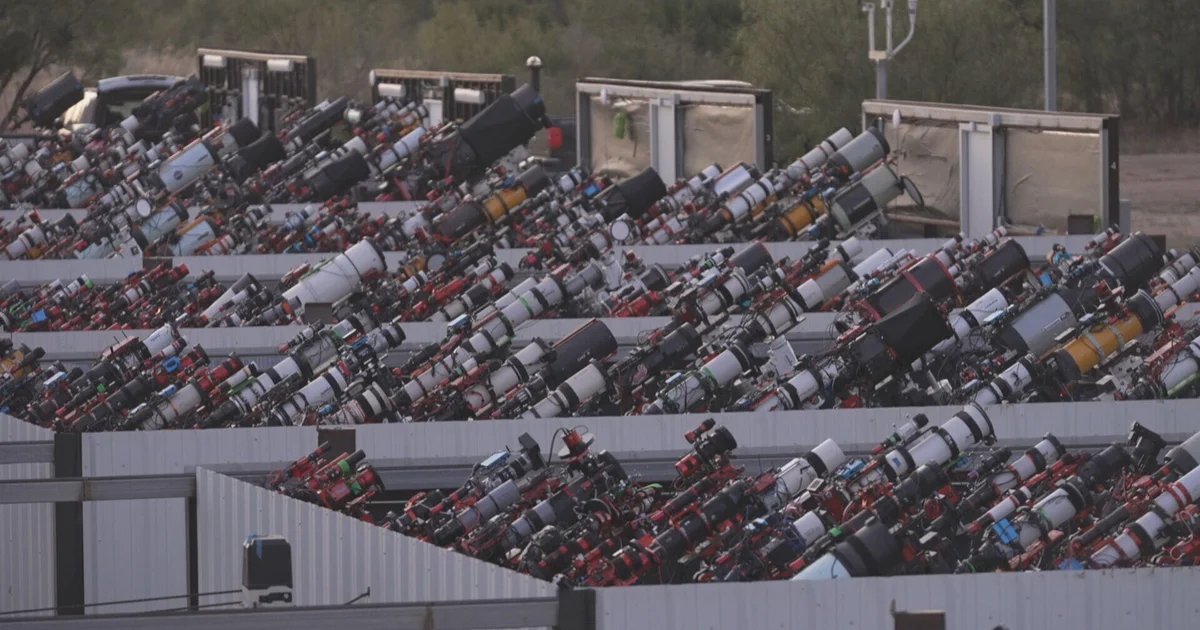
A remote telescope farm in Texas, created by amateur astronomer Bray Falls, allows global customers to control telescopes remotely and observe the night sky despite increasing light pollution, helping to preserve the wonder of stargazing and facilitate space discoveries.
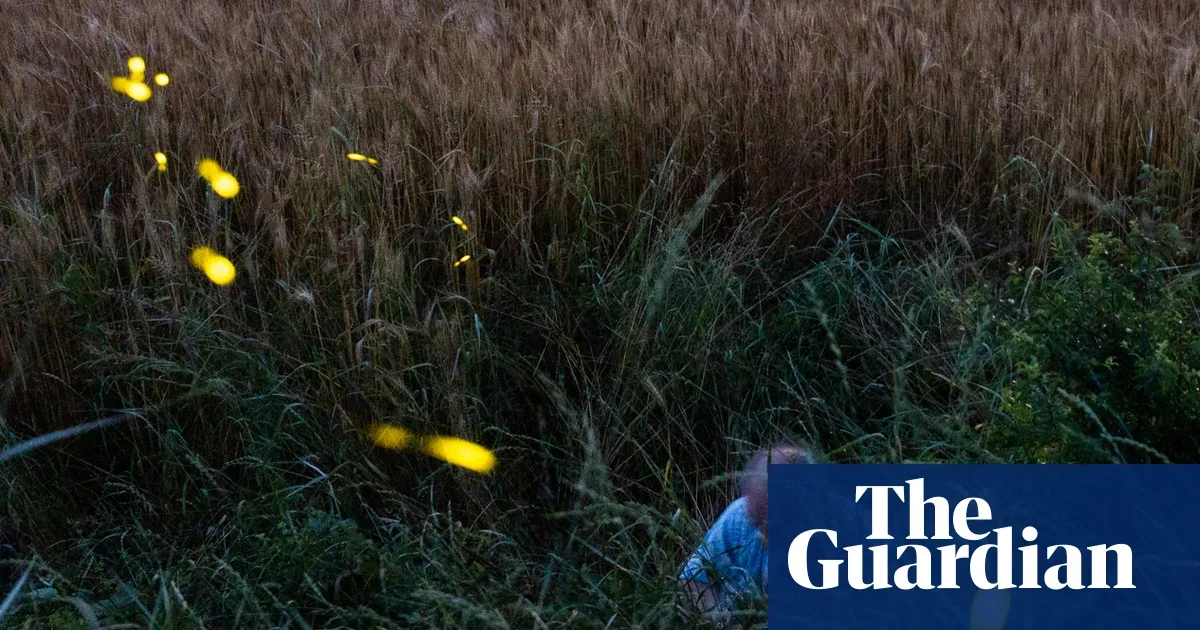
Glow-worms and fireflies are declining globally due to habitat loss, climate change, and light pollution, prompting conservation efforts like habitat restoration and reintroduction, though their future remains uncertain amid ongoing threats.
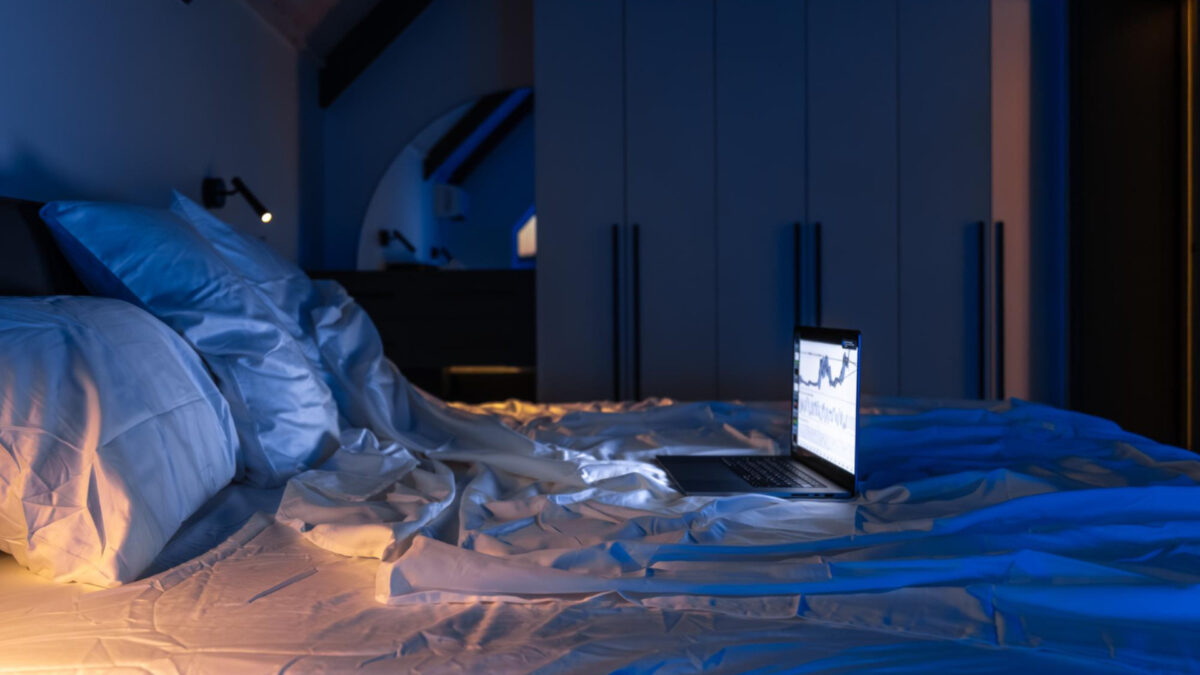
New research suggests that exposure to artificial light at night increases brain stress signals, inflammation in blood vessels, and the risk of heart disease, emphasizing the health benefits of sleeping in total darkness.
A California startup, Reflect Orbital, plans to launch up to 4,000 giant mirrors into space to reflect sunlight onto Earth's night side, aiming to extend daylight hours for energy and agriculture. Experts warn this could cause severe light pollution, disrupt astronomy, and pose space safety risks, with past similar attempts having failed and skepticism about the feasibility and environmental impact of the project.
A California startup, Reflect Orbital, plans to launch 4,000 mirrors into orbit to redirect sunlight to Earth-based solar farms, aiming for continuous energy supply, but scientists warn this could cause significant light pollution, disrupt astronomy, and harm wildlife, raising environmental and ecological concerns.
California-based startup Reflect Orbital plans to launch a constellation of over 4,000 space mirrors to enhance solar power generation by reflecting sunlight onto Earth during twilight hours, but this project has raised concerns among astronomers and environmentalists due to its potential to significantly increase light pollution and disrupt natural ecosystems and astronomical observations.
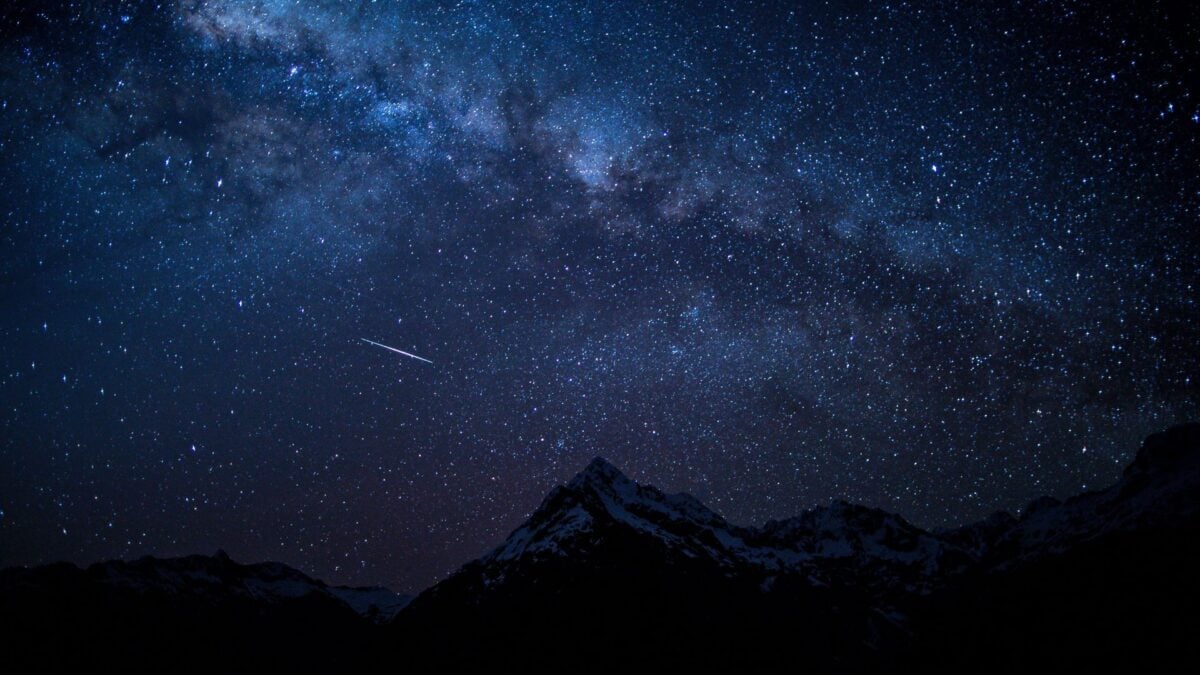
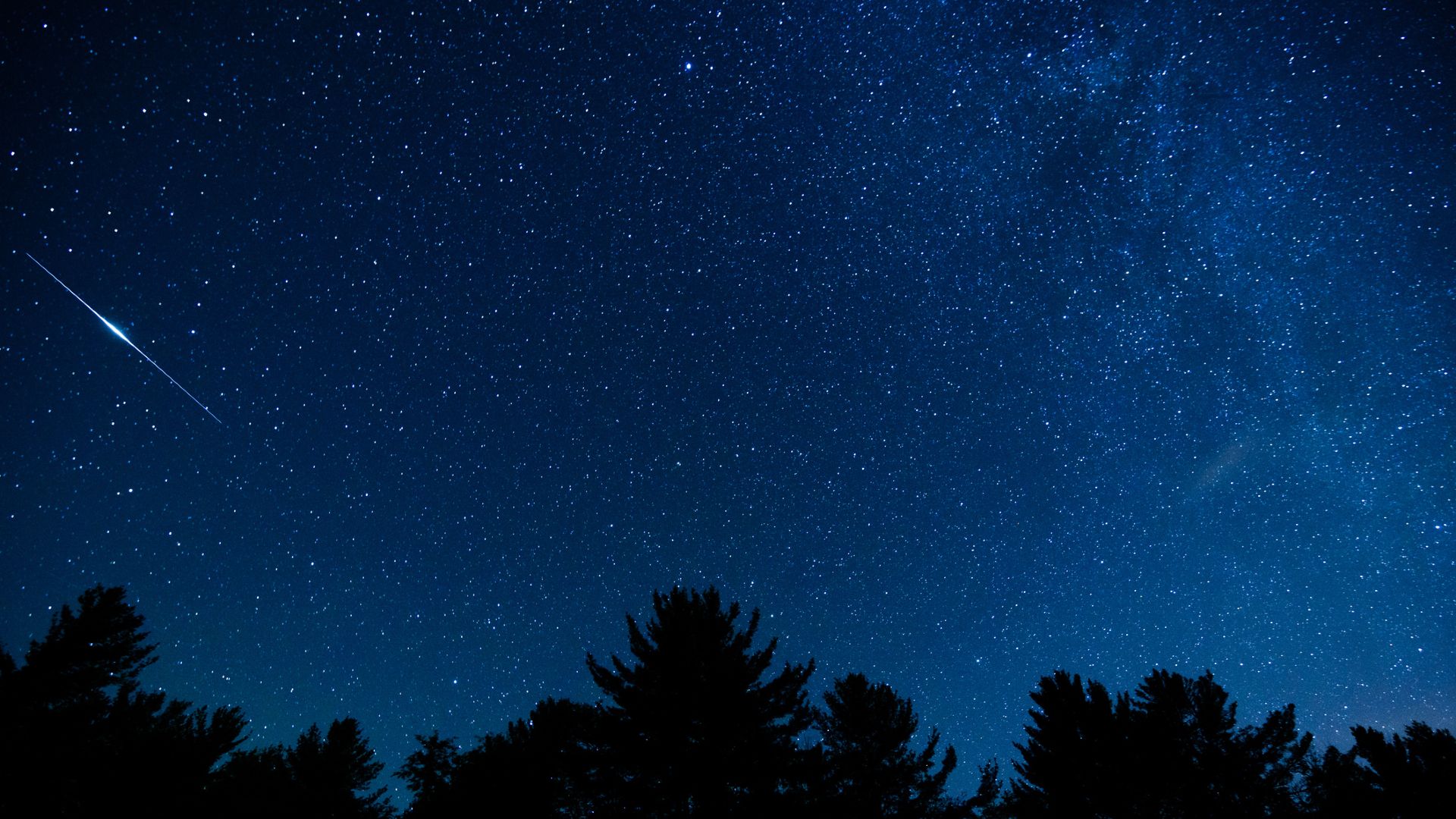
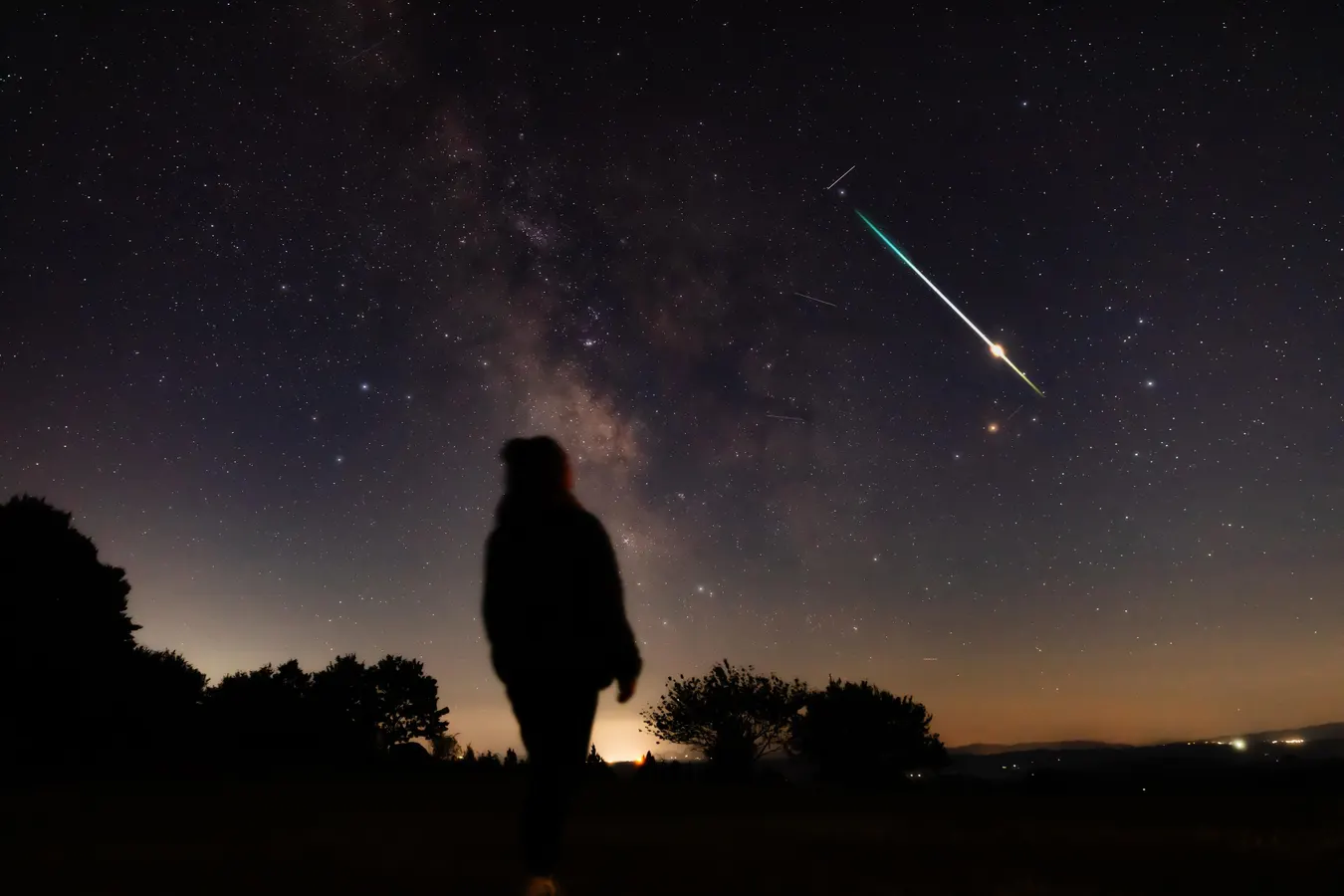
The article advises viewers to leave city areas this week to witness the peak of the Orionid meteor shower, Northern Lights, and bright comets, emphasizing the importance of dark skies for optimal viewing due to light pollution and providing tips for observing these celestial events.
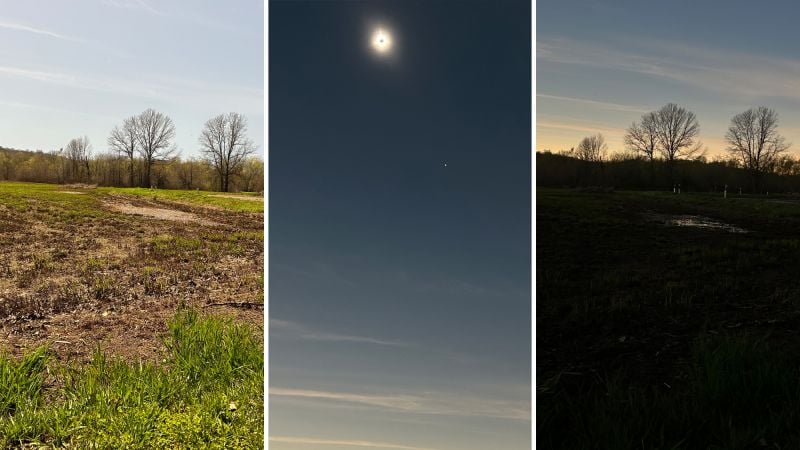
New research shows that the 2024 North American total solar eclipse temporarily reset the biological clocks of some bird species, causing many to sing as if it were dawn, highlighting their sensitivity to light changes and implications for conservation amid increasing light pollution.